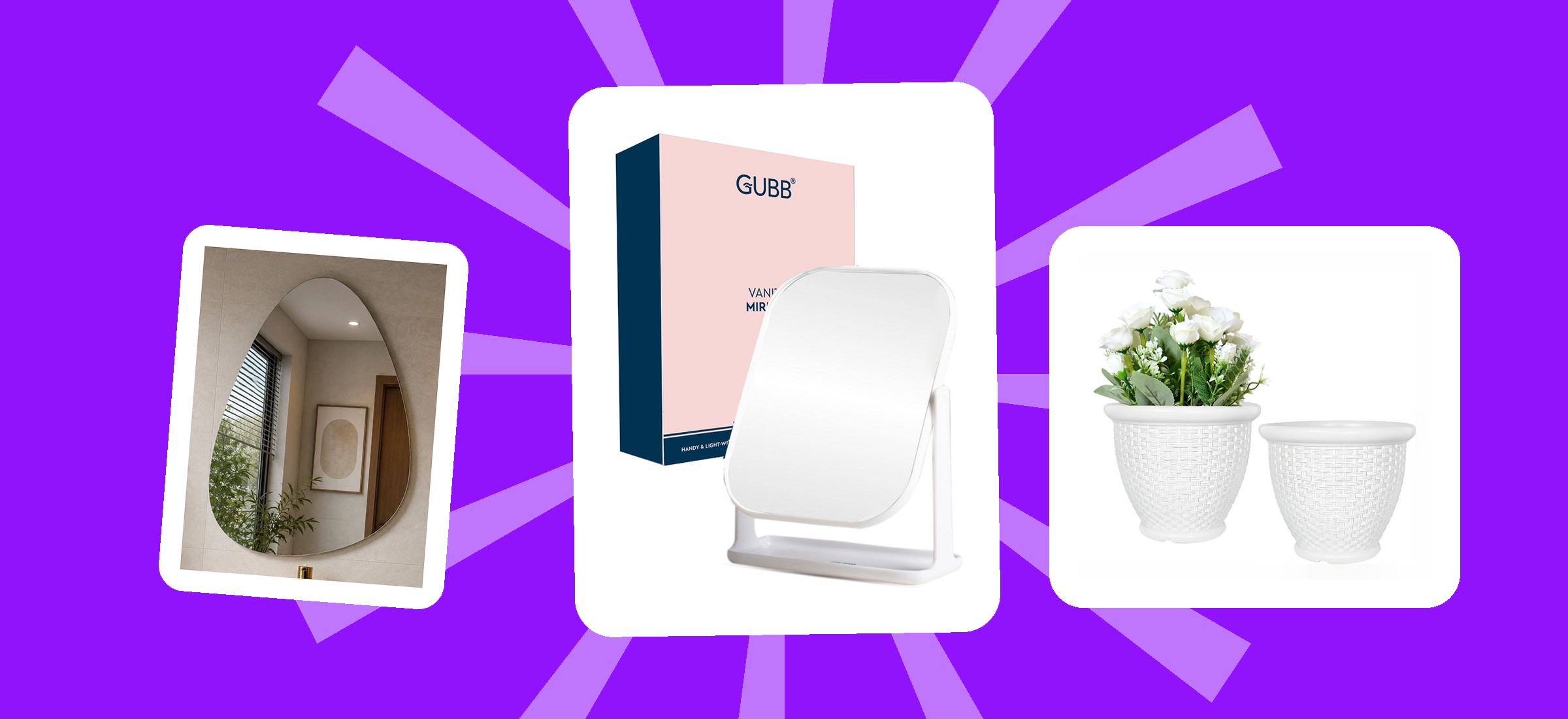
Myntra's mirrors, sofa covers and planters read on 13 October 2026: 96 listings, Rs. 275 to Rs. 2,199, median advertised badge 56%. Ten of them are badged 0% off — selling price identical to stated MRP — and one of those, a GUBB mirror at Rs. 595, carries 4.59 stars from 306 ratings, the fourth-largest pool on the shelf. The evidence is thin almost everywhere else: 43 of 96 listings publish no rating at all, and the median rated listing has just 32. Several listings report identical rating counts — three Art Street mirrors all at Rs. 929 share 4.10 from exactly 59 ratings while being badged 69%, 63% and 63%. Nothing bought or unpacked.
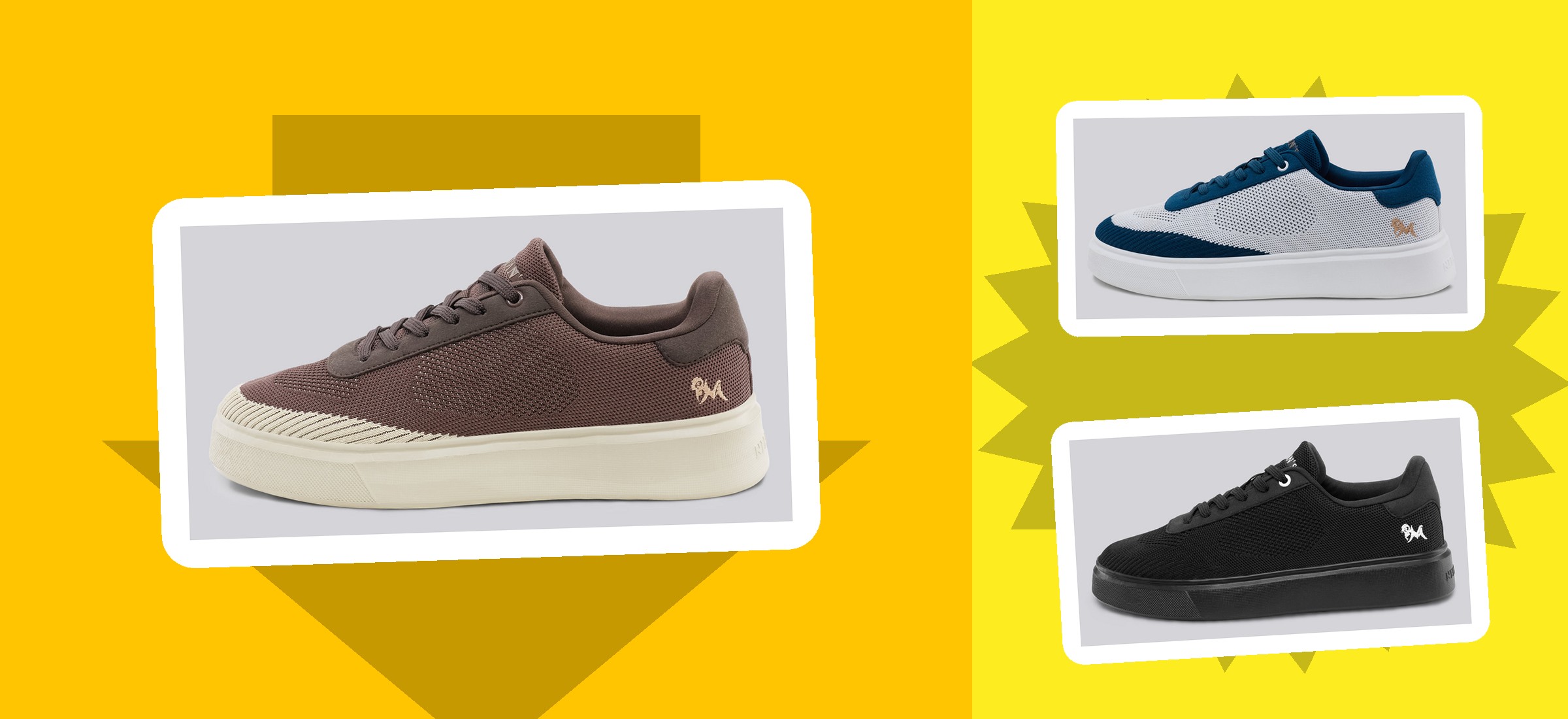
Myntra's jackets and sweaters read on 13 October 2026: 98 listings, Rs. 474 to Rs. 2,555, median advertised badge 62%. The badge does not predict what you pay, and here it inverts: the three most expensive listings in the whole read are all badged 64% off, at Rs. 2,555, Rs. 2,519 and Rs. 2,447 — while the only two listings badged 0% off sell for Rs. 1,499 and Rs. 1,799, cheaper than four of the deep-badged ones. Grouped by band, median prices run Rs. 799, Rs. 974, Rs. 1,399, Rs. 1,032 and Rs. 497. 79 of the 98 sell under Rs. 1,500, and 36 publish no customer rating at all. Nothing bought, unpacked or worn.
Bewakoof's TriBe membership terms, published inside its general terms page and read on 13 October 2026. Two plans, both quoted "Inclusive of all taxes": Rs. 399 for 12 months and Rs. 299 for six — Rs. 33.25 a month against Rs. 49.83. The headline is what it does not do: "Your TriBe membership will automatically be cancelled after the period is completed and would not be auto-renewed." The benefit is delivery, and it is conditional — "limited to certain products… designated as such on their product pages". Cancel yourself and the fee is "not be refunded in any case". Quoted verbatim.
Neeman's privacy policy, read on 13 October 2026 and stamped "Last updated: August 25, 2026". One sentence explains the advertising: "we use Shopify to support personalized advertising with third-party services based on your online activity with different merchants and websites". The rights section is written in conditionals — "You may have a right to request…" — with objection, restriction and consent-withdrawal placed in a block for "the UK or European Economic Area". No retention period is given anywhere. To its credit, it says plainly that "no security measures are perfect or impenetrable" and publishes a phone number and registered entity. Quoted verbatim. Not legal advice.
Amazon's festive lighting and pooja shelf read on 13 October 2026: 95 listings, Rs. 68 to Rs. 4,090. Twenty-nine of them print the identical stated MRP of Rs. 999 — and those 29 sell for anything between Rs. 68 and Rs. 554, an 8.1-fold spread under one list price. The shelf is really two shelves: 70 decorative lights at a median 75% badge and a median Rs. 209, against 33 brass and silver-plated pooja listings at a median 50% badge and Rs. 899. Fifty-two of the 70 lights sell under Rs. 300. Two The Purple Tree listings report the identical 4.1 from exactly 15,166 ratings at different prices and different badges. Nothing bought, unpacked or plugged in.
Tata CLiQ's doormat and yoga-mat shelf read on 13 October 2026: 119 listings, Rs. 259 to Rs. 5,199, median Rs. 839, median badge 40%. The shelf is narrower than it looks: 119 listings carry only 41 distinct selling prices, three brands hold 81 of them, and sixteen Saral Home listings all sell at exactly Rs. 1,299 against an identical Rs. 2,199 under an identical 41% badge. The customer evidence is almost absent — only 28 of 119 publish any rating, the median count is 1.5 and the largest pool anywhere on the shelf is twelve people, so no rating pill appears anywhere on this page. Thirty-eight listings sell under Rs. 500. Nothing bought, unrolled or stood on.
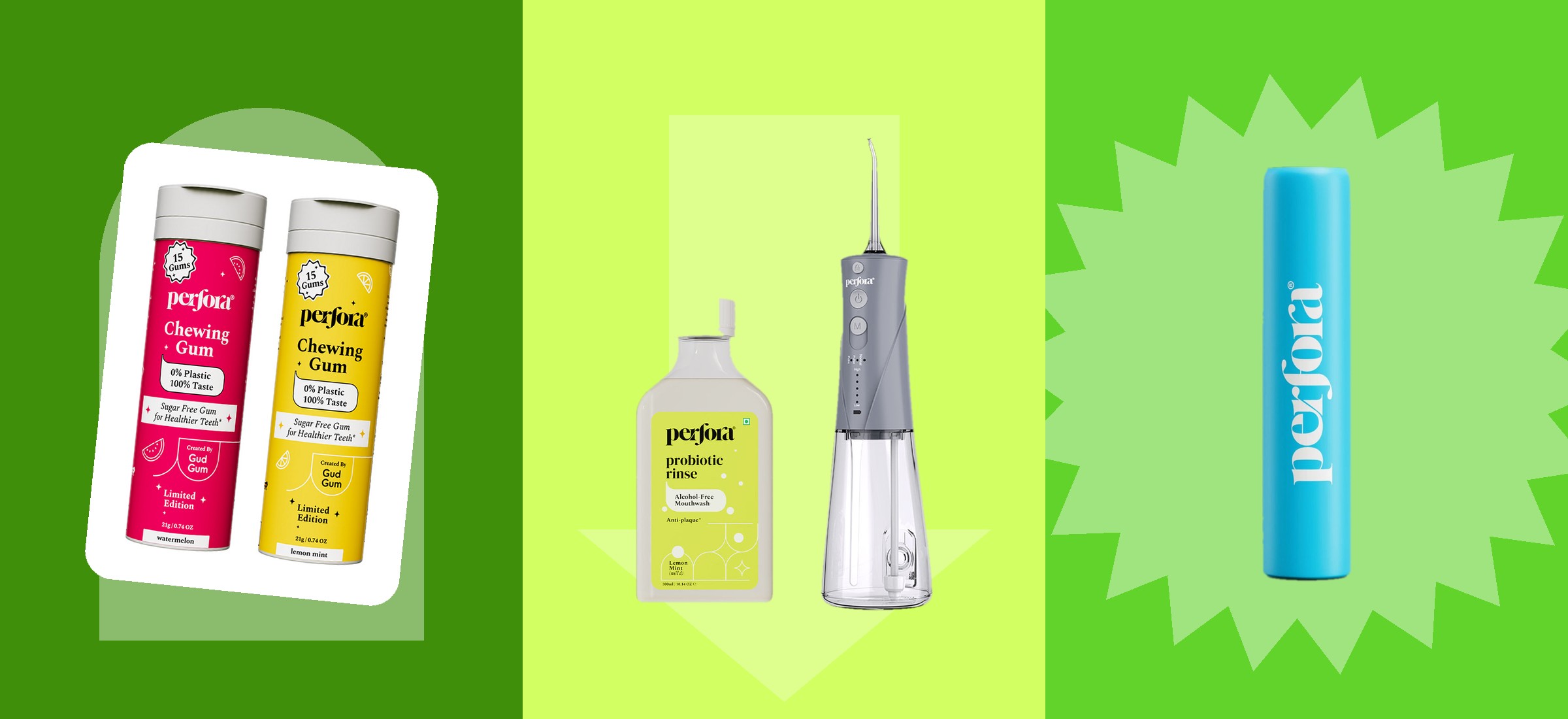
Perfora's privacy policy, read on 13 October 2026. It settles the question of agreement in its first lines: "By mere use of the Website, you specifically consent to our use and disclosure of your personal information." The marketing opt-out comes with a condition — available "after setting up an account". Correspondence that other people send about you may be collected "into a file specific to you". And there is no last-updated date anywhere on the page, under a promise to post changes "so that you are always aware". Set beside Neeman's policy, read the same day, the two brands describe security in opposite registers. Quoted verbatim. Not legal advice.
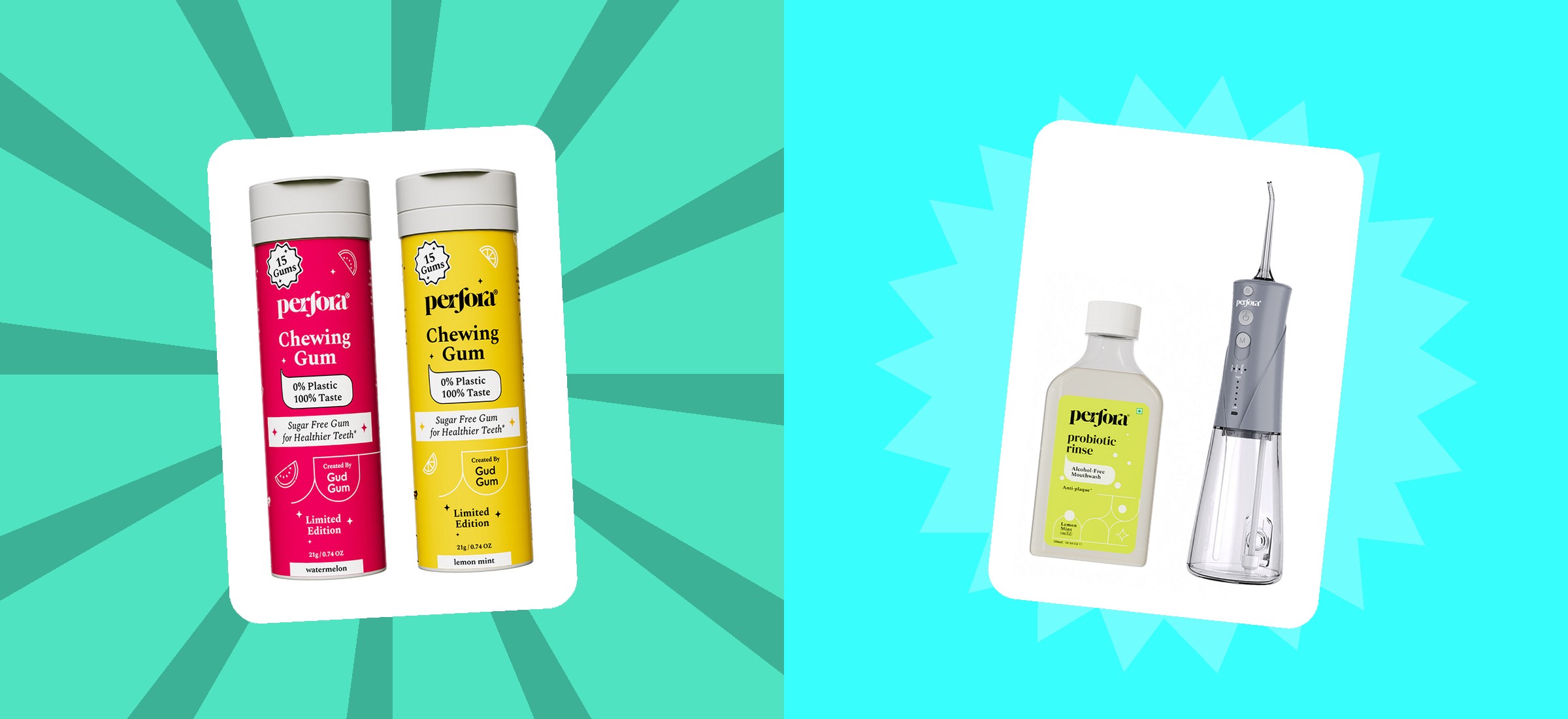
Perfora's terms of use, read on 13 October 2026. One clause does two things at once: "We will not be liable for any credit card fraud. The liability to use a card fraudulently will be on the user and the onus to ‘prove otherwise’ shall be exclusively on the user." The general disclaimer runs to "all liability for any loss… personal injury or expense of any nature whatsoever". Orders can be cancelled for stock, and a finding of promo misuse can take "the user's account and… all outstanding orders". In its favour: Indian law, Indian courts, a published phone number and staffed hours. Quoted verbatim. Not legal advice.
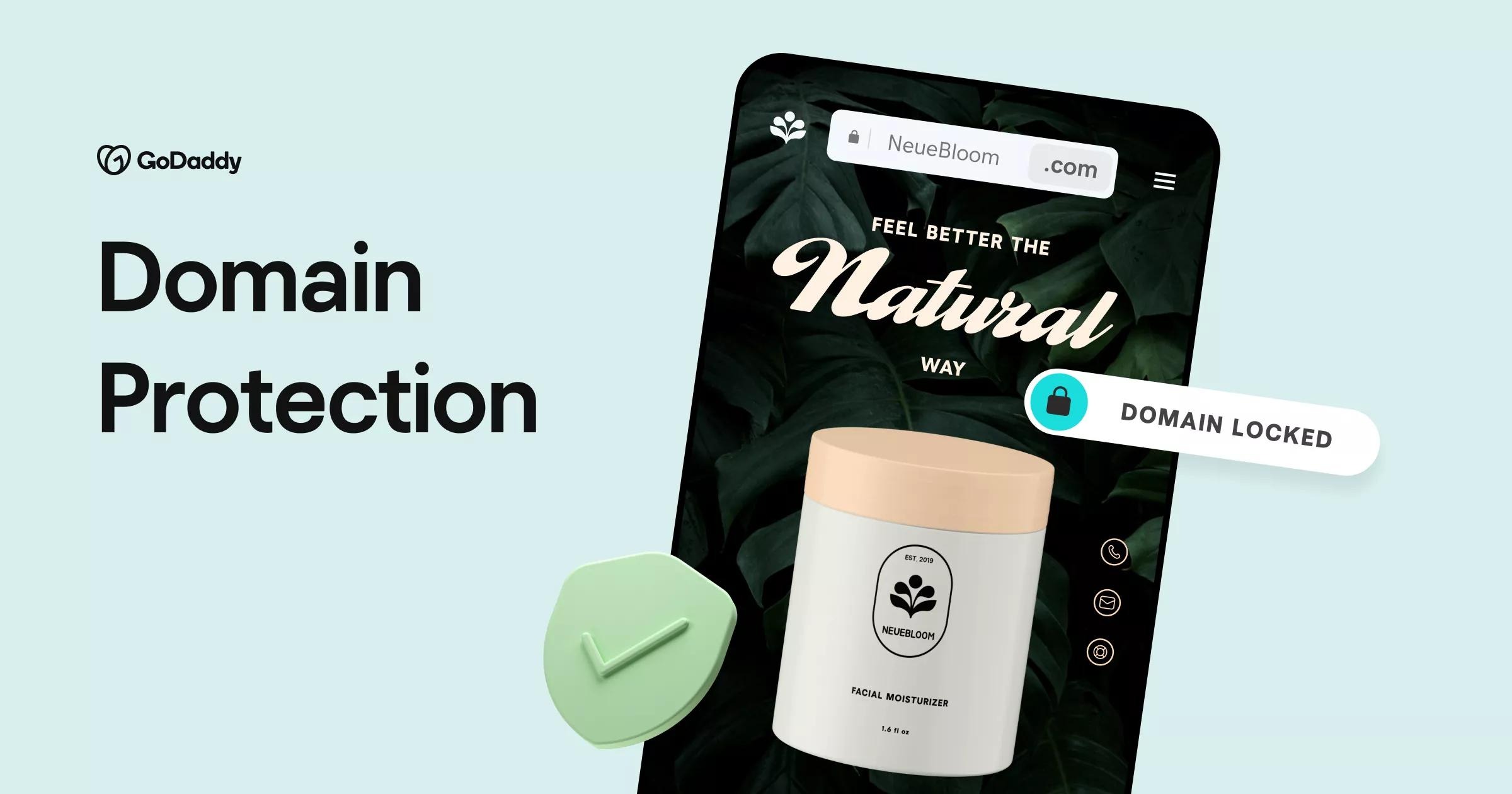
GoDaddy's live refund policy carries a notice in capitals: "OUR REFUND POLICY IS CHANGING, EFFECTIVE OCTOBER 15, 2026." We read the current page and the published replacement side by side. The 30-day annual and 48-hour monthly windows do not move. What moves is the clock: today the refund date "includes the date any renewal is processed"; from Wednesday it "specifically excludes" it, and "GoDaddy does not offer refunds on renewals (manual or auto-renewal)" except where section 3 says so. The 45-day window on a one-year domain auto-renewal has no equivalent in the new text. A 30-day hardware return is added; monthly IT Services becomes "Fully non-refundable". Not legal advice.
GoDaddy's Universal Terms of Service — the master agreement under every other GoDaddy contract — read on its Indian site on 13 October 2026, stamped "Last Revised: 03-06-2026". Section 1 defines every customer as a "business customer", sweeping in "freelancers, consultants, influencers, content creators, job seekers, and defensive domain registrations", and states: "Our Services are not intended for private, personal or household use." Liability is capped at "$ 10,000.00 U.S. DOLLARS"; changes are "effective immediately upon posting"; and on termination GoDaddy may "remove and destroy any data and files stored by you on its servers". Quoted verbatim. Not legal advice.
GoDaddy's Domain Name Registration Agreement, read on 13 October 2026 and stamped "Last Revised: 24-08-2026". It answers the question the advertised price does not: "the renewal price for any domain name in any TLD will be the same as the list (non-sale) price" — and it prints a rupee example, "if a domain name has a sale price of Rs. 856.20, with the list (non-sale) price shown (as a strike-through) at Rs. 951.43, the renewal price will be Rs. 951.43*". The asterisk means "subject to change". Also inside: "Automatic Renewal is the default setting", "Domain name renewals will be non-refundable", and the two grace periods that are "not guaranteed". Quoted verbatim. Not legal advice.
GoDaddy's Domain Name Proxy Agreement — the contract behind its paid Whois privacy — read on 13 October 2026, stamped "Last Revised: 01-04-2024". The product works by substitution: "GoDaddy will display its contact information in the publicly available ‘Whois’ directory in place of Your information." But section 4 reserves "the absolute right and power, in its sole discretion and without any liability to You whatsoever, to: Cancel the privacy service… and/or reveal Your name and personal information" — on a list that includes "a reasonable threat of litigation against GoDaddy (as determined by GoDaddy in its sole and absolute discretion)". Quoted verbatim. Not legal advice.
Lenovo India publishes its Assured Exchange Bonus as a seven-row table, and the rows are not evenly spaced. Monitors get Rs. 1,000 at any price. A Legion, Yoga, IdeaPad 5 or LOQ above Rs. 1,20,000 gets Rs. 25,000 — while "All Other Laptops, Desktops & AIO" at the same spend gets Rs. 10,000. Same money, Rs. 15,000 apart. The payout also splits in two: "the Exchange value from Cashify (within 7 days) and the Bonus amount from Lenovo (within 30 days)". Return the machine and "the Bonus amount will be reduced from refund value". And the quote itself is provisional — "no binding offer is made until we have had a chance to inspect the device". Read 12 October 2026. Not legal or financial advice.
Vijay Sales sells a paid extended warranty called VS+, and its FAQ is more candid than the counter pitch. "VS+ Extended Warranty is a service that is powered by OnsiteGo (Onsite Electro Services Private Limited)" — so the provider is a third party. The headline is "up to 4 additional years", but "available for 1 additional year on Mobile Phones and Tablets", with everything capped at five years total. Repairs are unlimited "till the total costs of all repairs do not exceed the value of the device", and a replacement may be "new or refurbished device or Gift Cards". Crucially it is a warranty, not insurance: "physical damage, liquid damage, power surges etc. are outside the scope". Report a fault within 7 days; cancel within 30. Published text only; not legal advice.
Amazon's A-to-z Guarantee is the safety net under every marketplace order, and its help page carries a number almost nobody has seen. "You are limited to a lifetime maximum of 75 refund requests. Withdrawn requests don't count towards this maximum." Before you can use one, a sequence of clocks has to run: contact the seller through your Amazon account and wait 48 hours, then "3 business days past the maximum estimated delivery date" for a missing parcel. The outer window is 90 days — except on Amazon Business orders, where you must tell the seller "within 7 days of receiving the item". Excluded outright: digital goods, and any payment where your bank has started a chargeback. Read 12 October 2026. Published text only; not legal advice.