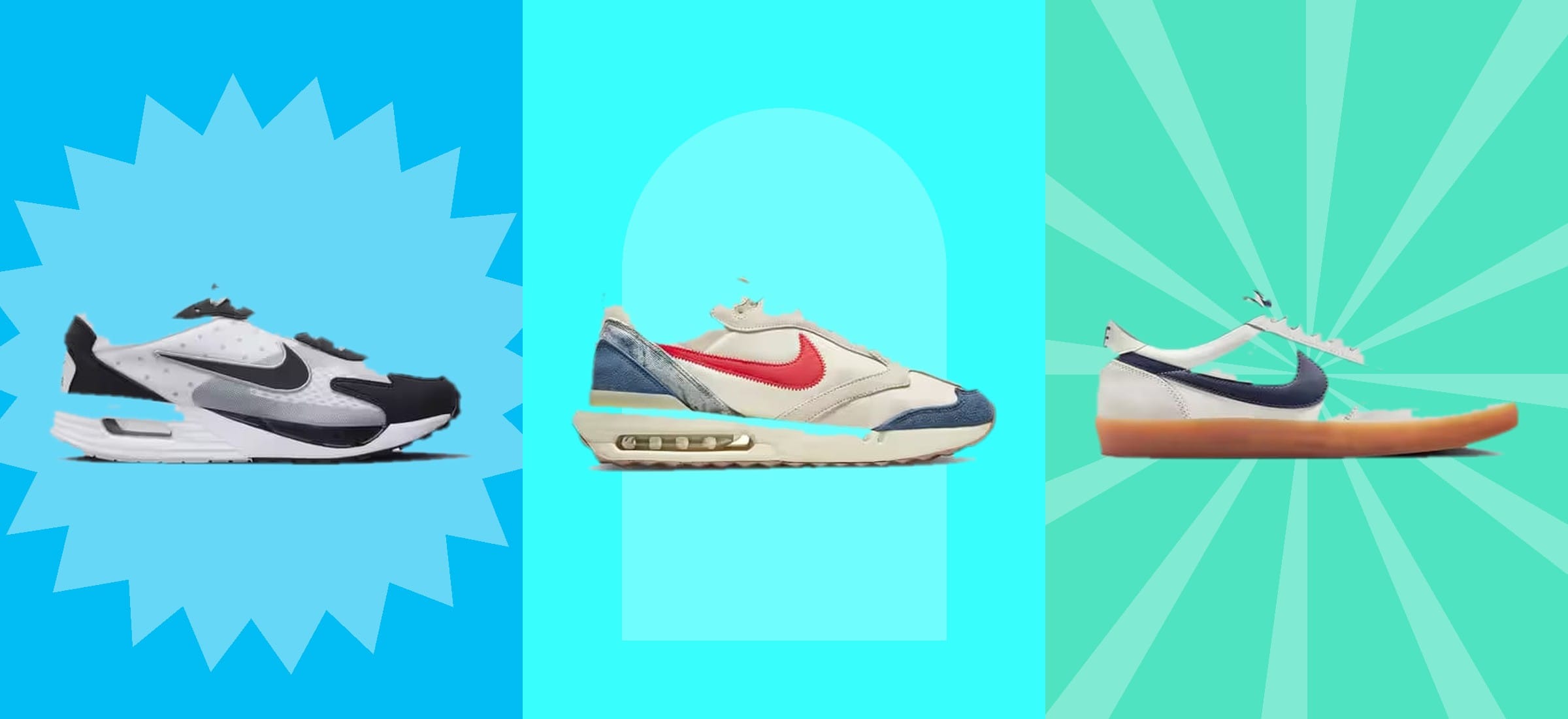
In July 2026 AJIO's Nike wall priced at a flat 50% off and we swept 332 listings to build this page. That event has ended. Re-swept on August 6, 2026, the same wall runs 15-35% off — the house rate is 30%, only four picks cut deeper, and two cut shallower than we would normally publish. Several items cost more than they did six weeks ago: the Air Zoom Pegasus 40 has gone from Rs. 5,948 to Rs. 8,327. Four picks sold out and have been replaced. What remains is still a usable map of the wall — the Ebernon Low white sneaker at Rs. 3,497, the Court Royale AC at Rs. 3,147, a printed tee at Rs. 1,167 — but it is a normal-pricing map, not an event one, and this edition says so on every card.
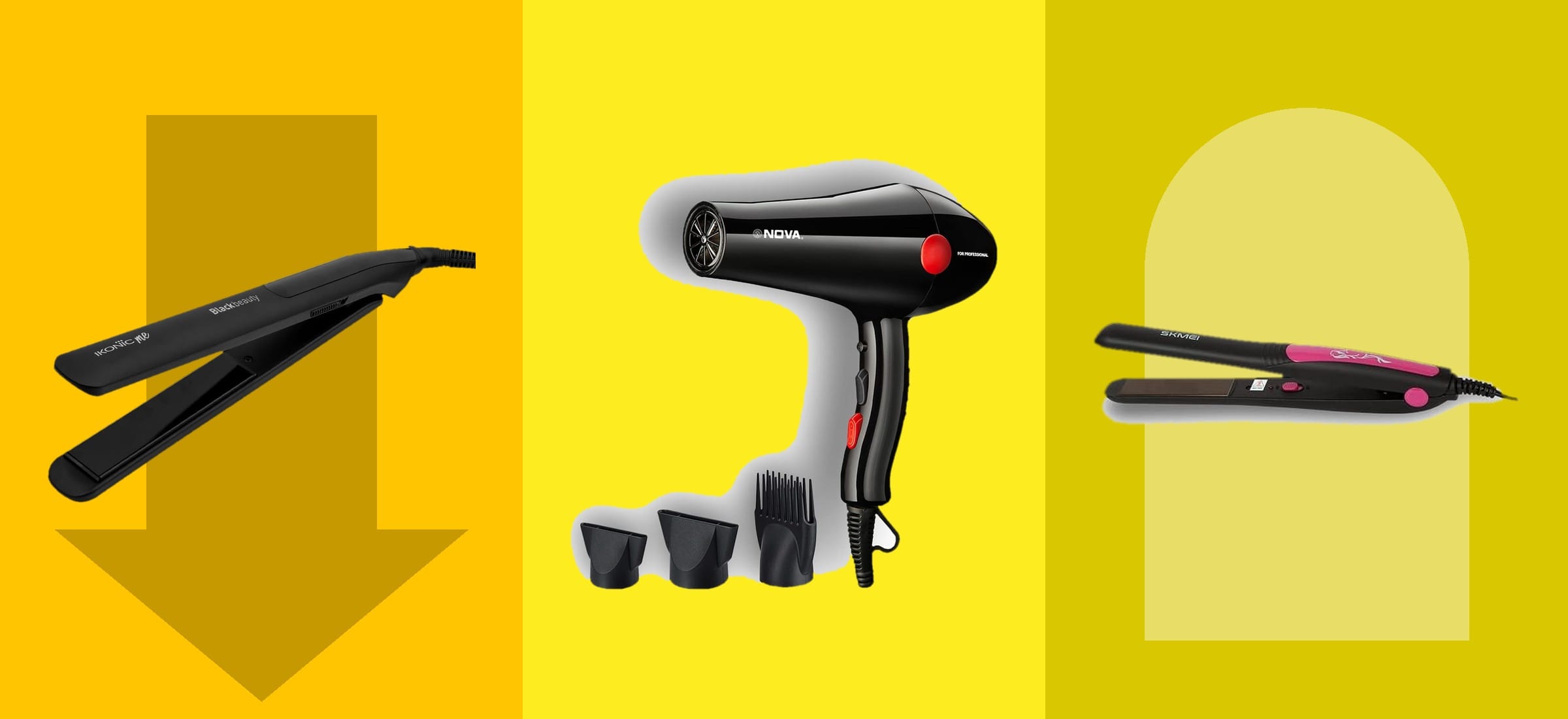
We read Amazon's own search results for hair dryers and hair straighteners on 19 August 2026, which returned 60 unique listings carrying both a price and a stated MRP, and seated 24 of them under Rs. 2,000. Two things run through the page. The first is that a rating count on this aisle is not always the product's: Havells' Rs. 999 HD3151 dryer and its Rs. 1,999 styling dryer both report exactly 67,312 ratings at 4.3, because Amazon pools reviews across a brand's variant family. The second is that the smallest discounts belong to the strongest listings - VEGA at 14 per cent off a stated Rs. 899 with 11,035 ratings, Philips at 15 per cent off Rs. 995, AGARO at 16 per cent off Rs. 899 - while a Rs. 649 Nova straightener states an MRP of Rs. 2,395 and a Rs. 1,809 Havells brush states Rs. 3,695. The specifications that actually change the experience are wattage and motor type, and only two dryers here, both at about Rs. 1,500, use the AC motors that salon dryers use.
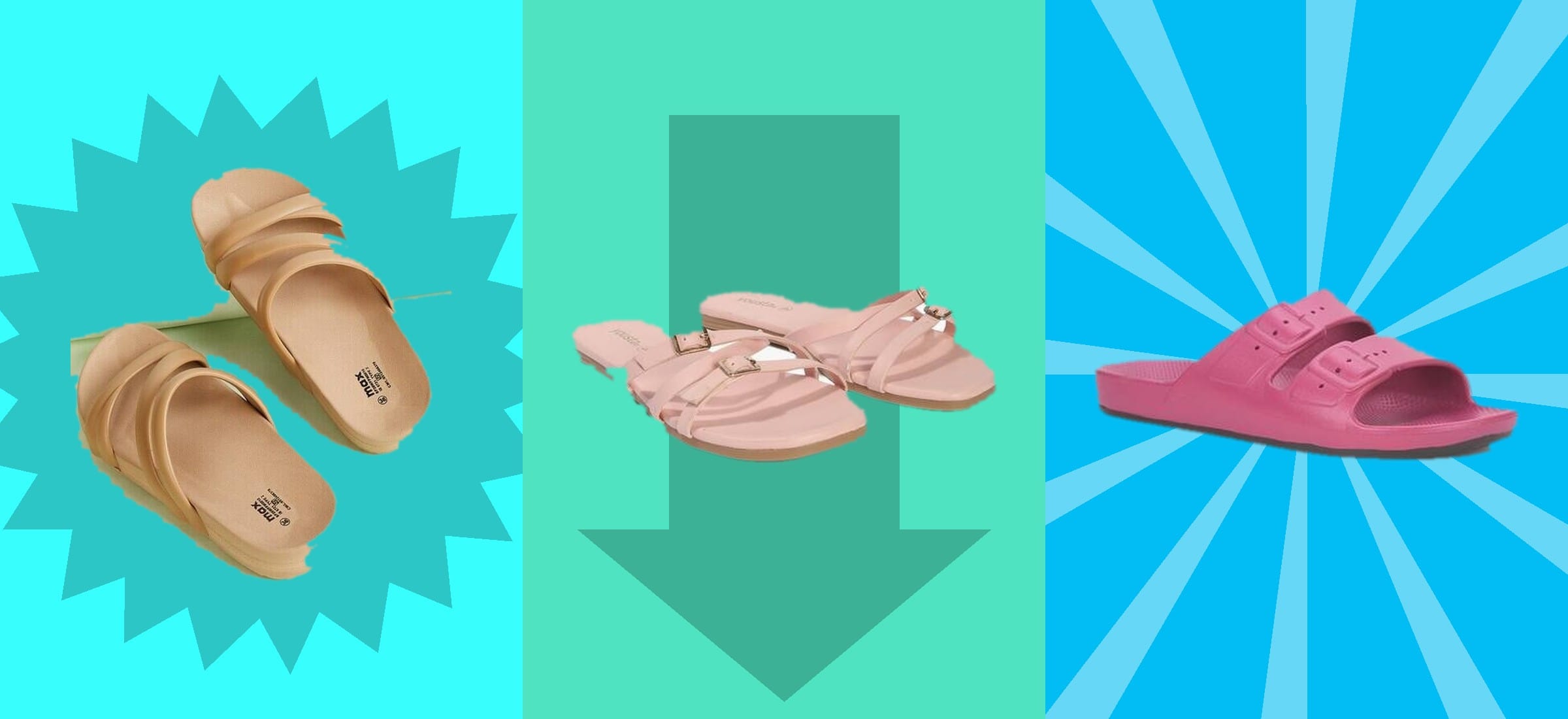
We read AJIO's own catalogue on 19 August 2026 across three queries - women's sandals, women's flats and men's sandals - which returned 213 rows, of which 118 sit under Rs. 800 with both a price and a stated MRP. Twenty-four are seated here. What the full pool shows is that on this shelf the price is a tier rather than a product. Ten different sandals from SHEZONE and Shoetopia sell at exactly Rs. 560, and every one of them states an MRP of Rs. 1,999. Six more sell at exactly Rs. 460, all stating Rs. 1,999. Three sell at Rs. 520, all stating Rs. 1,999. Nineteen shoes, three prices, one list price. On the same shelf the Lifestyle-group house labels behave completely differently: MAX, Bata, Ginger and Campus state Rs. 399 to Rs. 799 and discount by 8 to 30 per cent - and a MAX braided flat at Rs. 559 sits one rupee below the ten-listing tier while claiming a third of their MRP.
We read Myntra's own listing data across four women's ethnic paths on 20 August 2026 - anarkali-kurta, kurta-sets, ethnic-dresses and lehenga-choli - which returned 53 adult listings carrying both a price and a stated MRP, and seated the 22 that sell under Rs. 1,000. The finding that shapes the page is how little the badge describes the garment. Everything seated here sells between Rs. 434 and Rs. 999, a spread of Rs. 565, while the MRPs printed behind those prices run from Rs. 699 to Rs. 4,599. Two unrelated sellers state exactly the same Rs. 2,999 MRP behind garments priced seven rupees apart. The smallest claim on the page, 10 per cent, belongs to a Rs. 628 dress whose seller says it lists at Rs. 699; the largest, 86 per cent, sits on a Rs. 658 cotton kurta with 7,804 ratings at 4.1. Meanwhile the two largest crowds in the read - 16,204 and 16,178 ratings - sit at Rs. 910 and Rs. 620, and one seated listing publishes no rating at all.
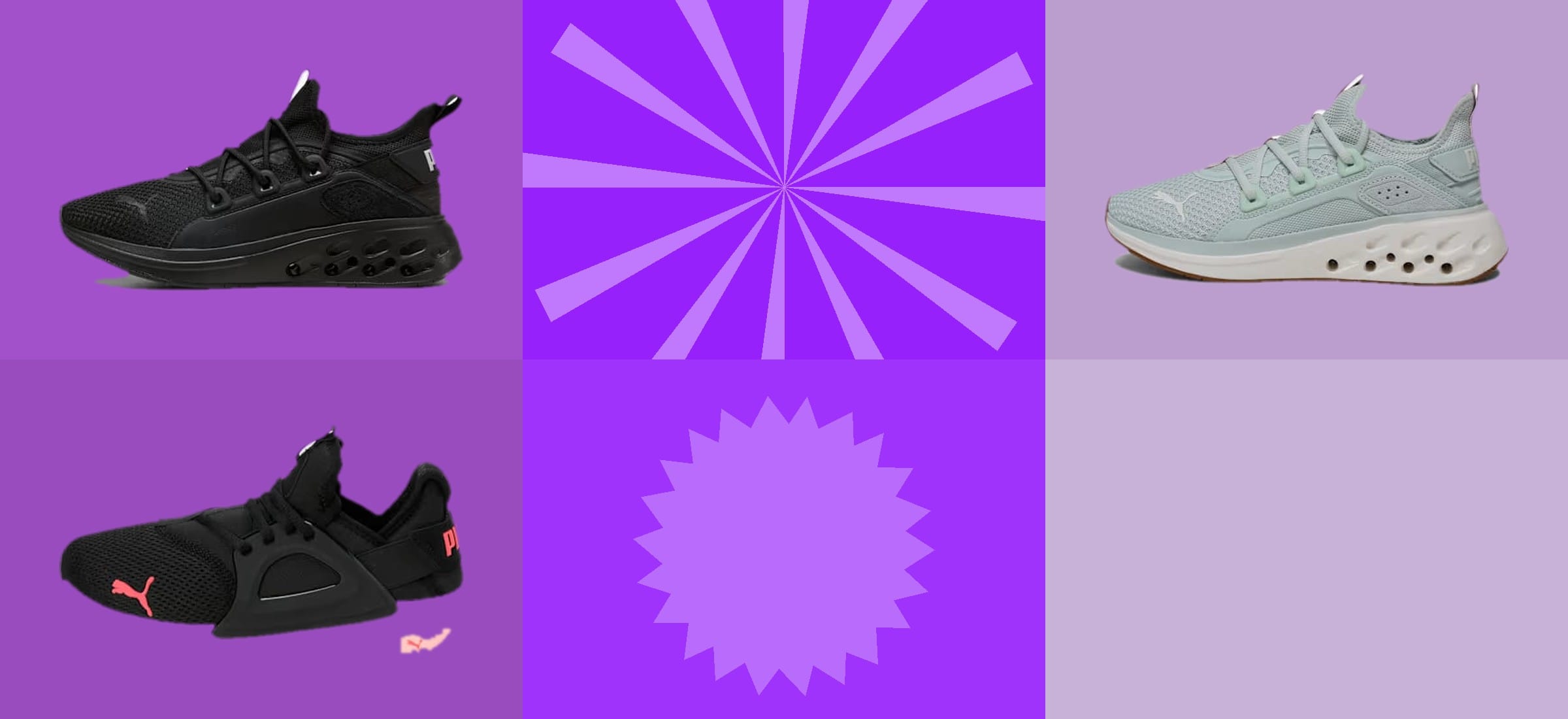
Puma India's End of Season Sale ran through July with a flat 40% off banner and rack cuts reaching 56%. That window has closed. On August 4, 2026 we went back to in.puma.com and re-read every one of the 21 shoes from our original sweep against its unchanged MRP — and the picture is genuinely mixed. Four picks never moved: the BMW M Neo Cat and Drift Cat at 55%, the women's Smashic and the Carina Slim Perf at Rs. 2,024. Others snapped back hard: the women's Softride Frequence went from Rs. 3,149 to Rs. 5,599, the Fade Pro from Rs. 4,799 to Rs. 7,199, the Deviate NITRO Elite 3 from Rs. 13,999 to Rs. 16,999. This is the post-sale price sheet, with the wait-for-the-next-window picks named as such.
Adidas India's End of Season Sale is live on adidas.co.in, and the outlet racks behind it price in two clean bands: flat 50% on the volume wall, 30-40% on the icons. We swept the live outlet on July 23, 2026 and kept 21 picks that earn a slot — every one carrying its real direct-store rating and review count: the Samba OG at a rare 30% off, the 1,975-review Galaxy 7 runner at Rs. 4,410, the Dropset 4 lifting flagship, a 4.9-rated Messi 2006 heritage jersey in a World Cup year, and a budget shelf that starts at Rs. 780. Roles, not rankings: the icon, best overall, the collector's pick.
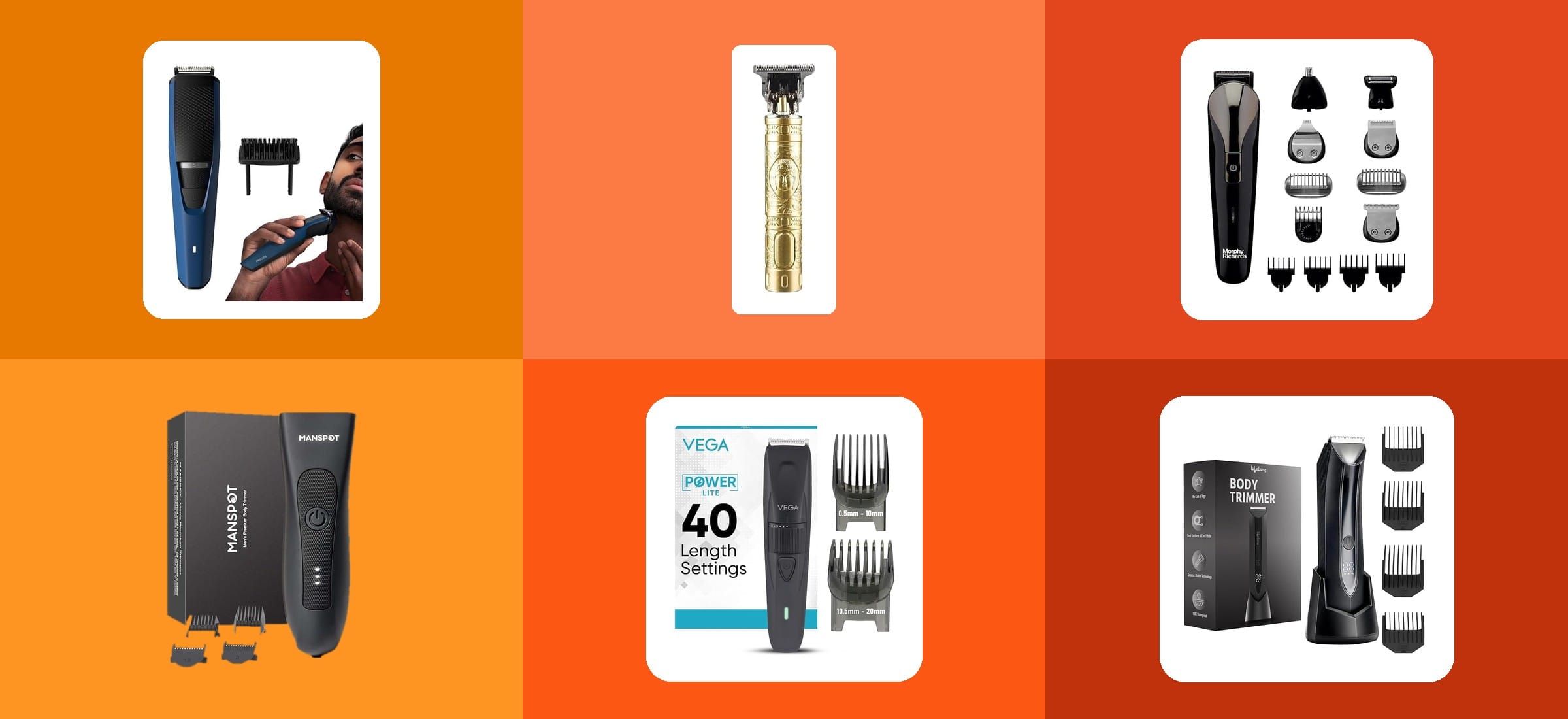
We read Amazon's own search results across three trimmer queries on 20 August 2026 - beard trimmer for men, trimmer for men philips, body groomer men - which returned 90 rows and 67 unique products. Thirty-eight carried a price, a stated MRP and a price at or under Rs. 2,000, and 22 are seated here from Rs. 86 to Rs. 1,997. Two findings shape the page. First, two pairs of listings share a rating count exactly: Lifelong's Rs. 643 beard trimmer and its Rs. 999 body trimmer both show 4.0 from 20,240 ratings, and Philips's Rs. 1,399 and Rs. 1,675 trimmers both show 4.2 from 7,630 - Amazon pools ratings across variants of a parent listing, so the crowd behind a product is often not the crowd behind that product. Second, the badge runs opposite to the evidence: the four largest badges, at 91, 77, 75 and 75 per cent, sit on listings with 6, 153, 20,240 and 105 ratings, while Philips, which owns the four largest rating counts here, never claims more than 33 per cent off.
We rendered MakeMyTrip's own offers page on 20 August 2026 and read 78 live offer rows from it, fifteen of which print a coupon code on the tile itself. Ten of those fifteen are bus codes, and four of the ten are tied to a region - MMTNORTH, MMTSOUTH, MMTWEST and MMTEAST - so the route you are booking decides which is available. Three bus codes state a flat figure: FLIX15 for 15 per cent off FlixBus, PRIMODAY for 10 per cent off Primo Bus and RTCNEW for 10 per cent off state transport buses, all running to 31 December. FIRSTHOMESTAY takes a flat 20 per cent off a first homestay booking and expires on 4 September, the largest quantified code on the page. Seven of the fifteen tiles name a code without naming a discount at all, which we have reported as stated rather than filling in. Flights carry effectively no coupon codes; the flight savings here are card offers and airline sales applied at the payment step.
We rendered GoDaddy's own India hosting and website-builder pages on 20 August 2026 and transcribed the plan cards exactly as they appear. Web hosting starts at Rs. 89.00 a month on the Starter plan, with Economy at Rs. 219, Deluxe at Rs. 329 and Ultimate at Rs. 399. Every one of those is a first-term price tied to a three-year commitment, which GoDaddy states on the card, alongside struck-through standard rates of Rs. 299, Rs. 599, Rs. 849 and Rs. 1,099 a month. Over the full term the four plans cost Rs. 3,204, Rs. 7,884, Rs. 11,844 and Rs. 14,364 - and twelve months of Starter at the standard rate costs Rs. 3,588, more than the entire three-year introductory term. The step from Starter to Economy is the one that matters for a first website: it adds a free domain, free email, an SSL certificate and 15 GB of storage for Rs. 130 a month. Website Builder tiers are Rs. 249, Rs. 599 and Rs. 899.
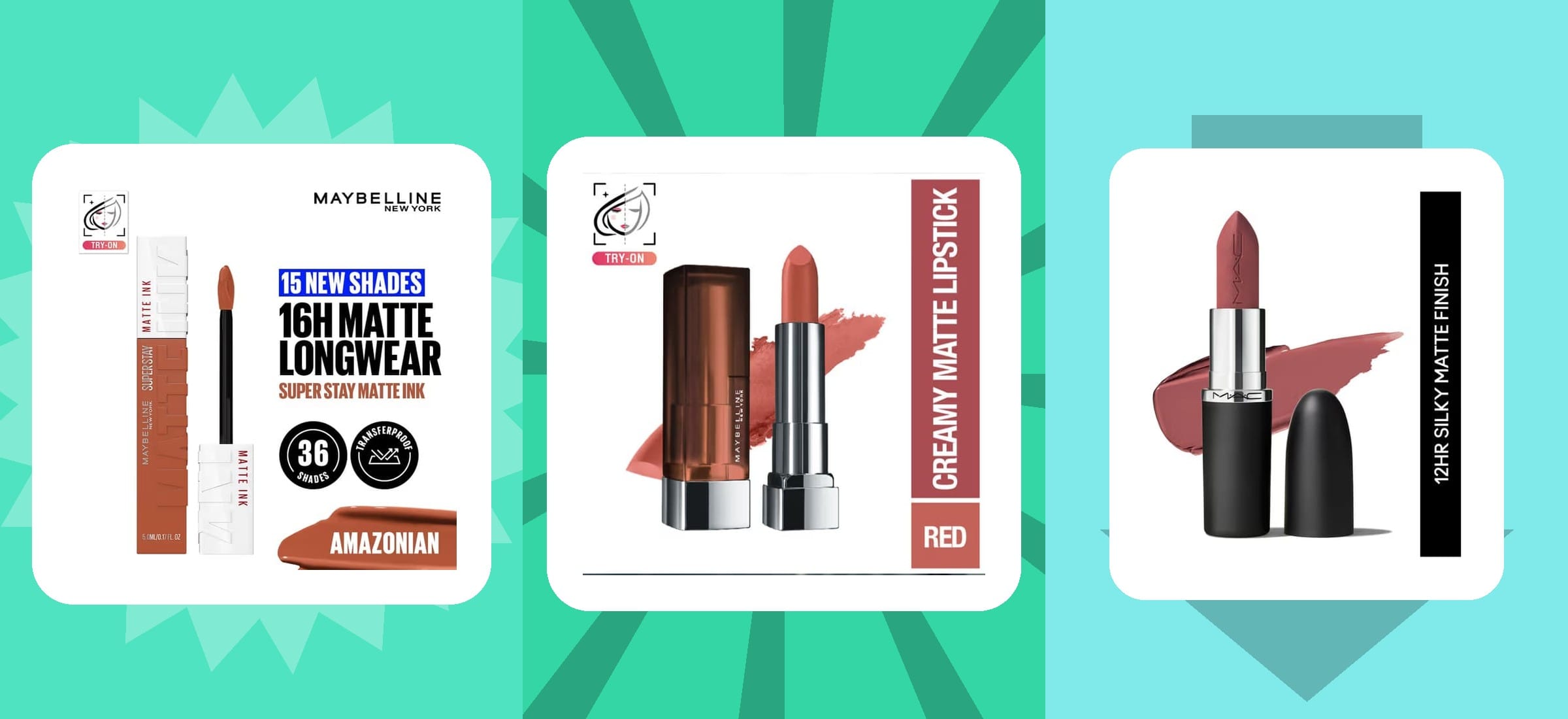
Nykaa's Hot Pink Sale is live with up to 60% off, and we swept the bestseller shelves to find the 22 buys that survive scrutiny — every pick carrying a live price pulled on July 22, 2026, its real MRP, and its actual Nykaa rating with the review count shown. The headline math: Lakme's 8.6-lakh-rating Powerplay foundation at a straight 50% off, Maybelline's 7-million-rating Creamy Matte at Rs. 214, a rare 30% cut on M.A.C, and Neutrogena's dermat-default sunscreen at a third off. Roles, not rankings: best overall, biggest steal, best gift under Rs. 600.
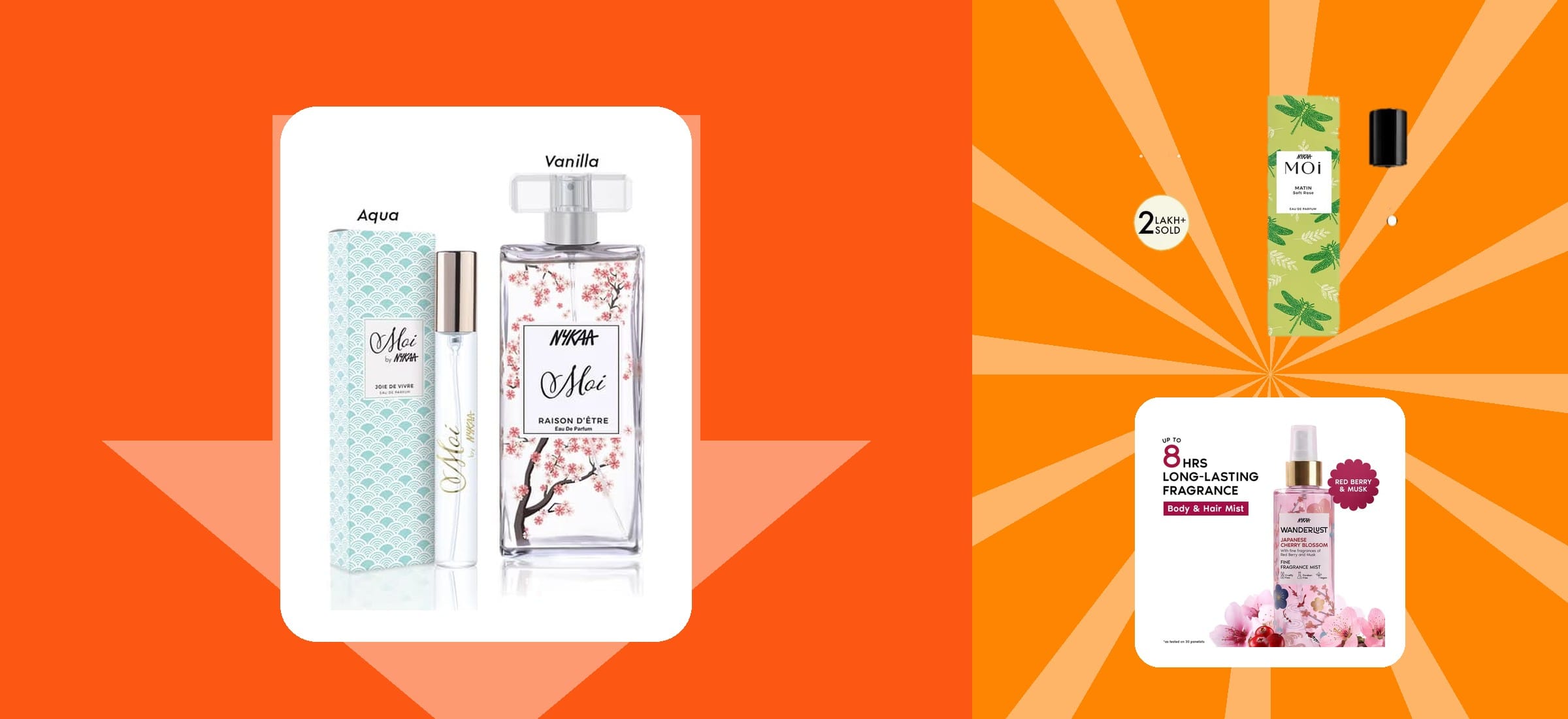
Fragrance is the most blind-bought category in beauty, which makes review volume the only spec that matters — and Nykaa's perfume wall carries crowds no other Indian platform can match. We swept it live on July 23, 2026 and re-verified every price on August 11: 16 picks with real ratings behind them, including the Moi discovery combo with 7.3 lakh ratings at 30% off, a Rs. 173 EDP with 94,000 reviews, Skinn's counter classics and an under-Rs. 250 rack for pocket-money buyers. The refresh overturned the original finding: Nykaa has pulled its house labels back to 10-35%, and the deepest cuts on the wall now belong to Bella Vita at 41-47%. Roles, not rankings: best overall, cheapest thrill, the date-night bottle.
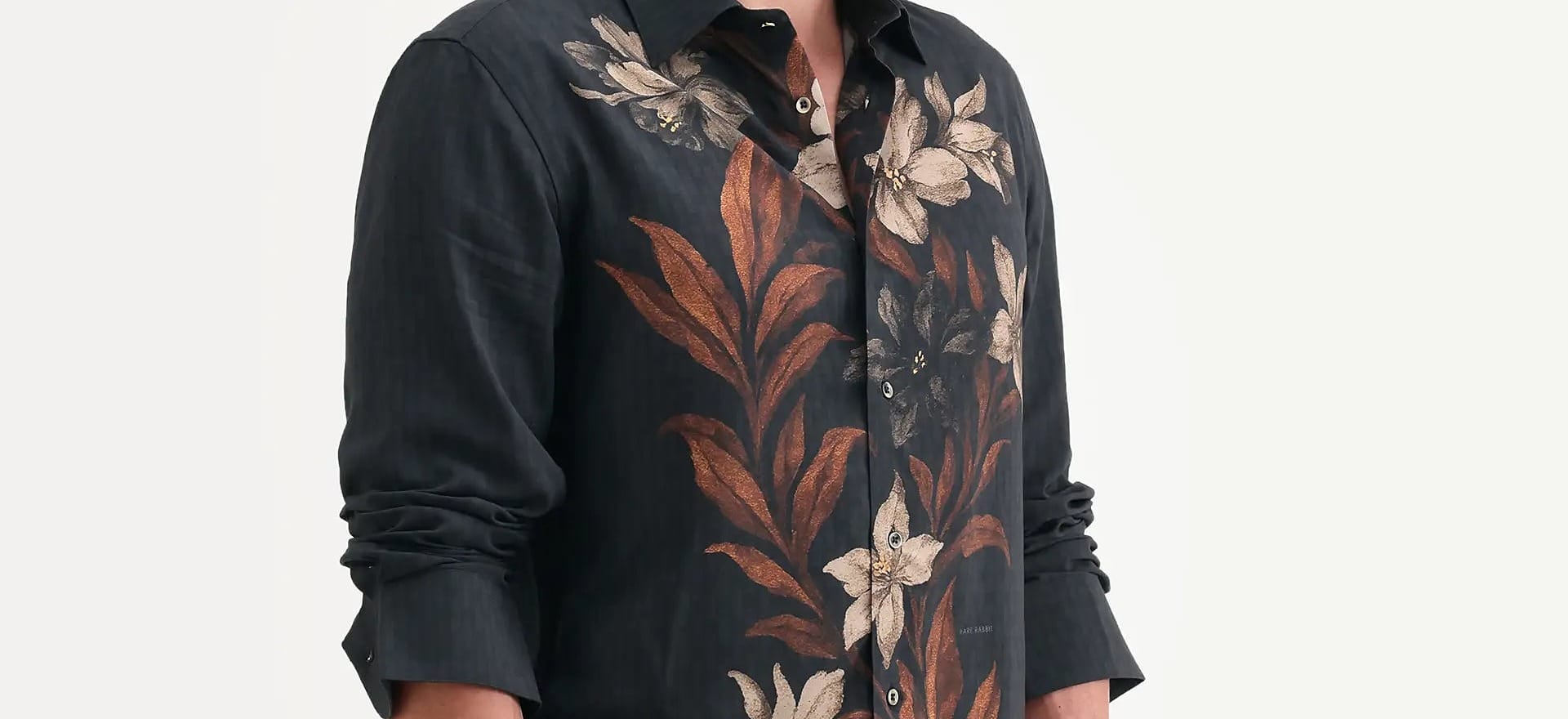
We read AJIO's own search responses for men's shirts on 19 August 2026 - 74 listings carrying a price and a stated MRP, 66 after removing repeated names - and seated 24 of them, from Rs. 240 to Rs. 1,850. The shelf sorts itself neatly, just not the way the badges suggest. An EYEBOGLER shirt selling at Rs. 275 states an MRP of Rs. 2,499, and a Hoodler at Rs. 325 states the same figure; on the same page, Louis Philippe sells at Rs. 1,356 and SELECTED at Rs. 1,850, so the list price claimed by the cheapest shirts here is higher than what the most established brands actually charge. Every recognisable label in the read carries a badge between 41 and 56 per cent, and AJIO's own DNMX claims the two smallest MRPs on the page at Rs. 899 and Rs. 1,199. AJIO publishes no rating or rating count on any of these listings, so this page ranks on price and on what each listing states about fabric, fit and collar.
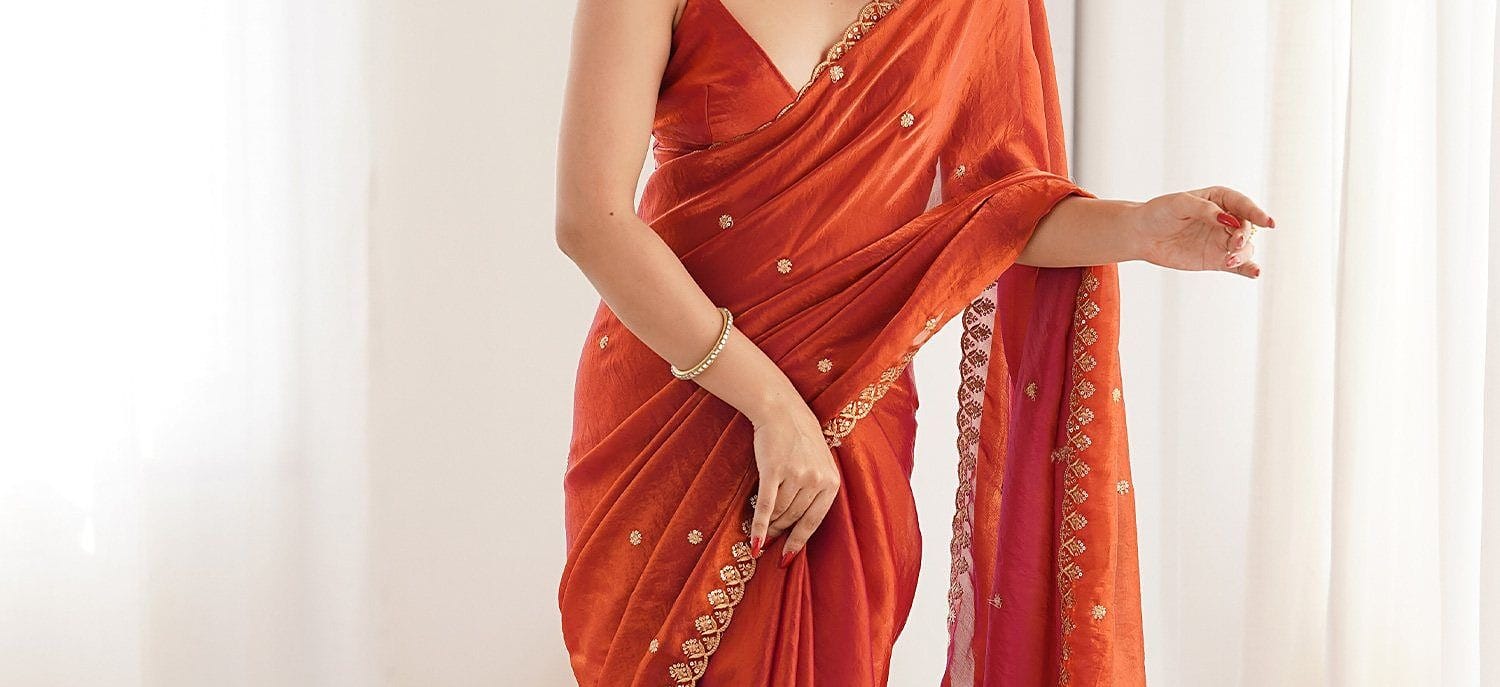
We read 41 sarees from Nykaa Fashion's own ethnic listings on 19 August 2026, priced from Rs. 700 to Rs. 3,015. Two listings thirty-five rupees apart explain the whole shelf: an Akhilam chiffon designer saree at Rs. 1,530 states an MRP of Rs. 8,999 and shows 83% off, while an Nyri bandhani georgette at Rs. 1,495 states Rs. 2,299 and shows 35%. The stated MRPs across the shelf run from Rs. 1,369 to Rs. 9,999 while the selling prices sit in a much narrower band, so the badge is measuring the seller's list price rather than your saving. Thirteen sarees are under Rs. 1,500. Thirty-nine of the 41 arrive with an unstitched blouse piece - fabric, not a garment - which is a tailoring bill the listing price does not cover, and three include no blouse fabric at all. Nykaa Fashion published no rating or rating count on any of the 41, so there is no crowd to check these against.
We read 47 Tata CLiQ listings on 19 August 2026, 32 of them sunglasses, priced from Rs. 720 to Rs. 12,231. The shelf sorts cleanly once you stop reading the badges as savings. Every Ray-Ban listing in the read sits between 10% and 30% off, on stated MRPs of Rs. 6,390 to Rs. 13,590, because Ray-Ban enforces its pricing across Indian retail. The marketplace-only labels - Ted Smith, Resist Eyewear, John Jacobs and Lenskart's Vincent Chase - run 50% to 76% off stated MRPs of Rs. 1,999 to Rs. 6,000 and land between Rs. 720 and Rs. 1,999, because those brands set both numbers themselves. Nine of the 32 listings are at or under Rs. 1,000. Ratings are thin: eleven listings publish no rating count at all and several more sit in single digits, so this page reports every count alongside its average. The watch aisle in the same read behaves identically - Seiko at 10% off, French Connection claiming 76%.
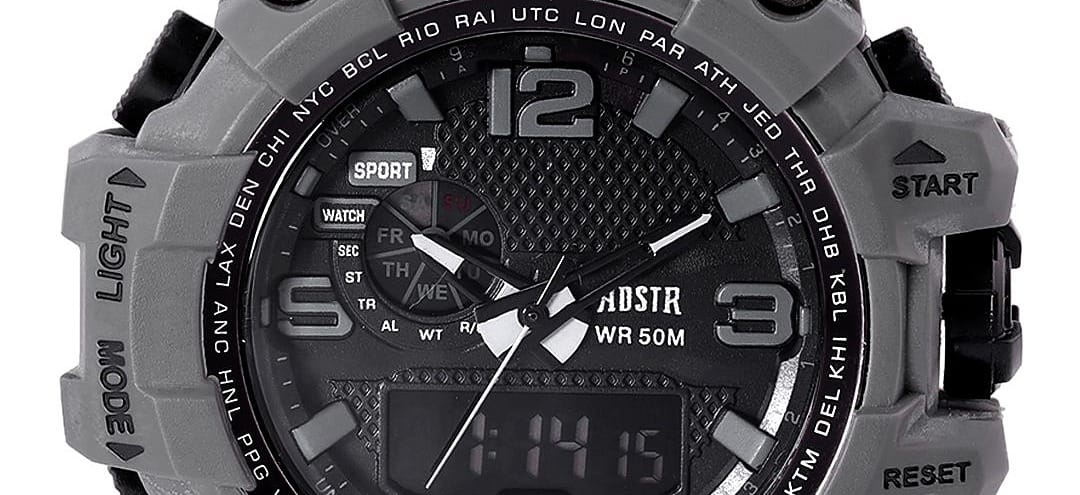
We read Myntra's own listing data across four watch paths on 19 August 2026 - watches pages one and two, men-watches and women-watches - which returned 89 listings carrying a price and a stated MRP, and seated 22 of them under Rs. 2,500. The story on this shelf is the evidence rather than the discount. A WROGN silver-toned analogue at Rs. 695 carries 16,102 ratings at 4.4, its black-dial sibling at Rs. 831 another 7,458, a Roadster ana-digi at Rs. 689 has 2,435 and a Mast & Harbour at Rs. 759 has 1,131 - while six listings in the same price band, including a Rs. 999 two-watch gift set and a Rs. 1,209 steel-bracelet watch, publish no rating at all. The badges point the other way: the biggest, 87 per cent, belongs to a smartwatch stating a Rs. 17,999 MRP with the lowest average on the page, and the smallest, 17 and 19 per cent, belong to the two Fastracks - the only mainstream watch brand here and the only one whose MRPs are credible.