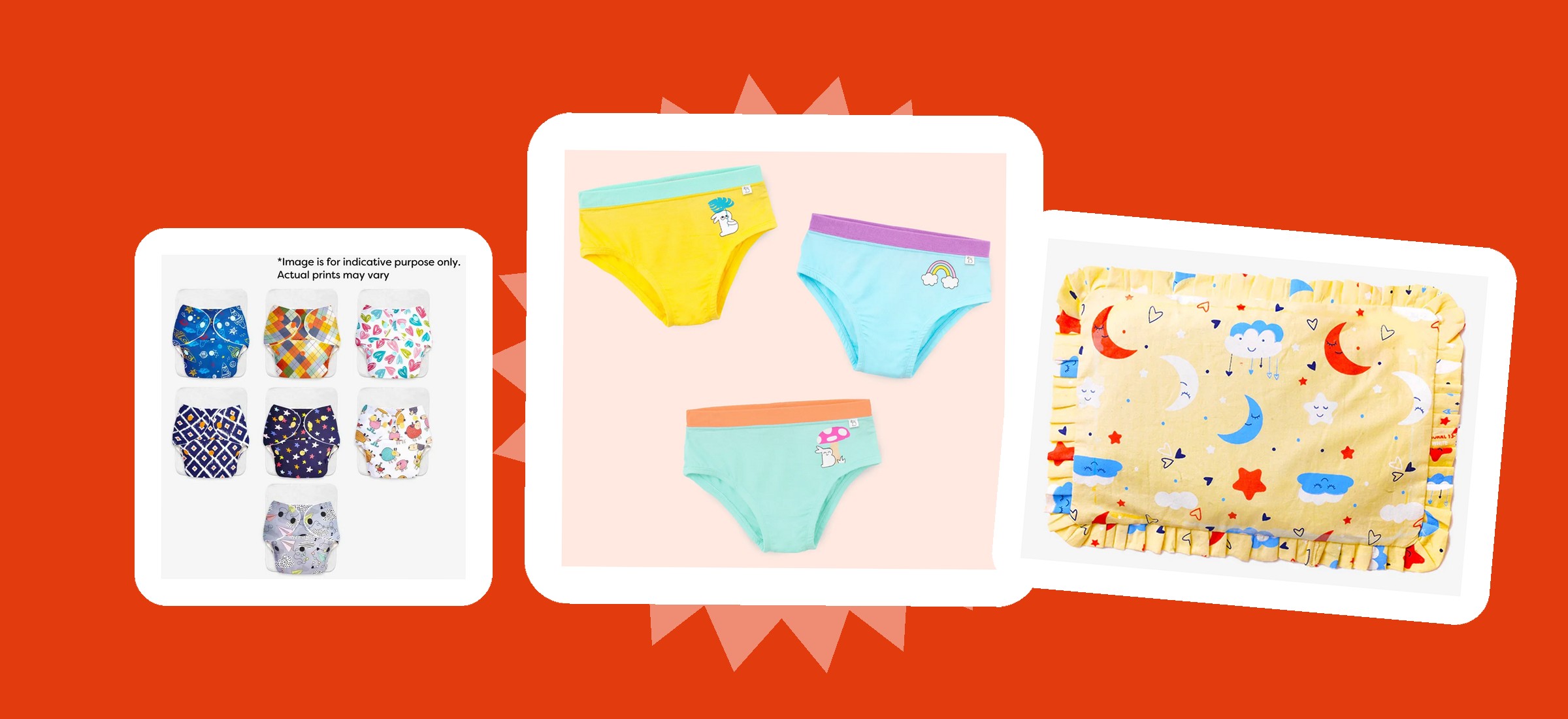
We read SuperBottoms' privacy policy first-party on 10 October 2026 and compared it with four other Indian D2C privacy pages the same morning. Two clauses stand out. "Generally, you may not opt-out of service related communications ... If you do not wish to receive them, you have the option to terminate your account." And a defined category called Select Partners, with whom the brand "might share and cross-reference information, including personal information about you that will enable such persons or entities to contact you" — none of them named. The collection list also covers people you have shipped gifts to, though a referred friend is given a removal route. What it does best: the clearest payment clause we have read — no cards, wallets, UPI or net banking captured — and a grievance officer named as a person. Not legal advice.
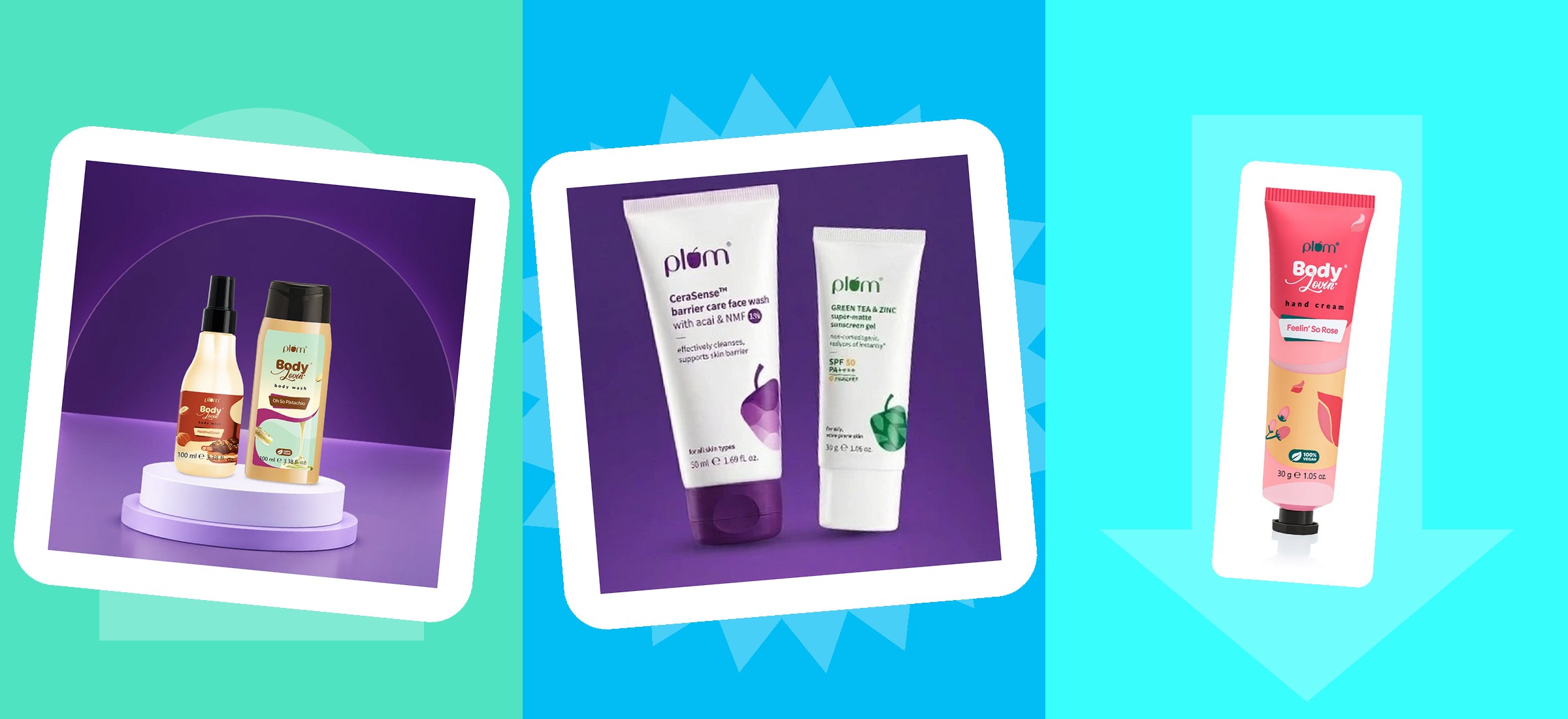
We read Plum's user agreement first-party on 10 October 2026 at plumgoodness.com/policies/terms-of-service. The exit clause is the one to find: "You may terminate this User Agreement at any time by informing us in writing through Indian postal system by registered post" — from a brand that sells, ships and answers entirely online. Plum's own right is to terminate "immediately without notice". Elsewhere: the agreement runs "for an indefinite period" and may change "without any obligation to inform you"; reviews and ideas "shall be and remain our property"; and "We cannot confirm the price of a product until after you order". Credit due, and it is substantial: Plum states flatly that it does not let other companies advertise to you and does not give personal data to advertisers. Published terms only; not legal advice.
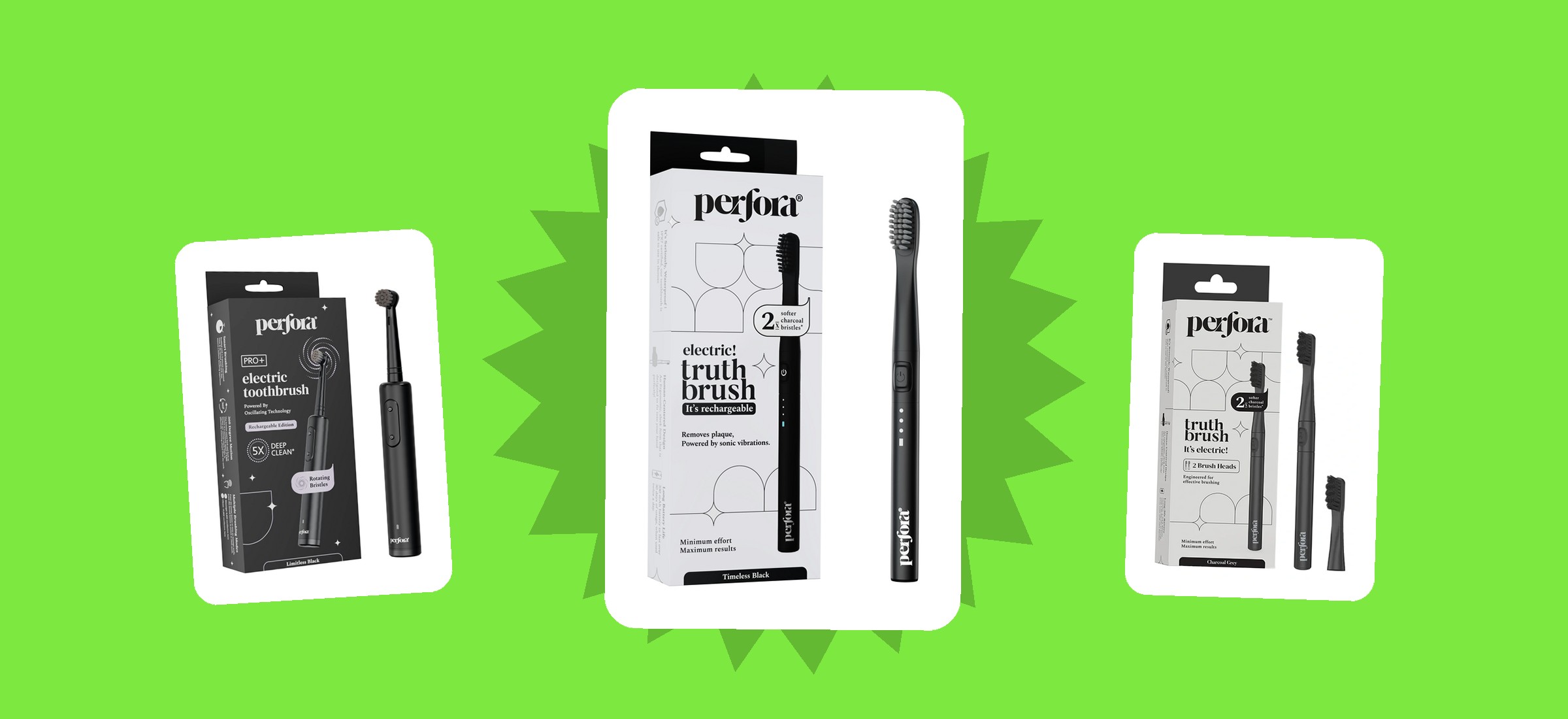
We read Perfora's refund policy first-party on 10 October 2026. The sentence that decides everything: "we do not provide cash refunds for Cash on Delivery or Prepaid orders" — a return produces "a Perfora Gift Card sent to your registered email on the day of order pickup", as a code with lifetime validity. What qualifies is narrow: a "full priced (non-discounted) electronic product ... unopened, unused and returned within 15 days". Toothpaste and mouthwash are excluded on hygiene grounds, and sale orders get no returns, refunds or exchanges at all. A warranty claim brings a replacement, never money. And Perfora's terms page describes a bank NEFT/RTGS refund instead — two published documents, two answers. Published policy only; not legal or dental advice.
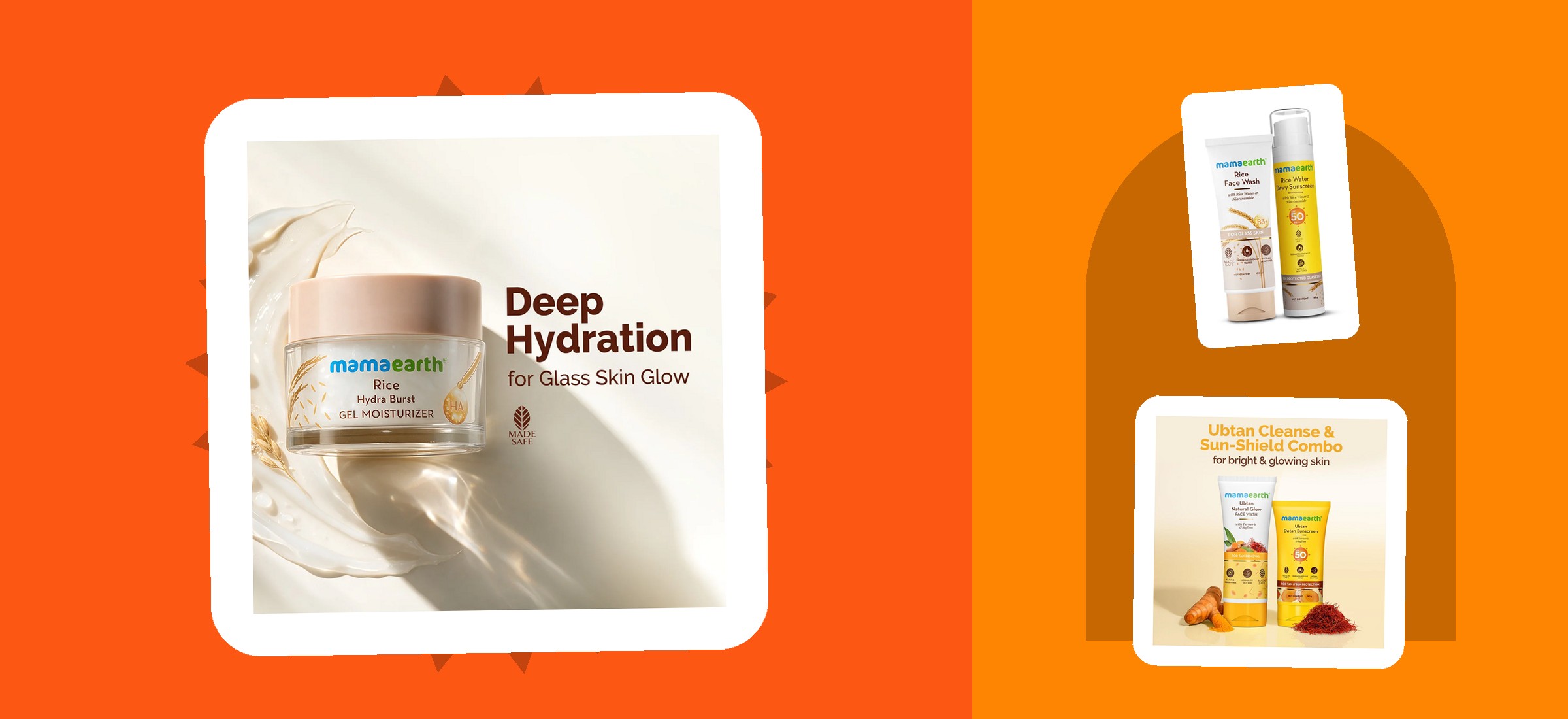
We read Mamaearth's terms and conditions first-party on 10 October 2026 — the site is operated by Honasa Consumer Limited. Delivery gets a real number: "Delivery usually takes 5-7 business days", and if it slips you are emailed a reason and may "cancel the ordered Product or wait", with no liability "to pay for any damage or loss". Two clauses are sharper. The chat window: "the user of such service will not have the right to access such information". And resale: products "and any samples thereof ... are for personal use only" — the free sachet included. Credit where it is due, and it is substantial: Mamaearth names a Grievance Officer, with an address and working hours, which most of its peers do not. Published terms only; not legal advice.
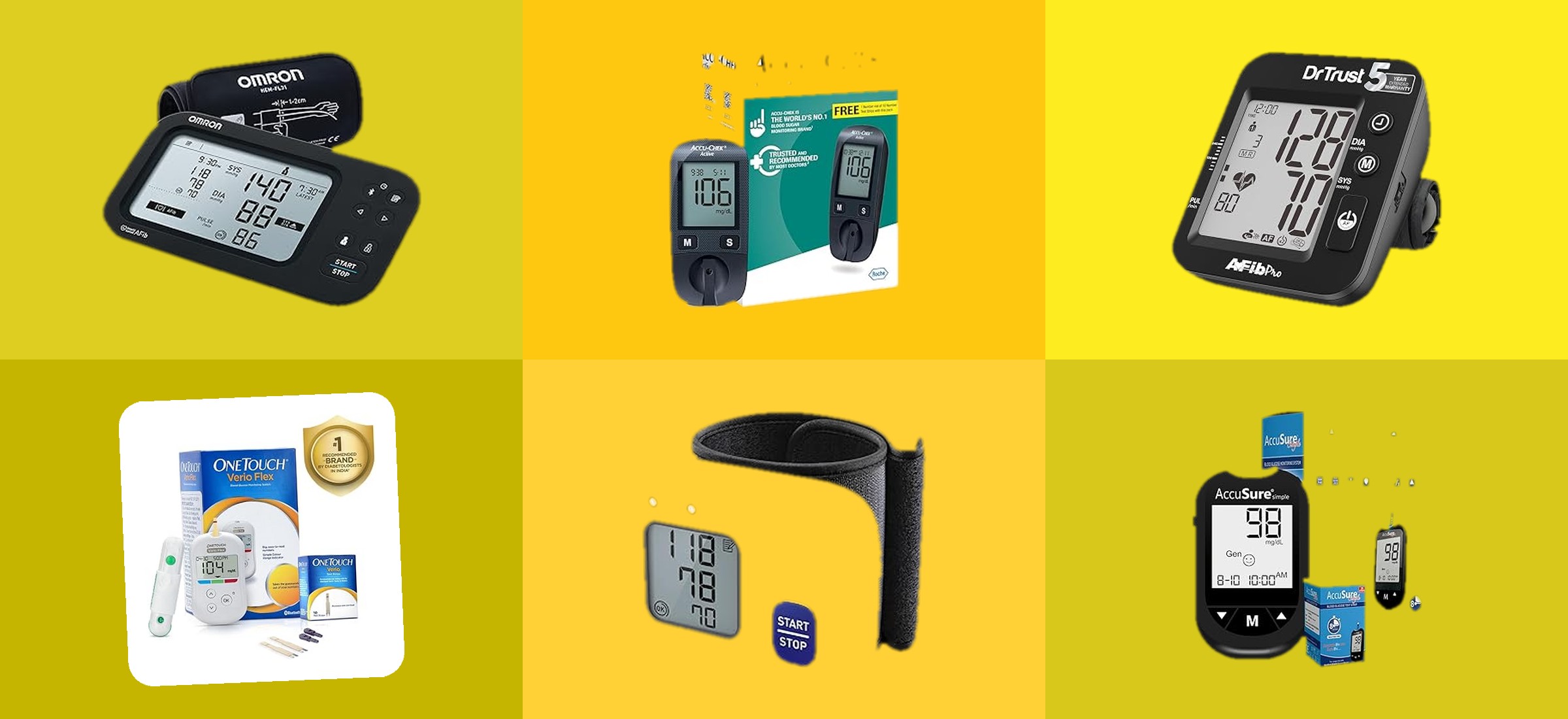
A discount badge on a health device is computed from a number the seller chose, so we counted who chooses which. Amazon's BP monitor, glucometer, nebulizer and first-aid results read on 10 October 2026: 113 rows, Rs. 123 to Rs. 7,040. The 42 rows from Omron, Accu-Chek, Contour, OneTouch, Beurer and Dr Morepen badge a median 29%; the other 71 rows badge a median 54% — and the second group's median price is lower, at Rs. 849 against Rs. 1,036. Exactly two listings badge 90% or deeper, and both state an MRP precisely 100.00 times their selling price. Twenty-one listings state a bundled test-strip count; those counts run 10, 25, 50 and 100, and no refill price appears anywhere on the shelf.
Nobody reads a marketplace privacy policy, so we read Flipkart's first-party on 9 October 2026. One sentence does not read like the others: "We and our affiliates will share / sell some or all of your personal data with another business entity should we (or our assets) plan to merge with, or be acquired by that business entity" — "will", not "may", and "sell", not "transfer". A named section confirms Plus bundled benefits share "name, email address, and mobile number" with partners "including Netflix" for outreach by SMS, Email and WhatsApp. Behavioural insights may go to partners for "other commercial purposes". Credit where due: a named Grievance Officer, a working opt-out link and a published Analytics opt-out. Published policy only; nothing here is legal advice.
We read amazon.in/greatindianfestival first-party on 9 October 2026, the day Flipkart opened Big Billion Days to everyone. The split is odd: 99 product tiles carry a live "% off Great Indian Festival" badge, from 5% to 98%, median 55% — and the page publishes no start date, no end date, no countdown and no notify-me. The word "October" appears only in its SEO keyword blob, which is not an announcement. Of the 30 tiles with full price data, 22 are personal care, prices run Rs. 57 to Rs. 999, and not one is Rs. 1,000 or more. All 30 are plain "BEST_DEAL" tiles: no lightning deals, no timers. We update this page the day Amazon names a date.
We read Myntra's saree shapewear shelf on 9 October 2026: 32 listings priced Rs. 448 to Rs. 899, a range of just Rs. 451, with badges running 0% to 77%. Sixteen of the 32 are TWIN BIRDS and every one is badged 0% — selling price equals stated MRP — while carrying the shelf's biggest review pools, up to 10,614 ratings at 4.5 stars. The other 16 badge a median 68%. And they cost the same: median Rs. 699 against Rs. 668. Three listings sell at an identical Rs. 699 badged 60%, 30% and 0%. Two listings eight rupees apart are badged 25% and 70%. We also show which big rating counts are pooled across colourways.
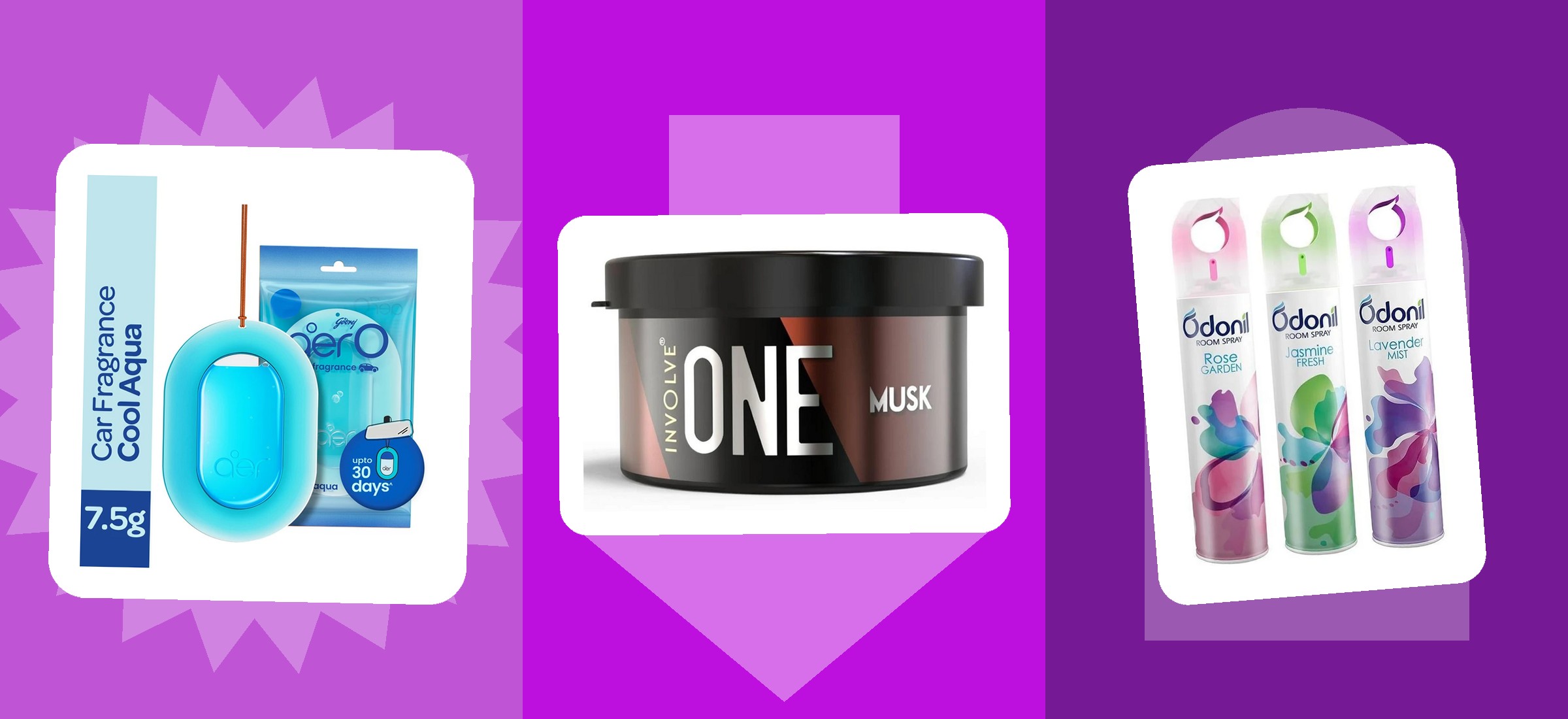
We read Flipkart's air freshener shelf on 9 October 2026, day two of Big Billion Days: 194 rows, 162 unique listings, Rs. 64 to Rs. 1,566, median Rs. 234, with badges from 0% to 91%. Split by brand, the shelf sorts cleanly. The 69 listings from Godrej Aer, Odonil, Airwick, Ambipur and Involve badge a median 30% at a median Rs. 249, with a median 1,421 ratings. The other 93 badge a median 54% at Rs. 215, with 234 ratings.Twenty-four points of badge buys thirty-four rupees. We also tested the tidier claim — that deep badges mean thin review pools — and it does not hold: 525 ratings against 484.
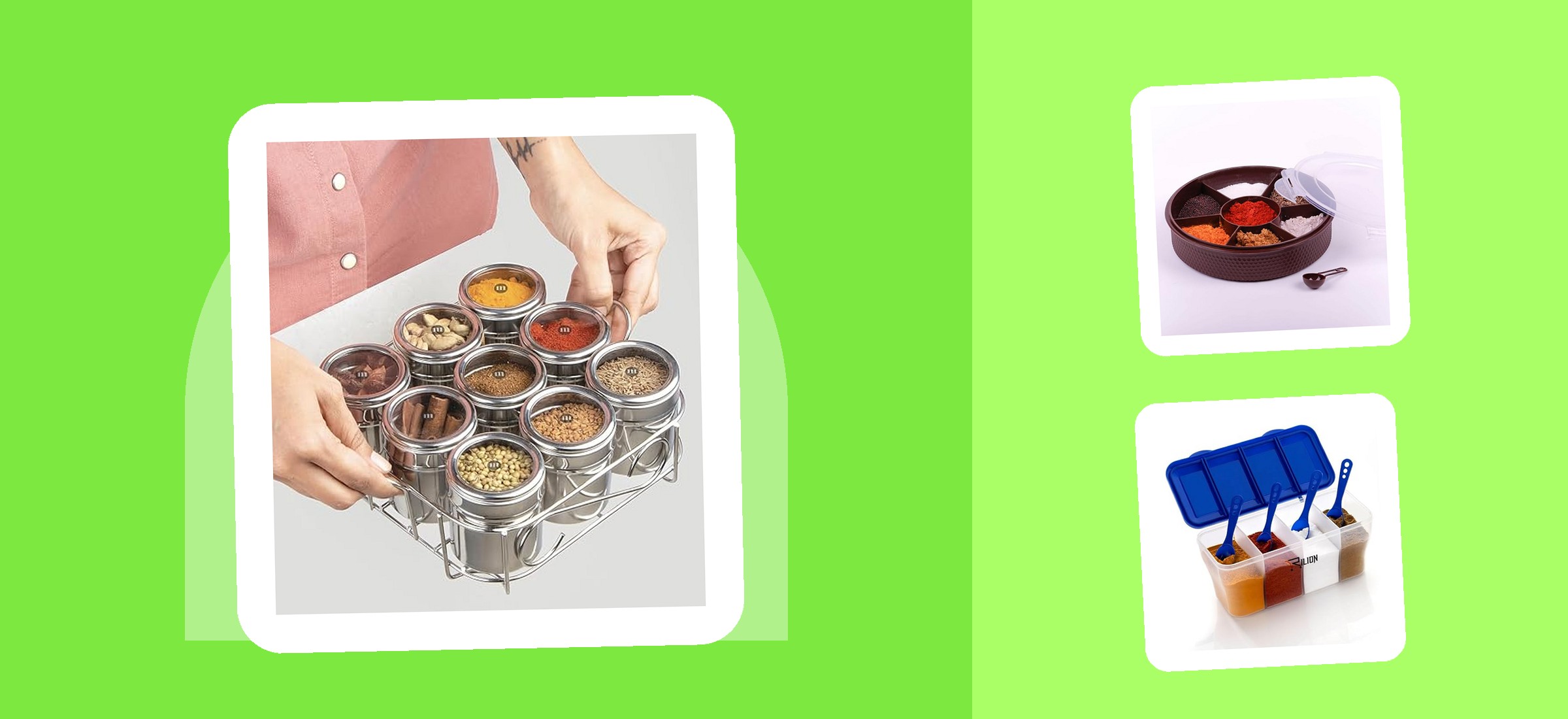
A masala box's price tells you almost nothing until you divide it by the number of compartments. We read Amazon's shelf on 9 October 2026: 90 rows, 75 unique listings, Rs. 89 to Rs. 1,661, median Rs. 399. Forty-one state a section, piece or tier count in their own title, and dividing by it puts a compartment anywhere from Rs. 15.9 to Rs. 499.5, a span of 31 times, median Rs. 66. Two listings at an identical Rs. 147 are badged 26% and 71%. And 16 of the 75 print an MRP that cannot be a list price — two exactly 100 times the selling price, fourteen below it — so we print no badge on the one we seated.
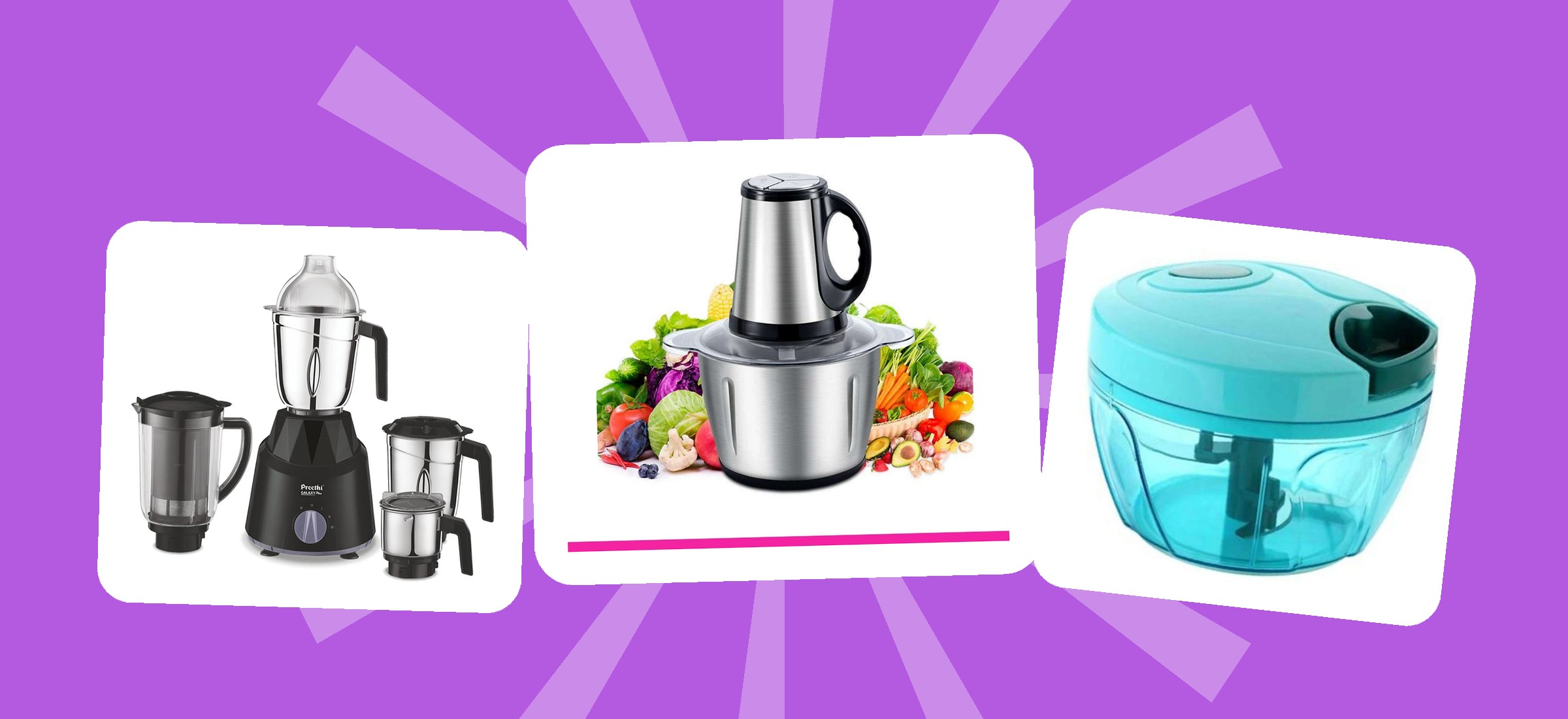
Big Billion Days opened to everyone on 9 October, so we read Flipkart's food processor shelf the same day: 169 listings, Rs. 63 to Rs. 29,959, median Rs. 478. 103 of them print a wattage. The eight that say 700 W all sell between Rs. 873 and Rs. 984. The seven that say 750 W start at Rs. 5,057 and reach Rs. 8,747. Fifty more stated watts, up to ten times the money — priced per watt the shelf runs Rs. 0.30 to Rs. 99.47. Along the way: one Bajaj FX11 listed four times at Rs. 6,530, Rs. 6,652, Rs. 6,749 and Rs. 7,566, three Preethi Zodiac tiles sharing a single 41,943-rating pool across prices Rs. 2,150 apart, and a Rs. 28,017 oil press the search box files under food processors.
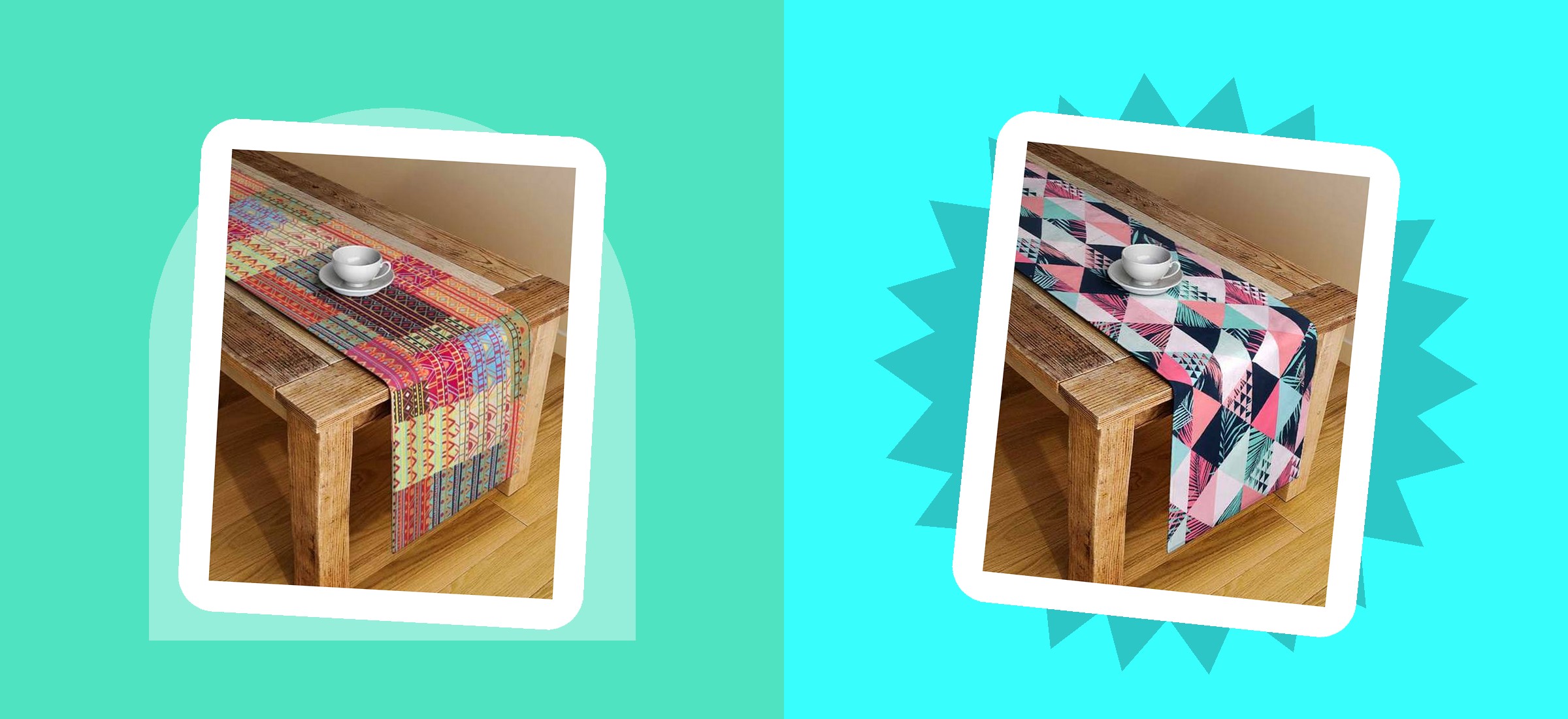
AJIO's All Star Sale is live, dated 7 to 18 October at a stated 50% to 90% off. We read its table runner shelf on 9 October: 40 listings priced Rs. 298 to Rs. 1,319, median Rs. 463, badged 10% to 85%. Alina Decor appears seven times — every listing at Rs. 300, every stated MRP Rs. 999, every badge exactly 70%. Seven designs, one price dressed as a discount. Meanwhile the 10 Home Centre and Fabindia runners badge a median 35% while costing a median Rs. 630 against Rs. 447 for everyone else — so here the shallow badges are on the dearer goods. Rs. 999 is the stated MRP on 12 of the 40, and AJIO publishes no rating on any of them.
Nobody reads a marketplace's terms of use, so we read Tata CLiQ's first-party on 9 October 2026. The sharpest line is a deadline: "Missing products claims will not be accepted after 3 days from delivery date" — and that window covers a missing product, a missing accessory, a missing freebie and a partly delivered order. Also inside: a PAN card is required above Rs. 2,00,000 or the purchase is "automatically cancelled", couriers make "a maximum of three [3] attempts", the platform is "only a facilitating link ... will not be liable in any manner", and Mumbai courts have exclusive jurisdiction. Credit where due: a first-party dark-patterns declaration. Published terms only; nothing here is legal advice.
We read Myntra's home fragrance, diffuser and aroma oil pages on 9 October 2026: 105 unique listings, Rs. 189 to Rs. 5,289, median Rs. 480. Two numbers run the shelf. Thirty-six listings carry no discount at all — every Iris, Nyassa, Fabindia, essancia and Isak tile in the read sits at its own stated list price, in the middle of sale season. And only 28 of the 105 publish a rating of any kind, with a median of eleven raters and a ceiling of 85. Cross the two and the shelf splits: of the 30 listings badged 55% or deeper, exactly two have been rated by anybody. The deep badges and the customer evidence are in different halves of the aisle.
Snitch sells a lot of shirts to people buying a size on faith, so we read its refund policy first-party on 9 October 2026. Three clauses do the damage. "REFUND / BANK TRANSFER ARE ONLY APPLICABLE FOR PREPAID ORDERS ... Payments made with COD option will receive store credit" — pay the rider in cash and your refund is a gift card. "A reverse shipment fee of Rs 100 will be deducted at the time of refund per order", once however many items go back, so consolidate. And "Any items purchased during a BOGO Sale ... will not be eligible for any returns" — the whole order, not just the free half. Plus a 7-day window, six never-returnable categories, and two contact clauses that contradict each other. Published policy only; nothing here is legal advice.