Croma Soundbar Deals August 2026: Prices From 40W to 1000W
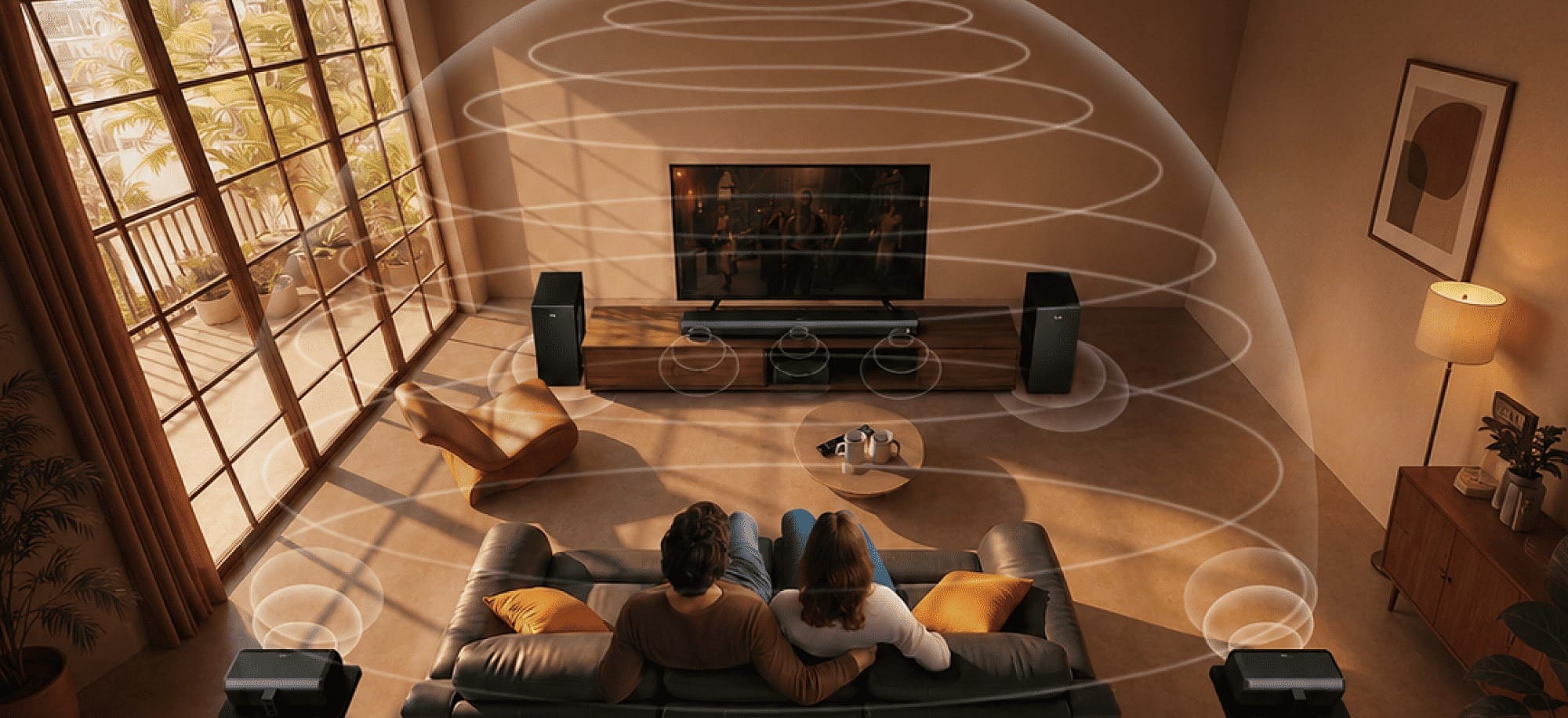
All 18 soundbars on Croma's shelf, read on August 6 and divided by the RMS wattage the retailer prints in every product name. The watt costs Rs. 27 at one end and Rs. 115 at the other, and the number tells you least exactly where it matters most.
Every soundbar Croma sells has a number in its name. Not a model number - a wattage: 10W, 60W, 100W, 250W, 300W, 600W, 810W, 1000W. It is the one specification on this shelf that appears on every single listing in the same units, which makes it the only thing a shopper can compare across brands without opening fourteen product pages, and it is almost certainly there because it sounds like it means something. So on August 6, 2026 we read all 18 soundbars and home-theatre systems Croma had listed and divided each price by its own headline number. The watt costs Rs. 27 at one end of the shelf and Rs. 115 at the other, with a median around Rs. 50 - a 4.3-fold spread on the figure the retailer chose to lead with. Some of that gap is real engineering: small amplifiers cost more per watt than large ones, and the dearest watts here belong to Dolby Atmos bars whose value is in fifteen discrete channels rather than raw power. But some of it is not. Two listings carry the identical 300W and are Rs. 4,891 apart, and the cheaper one has more channels. We read the same retailer's audio pricing from a different angle yesterday; this page is about the one number it puts in front of you.
Every price below was pulled from Croma on August 6, 2026 and checked against the MRP on the listing. Stack them with the live codes on our Croma coupons page, which the deals desk re-verifies daily.
Jump to a pick
- Cheapest watt on the shelf — Croma 300W 5.1 Home Theatre
- Second-cheapest box here — Zebronics Juke Bar 2601
- The shelf's only 1.0 — Blaupunkt SBA01 Rekurve 100W
- Same watts, 2.1 not 5.1 — LG S40T 300W
- Cheapest Atmos claim here — JBL Cinema SB580 440W
- Real 5.1 at Rs. 45 a watt — Sony HT-S20R 400W
- Best big-system value — Sony HT-S40R 600W
- 54% off, Rs. 48 a watt — JBL Cinema SB560 250W
- Rs. 48 a watt, 3.1 — Samsung B Series 370W
- Rs. 500 less, 70W less — Sony HT-S400 330W
- Biggest number on the shelf — Sony BRAVIA Theatre System 6
- The house brand's dearer watt — Croma 60W Soundbar
- Deepest badge in the chapter — boAt Aavante Bar A2060 160W
- Rs. 6,000 more than the Sony — Samsung B Series 400W
- Real Atmos, Rs. 81 a watt — LG SC9S 400W Atmos
- Most expensive listing here — LG S95TR 810W 9.1.5
- Rs. 114 a watt — Sony BRAVIA Theatre Bar 6
- Dearest watt, cheapest box — boAt Aavante Bar Aspire 10W
All 18 Croma Soundbars, Ordered by What a Watt Costs
The Cheapest Watts on the Shelf: Rs. 27 to Rs. 45
Seven listings between Rs. 27 and Rs. 45 a watt, and the range within them is instructive. The cheapest is Croma's own 300W 5.1 system at Rs. 8,099; an LG bar with the identical 300W costs Rs. 12,990 and gives you fewer channels. Two Sony home-theatre systems sit here on 10 per cent badges, which on this shelf is a mark of a credible price rather than a bad deal.
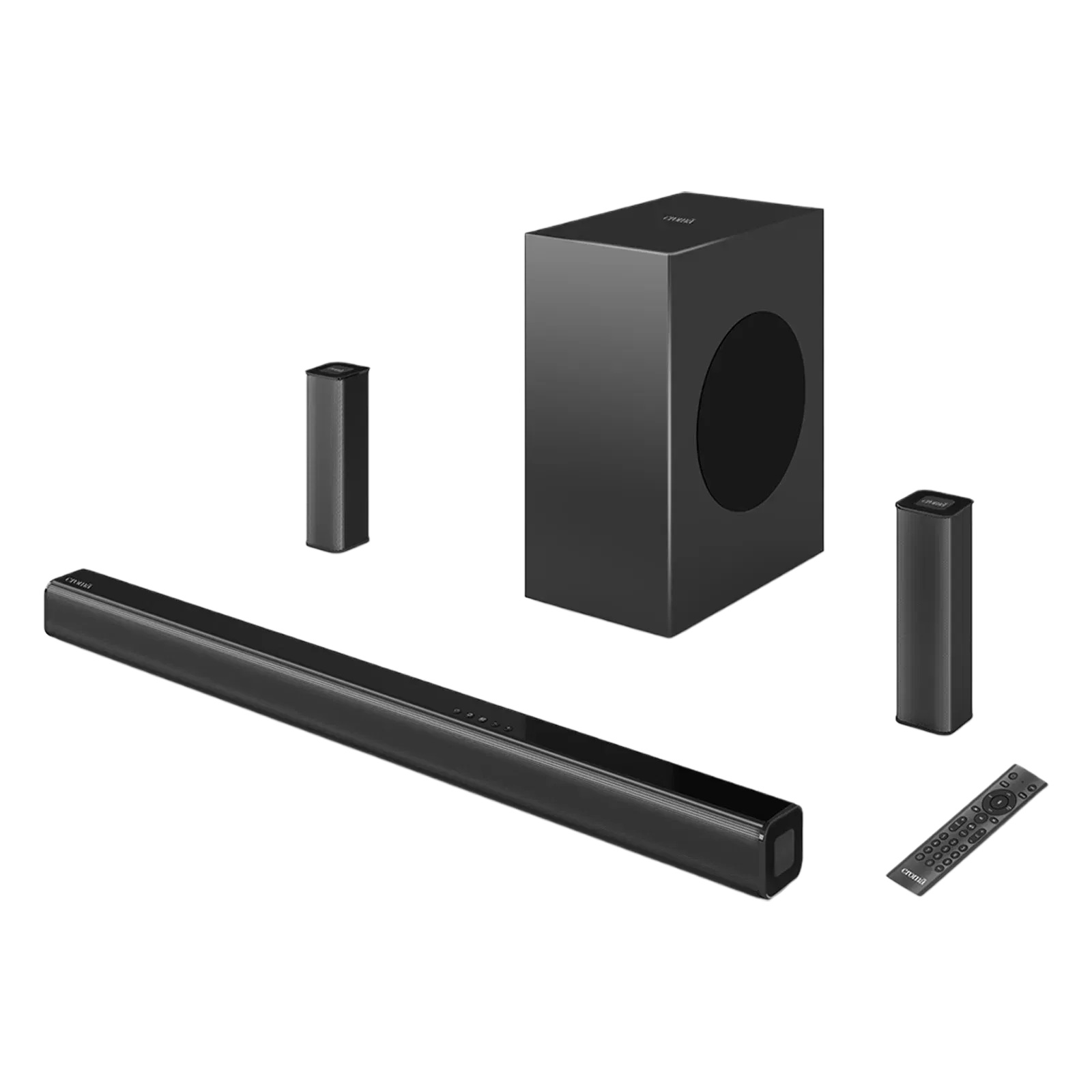
Croma 300W Bluetooth Home Theatre with Remote (5.1 Channel, Black)
Rs. 8,099 for 300 watts of 5.1 - Rs. 27 a watt, and nothing here is close.
Why it earned its spot Opens the page on its sharpest number: the same wattage as an LG bar costing Rs. 4,891 more.
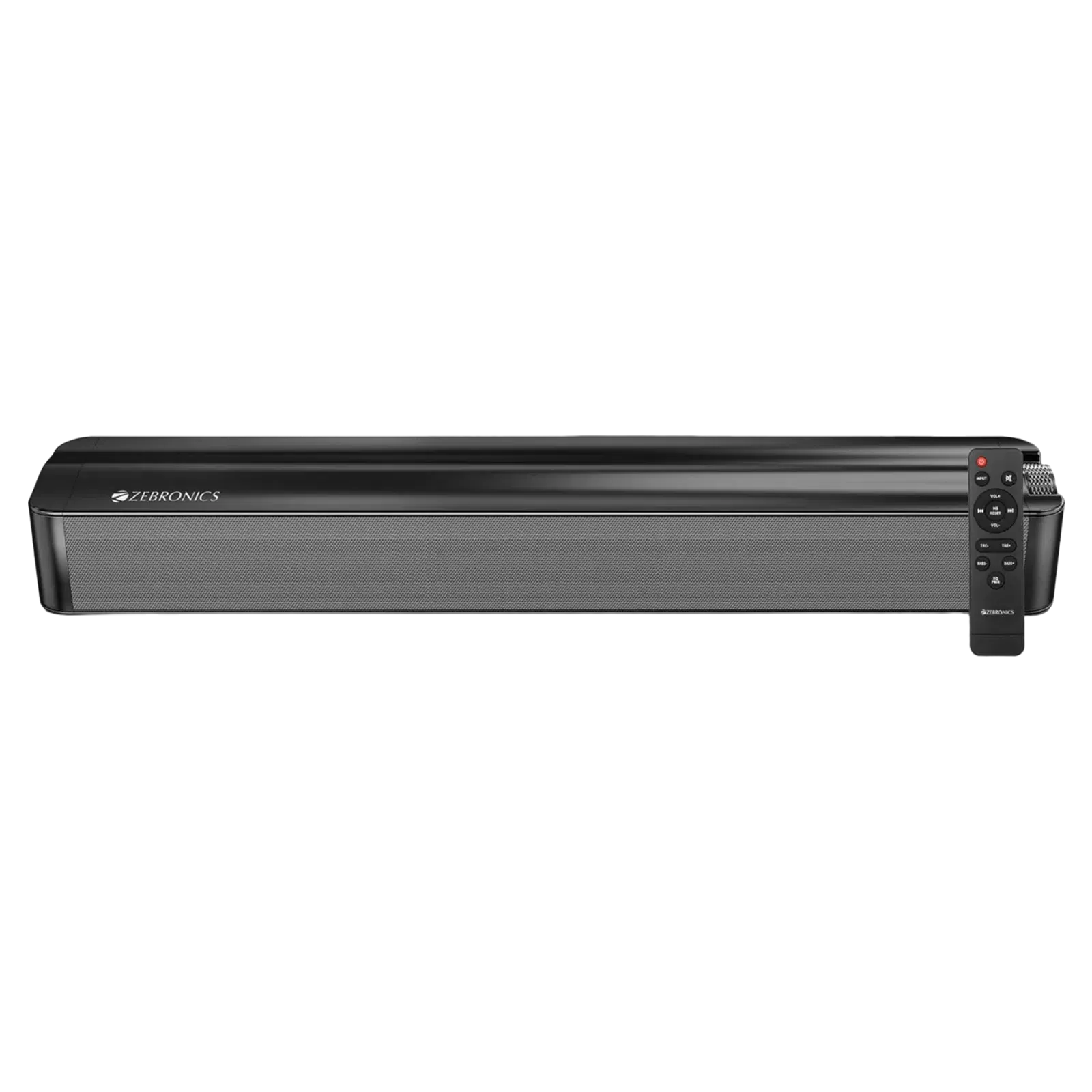
ZEBRONICS Juke Bar 2601 60W Bluetooth Soundbar With Remote (2.0 Channel)
Rs. 2,084 for 60 watts - Rs. 35 a watt from a 65 per cent badge.
Why it earned its spot Shows that cheap-per-watt and cheap-outright can coincide, which they usually do not here.
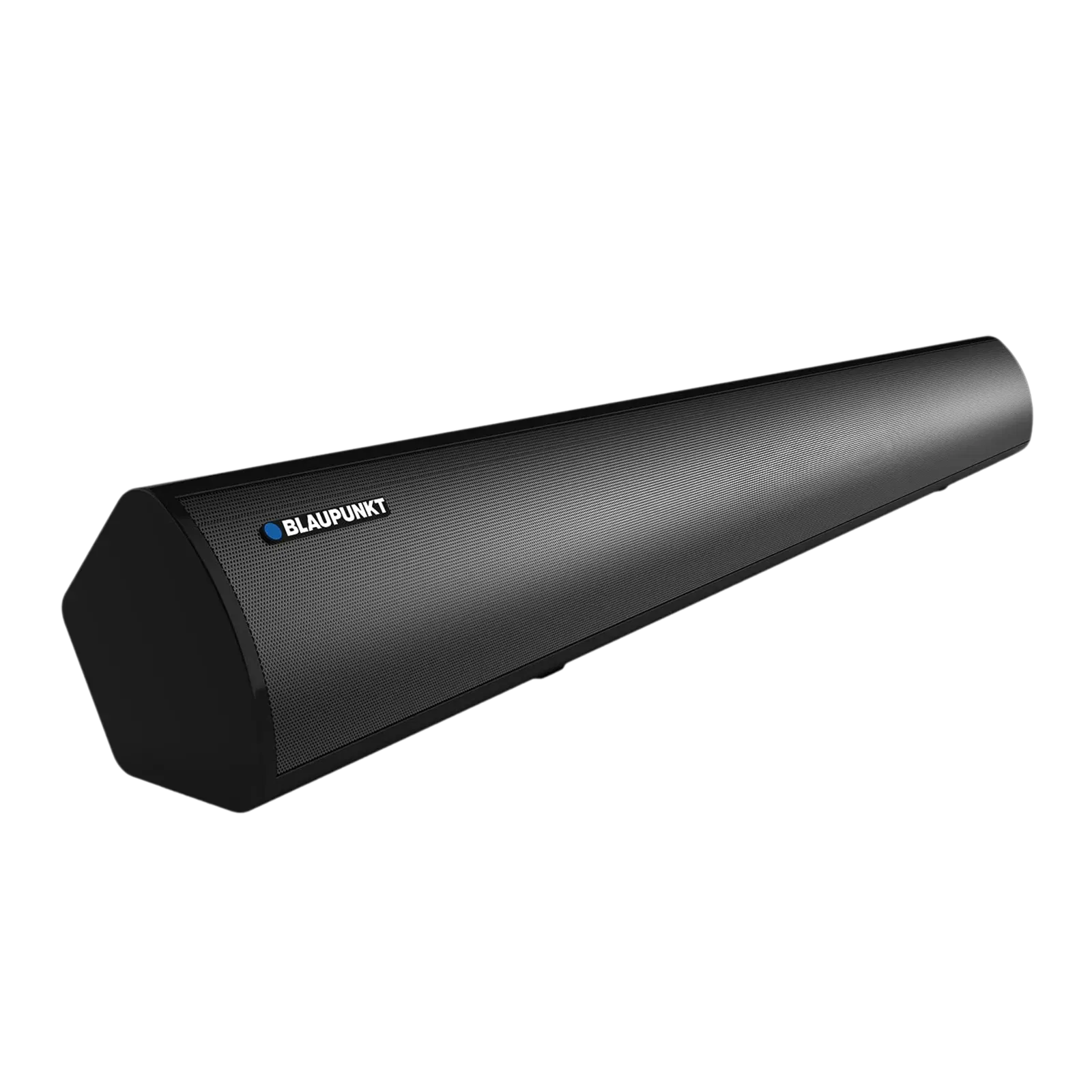
BLAUPUNKT SBA01 Rekurve 100W Bluetooth Soundbar with Remote (Dual Speaker)
Rs. 41 a watt, a 51 per cent badge, and the lowest star score in the entire pull.
Why it earned its spot A cheap watt attached to the one unambiguous warning sign this shelf displays.
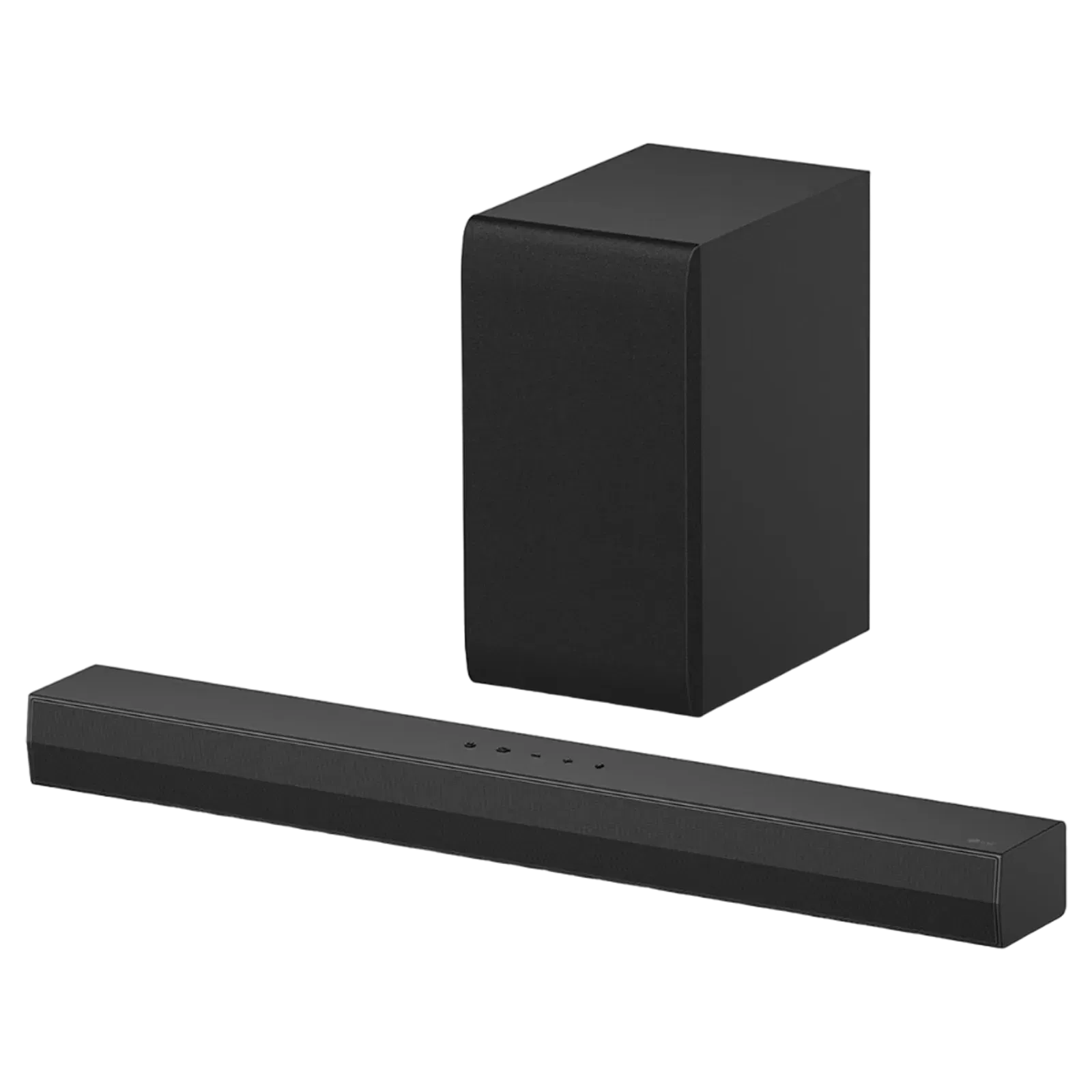
LG S40T 300W Bluetooth Soundbar with Remote (Dolby Digital, 2.1 Channel)
Rs. 12,990 for the same 300W the Croma sells at Rs. 8,099 - with fewer channels.
Why it earned its spot The cleanest like-for-like on the page, and the wattage number loses it decisively.
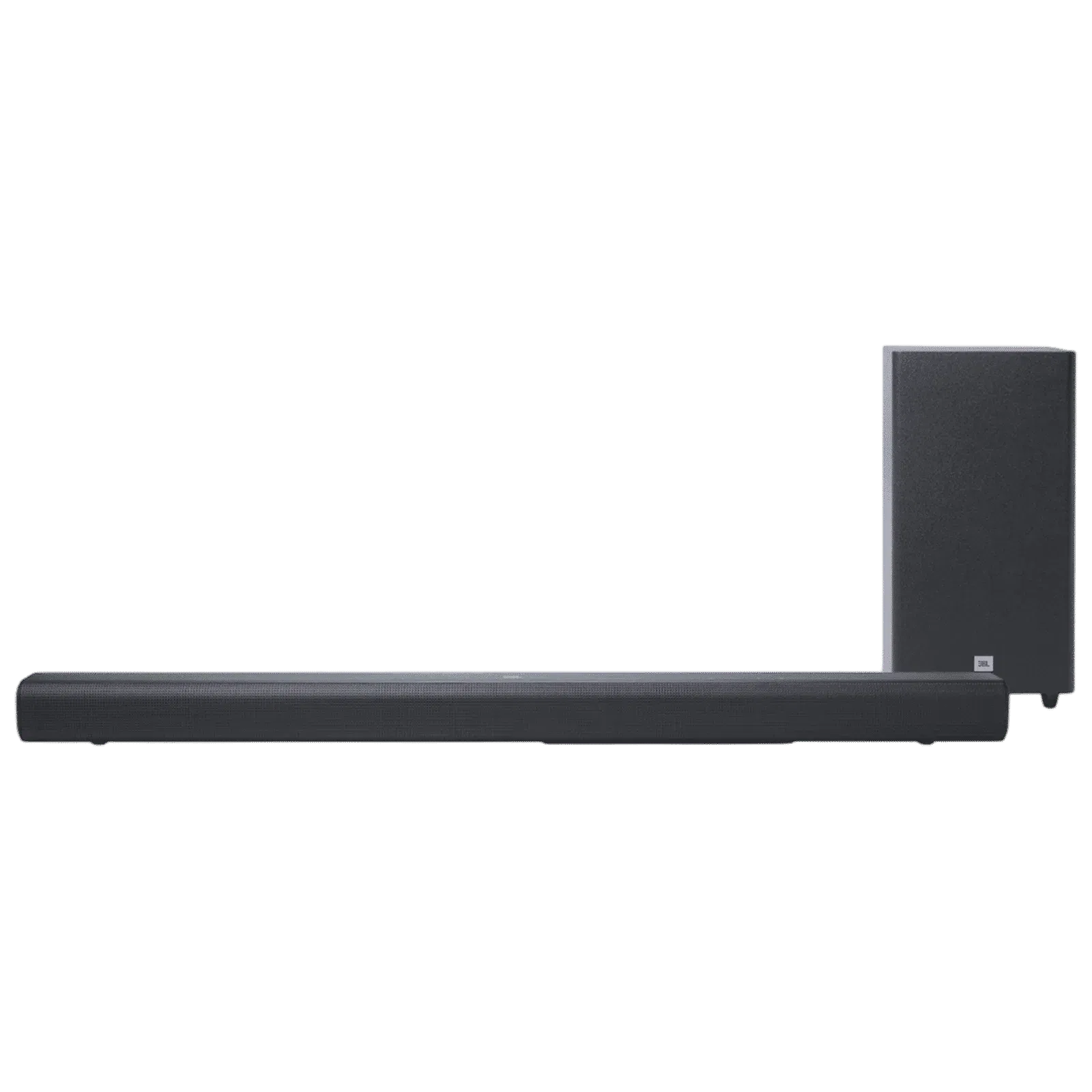
JBL CINEMA SB580 440W Bluetooth Soundbar with Remote (Virtual Dolby Atmos)
440 watts and virtual Dolby Atmos for Rs. 19,999 - Rs. 45 a watt.
Why it earned its spot The first Atmos listing on the page, and it costs a third of what the real Atmos bars do.
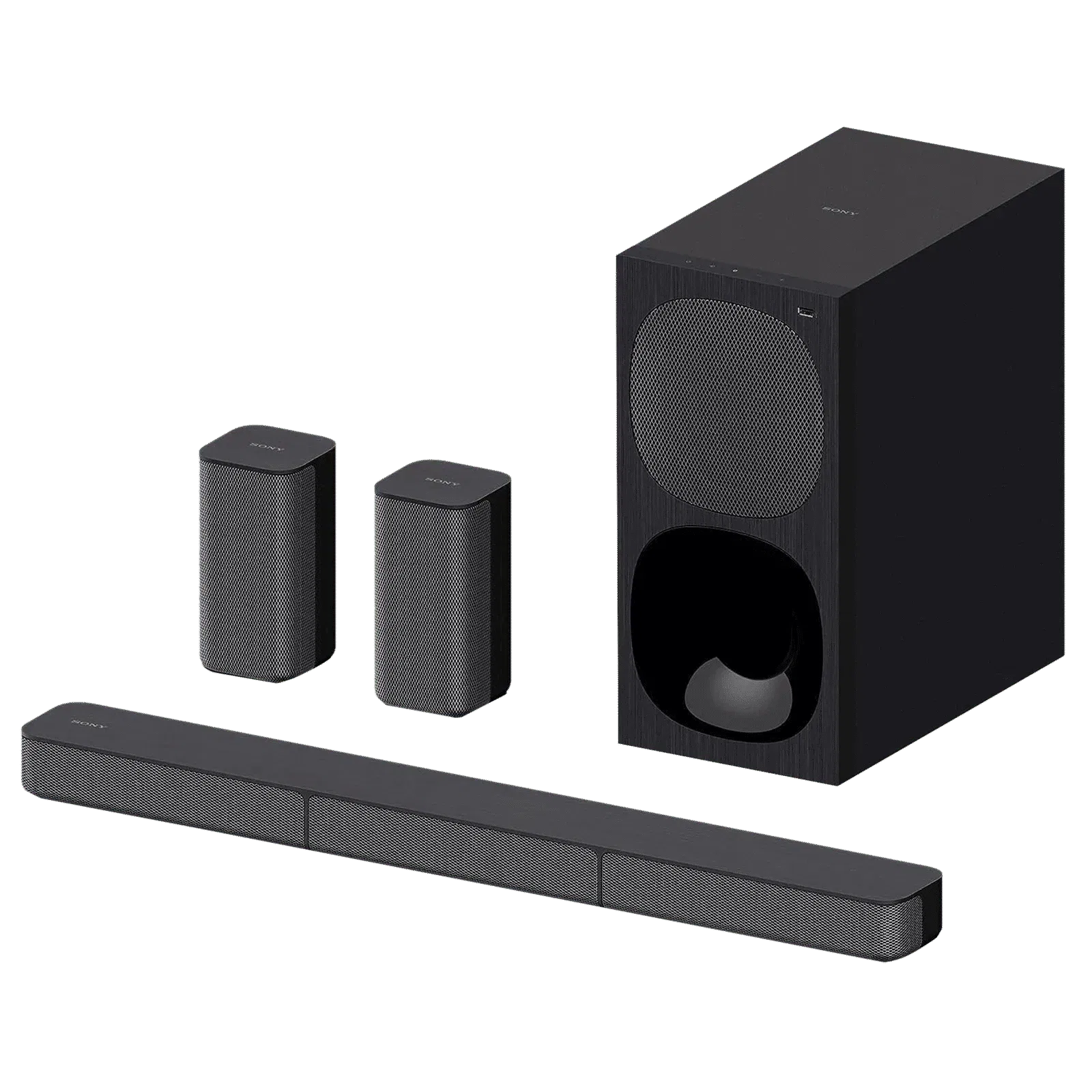
SONY HT-S20R 400W Bluetooth Home Theatre with Remote (Dolby Digital, 5.1 Channel)
400W of genuine 5.1 with rear speakers, on a 10 per cent badge.
Why it earned its spot One of only two listings here with a shallow badge, which usually means a credible price.
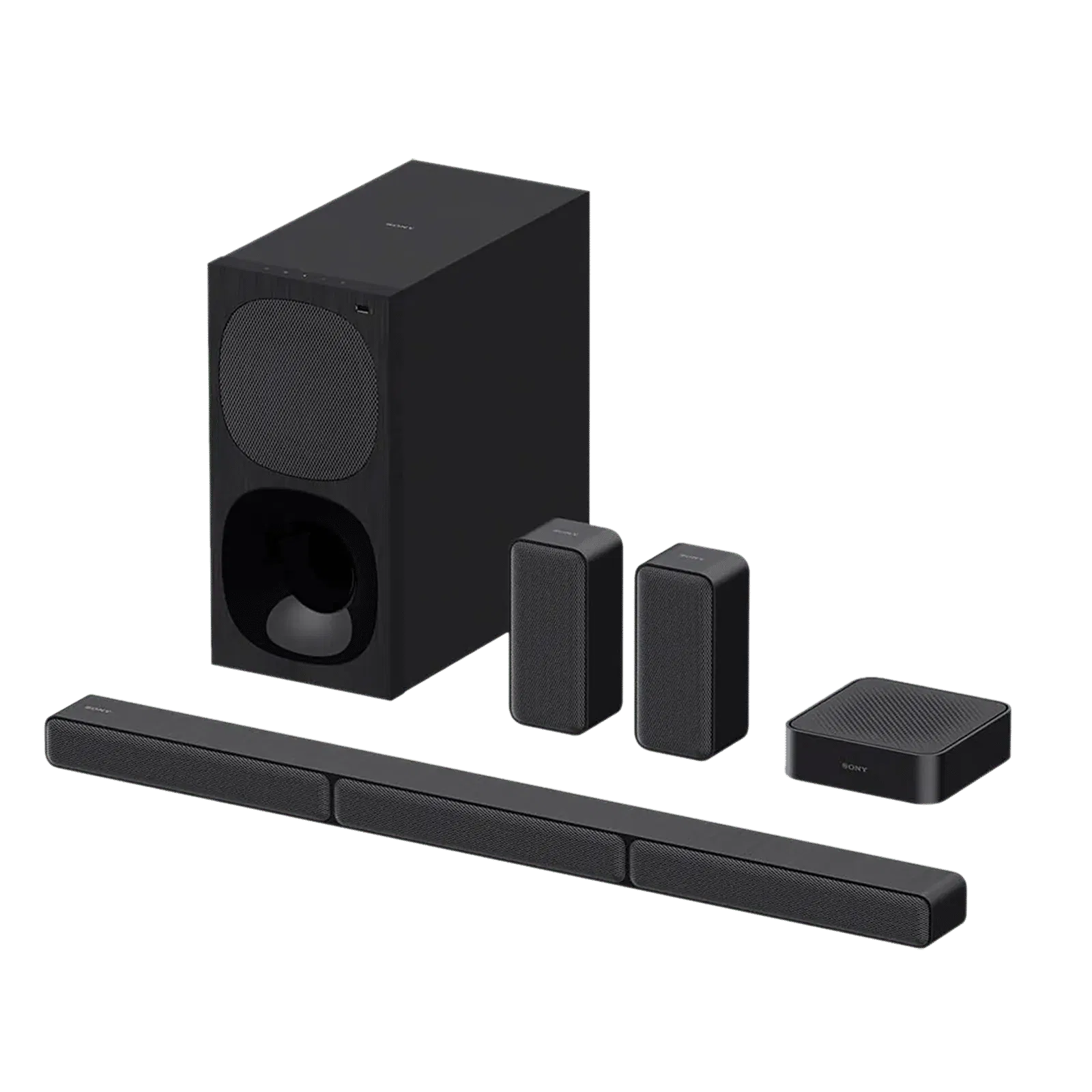
SONY HT-S40R 600W Bluetooth Soundbar with Remote (Dolby Digital, 5.1 Channel)
600 watts of 5.1 for Rs. 26,990 - Rs. 45 a watt, the best above Rs. 20,000.
Why it earned its spot Half the price of the 1000W Sony for 60 per cent of the watts and the same channel count.
The Middle, Where a Watt Costs About Fifty Rupees
Seven more listings between Rs. 48 and Rs. 60 a watt - the fat middle of this shelf, and where the metric behaves most sensibly. It also contains the page's most awkward pair: a 2.1 Sony bar at Rs. 17,490 sitting Rs. 500 below a Sony 5.1 system with real rear speakers, and Croma's own small bar costing twice per watt what Croma's own big one does.
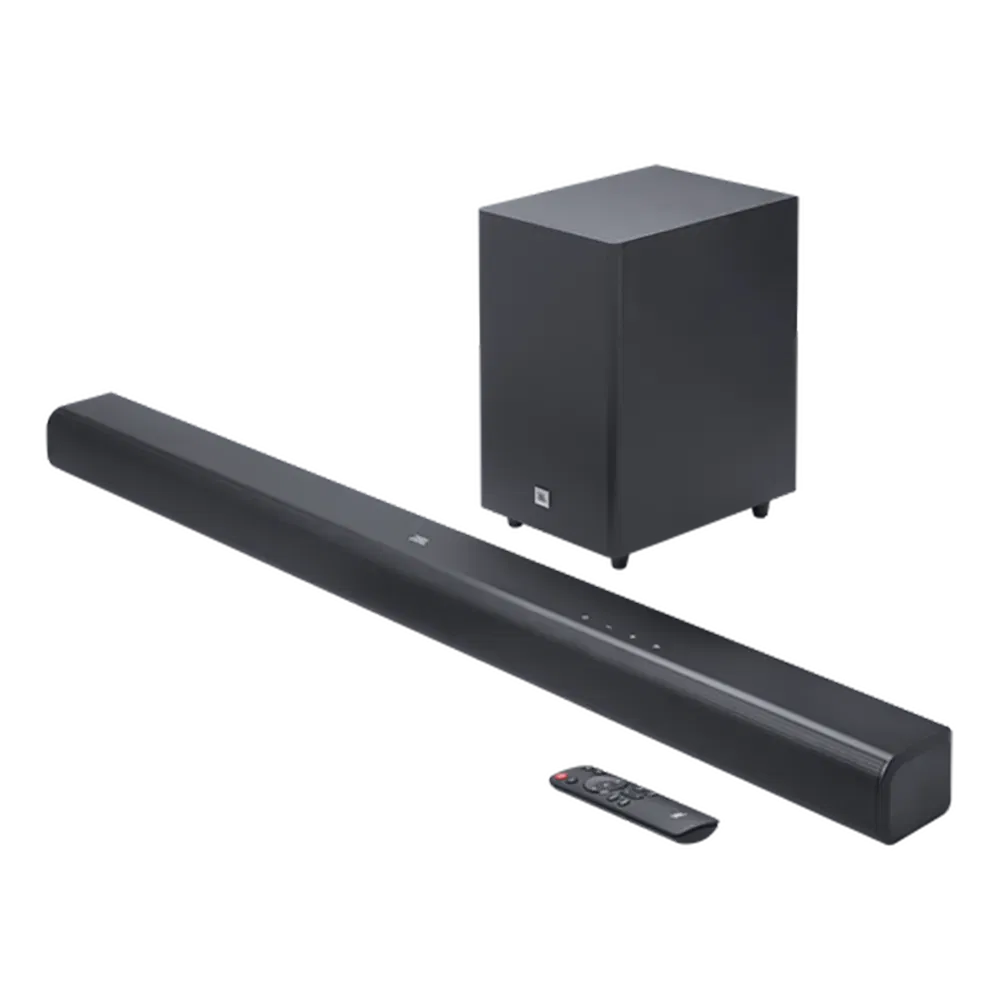
JBL Cinema SB560 250W Bluetooth Soundbar with Remote (Dolby Audio, 3.1 Channel)
Rs. 11,999 from a stated Rs. 25,999, for 250W of 3.1.
Why it earned its spot Opens the middle of the shelf, where the watt settles at around fifty rupees.
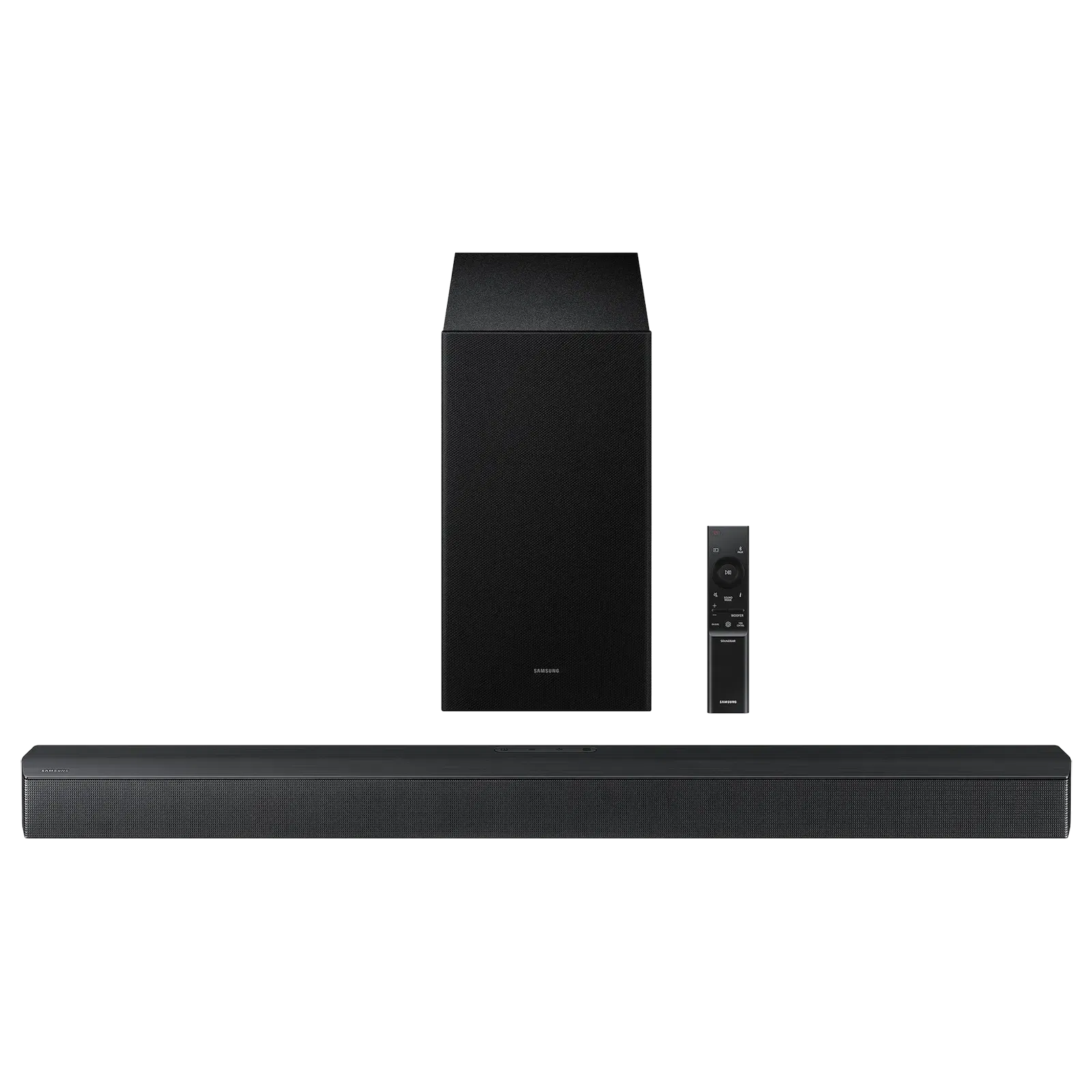
SAMSUNG B Series 370W Bluetooth Soundbar with Remote (Dolby Audio, 3.1 Channel)
370 watts, a centre channel, and a 29 per cent badge at Rs. 17,590.
Why it earned its spot Sits at the same rupees-per-watt as the JBL above while costing Rs. 5,591 more.
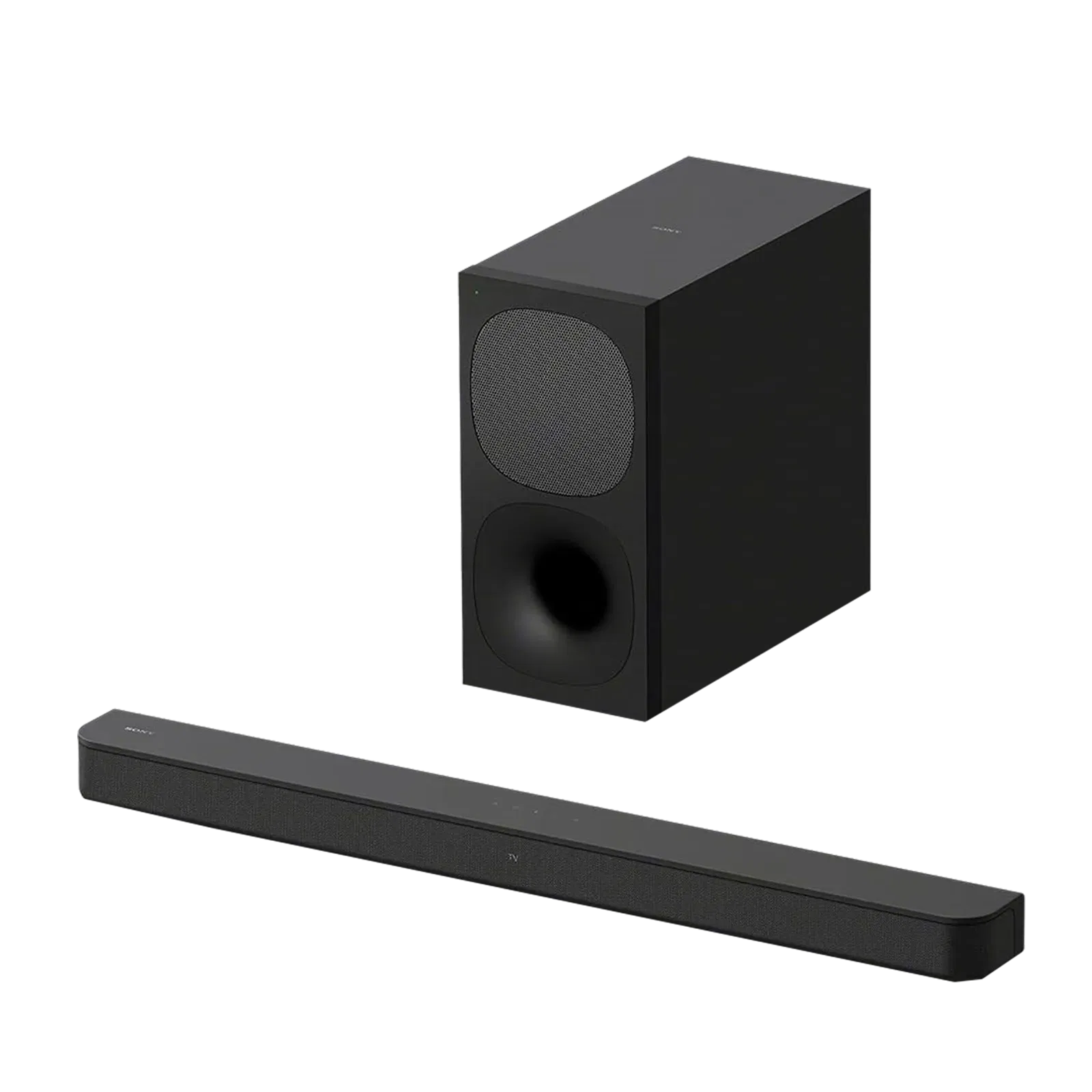
SONY HT-S400 330W Bluetooth Home Theatre with Remote (Virtual Sound Technology)
Rs. 17,490 for 330W of 2.1 - Rs. 500 below the 400W 5.1 Sony beside it.
Why it earned its spot The page's most awkward pair: five hundred rupees separates a 2.1 bar from a real 5.1 system.
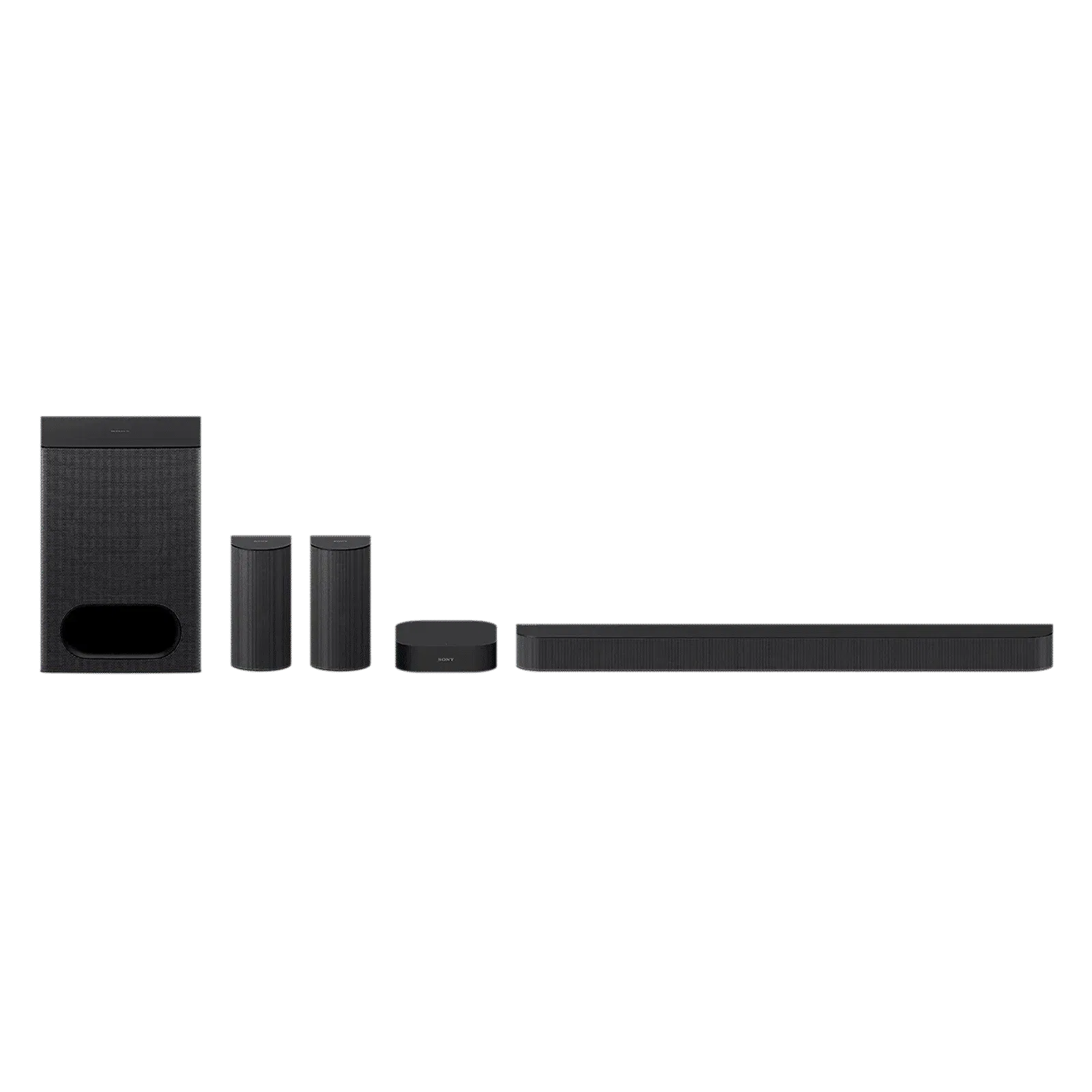
SONY BRAVIA Theatre System 6 1000W Bluetooth Home Theatre with Remote
1000W - the largest wattage here - at Rs. 52,990, or Rs. 53 a watt.
Why it earned its spot The shelf's headline number in its purest form, and it buys the same channel count as Rs. 26,990 does.
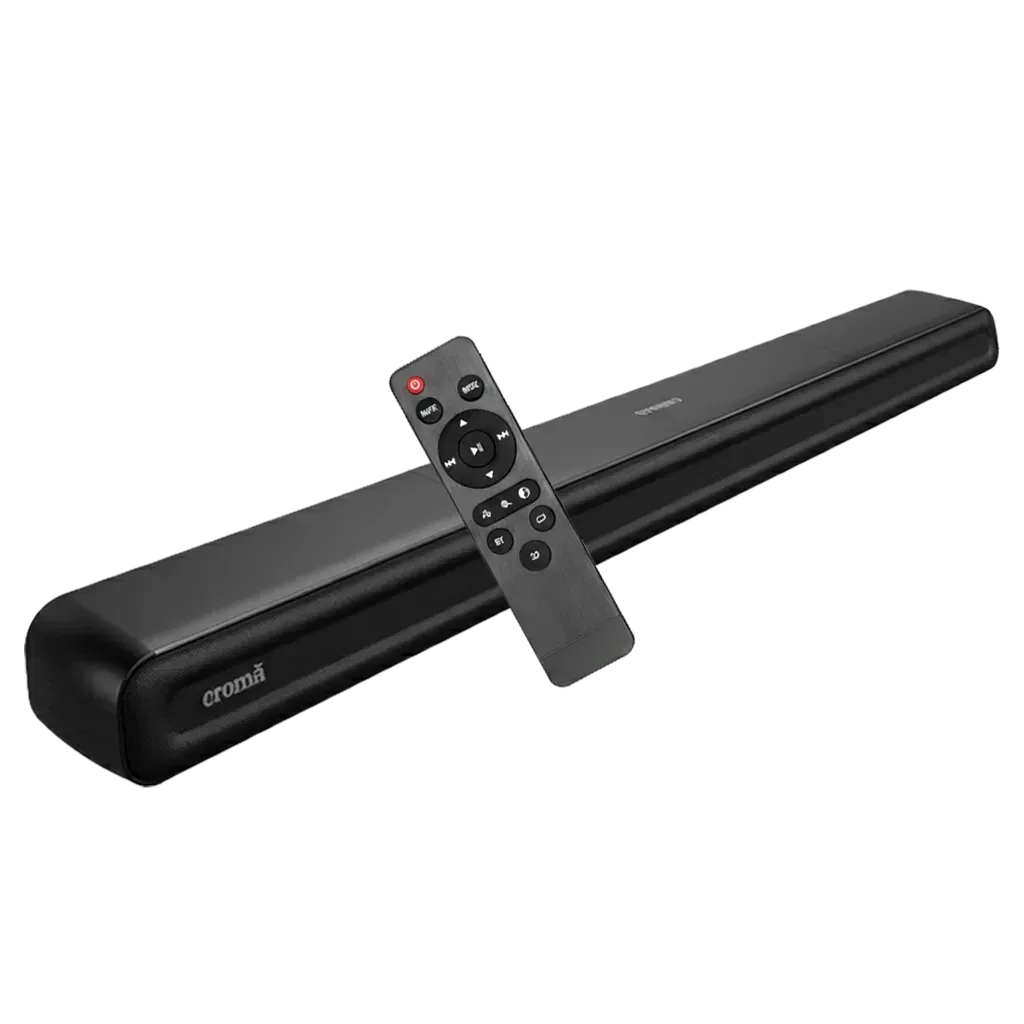
Croma 60W Bluetooth Soundbar with Remote Control (Stereo Sound, 2.0 Channel)
Rs. 3,249 for 60 watts - twice the rupees-per-watt of Croma's own 300W system.
Why it earned its spot Even within one brand the metric is inconsistent, which is the point of the chapter.
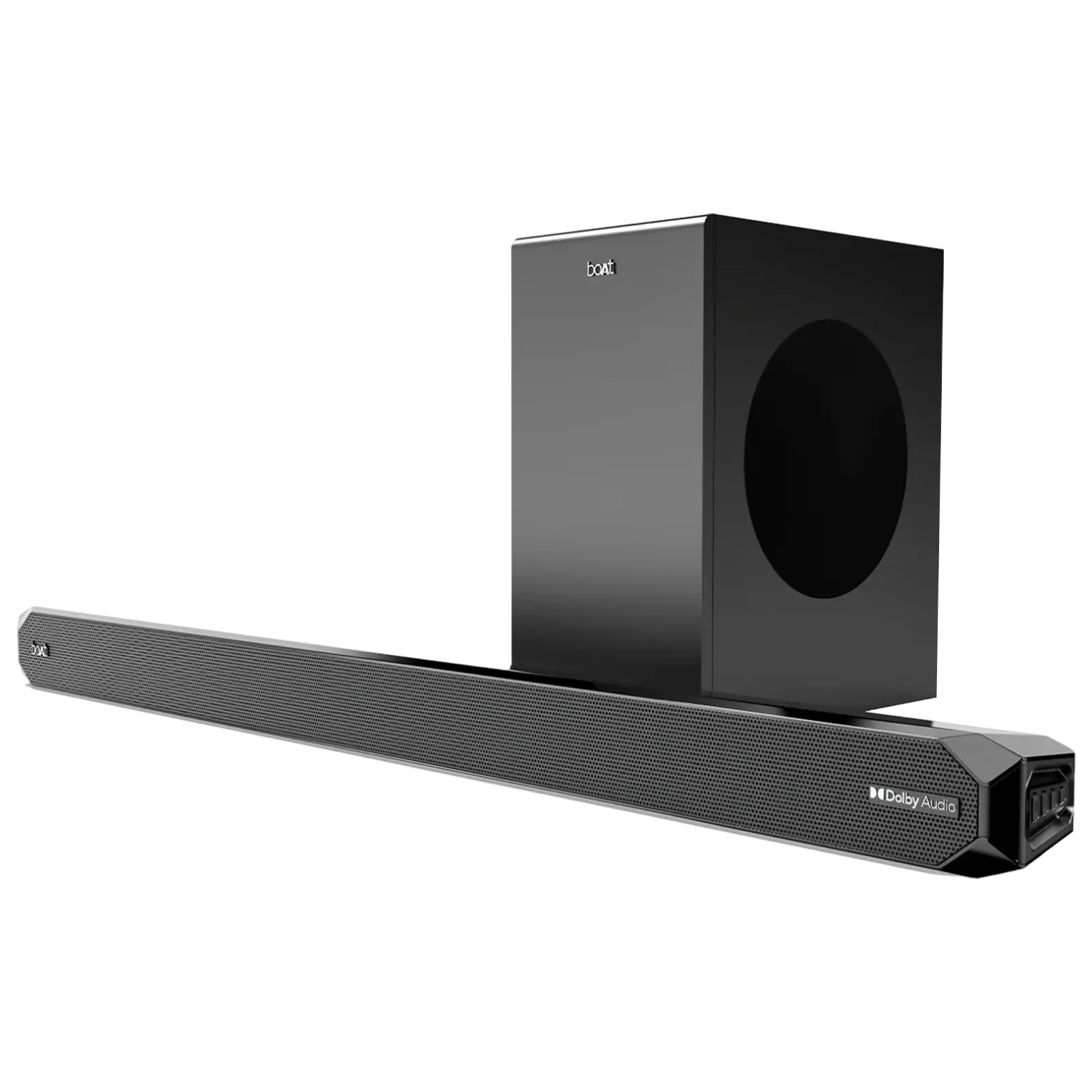
boAt Aavante Bar A2060 160W Bluetooth Soundbar with Remote (Dolby Audio)
62 per cent off a stated Rs. 23,990, landing at Rs. 8,999 for 160W.
Why it earned its spot A big badge and a mediocre watt in the same listing - a useful reminder they are unrelated.
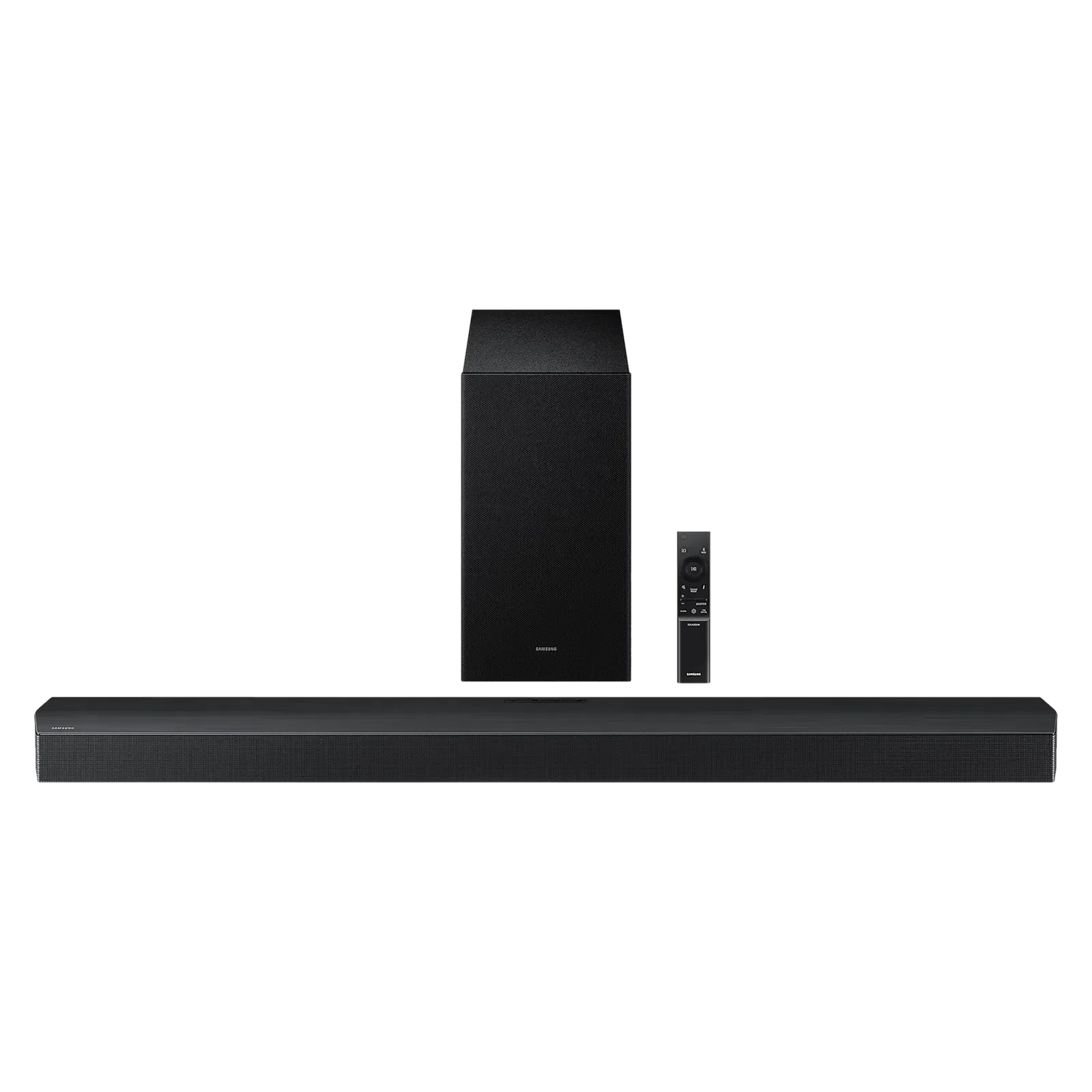
SAMSUNG B Series 400W Soundbar with Remote (Dolby Audio, 5.1 Channel)
400W of 5.1 at Rs. 23,990, against Sony's 400W of 5.1 at Rs. 17,990.
Why it earned its spot Closes the chapter on the shelf's clearest same-spec price gap.
Where the Metric Breaks: Rs. 81 to Rs. 115 a Watt
Four listings where rupees-per-watt stops meaning anything useful, and the reason is visible in the channel layouts: 3.1.3 and 9.1.5 are physical Dolby Atmos with upward-firing drivers, and 10W is a bedside box. At the top of the shelf you are buying channels and processing; at the bottom you are buying a box. Neither is priced by the watt.
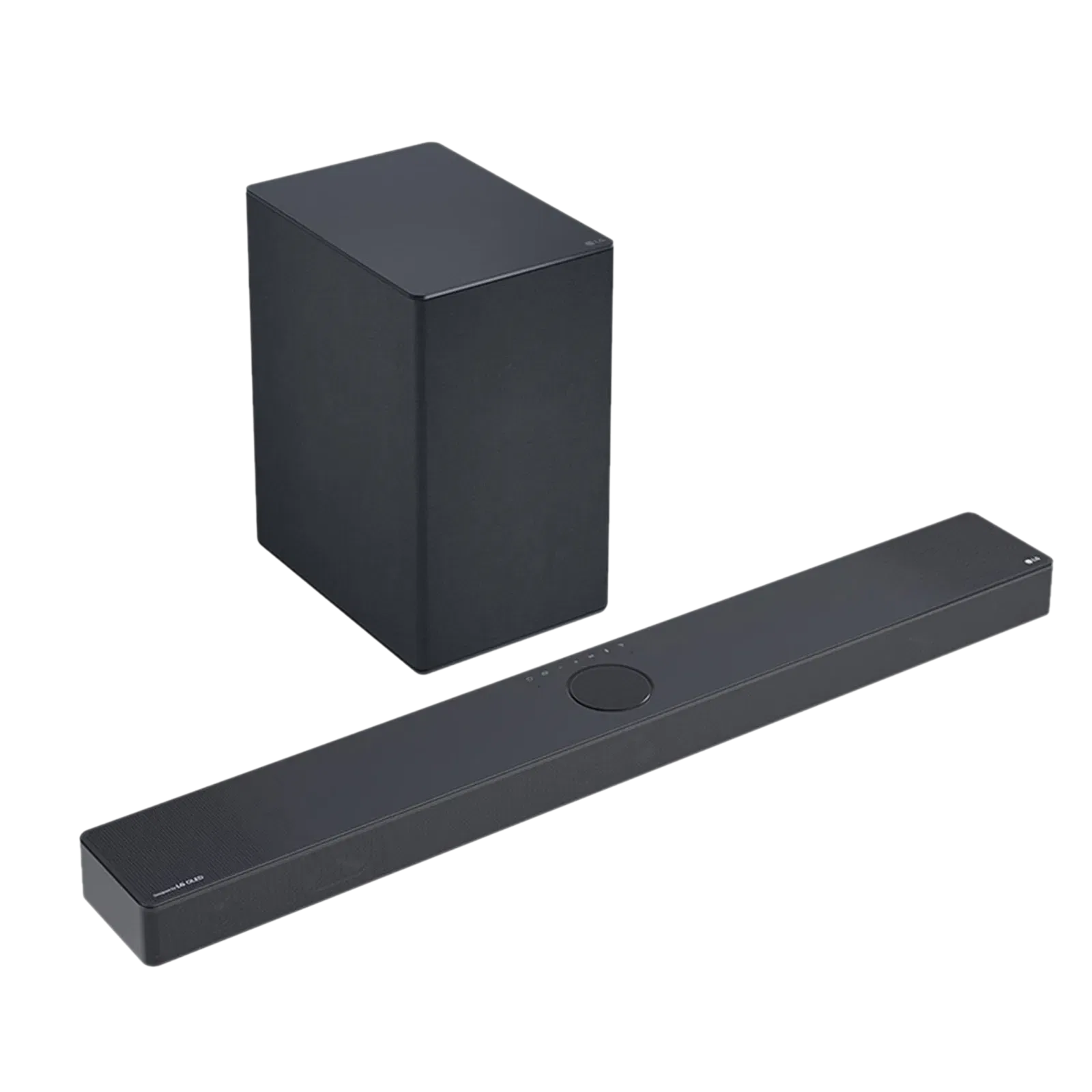
LG SC9S 400W Bluetooth Soundbar with Remote (Dolby Atmos, 3.1.3 Channel)
Rs. 32,490 for 400W - the same watts as a Rs. 17,990 Sony, with three height drivers.
Why it earned its spot Opens the chapter that explains where the metric breaks: you are buying channels, not watts.
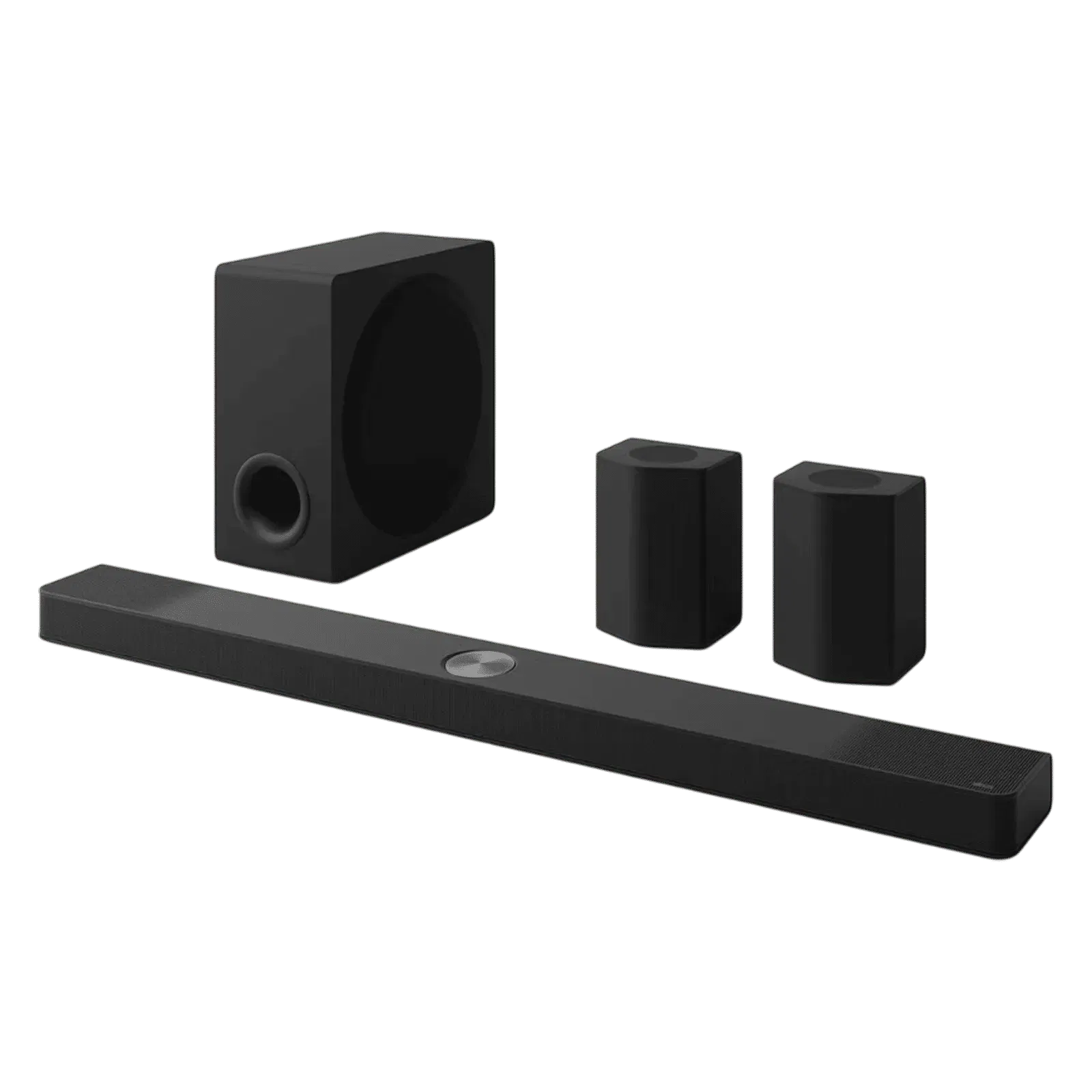
LG S95TR 810W Bluetooth Soundbar with Remote (Dolby Atmos, 9.1.5 Channel)
Rs. 65,990 for 810 watts and fifteen channels - the top of the shelf in every sense.
Why it earned its spot The shelf's dearest box, and its rupees-per-watt is identical to the Rs. 32,490 bar below it.
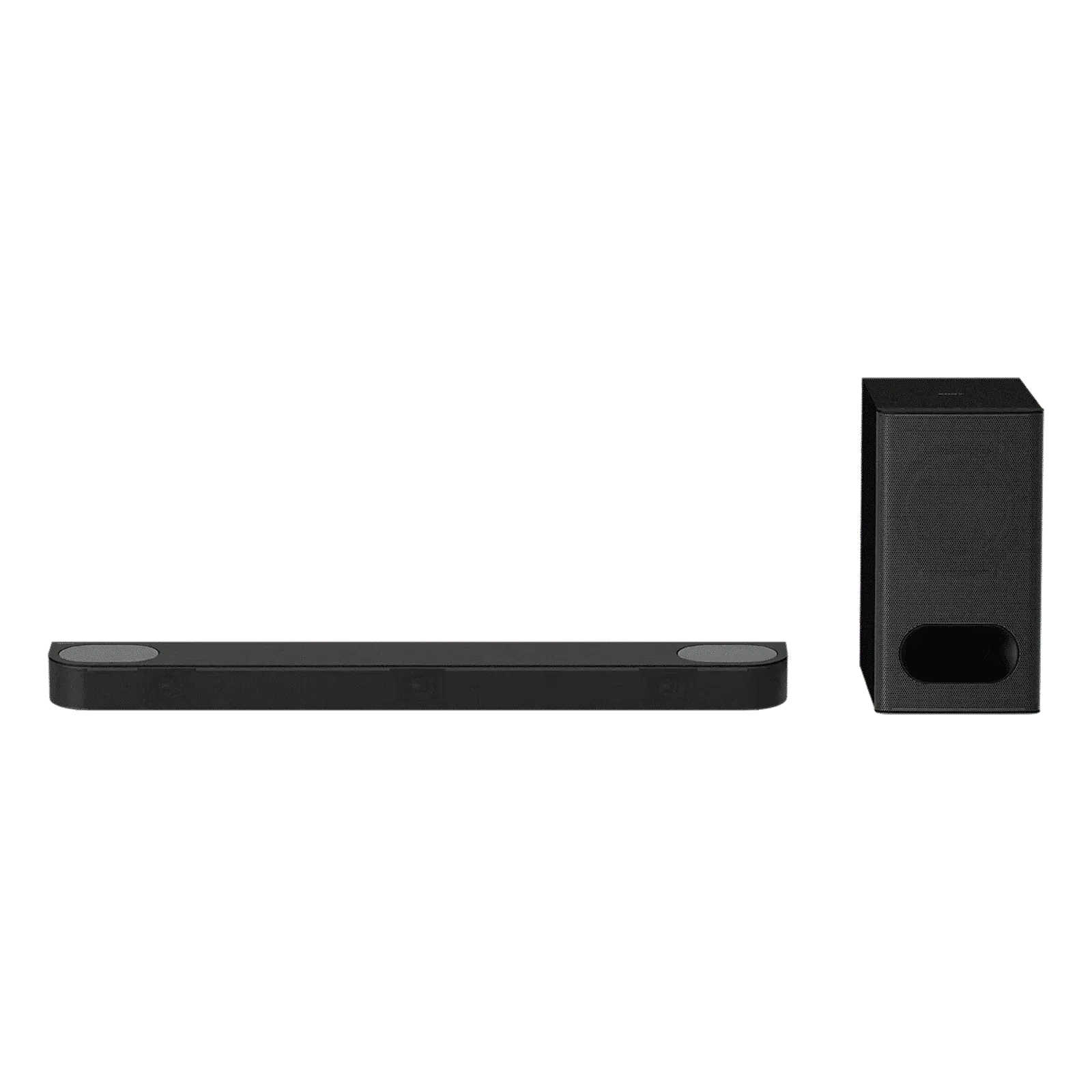
SONY BRAVIA Theatre Bar 6 350W Bluetooth Home Theatre with Remote
Rs. 39,990 for 350 watts - more than twice the shelf's median rupees-per-watt.
Why it earned its spot The clearest case of a low wattage attached to a high price, and a defensible one.
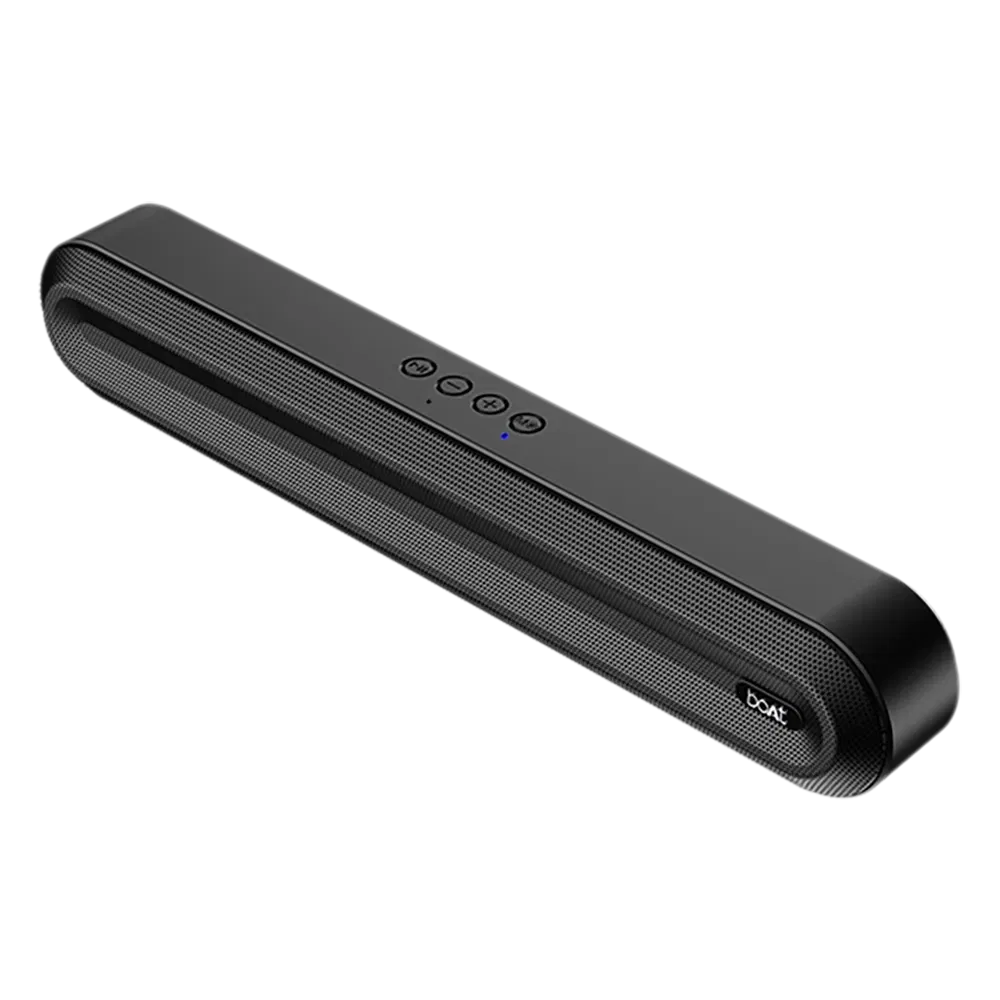
boAt Aavante Bar Aspire 10W RMS Bluetooth Soundbar (2.0 Channel, Black)
Rs. 1,149 for ten watts - the cheapest listing here and the most expensive watt.
Why it earned its spot The page ends where the metric collapses completely: Rs. 115 a watt on a Rs. 1,149 product.
How to shop a soundbar shelf that advertises watts
First: read the channel layout before the wattage. A 2.0 bar has no centre channel and no subwoofer; 2.1 adds a subwoofer; 3.1 adds the dedicated centre channel that makes dialogue intelligible, which is the single upgrade most people actually notice; 5.1 puts physical speakers behind you; and a third digit, as in 3.1.3 or 9.1.5, means upward-firing drivers for real Dolby Atmos rather than the processed kind. Second: treat "virtual Atmos" and "virtual surround" as different products from the real thing, because they are - the JBL at Rs. 19,999 and the LG at Rs. 32,490 both say Atmos and only one of them has drivers pointing at your ceiling. Third: check whether the rear speakers are wireless before you commit, since running cable across a living room is the reason most 5.1 systems end up configured as 2.1. Fourth: on this shelf a shallow badge is usually a sign of a credible sticker rather than a bad deal - the two Sony systems at 10 per cent off are among the best value here, and the 67 per cent badge belongs to a Rs. 1,149 box. Card and bank offers that stack on these prices are on our Croma coupons page.
How our picks compare
| Product | Sale price | MRP | Discount |
|---|---|---|---|
| Croma 300W Bluetooth Home Theatre with Remote (5.1 Channel, Black) | Rs. 8,099 | Rs. 13,000 | 38% |
| ZEBRONICS Juke Bar 2601 60W Bluetooth Soundbar With Remote (2.0 Channel) | Rs. 2,084 | Rs. 5,999 | 65% |
| BLAUPUNKT SBA01 Rekurve 100W Bluetooth Soundbar with Remote (Dual Speaker) | Rs. 4,144 | Rs. 8,499 | 51% |
| LG S40T 300W Bluetooth Soundbar with Remote (Dolby Digital, 2.1 Channel) | Rs. 12,990 | Rs. 26,990 | 52% |
| JBL CINEMA SB580 440W Bluetooth Soundbar with Remote (Virtual Dolby Atmos) | Rs. 19,999 | Rs. 36,999 | 46% |
| SONY HT-S20R 400W Bluetooth Home Theatre with Remote (Dolby Digital, 5.1 Channel) | Rs. 17,990 | Rs. 19,990 | 10% |
| SONY HT-S40R 600W Bluetooth Soundbar with Remote (Dolby Digital, 5.1 Channel) | Rs. 26,990 | Rs. 29,990 | 10% |
| JBL Cinema SB560 250W Bluetooth Soundbar with Remote (Dolby Audio, 3.1 Channel) | Rs. 11,999 | Rs. 25,999 | 54% |
| SAMSUNG B Series 370W Bluetooth Soundbar with Remote (Dolby Audio, 3.1 Channel) | Rs. 17,590 | Rs. 24,900 | 29% |
| SONY HT-S400 330W Bluetooth Home Theatre with Remote (Virtual Sound Technology) | Rs. 17,490 | Rs. 26,990 | 35% |
| SONY BRAVIA Theatre System 6 1000W Bluetooth Home Theatre with Remote | Rs. 52,990 | Rs. 64,990 | 18% |
| Croma 60W Bluetooth Soundbar with Remote Control (Stereo Sound, 2.0 Channel) | Rs. 3,249 | Rs. 5,500 | 41% |
| boAt Aavante Bar A2060 160W Bluetooth Soundbar with Remote (Dolby Audio) | Rs. 8,999 | Rs. 23,990 | 62% |
| SAMSUNG B Series 400W Soundbar with Remote (Dolby Audio, 5.1 Channel) | Rs. 23,990 | Rs. 29,900 | 20% |
| LG SC9S 400W Bluetooth Soundbar with Remote (Dolby Atmos, 3.1.3 Channel) | Rs. 32,490 | Rs. 69,990 | 54% |
| LG S95TR 810W Bluetooth Soundbar with Remote (Dolby Atmos, 9.1.5 Channel) | Rs. 65,990 | Rs. 99,990 | 34% |
| SONY BRAVIA Theatre Bar 6 350W Bluetooth Home Theatre with Remote | Rs. 39,990 | Rs. 54,990 | 27% |
| boAt Aavante Bar Aspire 10W RMS Bluetooth Soundbar (2.0 Channel, Black) | Rs. 1,149 | Rs. 3,490 | 67% |
What we skipped — and why
What we look for
Sixty listings read, eighteen of them soundbars
On August 6, 2026 we read 60 live listings from croma.com across three queries - television, soundbar and headphone - keeping every row that returned a selling price and a stated MRP. Eighteen of those were soundbars or home-theatre systems, and all eighteen are seated on this page: nothing in the category was left out, which is why the chapters run to seven, seven and four rather than a tidy round number. Every price, stated MRP and specification quoted is Croma's own as it displayed that afternoon.
Every listing prints its wattage, so we divided by it
Croma puts an RMS wattage in the product name of every single soundbar it sells - 10W, 60W, 100W, 160W, 250W, 300W, 330W, 350W, 370W, 400W, 440W, 600W, 810W, 1000W. That makes it the one specification on this shelf directly comparable across every brand, and the only one a shopper can use without opening fourteen product pages. Dividing the selling price by it gives a range of Rs. 27 to Rs. 115 a watt, a 4.3-fold spread, with a median of about Rs. 50. Every seat on this page prints its own figure, and the picks are ordered by it rather than by price or by badge depth.
The metric was tested against channel layout, not taken on trust
RMS watts measure amplifier power. They do not measure sound quality, speaker quality, decoding, or how a room will behave, and this page does not pretend otherwise - it is an argument about what a retailer chooses to headline, not a review. So we read the channel layout on every listing alongside the wattage, and that is where the explanation sits. The two dearest watts in Chapter Three, at Rs. 81, are Dolby Atmos bars in 3.1.3 and 9.1.5 layouts with physical upward-firing drivers; the cheapest, at Rs. 27, is a five-box 5.1 system from the house brand. Where wattage and layout disagree we have said which one we would follow, seat by seat, and it is almost never the wattage.
Star ratings were read and then set aside, because no counts exist
Croma displays a star rating on most of these listings and a rating count on none of them - not on one listing in the entire 60-row pull. A 5.0 with no sample size behind it cannot be distinguished from a 5.0 left by a single buyer, so we have deliberately set no rating pills on any pick on this page and have not used scores to rank anything. Two scores are reported in the seats because a reader should know they exist: a Blaupunkt soundbar displaying 1.0, the only negative signal anywhere in the pull, and two listings displaying no rating at all. We have not listened to any product here, and every specification quoted - wattage, channel count, Atmos support, whether rear speakers are wireless - is Croma's listing claim, reported as a claim.
FAQs
Do more watts mean a better soundbar?
No, and this shelf demonstrates it twice over. RMS wattage describes how much power the amplifier can deliver, which is related to how loud a system can go without distorting - it says nothing about driver quality, cabinet design, decoding, or how the thing handles dialogue. The two clearest counter-examples here are both on this page. Croma's 300W 5.1 home theatre at Rs. 8,099 and LG's 300W 2.1 bar at Rs. 12,990 carry the identical wattage and are Rs. 4,891 apart, because one has five speakers and the other has two. And the LG S95TR at Rs. 65,990 carries 810W where the Sony BRAVIA Theatre System 6 at Rs. 52,990 carries 1000W - the more expensive system has fewer watts and fifteen channels against six. If you want one number to shop on, use the channel layout instead. It is printed on every listing here and it actually predicts what you will hear.
What does 5.1 or 3.1.3 actually mean on a soundbar listing?
The first digit is the number of main speakers arranged horizontally around you, the second is subwoofers, and a third digit, when present, is upward-firing height channels. So 2.0 is a plain stereo bar with no subwoofer. 2.1 is a bar plus a subwoofer, which is where most people start. 3.1 adds a dedicated centre channel, and this is the upgrade most listeners notice first, because the centre channel is what carries dialogue - it is the difference between hearing the words and reaching for the remote. 5.1 adds two physical rear speakers behind the listening position, which is genuine surround rather than a processing effect. And 3.1.3 or 9.1.5 means three or five drivers firing upward at your ceiling so the reflection arrives from above: that is real Dolby Atmos, and it is what separates the LG bars in Chapter Three from the JBL at Rs. 19,999 whose listing says 'virtual Dolby Atmos' and has no upward drivers at all.
Which Croma soundbar is the best value right now?
On cost per watt, Croma's own 300W 5.1 home theatre at Rs. 8,099 wins outright at Rs. 27 a watt - roughly a third of the shelf median - and it is a genuine five-box system rather than a stereo bar. The honest caveats are that Croma publishes no rating count for it and that we have not heard it. If you want a brand with a service network and a track record, the Sony HT-S40R at Rs. 26,990 is the pick above Rs. 20,000: 600W, real 5.1, wireless rear speakers, Rs. 45 a watt, and half the price of the 1000W Sony that offers the same channel count. Below Rs. 5,000 the Zebronics Juke Bar 2601 at Rs. 2,084 is the sensible choice over Croma's own 60W bar at Rs. 3,249, since both are 60W 2.0 boxes doing the same job. And if the budget is Rs. 20,000 and Atmos is the goal, the JBL SB580 is the entry point - provided you understand you are buying the virtual version.
Why does the cheapest soundbar have the most expensive watts?
Because amplifier cost does not scale linearly downward, and below a certain price you are not really buying amplification at all. The boAt Aavante Bar Aspire at Rs. 1,149 delivers 10W and works out at Rs. 115 a watt, four times what Croma's 5.1 system charges - but a Rs. 1,149 product still needs a cabinet, drivers, Bluetooth, a power supply and a remote, and those fixed costs do not shrink just because the amplifier does. The same effect is visible inside a single brand on this shelf: Croma's own 60W bar costs Rs. 54 a watt against its own 300W system's Rs. 27. So a high cost per watt at the bottom of the shelf is not evidence of a bad deal. It is evidence that at Rs. 1,149 nobody is buying watts - they are buying something better than a television's built-in speakers, which for a bedroom is a perfectly reasonable thing to want.
Can I trust Croma's star ratings on these soundbars?
Only as a very rough signal, because Croma publishes no rating count anywhere on this shelf - not on a single one of the 60 listings we read. A 5.0 with no sample size cannot be distinguished from a 5.0 left by one buyer, and five of the eighteen soundbars here display exactly 5.0. That is why we have set no rating pill on any pick on this page and have not used scores to rank anything. Two data points are still worth knowing. First, one listing - the Blaupunkt SBA01 at Rs. 4,144 - displays a 1.0, the only negative signal in the entire pull, and while we cannot tell you how many people produced it, a 1.0 is not a number that appears by accident. Second, two listings display no rating at all. For soundbars specifically, we would put more weight on the brand's service network in India and on the channel layout than on any star on this shelf.
More Croma coverage on Zoutons

Trending
 Flipkart Big Billion Days 2026 Dates: Announced Oct 9, Plus Access Oct 8
  Myntra Sale Calendar 2026: Big Fashion Festival & Winter EORS Dates
  Nykaa Sale Calendar 2026: Diwali Dhamaka & Pink Friday Dates, Next Sale
  Amazon Upcoming Sale Calendar 2026: Next Sale Dates India, GIF & More
  Ajio Upcoming Sale Calendar 2026: All Stars Sale & Festive Dates
  Udemy Upcoming Sale 2026: Next Sale Dates, Black Friday & Coupons
 More From Croma




 Booking com
  Hostinger
  Dell
Dell  Udemy
Udemy  Agoda
Agoda  Nykaa
Nykaa  Myntra
  Ajio
Ajio