Croma Smartphone Deals August 2026: Rs. 7,999 to Rs. 2.24 Lakh
157 smartphone listings read on August 12. Vivo's median discount is 33 per cent and Apple's is 4, and one listing claims an MRP of exactly a lakh. Twenty-three picks.
We read 157 Croma smartphone listings on August 12, 2026 and seated 23. The badge here is a brand policy: a median 33 per cent across 38 vivo phones, 17 across 31 oppos, 11 across 31 Samsungs and 4 across 35 Apples, with 30 of those Apples between 2 and 6 per cent. One oppo states an MRP of exactly Rs. 1,00,000 against a Rs. 35,999 price. Only 31 of the 157 rows carry any rating at all.
Every price below was pulled from Croma on August 12, 2026 and checked against the MRP on the listing. Stack them with the live codes on our Croma coupons page, which the deals desk re-verifies daily.
Jump to a pick
- Cheapest 5G phone in the read — vivo Y19s 5G, 64GB, Rs. 7,999
- Half price, on paper — Redmi A7 Pro, 64GB, Rs. 13,499
- The volume seller's volume phone — vivo T5e, 64GB, Rs. 13,999
- 128GB at Rs. 15,994 — oppo F27 5G, 128GB, Rs. 15,994
- The three per cent phone — Redmi 15A 5G, 128GB, Rs. 17,499
- Samsung's mid-range floor — Samsung Galaxy A25 5G, Rs. 18,494
- Rs. 20,000, and the badge is still 41 — vivo T5 Lite 5G, 128GB, Rs. 19,999
- Deepest badge above Rs. 20,000 — oppo K14 5G, 128GB, Rs. 23,999
- OnePlus, at a OnePlus badge — OnePlus N6 5G, 128GB, Rs. 24,999
- Fifteen per cent, and recent — realme P4 Power 5G, Rs. 27,999
- A stated MRP of exactly Rs. 1,00,000 — oppo Reno13 5G, 128GB, Rs. 35,999
- 256GB below Rs. 37,000 — realme 16 5G, 256GB, Rs. 36,999
- Two per cent off, at Rs. 40,000 — Nothing Phone 4a 5G, Rs. 39,999
- Fifty per cent off a flagship — Samsung Galaxy S23 FE, Rs. 39,994
- The only real rating sample here — Apple iPhone 13, 128GB, Rs. 45,690
- Apple's cheapest current phone — Apple iPhone 16e, 128GB, Rs. 56,490
- Google, at Apple's badge — Google Pixel 10 5G, 256GB, Rs. 74,999
- Four per cent, at Rs. 77,000 — Apple iPhone 16 Plus, 128GB, Rs. 76,990
- Three per cent, half a terabyte — Apple iPhone 17, 512GB, Rs. 99,990
- Fifteen per cent, and the outlier — Apple iPhone Air, 256GB, Rs. 101,900
- Four per cent, at Rs. 1.29 lakh — Apple iPhone 17 Pro, 256GB, Rs. 129,490
- The same four per cent, Rs. 14,500 higher — Apple iPhone 17 Pro Max, 256GB, Rs. 143,990
- Dearest listing in the read — Apple iPhone 17 Pro Max, 2TB, Rs. 224,990
23 Croma Phone Picks, Grouped by the Price Band They Sit In
Under Rs. 20,000, Where the Badge Is Biggest
Six phones from Rs. 7,999 to Rs. 18,494 - the end of the shelf where vivo, Redmi and oppo run 32 to 50 per cent off, and where 64GB is still being sold.

vivo Y19s 5G (4GB RAM, 64GB, Titanium Silver) With Charger
Rs. 7,999 from a stated Rs. 14,999 - 47 per cent off, and the lowest price across 157 listings.
Why it earned its spot Eight thousand rupees is where this shelf starts, and vivo owns that end of it.
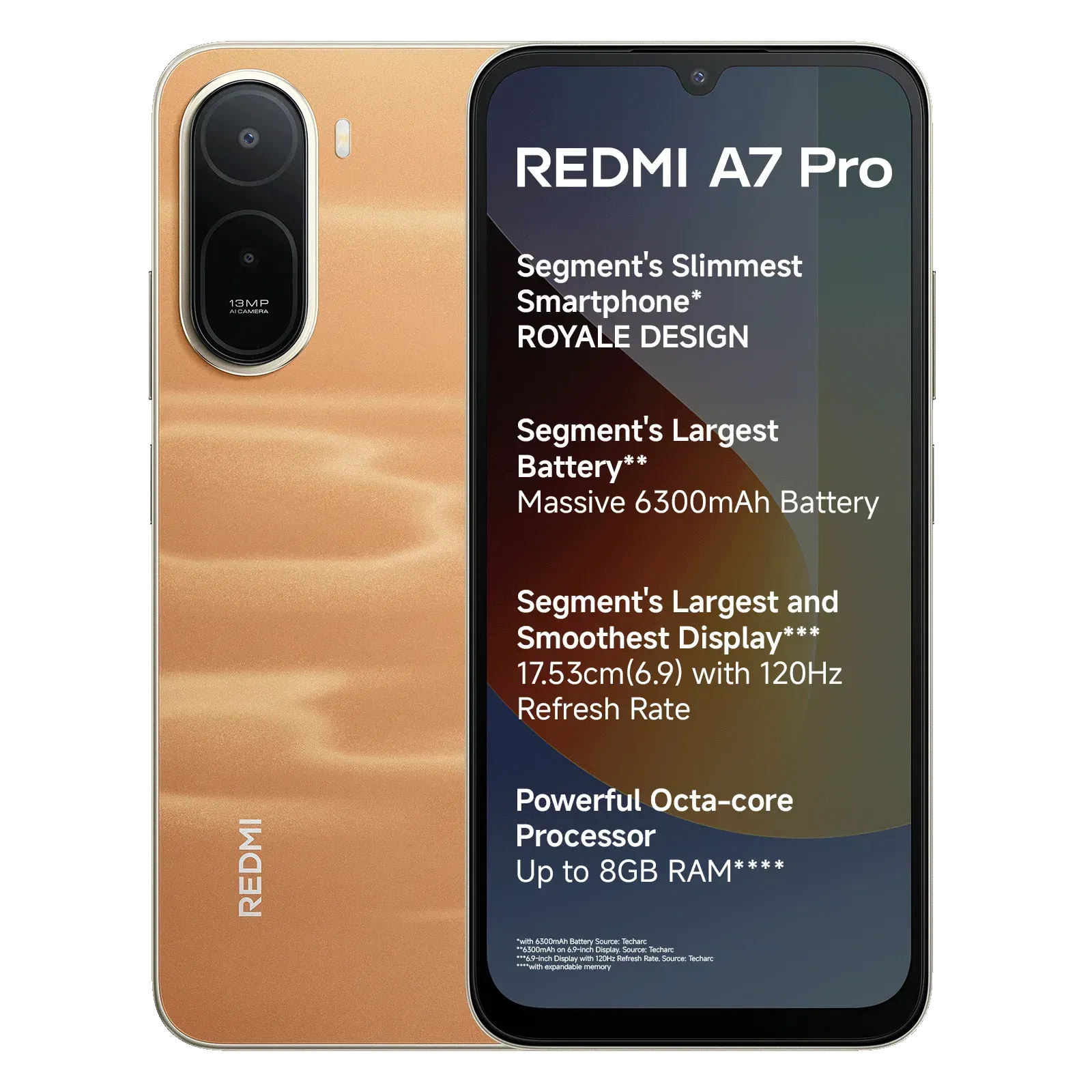
Redmi A7 Pro (4GB RAM, 64GB, Sunset Orange)
Rs. 13,499 from a stated Rs. 26,999 - exactly 50 per cent, one of the roundest badges here.
Why it earned its spot A price that is exactly half the stated MRP is a tier, not a markdown.
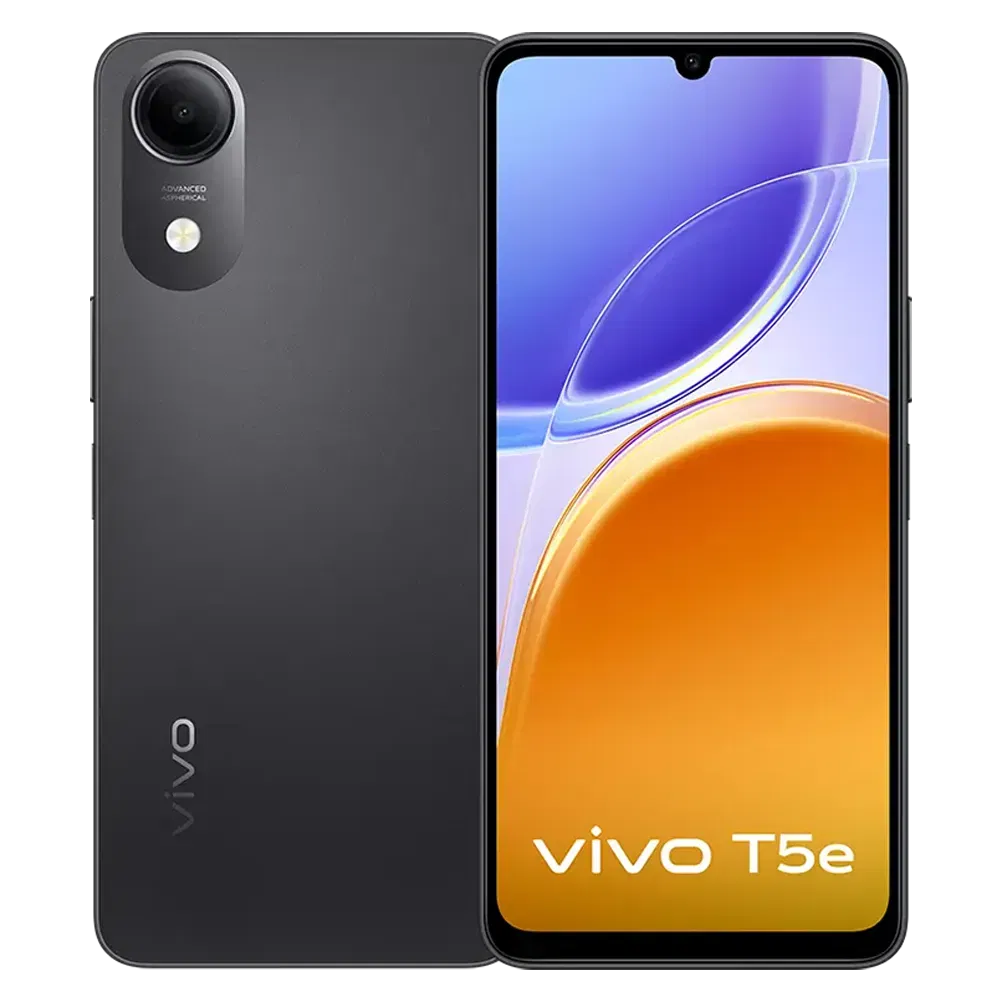
vivo T5e (4GB RAM, 64GB, Shadow Grey)
Rs. 13,999 from a stated Rs. 26,999 - 48 per cent off, from the brand with 38 listings on this shelf.
Why it earned its spot Vivo has more listings here than any other brand and discounts them deepest.
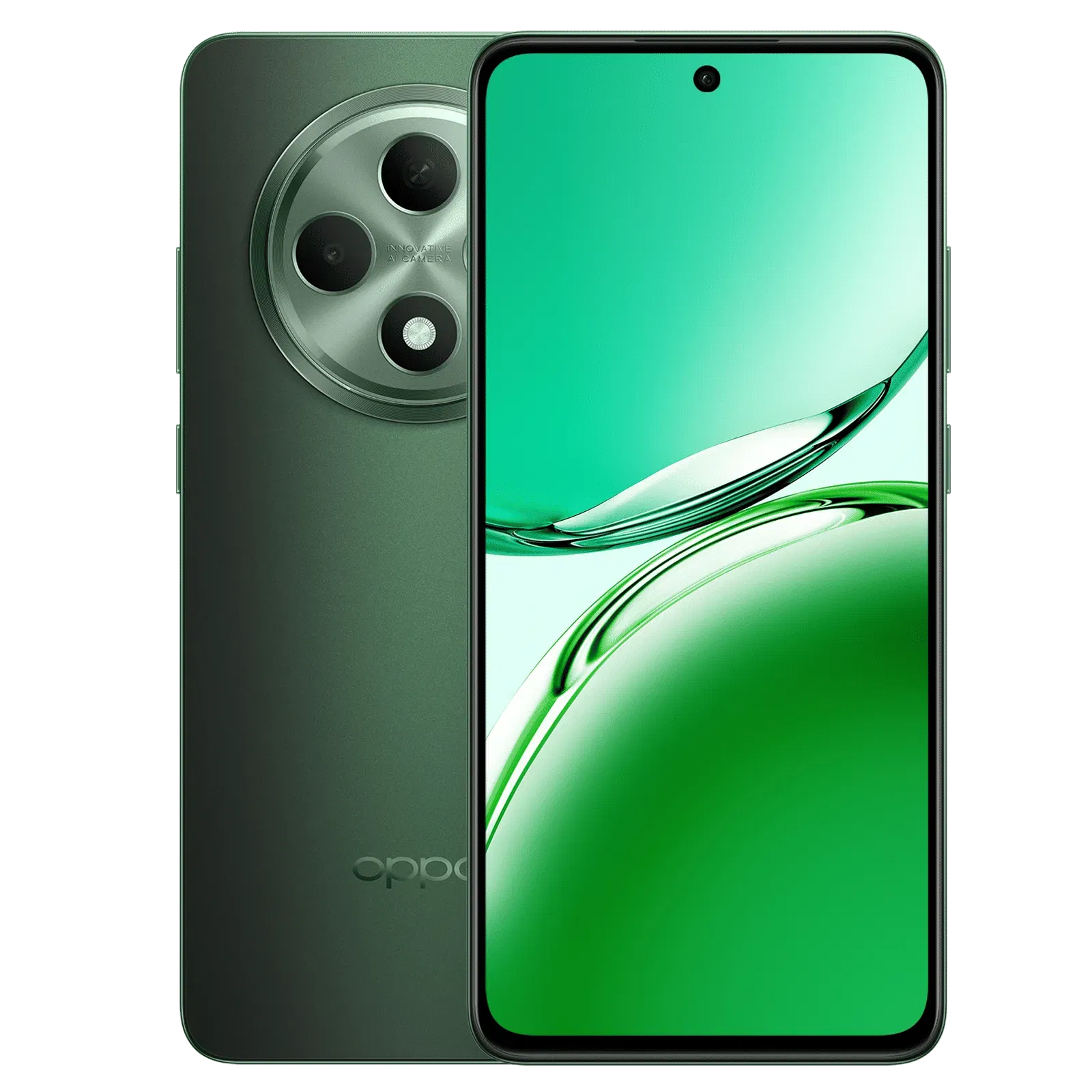
oppo F27 5G (8GB RAM, 128GB, Emerald Green)
Rs. 15,994 from a stated Rs. 26,999 - the cheapest 128GB phone we seated, at 41 per cent off.
Why it earned its spot Double the RAM and double the storage for Rs. 2,000 more than the 64GB phones.
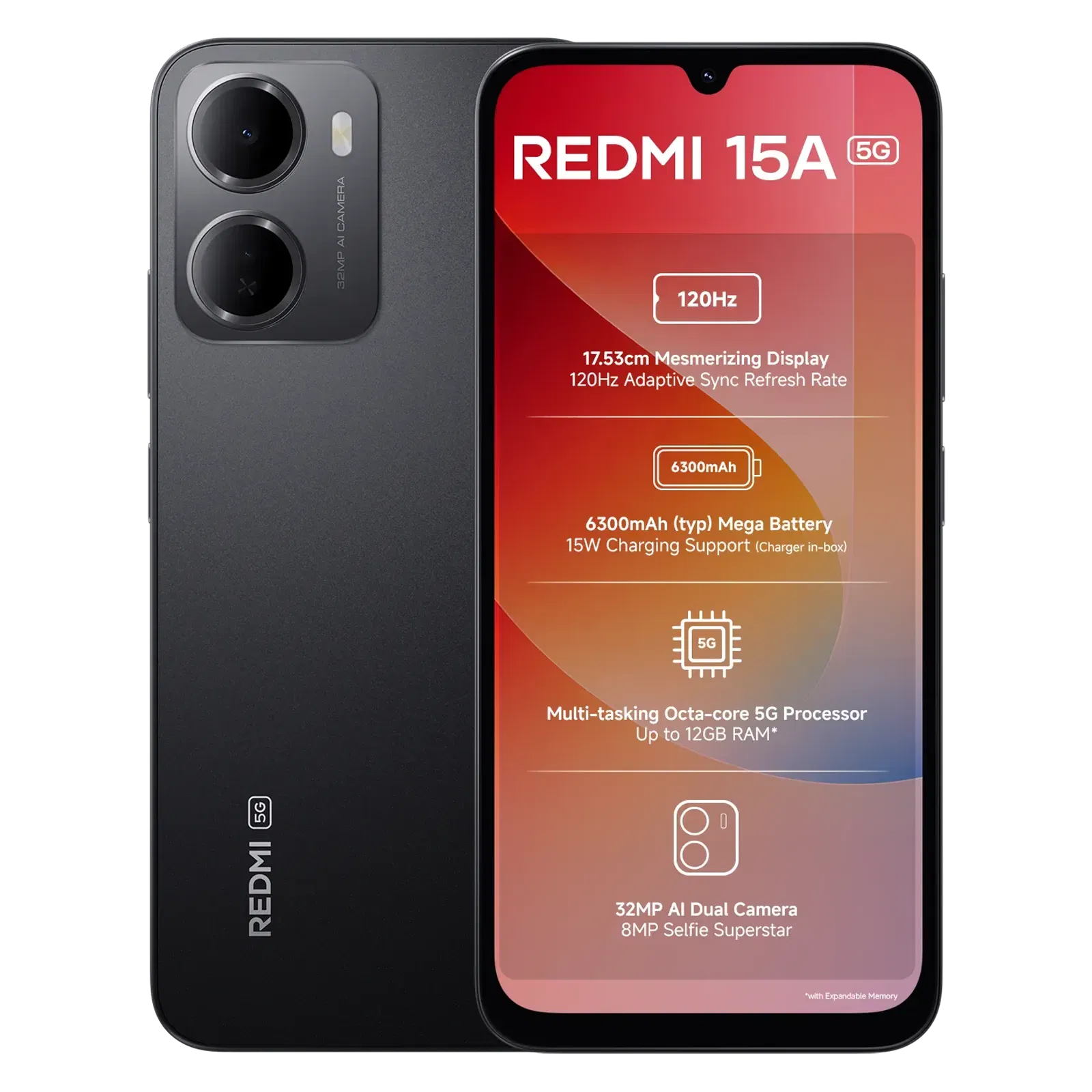
Redmi 15A 5G (4GB RAM, 128GB, Ace Black)
Rs. 17,499 from a stated Rs. 17,999 - a 3 per cent badge on a budget phone, which is unusual.
Why it earned its spot A new launch has no discount at any price point, including this one.
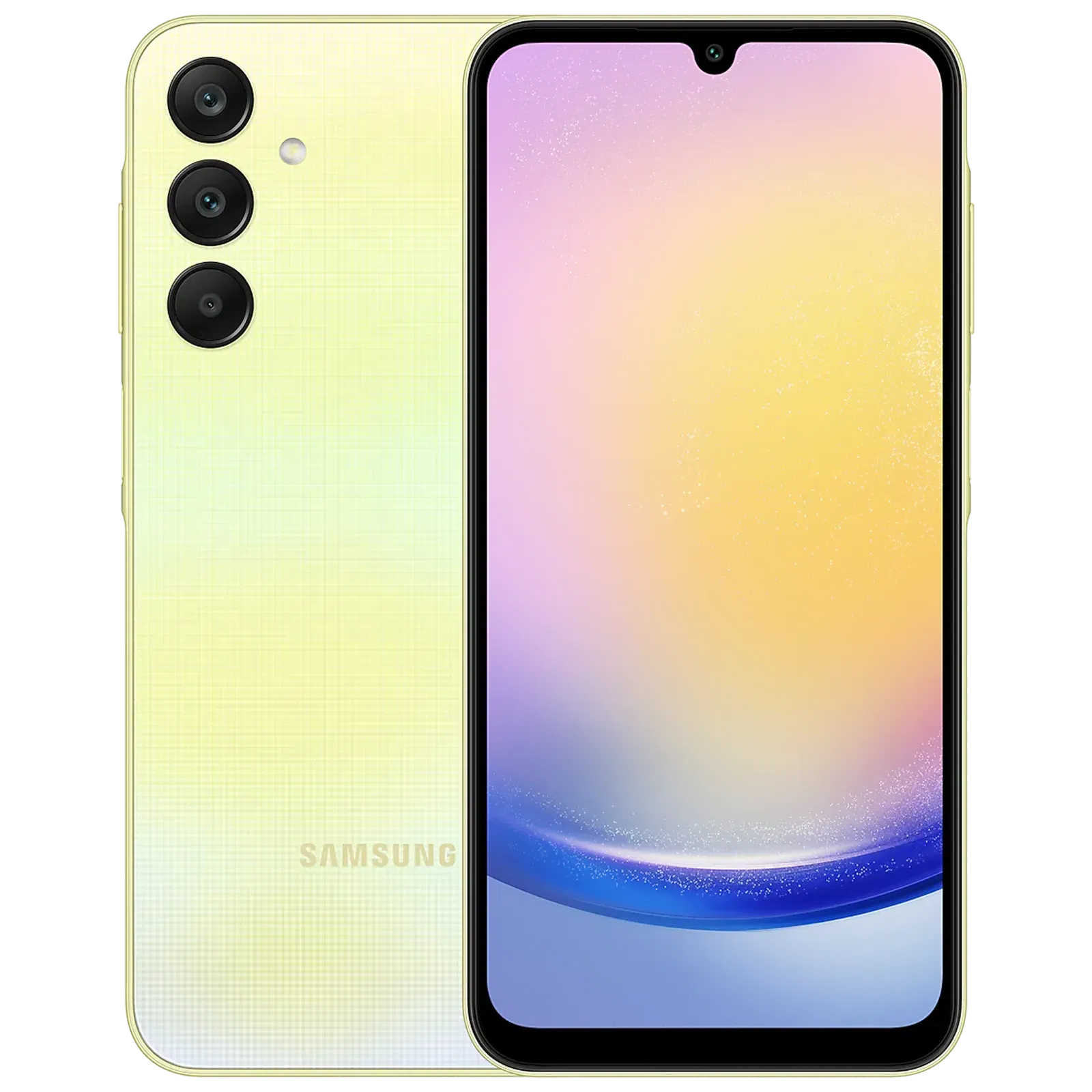
SAMSUNG Galaxy A25 5G (8GB RAM, 128GB, Yellow)
Rs. 18,494 from a stated Rs. 26,999 - 32 per cent off, against a Samsung median of 11.
Why it earned its spot Thirty-two per cent from a brand whose 31 listings here median 11 per cent.
Rs. 20,000 to Rs. 37,000, and One Impossible MRP
Six phones including the read's only listing above 55 per cent off - which states an MRP of exactly one lakh rupees.
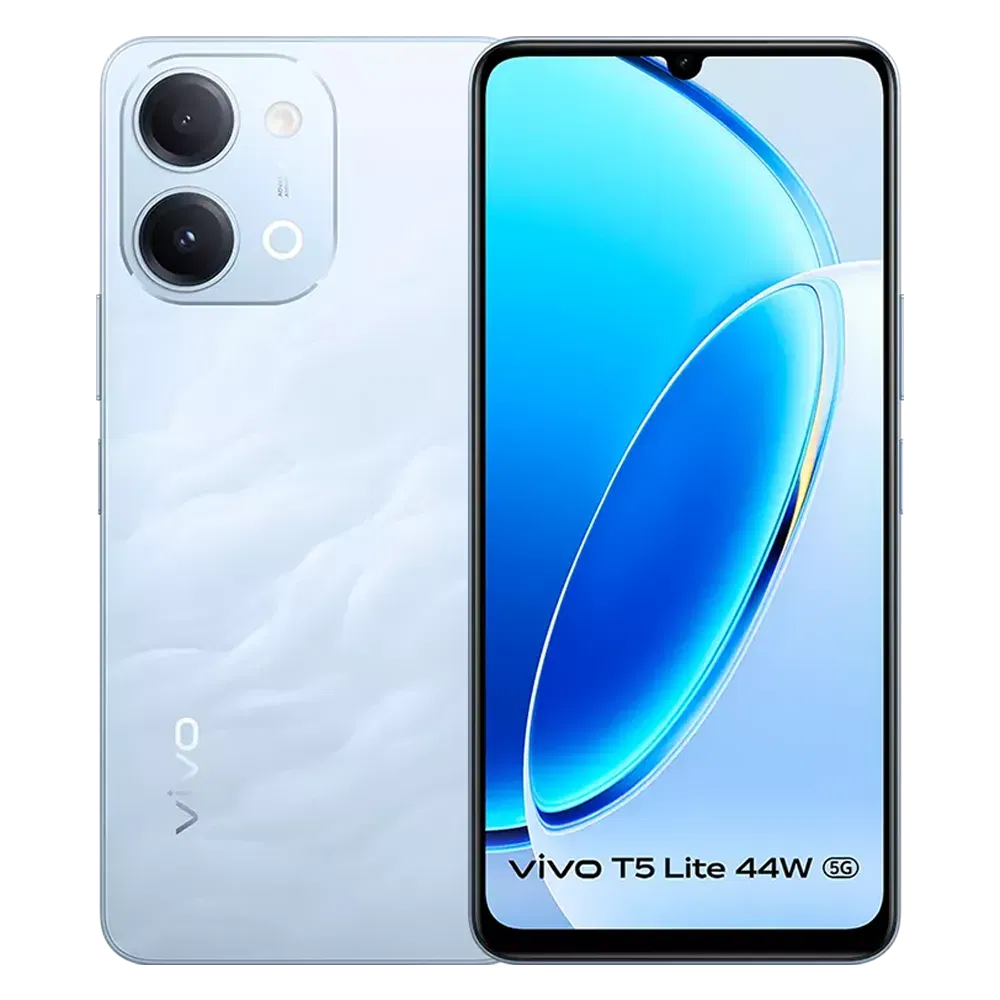
vivo T5 Lite 5G (4GB RAM, 128GB, Wave Blue)
Rs. 19,999 from a stated Rs. 33,999 - 41 per cent off at the top of the budget band.
Why it earned its spot The last deep discount before the shelf's badges start shrinking.

oppo K14 5G (6GB RAM, 128GB, Prism White)
Rs. 23,999 from a stated Rs. 42,999 - 44 per cent off, the largest legitimate reduction in this chapter.
Why it earned its spot Forty-four per cent off, from a brand whose median here is 17.
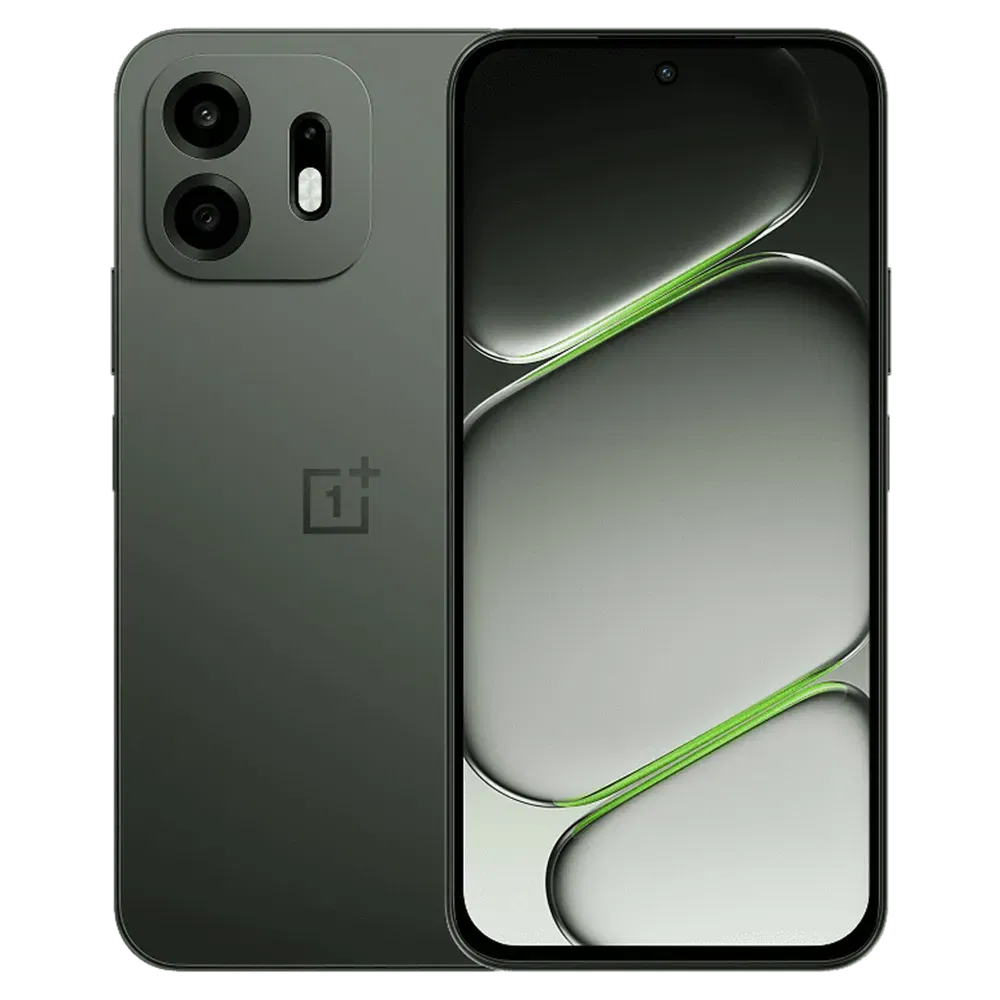
OnePlus N6 5G (6GB RAM, 128GB, Midnight Green)
Rs. 24,999 from a stated Rs. 33,999 - 26 per cent off, close to the brand's median of 16.
Why it earned its spot Nine OnePlus listings, a median 16 per cent - a brand that does not discount much.

realme P4 Power 5G (8GB RAM, 128GB, Trans Silver)
Rs. 27,999 from a stated Rs. 32,999 - a 15 per cent badge on a current-generation phone.
Why it earned its spot A current phone from a discount brand still only moves 15 per cent.
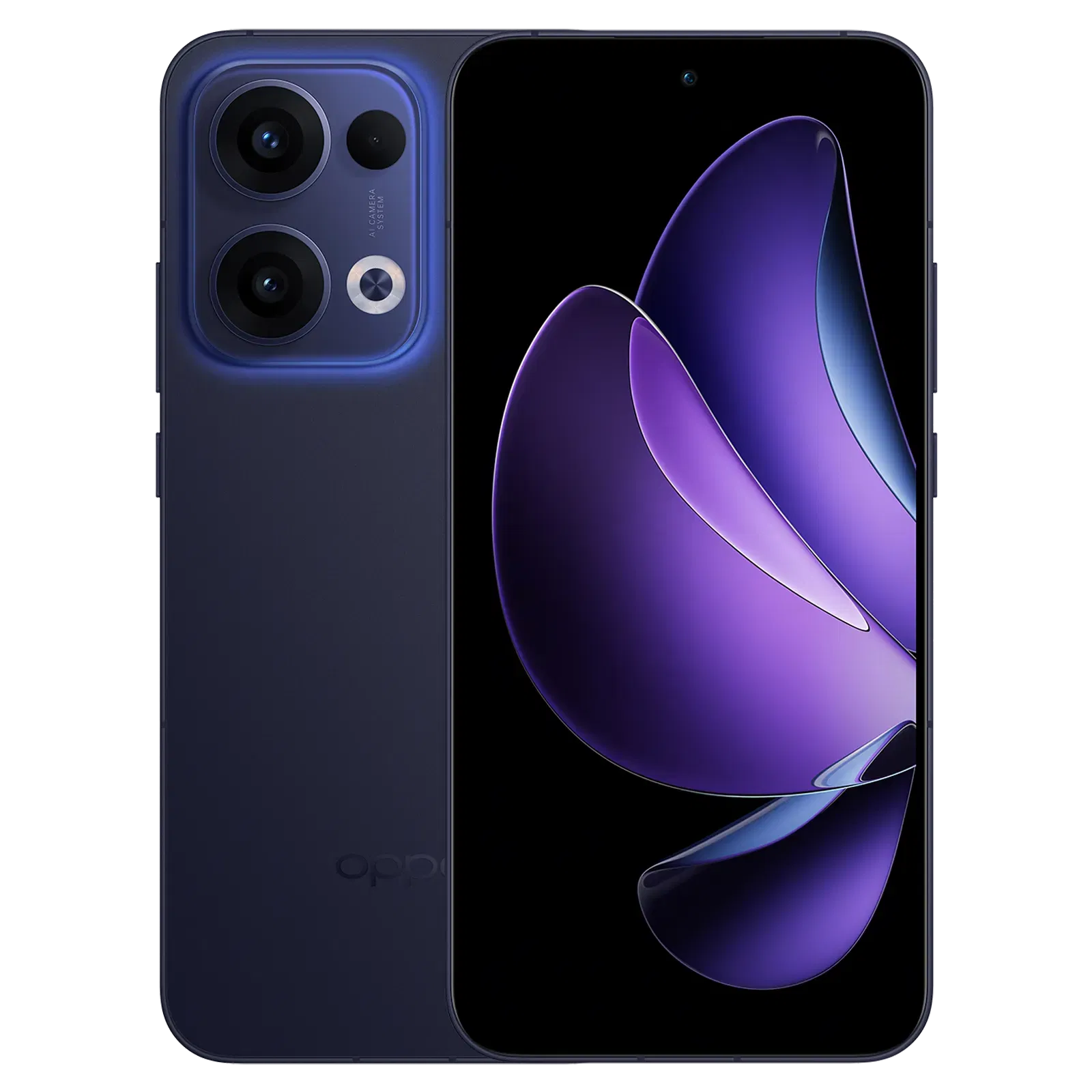
oppo Reno13 5G (8GB RAM, 128GB, Luminous Blue)
Rs. 35,999 against a stated Rs. 1,00,000 - the only listing in the read above 55 per cent off, on a round number nobody charged.
Why it earned its spot No oppo Reno has ever retailed in India at a lakh, and we will not repeat the claim.
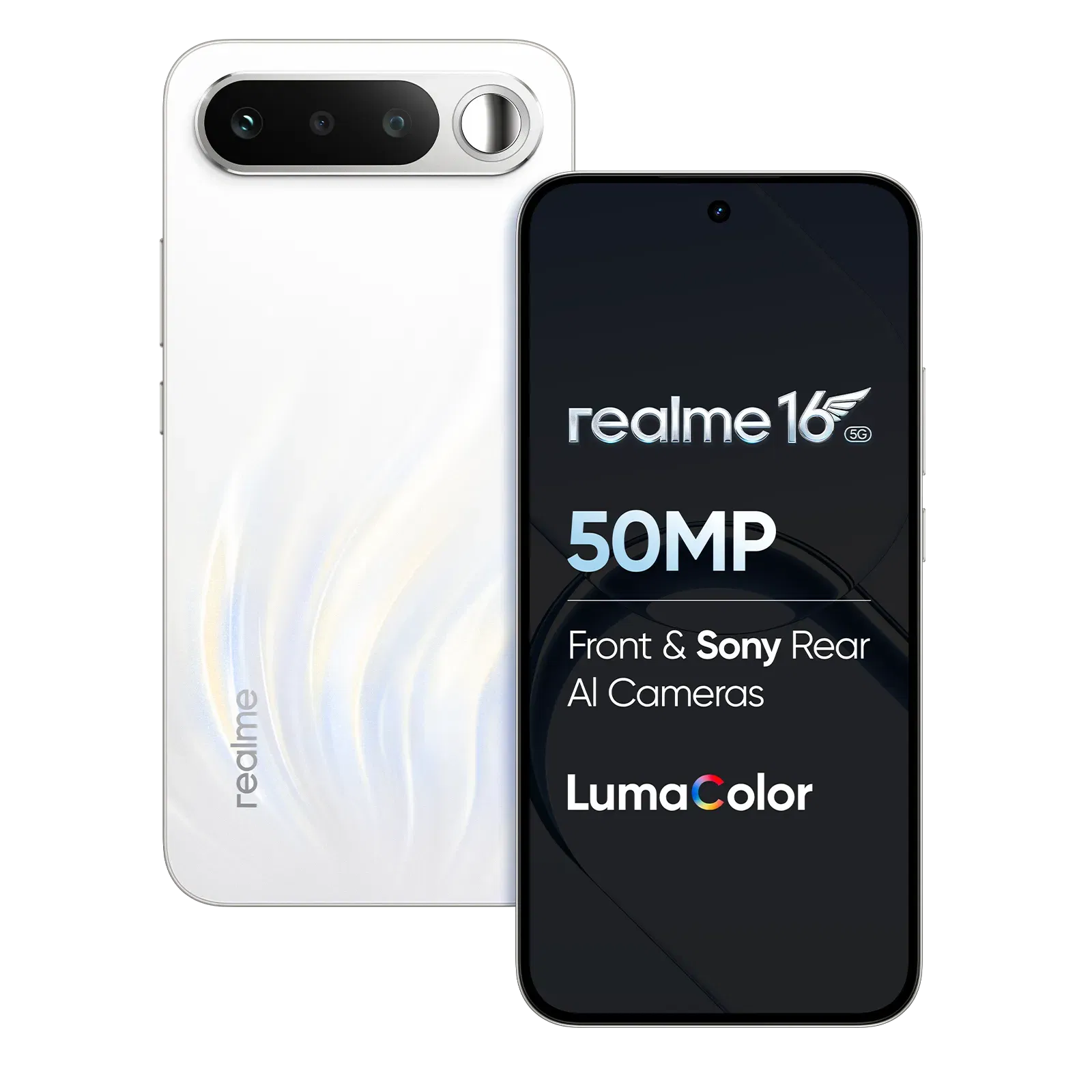
realme 16 5G (8GB RAM, 256GB, Air White)
Rs. 36,999 from a stated Rs. 44,999 - the cheapest 256GB phone we seated, at 18 per cent off.
Why it earned its spot The storage step to 256GB costs Rs. 9,000 here and Rs. 22,000 at Apple.
Rs. 39,000 to Rs. 77,000, Where the Badge Collapses
Six phones, and the shelf's central lesson - a two-year-old flagship at 50 per cent off sits beside a new phone at 2 per cent off.
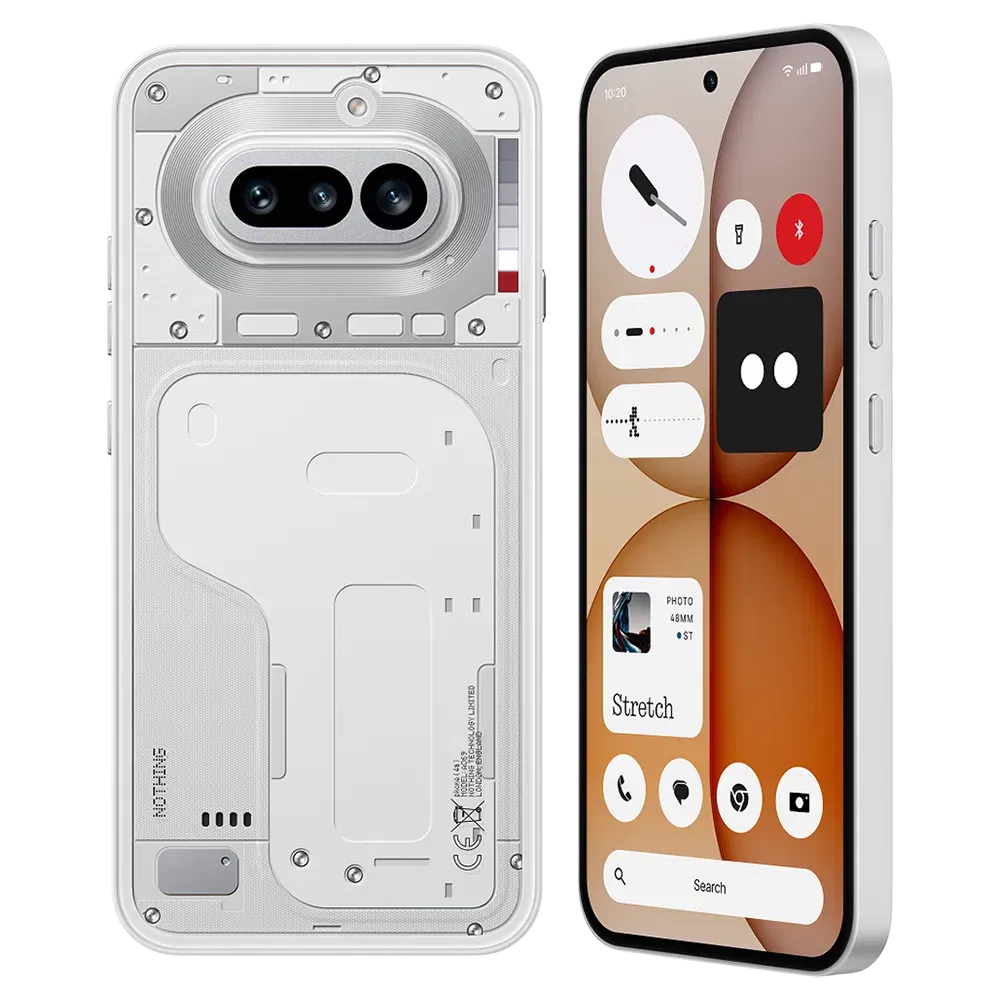
Nothing Phone 4a 5G (8GB RAM, 128GB, White)
Rs. 39,999 from a stated Rs. 40,999 - a Rs. 1,000 reduction, the smallest badge in its price band.
Why it earned its spot A recent launch from a small brand behaves exactly like Apple does.
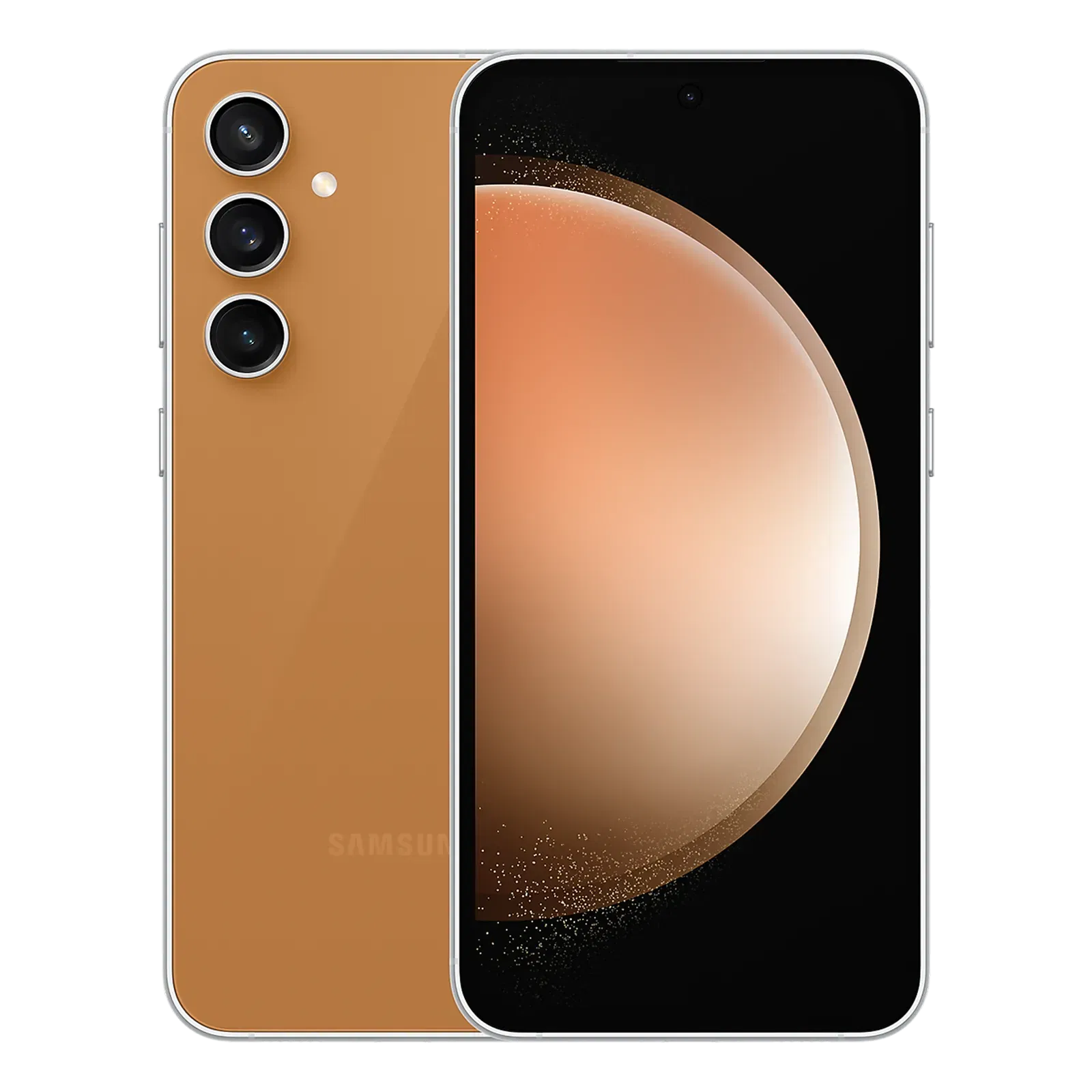
SAMSUNG Galaxy S23 FE 5G (8GB RAM, 128GB, Tangerine)
Rs. 39,994 from a stated Rs. 79,999 - the deepest genuine discount in the read, on a former flagship.
Why it earned its spot An older flagship at half price is the best hardware-per-rupee on this shelf.
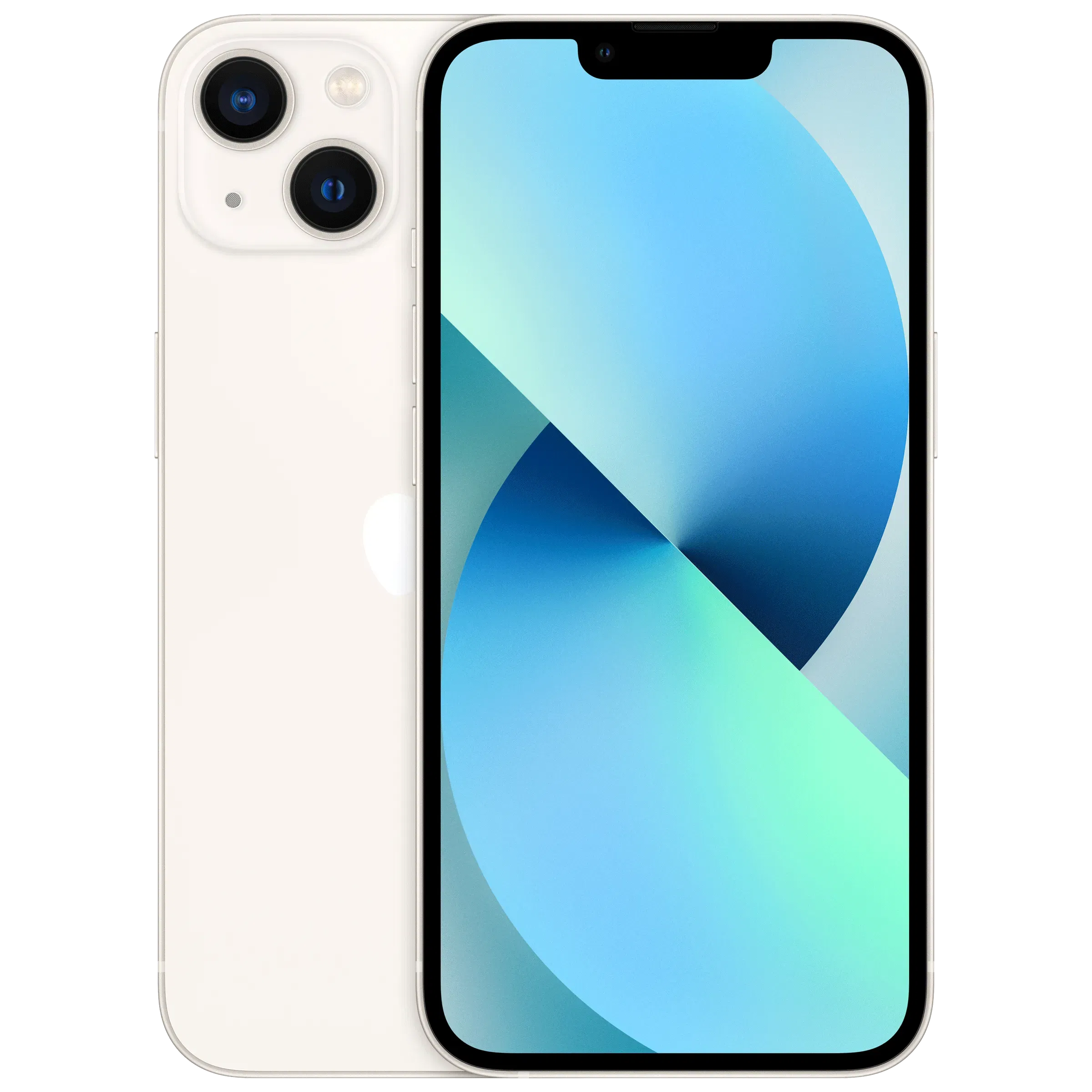
Apple iPhone 13 (128GB, Starlight White)
Rs. 45,690 from a stated Rs. 49,900 - 4.6 from 2,447 ratings, the largest sample in 157 listings.
Why it earned its spot Two thousand four hundred ratings is the only crowd on this entire shelf.
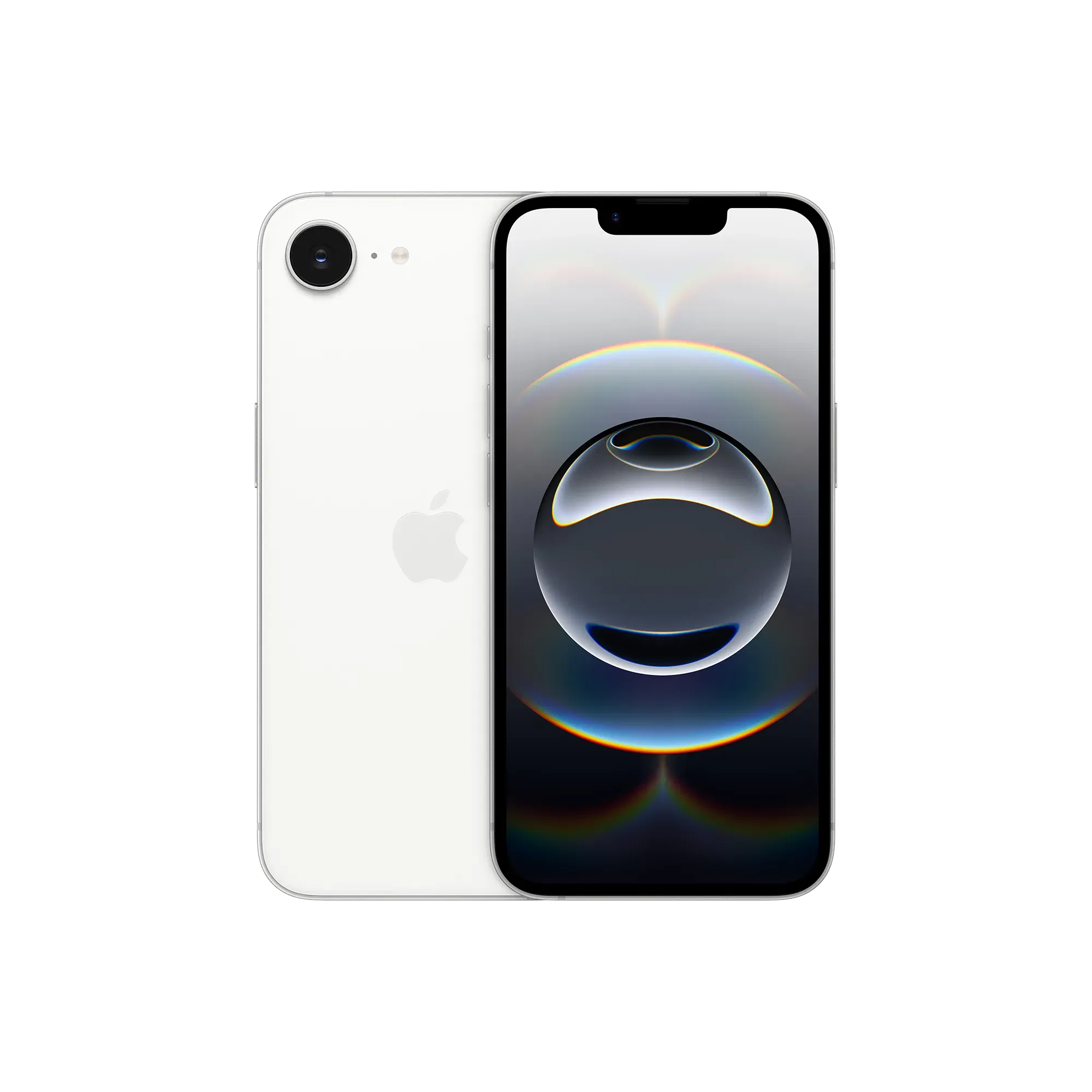
Apple iPhone 16e (128GB, White)
Rs. 56,490 from a stated Rs. 59,900 - 6 per cent off, the entry point to the current range.
Why it earned its spot Even Apple's cheapest current phone moves only Rs. 3,410.
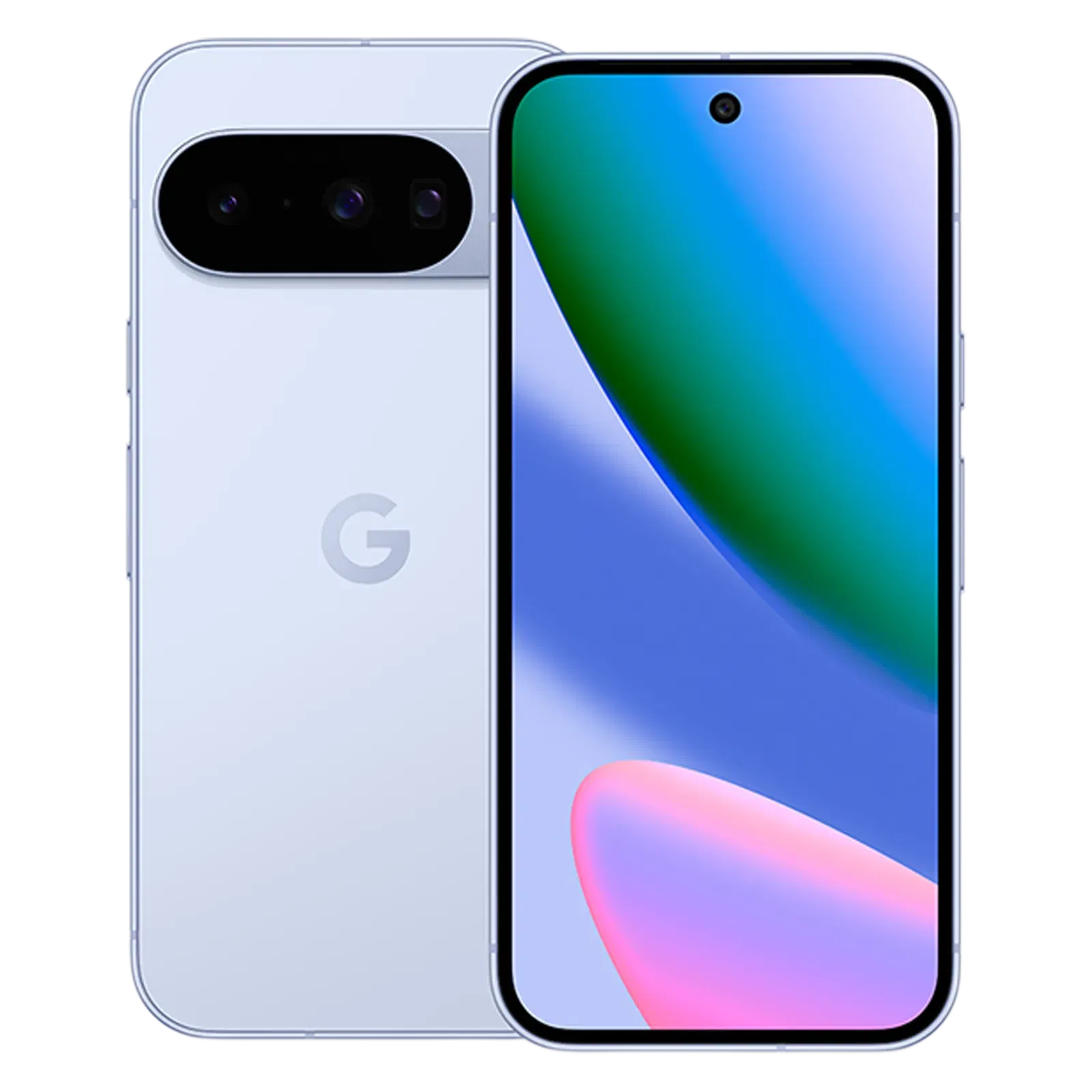
Google Pixel 10 5G (12GB RAM, 256GB, Frost)
Rs. 74,999 from a stated Rs. 79,999 - 6 per cent, the same reduction rate Apple runs at.
Why it earned its spot Three Pixel listings, all at 6 per cent - a brand that prices like Apple.
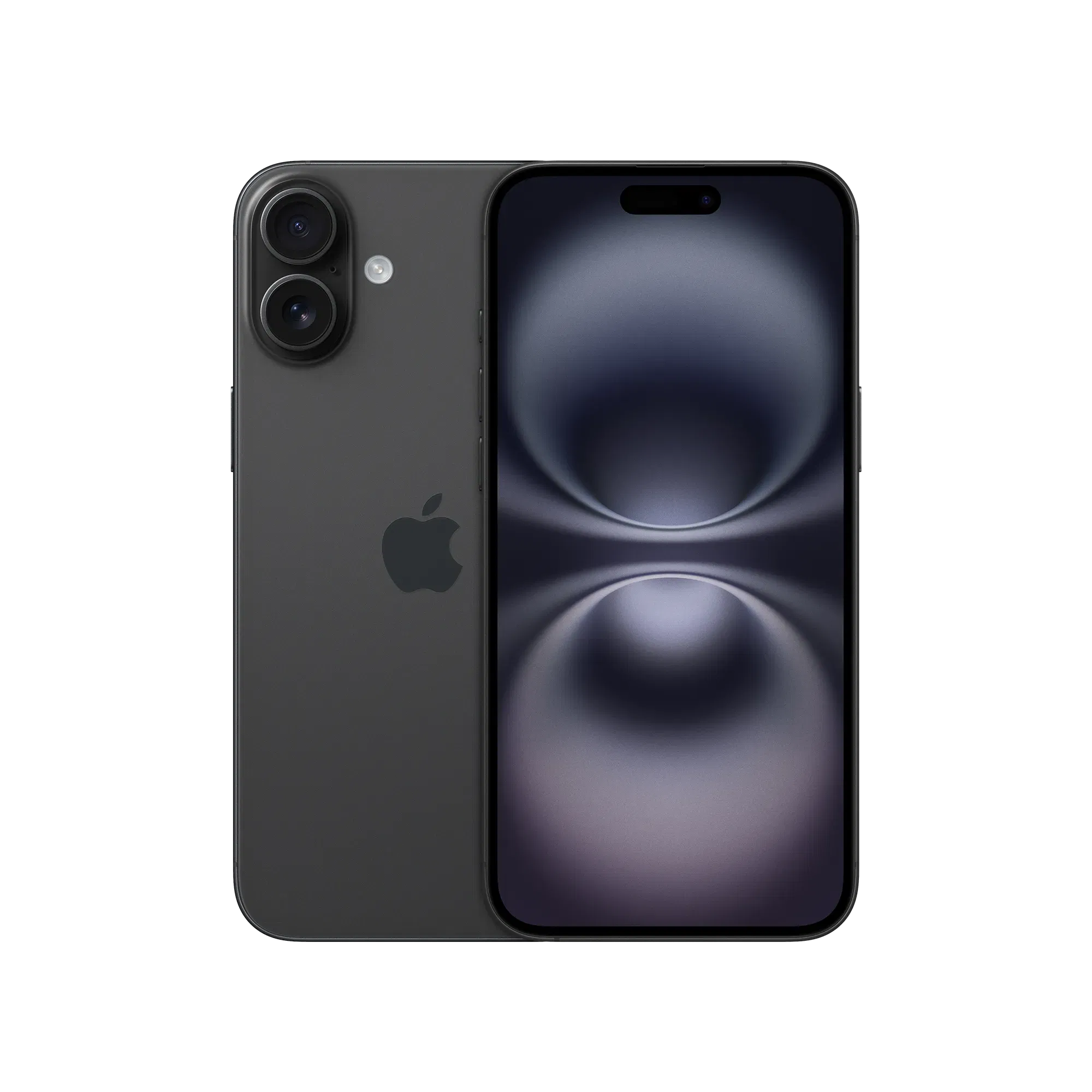
Apple iPhone 16 Plus (128GB, Black)
Rs. 76,990 from a stated Rs. 79,900 - Rs. 2,910 off a phone costing Rs. 76,990.
Why it earned its spot Three point six per cent of a Rs. 80,000 phone is Rs. 2,910.
Above Rs. 99,990: Apple's Flat Three Per Cent
Five listings from Rs. 99,990 to Rs. 2,24,990, where the same Rs. 2,910 to Rs. 5,410 comes off regardless of what the phone costs.
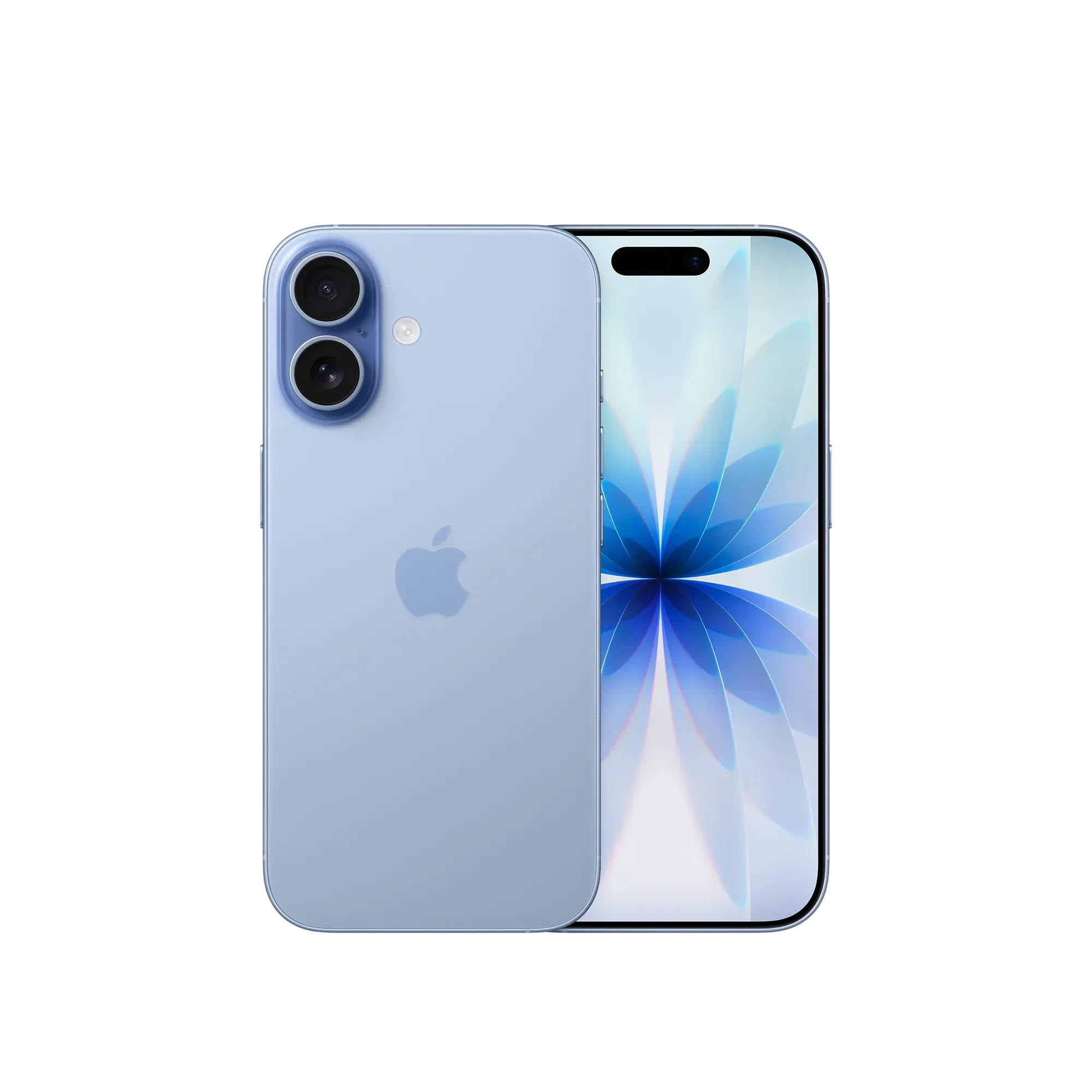
Apple iPhone 17 (512GB, Mist Blue)
Rs. 99,990 from a stated Rs. 1,02,900 - a Rs. 2,910 reduction on a lakh-rupee phone.
Why it earned its spot The same Rs. 2,910 discount as the phone costing Rs. 24,000 less.
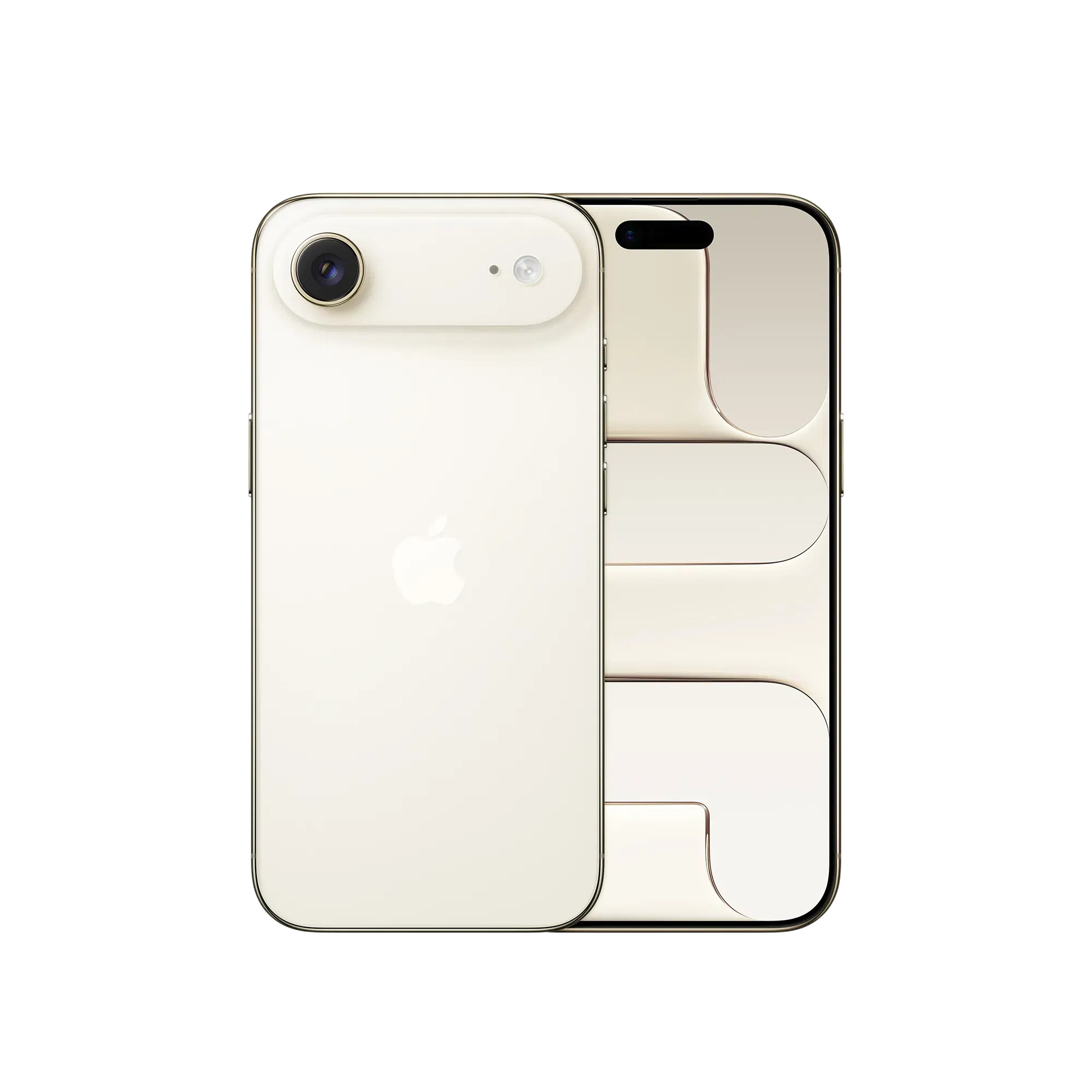
Apple iPhone Air (256GB, Light Gold)
Rs. 1,01,900 from a stated Rs. 1,19,900 - 15 per cent, the largest Apple discount in the read.
Why it earned its spot The one Apple phone discounted like a normal phone, which tells you something.
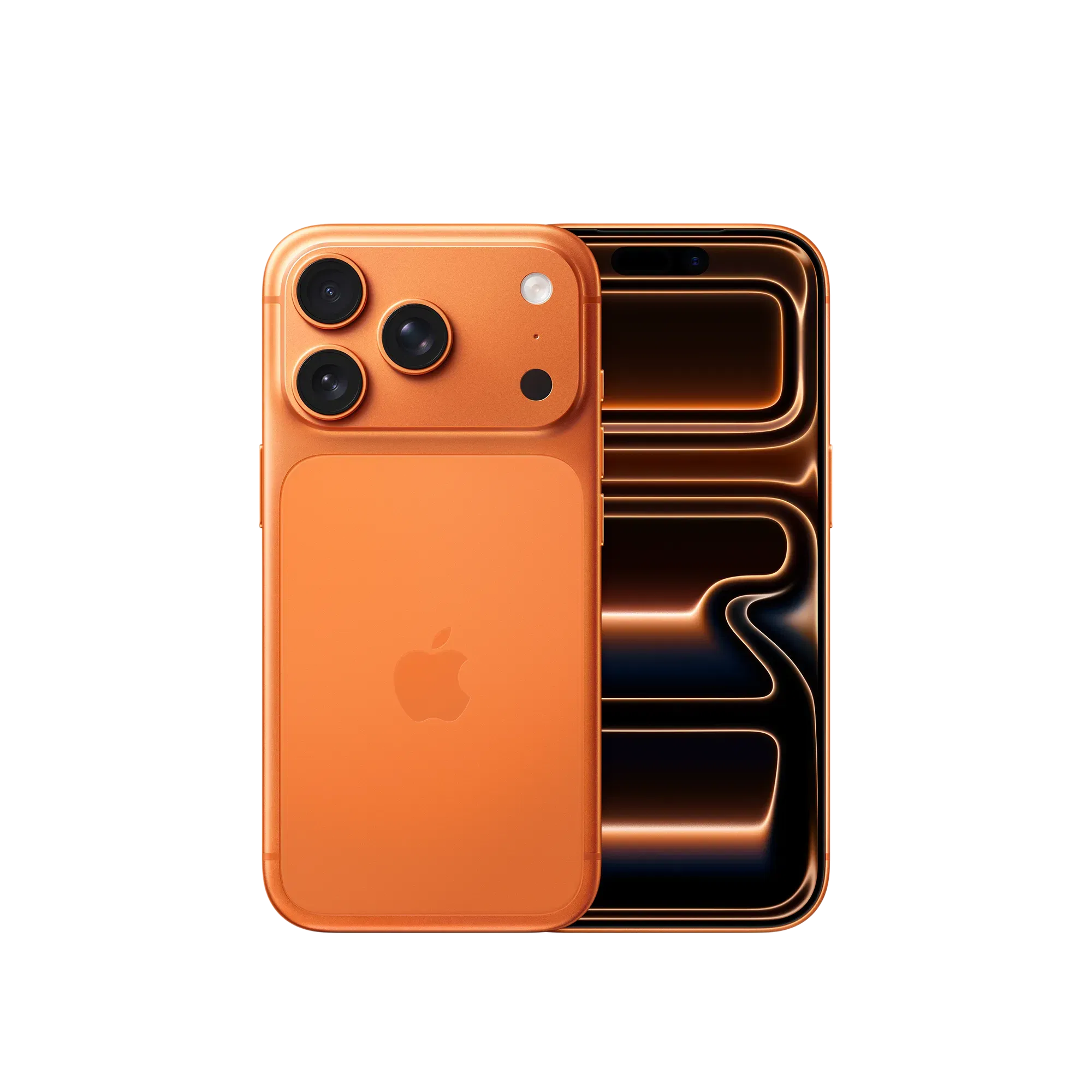
Apple iPhone 17 Pro (256GB, Cosmic Orange)
Rs. 1,29,490 from a stated Rs. 1,34,900 - Rs. 5,410 off a phone costing Rs. 1.29 lakh.
Why it earned its spot Four per cent is what a current-generation Pro costs to buy today.
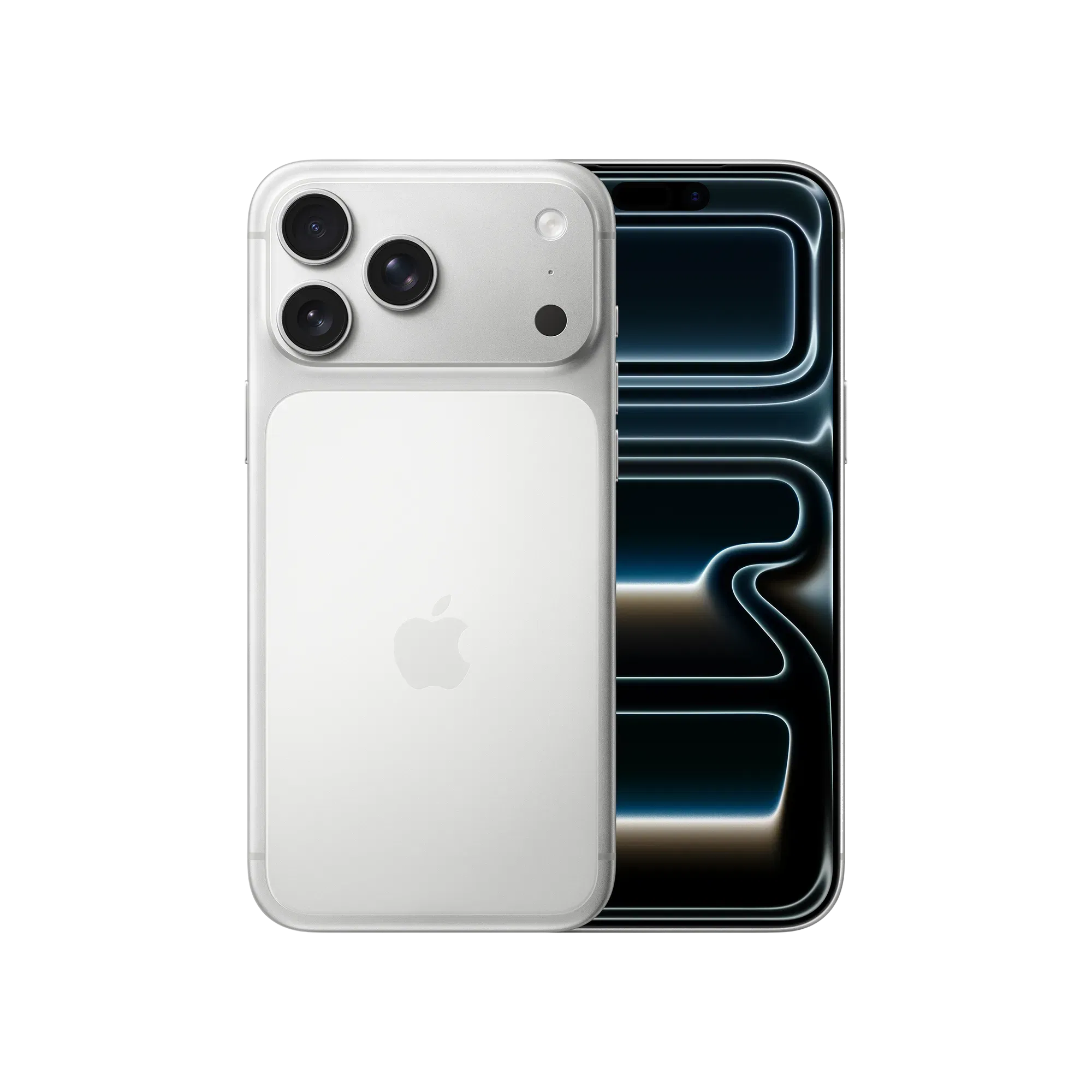
Apple iPhone 17 Pro Max (256GB, Silver)
Rs. 1,43,990 from a stated Rs. 1,49,900 - the Pro Max, at the identical badge as the Pro.
Why it earned its spot Rs. 14,500 more phone, exactly the same discount rate.
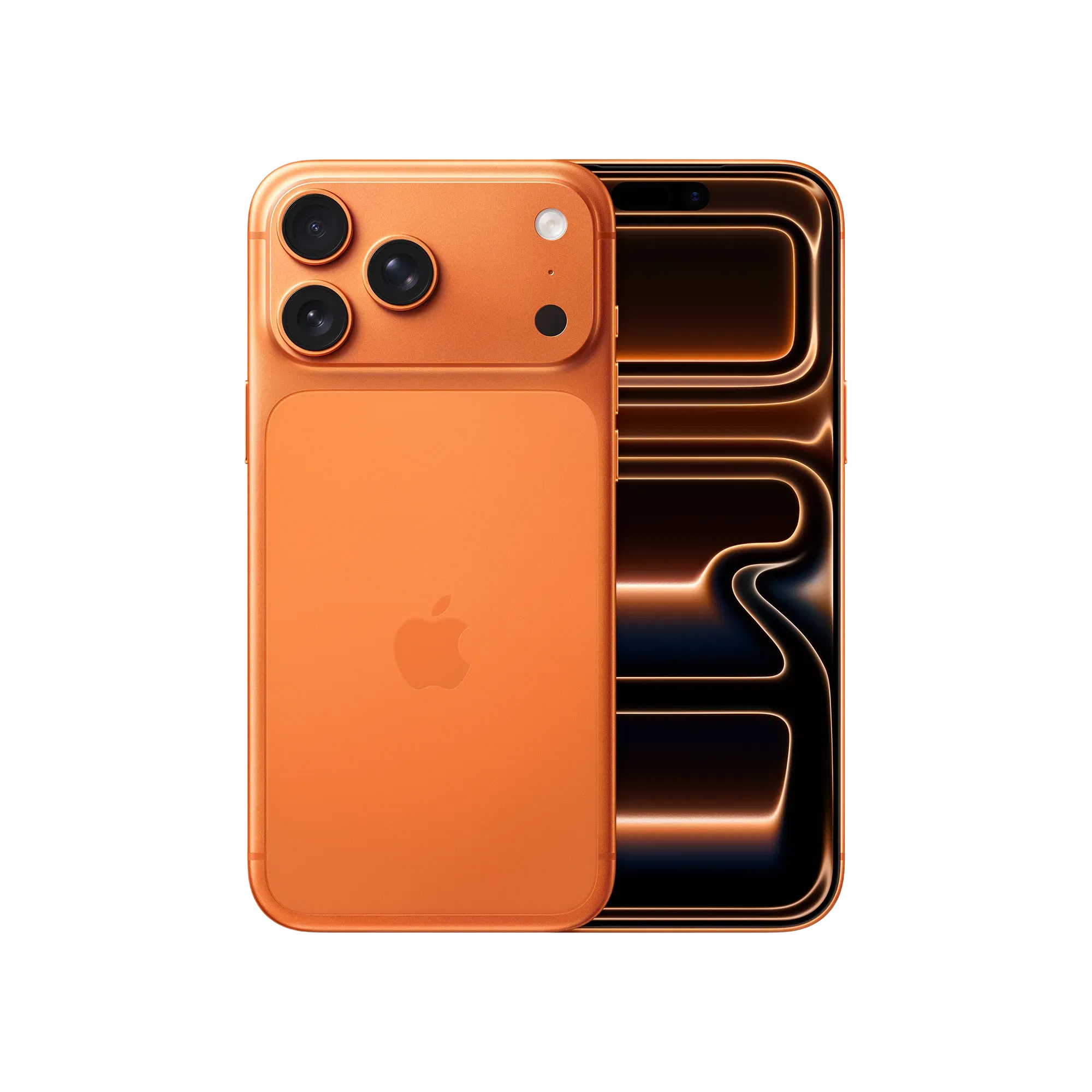
Apple iPhone 17 Pro Max (2TB, Cosmic Orange)
Rs. 2,24,990 from a stated Rs. 2,29,900 - two per cent off, the highest price in 157 listings.
Why it earned its spot The most expensive phone here carries the smallest badge on the page.
Five rules for buying a phone at an electronics chain
First: read the badge as a brand label - vivo runs a median 33 per cent here and Apple 4, so a big badge tells you who made the phone rather than whether today is the day. Second: ignore any MRP that lands on a round lakh; one listing here produced a 64 per cent badge that way, the same defect we found on the storage-step read. Third: on Apple hardware the only variable you control is the card offer and the exchange value, because the price does not move - the same flat pattern we found across the MacBook shelf. Fourth: prefer 8GB and 128GB as a floor, because storage cannot be added later and 64GB phones are still being sold at Rs. 14,000. Fifth: when a badge is twice its own brand's median, check the launch date - it usually means end-of-life stock and a shorter update window.
How our picks compare
| Product | Sale price | MRP | Discount |
|---|---|---|---|
| vivo Y19s 5G, 64GB | Rs. 7,999 | Rs. 14,999 | 47% |
| Redmi A7 Pro, 64GB | Rs. 13,499 | Rs. 26,999 | 50% |
| vivo T5e, 64GB | Rs. 13,999 | Rs. 26,999 | 48% |
| oppo F27 5G, 128GB | Rs. 15,994 | Rs. 26,999 | 41% |
| Redmi 15A 5G, 128GB | Rs. 17,499 | Rs. 17,999 | 3% |
| Samsung Galaxy A25 5G | Rs. 18,494 | Rs. 26,999 | 32% |
| vivo T5 Lite 5G, 128GB | Rs. 19,999 | Rs. 33,999 | 41% |
| oppo K14 5G, 128GB | Rs. 23,999 | Rs. 42,999 | 44% |
| OnePlus N6 5G, 128GB | Rs. 24,999 | Rs. 33,999 | 26% |
| realme P4 Power 5G | Rs. 27,999 | Rs. 32,999 | 15% |
| oppo Reno13 5G, 128GB | Rs. 35,999 | Rs. 100,000 | 64% |
| realme 16 5G, 256GB | Rs. 36,999 | Rs. 44,999 | 18% |
| Nothing Phone 4a 5G | Rs. 39,999 | Rs. 40,999 | 2% |
| Samsung Galaxy S23 FE | Rs. 39,994 | Rs. 79,999 | 50% |
| Apple iPhone 13, 128GB | Rs. 45,690 | Rs. 49,900 | 8% |
| Apple iPhone 16e, 128GB | Rs. 56,490 | Rs. 59,900 | 6% |
| Google Pixel 10 5G, 256GB | Rs. 74,999 | Rs. 79,999 | 6% |
| Apple iPhone 16 Plus, 128GB | Rs. 76,990 | Rs. 79,900 | 4% |
| Apple iPhone 17, 512GB | Rs. 99,990 | Rs. 102,900 | 3% |
| Apple iPhone Air, 256GB | Rs. 101,900 | Rs. 119,900 | 15% |
| Apple iPhone 17 Pro, 256GB | Rs. 129,490 | Rs. 134,900 | 4% |
| Apple iPhone 17 Pro Max, 256GB | Rs. 143,990 | Rs. 149,900 | 4% |
| Apple iPhone 17 Pro Max, 2TB | Rs. 224,990 | Rs. 229,900 | 2% |
What we skipped — and why
What we look for
We read the discount as a brand policy before we read it as an offer
Across 157 listings the median badge is 33 per cent on 38 vivo phones, 40 on 4 Redmis, 17 on 31 oppos, 16 on 9 OnePlus, 11 on 31 Samsungs, 6 on 3 Pixels and 4 on 35 Apples. Thirty of Apple's 35 listings sit between 2 and 6 per cent, across every storage size and colour it sells. That is not a sale pattern, it is a set of pricing policies, and it means the badge on this shelf predicts the brand almost perfectly and the value almost not at all. So we group this page by price band and name the brand's own median on every card.
We refuse to repeat a stated MRP that lands on a round lakh
One listing here states an MRP of exactly Rs. 1,00,000 against a Rs. 35,999 price, producing the only badge above 55 per cent in the entire read. The oppo Reno13 launched in India at well under half that stated figure. A stated MRP is the seller's own field and we cannot verify any of them, but a perfectly round lakh on a mid-range phone is the clearest case for saying so out loud rather than printing a Rs. 64,001 saving. We have seated that phone on its Rs. 35,999 price and said plainly that the MRP is not a number anyone charged.
We attach a rating pill to exactly one pick, because there is exactly one sample
Only 31 of the 157 rows carry any rating, and most of those rest on one or two votes - we counted 5.0 averages built on a single rating at four different price points. The one exception is the iPhone 13 at 4.6 from 2,447 ratings, which is the only listing on this shelf with a crowd behind it and the only pick here with a pill. Every other rating and count is quoted in the specification line and ranked on by nothing. On a shelf this thinly reviewed, a 5.0 is noise.
We say what the storage and RAM actually are, because that is what dates a phone
Two specifications decide how long a phone stays usable and both are fixed at purchase. Storage cannot be expanded on any phone in this read, and running out of it is the most common reason a working handset gets replaced - which is why we flag every 64GB listing as a constraint rather than a bargain, and why the Rs. 2,000 step from 4GB/64GB to 8GB/128GB on the oppo F27 is the best value move on this shelf. We also note where a deep badge signals end-of-life stock, because that shortens the software support window even when the hardware is fine.
FAQs
Why are iPhones never discounted at Croma?
Because Apple sets the price centrally and a retailer's room to move it is a thin margin adjustment rather than a markdown. In our August 12, 2026 read of 157 Croma phone listings, 35 were Apple and 30 of those sat between 2 and 6 per cent off, across every model, storage size and colour. More tellingly, the same absolute reduction keeps appearing: Rs. 2,910 comes off the iPhone 16 Plus at Rs. 76,990 and Rs. 2,910 comes off the iPhone 17 at Rs. 99,990, which is why the percentage shrinks as the price rises. The practical consequence is that waiting for an iPhone sale at an electronics chain is not a strategy. What does move the number is a bank card offer at checkout, an exchange value on an old handset, and a no-cost EMI arrangement - none of which appears in the prices on this page, and all of which are worth more than the badge.
Is a 50 per cent discount on a phone real?
Sometimes yes, sometimes it is arithmetic on a made-up MRP, and the two are distinguishable. The Samsung Galaxy S23 FE on this page is Rs. 39,994 against a stated Rs. 79,999 - a former flagship at half its genuine launch price, which is a real reduction and the best hardware-per-rupee on the shelf. The oppo Reno13 is Rs. 35,999 against a stated Rs. 1,00,000, which is the only badge above 55 per cent in our whole read and rests on a perfectly round lakh that no Reno has ever retailed at in India. The test is whether the stated MRP is a number the phone plausibly launched at. Where it is, a deep badge usually signals end-of-life stock - good value on hardware, with a shorter software support window. Where the MRP is a round number, the badge is decoration.
Which brand discounts most on Croma?
Vivo, by a wide margin, and it is a distribution strategy rather than a sale. Across our 157 rows the median badge was 33 per cent on 38 vivo listings - more shelf space than any other brand, discounted deeper than any other brand. Redmi's four listings ran a median 40 per cent, oppo's 31 listings 17 per cent, OnePlus 16, Samsung 11, Google 6 and Apple 4. The practical read is that under about Rs. 30,000 a vivo or an oppo will usually lead on paper specification for the money, because those brands are buying volume through Indian electronics retail. Above Rs. 40,000 the discounting largely stops, and what you are choosing between is a current mid-range phone at full price or a two-year-old flagship at half - which on components is almost always the better buy.
Is 64GB of storage enough on a phone in 2026?
No, and several phones on this shelf still ship with it at Rs. 8,000 to Rs. 14,000. Storage cannot be expanded on any handset in our read, and running out of it is the single most common reason a mechanically fine phone gets replaced after two years - the operating system alone takes a growing share of it, and a year of photographs takes most of the rest. The best value step on this entire shelf is the oppo F27 at Rs. 15,994, which doubles both RAM and storage to 8GB and 128GB for roughly Rs. 2,000 more than the 4GB/64GB phones beneath it. If the budget is genuinely fixed at Rs. 8,000, buy the 64GB phone and plan to manage it - but if Rs. 2,000 of headroom exists, this is the place to spend it, not on a newer model number.
Which pick on this page is the best buy?
At Rs. 40,000, the Samsung Galaxy S23 FE at Rs. 39,994 - a two-generation-old flagship at half a genuine Rs. 79,999 launch price, which beats any current mid-range phone at that money on screen, camera sensor and build. Check how many Android versions it has left before you buy. Under Rs. 20,000, the oppo F27 5G at Rs. 15,994 is the best specification step on the shelf, doubling RAM and storage over everything cheaper for about Rs. 2,000. If you want an iPhone, the 16e at Rs. 56,490 is the cheapest current model and there is no better day to buy it - only a better card offer. And the iPhone 13 at Rs. 45,690 is the only listing in 157 rows with a real rating sample behind it, at 4.6 from 2,447 votes.
More Croma coverage on Zoutons

Trending
 Flipkart Big Billion Days 2026 Is Live: General Access Open October 9
  Myntra Sale Calendar 2026: Big Fashion Festival Live Now, Winter EORS Dates
  Amazon Upcoming Sale Calendar 2026: Next Sale Dates India, GIF & More
  Nykaa Sale Calendar 2026: Diwali Dhamaka & Pink Friday Dates, Next Sale
  Amazon Great Indian Festival Kitchen Offers October 2026: Air Fryers, Mixers
  Udemy Upcoming Sale 2026: Next Sale Dates, Black Friday & Coupons
 More From Croma



 Booking com
  Hostinger
  Dell
Dell  Udemy
Udemy  Agoda
Agoda  Nykaa
Nykaa  Myntra
  Ajio
Ajio