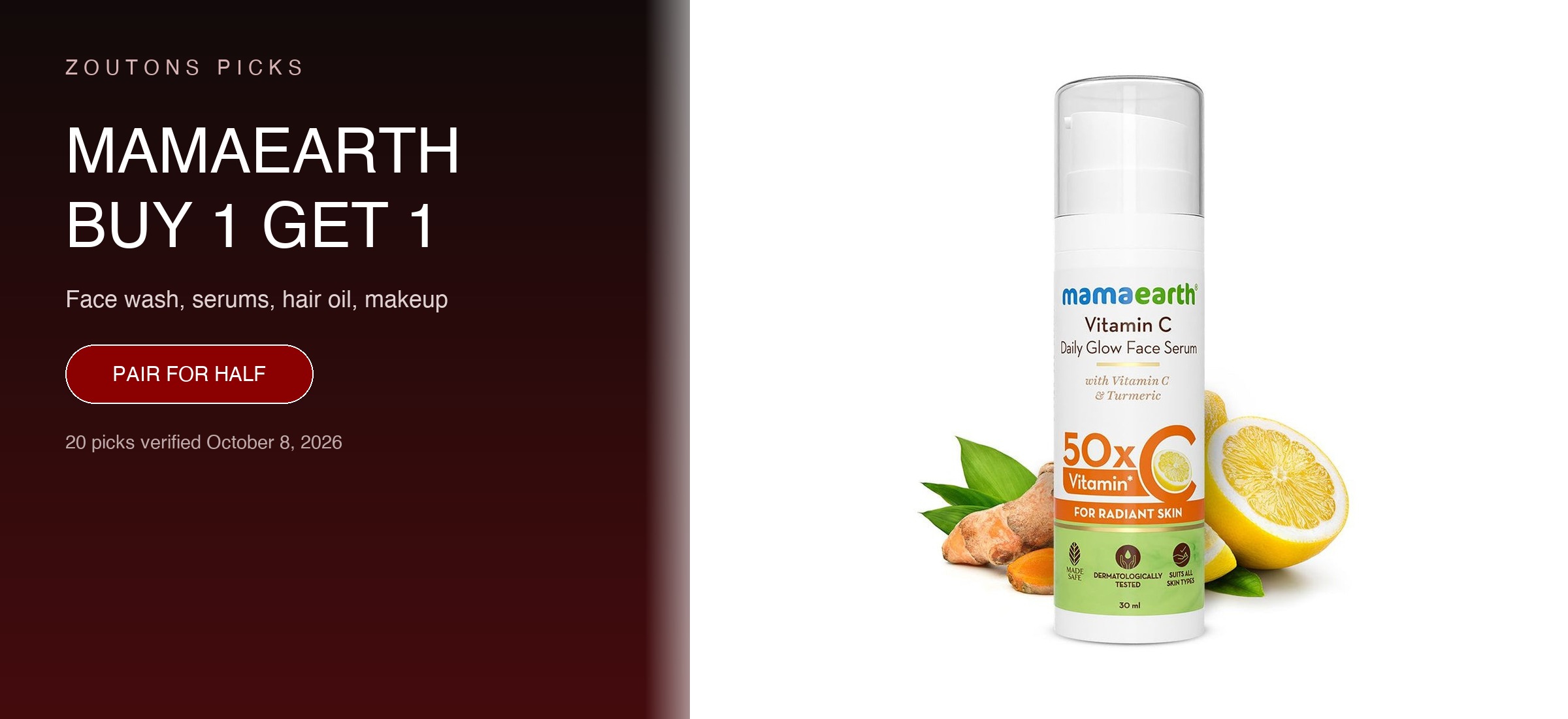
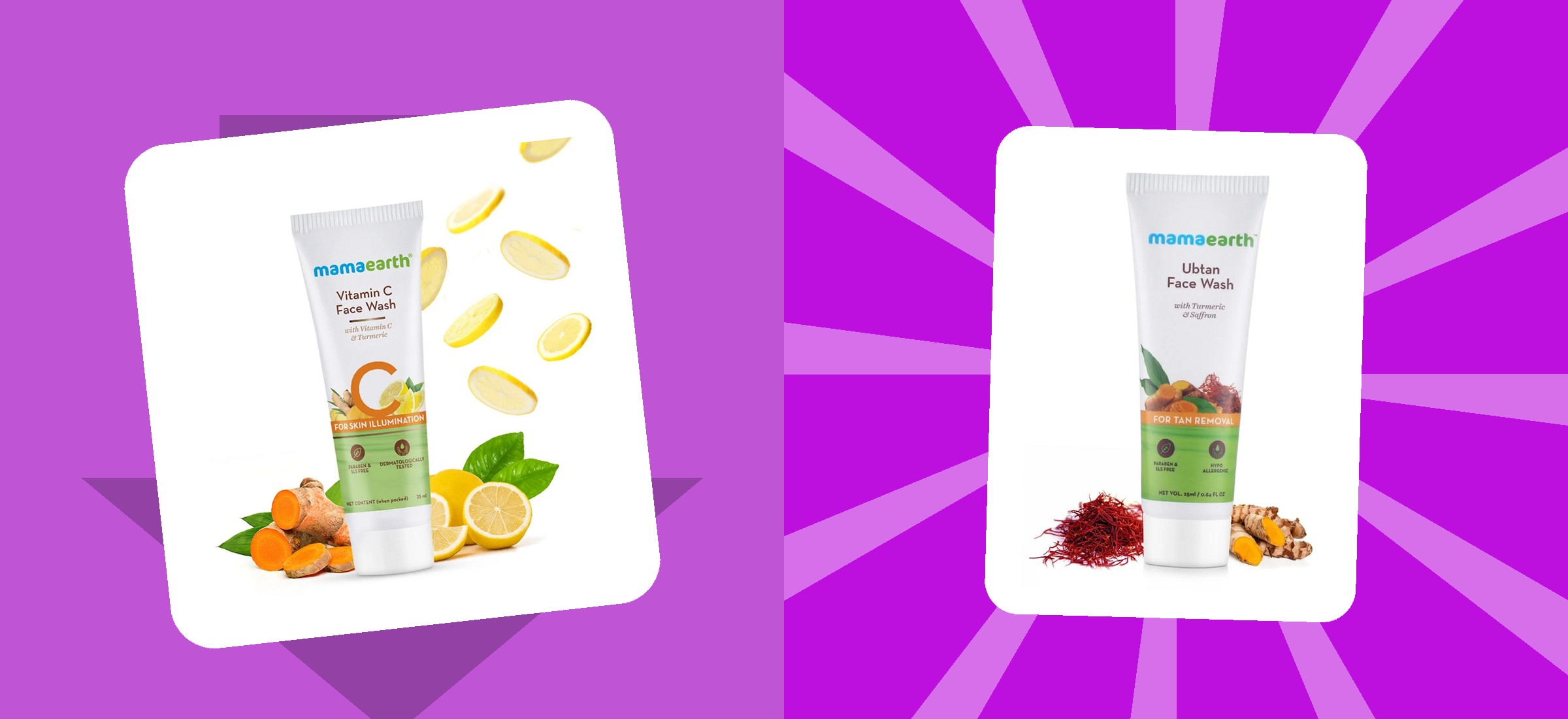
![Mamaearth skin and hair care products from the brand's own product feed, used here to illustrate a page about Mamaearth's privacy policy]()
A privacy policy is the document everyone accepts and nobody reads, so it is worth reading the paragraph that does the most work. We read Mamaearth's Privacy Policy on 14 October 2026.
It appears early, before the policy has defined its own terms. "You agree and consent to receive all communications related to our services on the mobile number provided by you to the Company, even if such mobile number is registered under DND/NCPR list." And then: "no communication to you from the Company... shall be construed as Unsolicited Commercial Communication under Regulation 2(bw) of the TRAI Regulations." Taking that consent is lawful and ordinary across Indian e-commerce — the useful part is knowing that your DND registration is not the thing that will stop the messages.
Below: every category of data the policy says it collects, including "names of people to whom purchases have been shipped" and "any open data and public records"; the three routes data travels despite "We do not rent or sell"; and the three opt-out routes the policy names, which are what actually answers the clause above. Everything quoted verbatim. This is a description of a published document, not legal advice.
Verbatim, from Mamaearth's Privacy Policy
Read 14 October 2026 on mamaearth.in/policies/privacy-policy
"Further, you agree and consent to receive all communications related to our services on the mobile number provided by you to the Company, even if such mobile number is registered under DND/NCPR list under the Telecom Commercial Communications Customer Preference Regulations, 2018."
📅 Update log:
14 October 2026 — First publication. Mamaearth's Privacy Policy read in full from mamaearth.in/policies/privacy-policy, logged out, in India, nothing bought and no account registered. Recorded this read: the DND/NCPR consent clause and the TRAI Regulation 2(bw) confirmation; the nine categories of personal information including shipped-to recipients, open data and public records, payment details and future affiliates; the four stated legal bases for processing; the "we do not rent or sell" statement alongside the merger, corporate-entity and co-sponsor sharing clauses; the Google AdSense, DART and DoubleClick disclosures; the three marketing opt-out routes and the consent-withdrawal clause with its prior-processing and retention caveats; the review-removal caveat about caches; the breach liability disclaimer; the under-18 clause; the immediate-effect amendment clause; and the Grievance Officer published under the Information Technology Act, 2000 and the Consumer Protection Act, 2019. No price, discount or coupon code is asserted anywhere on this page. Content verified 14 October 2026.
The clause that puts you outside the Do Not Call register
A privacy policy is the one document nobody reads and everybody accepts, so it is worth reading the paragraph that does the most work. We read Mamaearth's Privacy Policy on 14 October 2026.
The paragraph in question appears early, before the policy has even defined what personal information means. "Further, you agree and consent to receive all communications related to our services on the mobile number provided by you to the Company, even if such mobile number is registered under DND/NCPR list under the Telecom Commercial Communications Customer Preference Regulations, 2018."
It then goes two steps further. "Notwithstanding your registration with the National Do Not Call Registry (In Fully or Partly blocked category under National Customer Preference Register set up under the Telecom Regulatory Authority of India), you hereby express your interest and accord informed consent to receive communications (including commercial communications) in relation to the Company's services." And: "You further confirm that no communication to you from the Company or on behalf of the Company shall be construed as Unsolicited Commercial Communication under Regulation 2(bw) of the TRAI Regulations."
Taking a customer's consent this way is lawful and entirely routine across Indian e-commerce, and nothing on this page suggests otherwise. The reason it is worth knowing is narrower: a shopper who went to the trouble of registering on the DND list is unlikely to realise that placing an order has, by the policy's own wording, set that registration aside — and that the way back is the unsubscribe link, not the registry.
Verbatim, from Mamaearth's Privacy Policy, read 14 October 2026: "Notwithstanding your registration with the National Do Not Call Registry... you hereby express your interest and accord informed consent to receive communications (including commercial communications) in relation to the Company's services. You further confirm that no communication to you from the Company or on behalf of the Company shall be construed as Unsolicited Commercial Communication under Regulation 2(bw) of the TRAI Regulations."
Every category of data the policy says it collects
| What is collected | The policy's wording | Note |
|---|
| Name and contact details | "your name, e-mail and postal addresses, phone number(s), country" | The ordinary set |
| Date of birth and location | "date of birth, language preference, location" | Location also via mobile app, which you can turn off |
| Anything public about you online | "any open data and public records such as information about you that is openly available on the Internet" | Not collected from you, and no source is named |
| People you send gifts to | "names of people to whom purchases have been shipped including address and telephone numbers, IP addresses" | A third party's data, given by you, not by them |
| Your opinions and preferences | "Product interest information and in certain circumstances, your opinions and individual preferences" | Alongside a record of your product interests |
| Payment details and your password | "financial information such as bank account or credit card or debit card or other payment instrument details, password" | Though card processing is stated to run via a PCI-DSS intermediary |
| Data from future affiliates | "We may also maintain a record of your Product interests and acquire information about you from our future affiliates" | Companies the group does not own yet |
| Your calls to customer care | "phone numbers used to call our customer service number"; "we may record calls for quality and training purposes" | Recording is stated, not implied |
| Device and technical data | "technical information about your device, system and application software, and peripherals"; "a unique identifier for your device" | Collected automatically |
Two rows there are worth pausing on. The gift recipient's data is collected from you, not from them — "names of people to whom purchases have been shipped including address and telephone numbers" — and that person has not read this policy and did not agree to it. Collecting a delivery address is of course necessary to deliver anything, and this page alleges nothing improper; it is simply data about someone who is not the customer.
And "any open data and public records such as information about you that is openly available on the Internet" names no source and no limit. It sits in the list of categories collected and processed, between a date of birth and a shipping address.
Credit where it is due. The policy states that it "limits itself to collect information which is necessary", that card data runs through "third-party intermediary PCI-DSS compliant service providers" and that "the Company does not, itself, process or store the payment information", and it publishes a legal basis for each kind of processing — performance of the contract, legitimate interests, legal obligation and consent — which many Indian D2C policies do not bother to do.
What you can actually switch off, and how
| What you want to do | The policy's wording | Note |
|---|
| Stop marketing emails | "You can click on the “unsubscribe” link at the bottom of any promotional e-mail that you receive" | Named first, and the simplest |
| Stop marketing generally | "you may edit your e-mail preferences on your “My Account” page or call customer care executive to discontinue receiving any promotional materials" | Two further routes, both stated |
| Correct your details | "You can update or correct your name, e-mail address, security questions, and other preferences" via My Account or customer care | Self-service, no email required |
| Withdraw consent | "you have the right to withdraw this consent at any time by writing to us" | By email; prior processing "remains lawful" |
| Delete a review you posted | "You can remove content that you posted on a public space, such as part of a ratings and review, by e-mailing details" | With a caveat about caches, quoted below |
| Turn off app location | "you may turn off your location services on your device at any time" | Device-level, not account-level |
| Refuse cookies | "you can block them in your browser setting, but you may lose some functionality"; "you will still be able to place orders" | The policy states ordering still works |
| Raise a complaint | A Grievance Officer is published "pursuant to the provisions of applicable laws including but not limited to the Information Technology Act, 2000 and the Consumer Protection Act, 2019" | Name and address are on the policy page itself |
The opt-out routes are real and specific, which is the most useful thing in the document. If the DND clause above matters to you, these are the controls that answer it, and the policy names all three without burying them.
Two limits are stated plainly and are worth knowing before you rely on them. On withdrawing consent: "any processing that we have carried out before the withdrawal of your consent remains lawful", and "notwithstanding such request, this information may be retained to comply with our legal obligations, resolve disputes and enforce our agreements".
On deleting a review: "we will endeavour and try to ensure to honour your request to remove information, however, our removal of your information does not completely erase that information from the internet viz. historical copies, or 'caches,' may remain."
"We do not rent or sell" — and the three routes data still travels
The policy states it clearly: "We do not rent or sell your Personal Information to any third party." Three separate clauses then describe circumstances in which data moves anyway, and none of them is a sale.
On a merger or sale of the business: "Should we plan to merge/sell all or substantially all of our business to another business entity... we may transfer or disclose your Personal Information to that business entity who may collect, use or disclose such information for the purposes of evaluating the proposed transaction or for operating and managing the affairs of the acquired business."
Within the group: "We may share Personal Information with our other corporate entities" to "help detect and prevent identity theft, fraud" and to "correlate related or multiple accounts to prevent abuse of our Platform". The stated alternative is blunt: "If you have any objection to such sharing, then we request not provide us with any information."
With a co-sponsor, on consent: "you may be offered the opportunity to consent to the sharing of your information with a third party such as an event or promotion co-sponsor. If you consent, we will share your information with such third party and the information you provide may be used by such third party for their own purposes and in accordance with their own policies." That is the one route where your data leaves under someone else's rules, and it is the one that depends on an answer you give at the time.
The policy also names its advertising and analytics partners, including Google AdSense, the "DART cookie" and the "DoubleClick cookie", and points to the Google Ad Settings page and the Network Advertising Initiative opt-out.
Security, breaches and the age limit
The security section is more specific than most, listing "locked filing cabinets, restriction of access to offices, and alarm systems", "passwords and encryption, using generally industry best practices", firewalls and SSL, plus "confidentiality agreements, limiting access on a need-to-know basis, staff training and security clearances".
It then disclaims liability for the outcome: "we shall not be liable to any Customers for any loss, damage (whether direct, indirect, consequential or incidental) or harm caused to the Customers due to the unauthorized access or misuse of the Personal Information by any third party." Whether such a clause has effect is a matter for a court or a regulator, and nothing here says a breach has occurred or that any safeguard is inadequate.
On age: "Out Platform is not designed for individuals under the age of eighteen (18) and we do not knowingly collect Personal Information from anyone under the age of eighteen (18)" — the typo is the policy's own — and under-18s "may browse our Platform" but cannot register.
On changes: the policy will carry a "Revised (date)." notation, and amendments are "effective immediately upon posting on this page", with continued use signifying agreement. A Grievance Officer is named and addressed on the policy page, published "pursuant to the provisions of applicable laws including but not limited to the Information Technology Act, 2000 and the Consumer Protection Act, 2019" — which is the right place to start if you want any of the above actioned.
This page describes a published document. It is not legal advice and it does not tell you what your rights are. Read the version on mamaearth.in that applies when you shop, and take your own advice, before acting.
Frequently Asked Questions
Does Mamaearth's privacy policy override my DND registration?
The policy records your consent to be contacted despite it, in terms. "You agree and consent to receive all communications related to our services on the mobile number provided by you to the Company, even if such mobile number is registered under DND/NCPR list under the Telecom Commercial Communications Customer Preference Regulations, 2018." It continues: "Notwithstanding your registration with the National Do Not Call Registry... you hereby express your interest and accord informed consent to receive communications (including commercial communications)", and "You further confirm that no communication to you from the Company or on behalf of the Company shall be construed as Unsolicited Commercial Communication under Regulation 2(bw) of the TRAI Regulations." Taking a customer's consent in this way is lawful and common across Indian e-commerce, and nothing here says otherwise. The policy also publishes three ways to opt out of marketing, set out above. Quoted verbatim from the version read 14 October 2026; this is not legal advice.
How do I stop Mamaearth marketing messages?
The policy names three routes and they are worth using rather than relying on DND. "You can click on the 'unsubscribe' link at the bottom of any promotional e-mail that you receive. Alternatively, you may edit your e-mail preferences on your 'My Account' page or call customer care executive to discontinue receiving any promotional materials by mail/ e-mail." It also states a general opt-out: "The Platform provides an option to all the Customers to opt-out of receiving any promotional or marketing communications from us." Separately you may "withdraw this consent at any time by writing to us", though "any processing that we have carried out before the withdrawal of your consent remains lawful" and information may still be retained "to comply with our legal obligations, resolve disputes and enforce our agreements".
Does Mamaearth sell my personal data?
The policy says it does not rent or sell, and separately describes three routes by which data moves. Verbatim: "We do not rent or sell your Personal Information to any third party." It then provides that on a merger or sale "we may transfer or disclose your Personal Information to that business entity"; that it may share "with our other corporate entities" to help detect fraud and "correlate related or multiple accounts"; and that where you consent to sharing with "a third party such as an event or promotion co-sponsor", "the information you provide may be used by such third party for their own purposes and in accordance with their own policies". Those are descriptions of the document's own wording and are not an allegation that anything improper occurs.
What does Mamaearth collect about people I send gifts to?
The listed categories of personal information include "names of people to whom purchases have been shipped including address and telephone numbers, IP addresses" — information about someone who has not themselves agreed to the policy and who is unlikely to know it has been collected. The same list includes "any open data and public records such as information about you that is openly available on the Internet", and the policy says the company "may acquire information about you from our future affiliates". Collecting a delivery address is necessary to deliver a gift; this page reports what the policy says is collected and does not suggest the practice is improper.
Who is liable if Mamaearth customer data is breached?
The policy sets out security measures and then disclaims liability. It describes "locked filing cabinets", "passwords and encryption", firewalls and SSL, and says data is "only accessible by a limited number of persons". It then states: "we shall not be liable to any Customers for any loss, damage (whether direct, indirect, consequential or incidental) or harm caused to the Customers due to the unauthorized access or misuse of the Personal Information by any third party." Whether such a clause has legal effect is a matter for a court or a regulator, and statutory rights apply regardless of what a document says. Nothing here alleges any breach has occurred or that any safeguard is inadequate.
Prices & codes last verified: October 14, 2026
Zoutons may earn a commission when you buy through links on this page. Every quotation on this page is Mamaearth's own published text, read on 14 October 2026 from mamaearth.in/policies/privacy-policy, logged out, in India, with nothing bought, no account registered, no consent withdrawn, no data request made and Mamaearth not contacted. Quotations are reproduced verbatim, including the source's own capitalisation, punctuation, grammar and typographical errors — among them "Out Platform" and "to whim you have given access" — and any emphasis is ours. This page describes what one published document says. It is a summary for general information, it is not legal, regulatory, privacy, data-protection or compliance advice, and it must not be relied on as a statement of your rights. Nothing on this page assesses whether any clause described is valid, binding, fair, lawful or enforceable, and nothing here tells any reader what their own legal status is. In particular, reporting that a privacy policy records a customer's consent to receive commercial communications notwithstanding a DND or NCPR registration, that it confirms such communications are not to be construed as Unsolicited Commercial Communication under the TRAI Regulations, that it lists categories of data including information about third parties or publicly available information, that it disclaims liability for unauthorised third-party access, or that it permits sharing on a merger or with corporate entities or co-sponsors, is a description of the document's own wording and is expressly NOT a statement that the policy or any practice under it is unlawful, non-compliant, unfair, a dark pattern, invalid, or in breach of the Telecom Commercial Communications Customer Preference Regulations, 2018, the TRAI Act, the Information Technology Act, 2000 and its rules, the Digital Personal Data Protection Act, 2023, the Consumer Protection Act, 2019 or any other law, rule or regulation. Obtaining a customer's informed consent to be contacted is a lawful and widespread practice across Indian e-commerce, the policy publishes clear opt-out routes alongside it, and whether any consent clause has legal effect in a particular case is a matter for a court or a regulator. Statutory rights apply regardless of what any policy document says, and nothing on this page limits them or purports to. Nothing on this page alleges or implies any wrongdoing, data breach, misuse of personal information, unsolicited communication, non-compliance, unfair trade practice or breach of law by Honasa Consumer Limited, Mamaearth, any group or affiliate company, or by Google, any analytics or advertising partner, any payment processor, any logistics provider or any other third party named or unnamed; we are not aware of and do not report any security incident, and the security measures described are the policy's own claims, which we have not tested, audited or verified. The document was read as rendered text, which flattens its headings, numbering and tables and in places clips the opening words of a clause; where that occurred the clause is quoted only from the first word legible in full, and no sentence has been reconstructed, completed or paraphrased as a quotation. The policy incorporates and refers to other documents not reproduced here, including Mamaearth's terms and conditions, its cookie practices and third-party partners' own policies, any of which may qualify what is described here. Policies change without notice, this one provides that changes are "effective immediately upon posting", and the version published on mamaearth.in at the time you read it prevails over anything on this page. No price, discount, offer or coupon code is asserted anywhere on this page. The banner photograph shows Mamaearth products as published in the brand's own product feed; any wording visible on the packaging is the brand's own labelling reproduced by the photograph and is not verified, endorsed or asserted by us, and nothing on this page is a statement about any product's ingredients, certifications, safety, testing or suitability for any person.











 Booking com
  Hostinger
  Dell
Dell  Udemy
Udemy  Agoda
Agoda  Nykaa
Nykaa  Myntra
  Ajio
Ajio