Flipkart Power Bank Price September 2026: Rs. 408 to Rs. 7,499
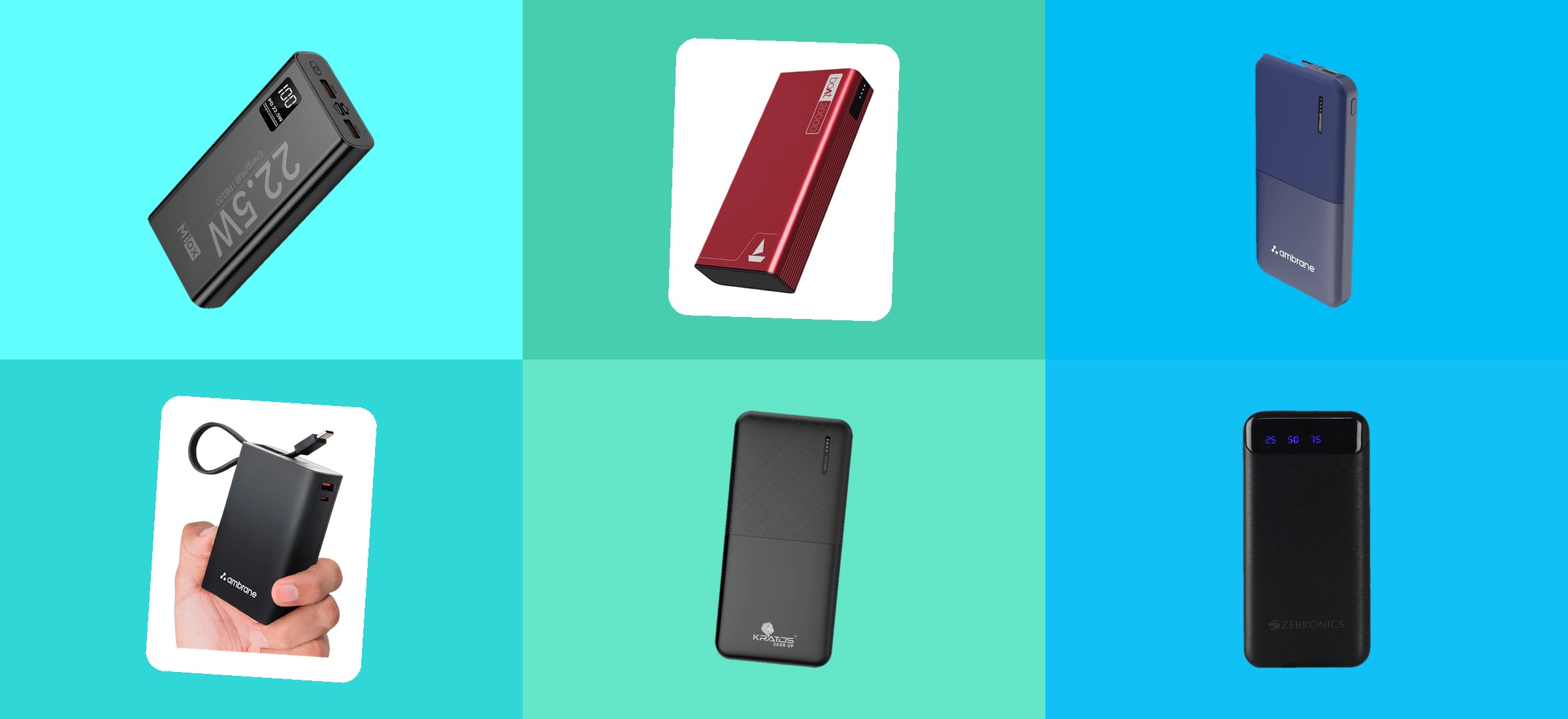
Twenty-six power banks read on 18 September, Rs. 408 to Rs. 7,499. Capacity costs Rs. 5 to Rs. 375 per 1,000mAh here, and only one of those numbers is real.
We read Flipkart's power bank shelf on 18 September 2026 and seated 26 listings from Rs. 408 to Rs. 7,499. Every one states a capacity in its own title, so we priced each per 1,000mAh of that claim: Rs. 5 at the bottom, Rs. 375 at the top. No commodity has a seventy-five-fold price range. What the cheap end is selling is not capacity but a number - 200,000mAh in a pocket-sized body at Rs. 994 describes about 740 watt-hours, which is several kilograms of cells and several times what an airline will carry.
Every price below was pulled from Flipkart on September 18, 2026 and checked against the MRP on the listing. Stack them with the live codes on our Flipkart coupons page, which the deals desk re-verifies daily.
Jump to a pick
- The claim that fails arithmetic — MIOX, claimed 200,000mAh, Rs. 994
- Rs. 1,000, and 86 per cent off — Binori, claimed 60,000mAh, Rs. 1,000
- Rs. 988, 64,000mAh claimed — DG POWER, claimed 64,000mAh, Rs. 988
- MagSafe, and 62,400mAh claimed — Paradise MagSafe, claimed 62,400mAh, Rs. 988
- The most plausible of the big claims — Binori, claimed 32,000mAh, Rs. 1,000
- Rs. 992, and 2,302 ratings — WINgFI 20,000mAh, 2,302 ratings, Rs. 992
- The same product, a different name — MIOX 20,000mAh, Rs. 992
- A 20,000-watt power bank — MIOX listed at 20,000 W, Rs. 992
- The cheapest of the cluster, and the thinnest — zofia 20,000mAh, 5 ratings, Rs. 992
- The cheapest power bank here — AMYTEL 10,000mAh, Rs. 408
- Rs. 599 and 3,307 ratings — Kratos 10,000mAh, 3,307 ratings, Rs. 599
- A named brand at the cheap end — ZEBRONICS 10,000mAh, Rs. 599
- 22.5W under Rs. 800 — Portronics 10,000mAh 22.5W, Rs. 799
- Ultra-slim, 6,643 ratings — URBN ultra slim 10,000mAh, Rs. 969
- Ninety-six thousand ratings at Rs. 999 — boAt 10,000mAh, 96,531 ratings, Rs. 999
- Three hundred thousand ratings — Ambrane 10,000mAh, 311,296 ratings, Rs. 898
- The most-rated listing on the page — Mi 10,000mAh, 421,118 ratings, Rs. 1,299
- A quarter of a million ratings at 20,000mAh — boAt 20,000mAh, 252,057 ratings, Rs. 1,799
- 33W, and 382,541 ratings — Mi 20,000mAh 33W, Rs. 2,307
- 20,000mAh under Rs. 1,200 — URBN 20,000mAh, 50,291 ratings, Rs. 1,199
- Forty thousand ratings at 4.2 — GOBOULT Ampvault V20, 4.2 average, Rs. 1,499
- Quick Charge and Power Delivery, Rs. 1,599 — Ambrane 20,000mAh, both protocols, Rs. 1,599
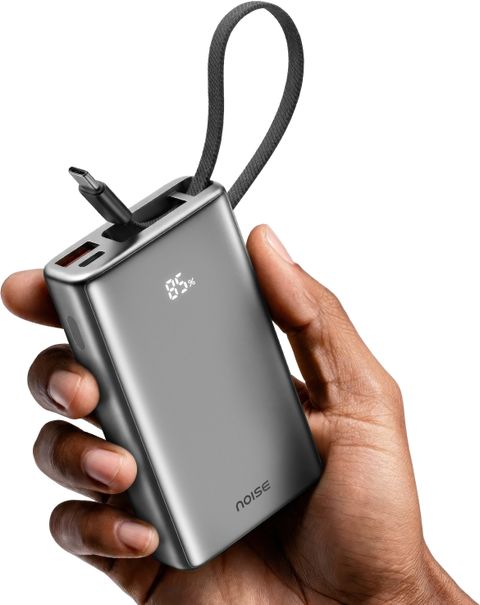
- 45W with a built-in cable — Noise 45W with built-in cable, Rs. 2,499
- The most honest badge on the page — DURACELL 20,000mAh, 14% badge, Rs. 2,999
- 45W from a phone manufacturer — Samsung 20,000mAh 45W, Rs. 3,299
- The most expensive on the page — DailyObjects MagSafe 20,000mAh, Rs. 7,499
26 Power Banks, Rs. 408 to Rs. 7,499
The capacity claims that do not survive arithmetic
Every listing on this shelf states a capacity in its own title, so every listing can be priced per 1,000mAh of that claim. Five cards here come out between Rs. 5 and Rs. 31, against a median of Rs. 80 across the 107 distinct listings we read. Four of the five are describing objects that cannot exist at their stated size and price. We have not opened any of them; we have done the arithmetic they invite.
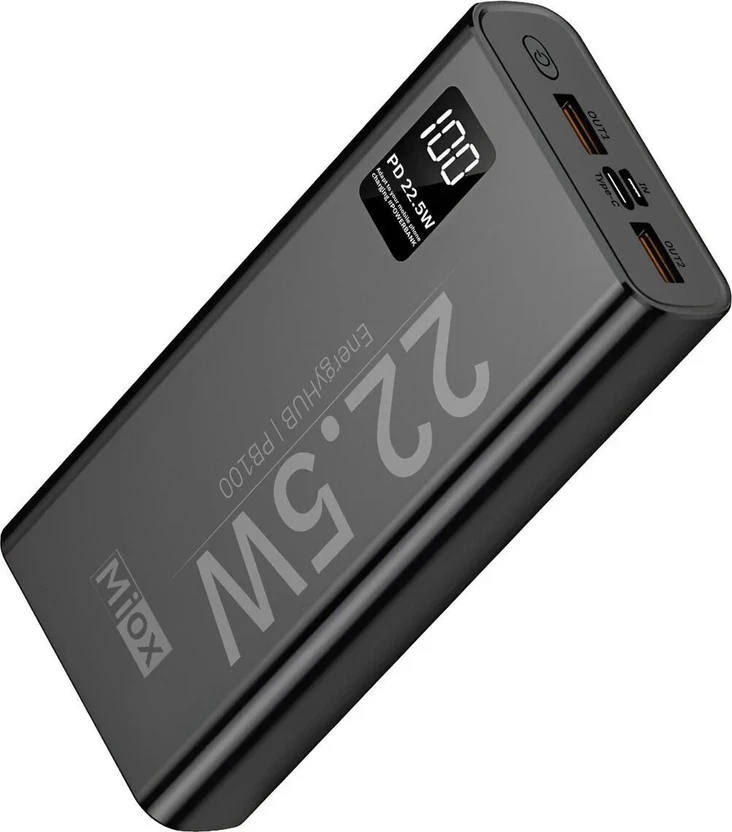
MIOX 200000 mAh 22.5 W Compact Pocket Size Power Bank
Rs. 994 for a listing sold as 200,000mAh and 'Compact Pocket Size' - Rs. 5 per claimed 1,000mAh, against a shelf median of Rs. 80.
Why it earned its spot The cheapest capacity on the page by a factor of sixteen, and the reason this page is priced per 1,000mAh.
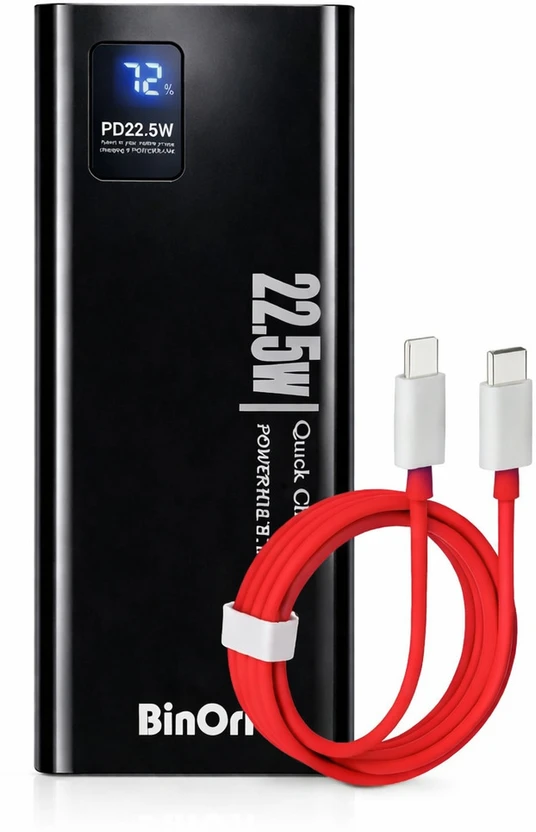
Binori 60000 mAh 22.5 W Compact Pocket Size Power Bank
A claimed 60,000mAh at Rs. 1,000 - Rs. 17 per 1,000mAh, and the largest discount badge in the entire read.
Why it earned its spot The biggest badge on the page sits on the second-least plausible capacity claim on it.
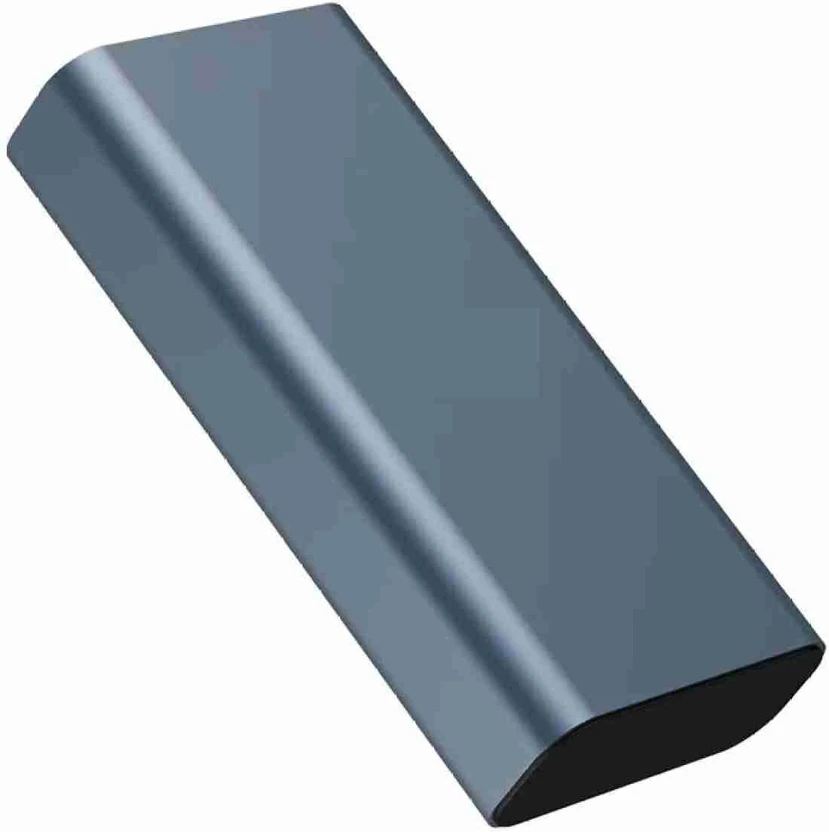
DG POWER 64000 mAh 22 W Compact Pocket Size Power Bank
Rs. 15 per claimed 1,000mAh - the second-cheapest capacity here, on 32 ratings.
Why it earned its spot The same claim as the Binori above for twelve rupees less, and a tenth of the evidence.
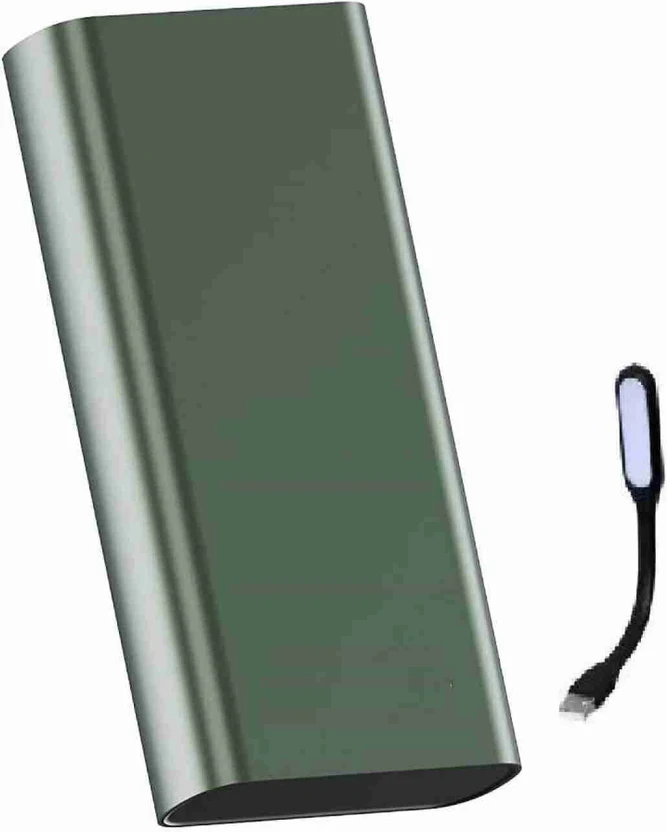
Paradise 62400 mAh 18 W With MagSafe Mini Pocket Size Power Bank
Rs. 988 for a claimed 62,400mAh with magnetic attachment - eight ratings stand behind it.
Why it earned its spot The oddly specific capacity claim is the tell.
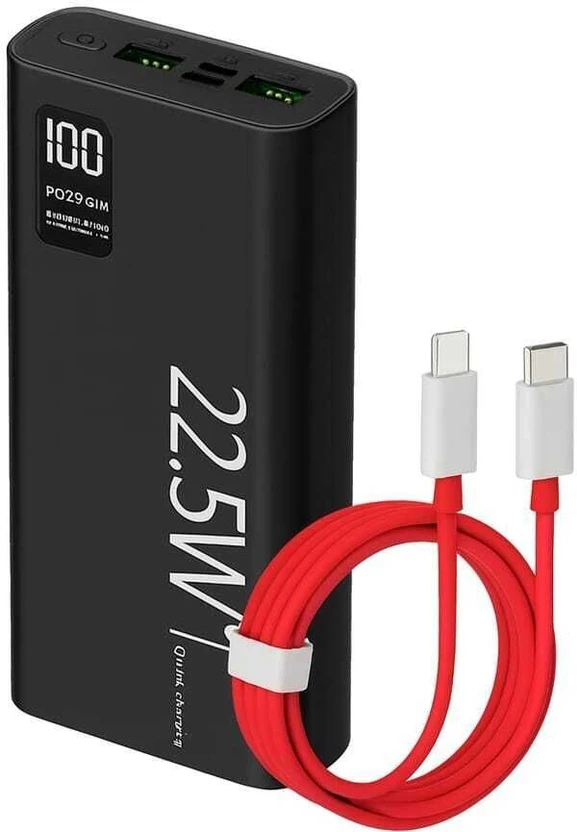
Binori 32000 mAh 22.5 W Compact Power Bank
Rs. 1,000 for a claimed 32,000mAh - Rs. 31 per 1,000mAh, on 488 ratings.
Why it earned its spot Still twice the claim of anything a brand sells here, but the first number in this chapter that is physically buildable.
Rs. 992, six times over
Six listings in our read sit at Rs. 992 or Rs. 994 for a claimed 20,000mAh at 22.5W, under six unrelated brand names, with near-identical specification lines and six different invented MRPs. Four are seated here. The claim itself is ordinary and buildable - what this chapter is about is how little the brand name and the percentage tell you.
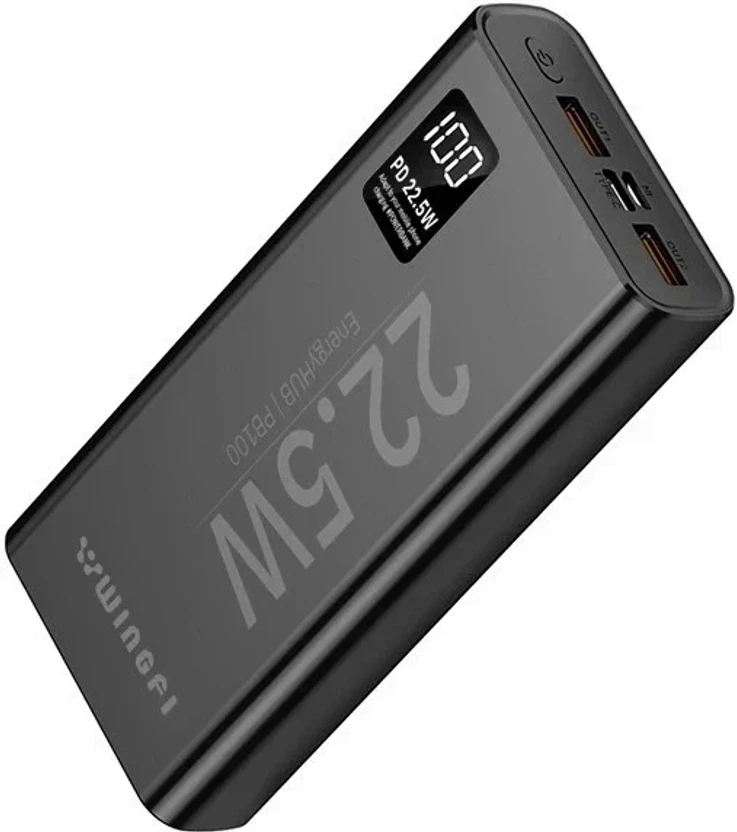
WINgFI 20000 mAh 22.5 W Compact Power Bank
Rs. 992 for a claimed 20,000mAh - the best-evidenced listing in the identical-price cluster.
Why it earned its spot If you are buying from the Rs. 992 cluster, this is the one with feedback behind it.
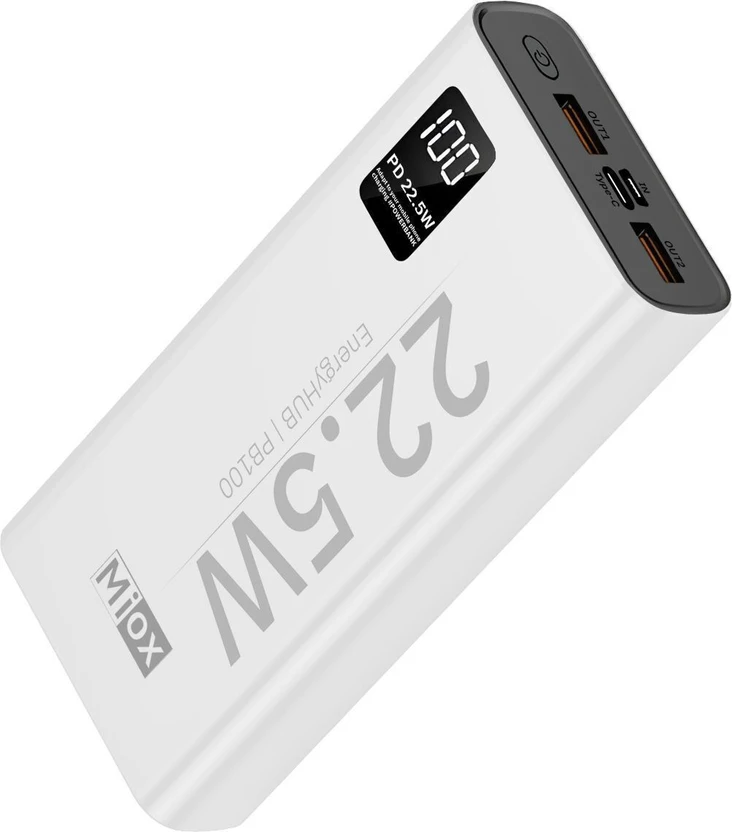
MIOX 20000 mAh 22.5 W Compact Power Bank
Rs. 992, claimed 20,000mAh, 22.5W - identical price and specification to the WINgFI above, 352 ratings instead of 2,302.
Why it earned its spot Printed here to show the cluster, not because it beats the card above it.
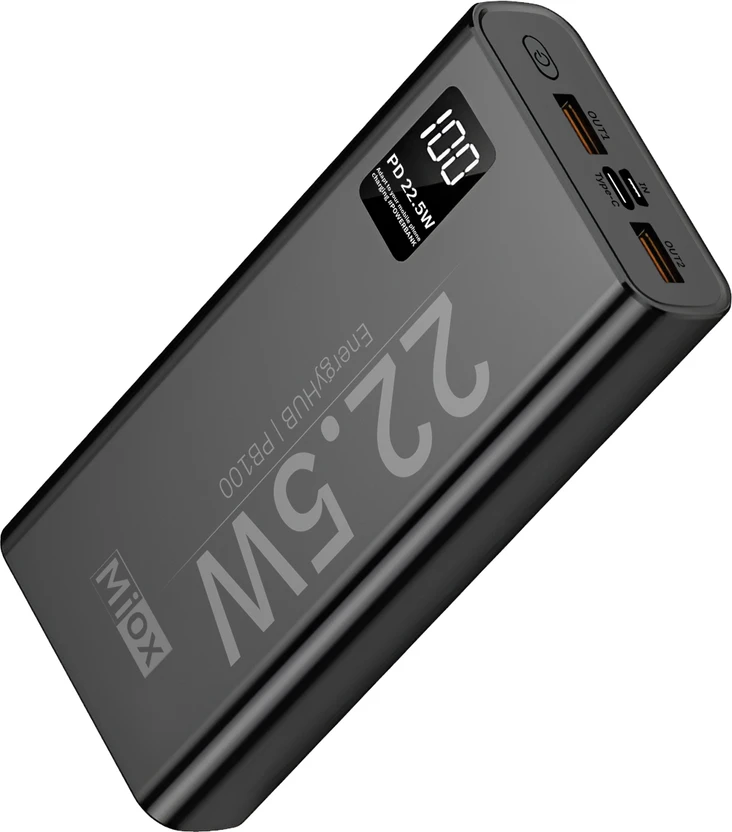
MIOX 20000 mAh 20000 W Compact Power Bank
Rs. 992, and the title states 20000 W - a specification field filled in with the capacity figure.
Why it earned its spot The clearest single demonstration that nobody is checking these fields.
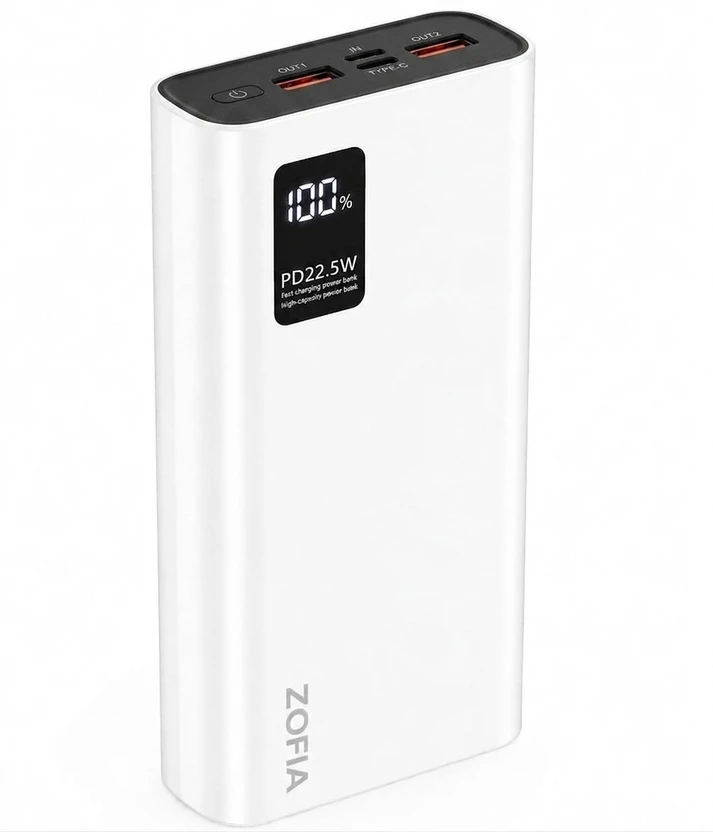
zofia 20000 mAh 22.5 W Compact Pocket Size Power Bank
Rs. 992 again, this time against a stated MRP of Rs. 2,999 rather than Rs. 4,499 - five ratings.
Why it earned its spot Same price, same claim, a more modest invented MRP, and almost no evidence.
10,000mAh, Rs. 408 to Rs. 999
The working end of the shelf. Every card here claims a capacity that thousands of real products meet, and the spread between them is charging speed, build and how many people have already tested them. Rs. 408 to Rs. 999, and the best value on the whole page sits in the middle of it.
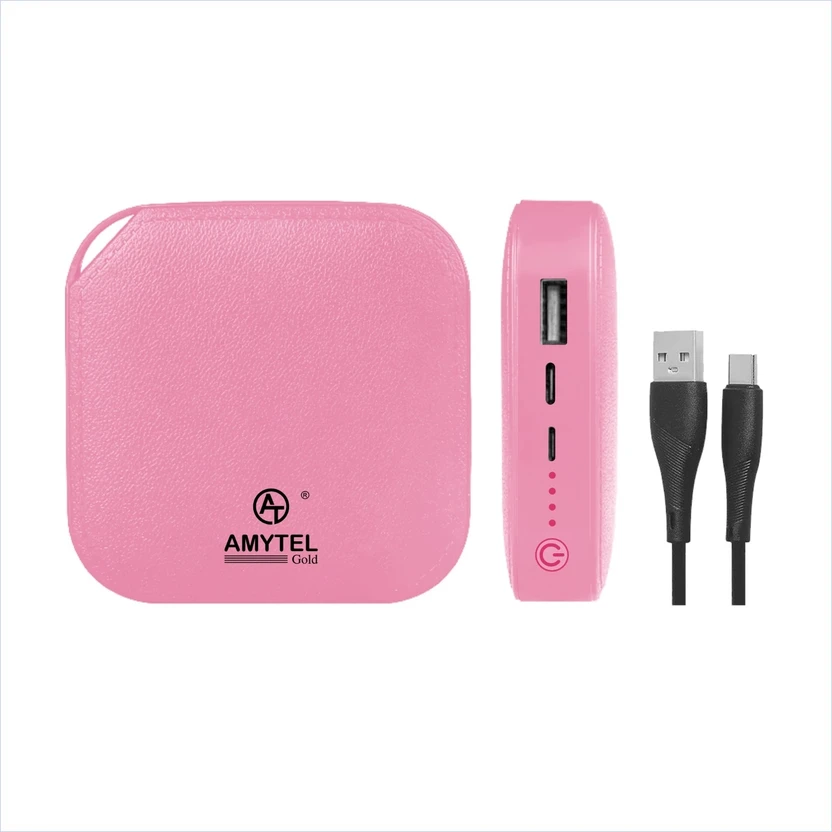
AMYTEL 10000 mAh 15 W Mini Pocket Size Power Bank
Rs. 408 for a claimed 10,000mAh - the lowest price on the page, on 8,408 ratings.
Why it earned its spot The cheapest entry onto this shelf, and it has thousands of ratings rather than a handful.
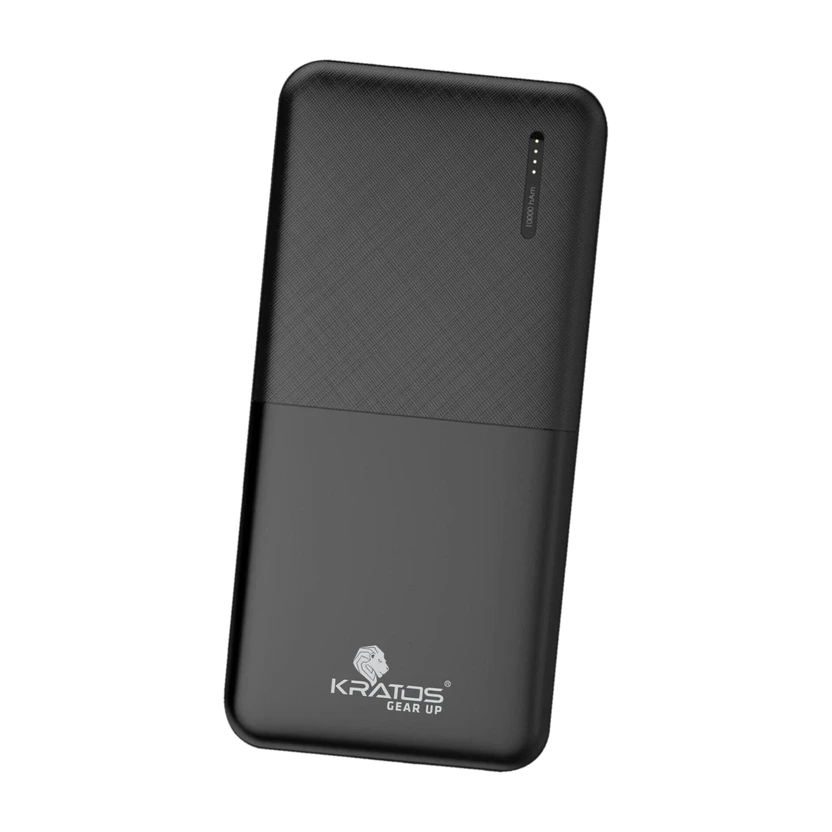
Kratos 10000 mAh 12.5 W Compact Pocket Size Power Bank
Rs. 599 for a claimed 10,000mAh at 12.5W - 3.9 from 3,307 ratings, the best average under Rs. 700.
Why it earned its spot The best-rated genuinely cheap power bank in the read.
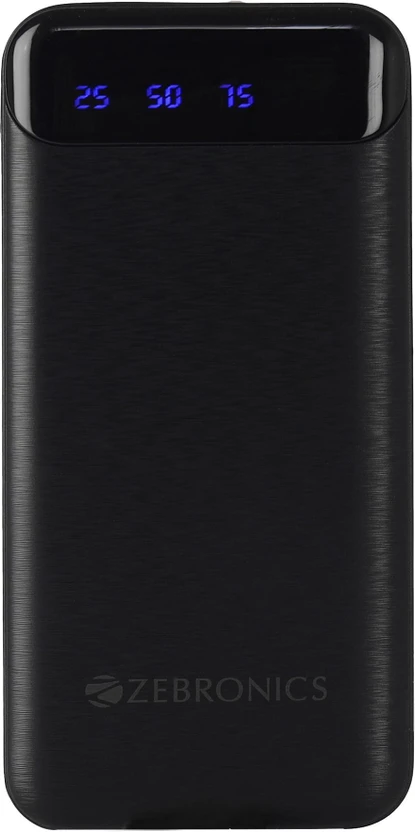
ZEBRONICS 10000 mAh 12 W Slim Power Bank
Rs. 599 for a ZEBRONICS 10,000mAh - the same price as the Kratos, from a brand with a twenty-year Indian retail presence.
Why it earned its spot Same money as the Kratos, fewer ratings, a real distribution network behind it.
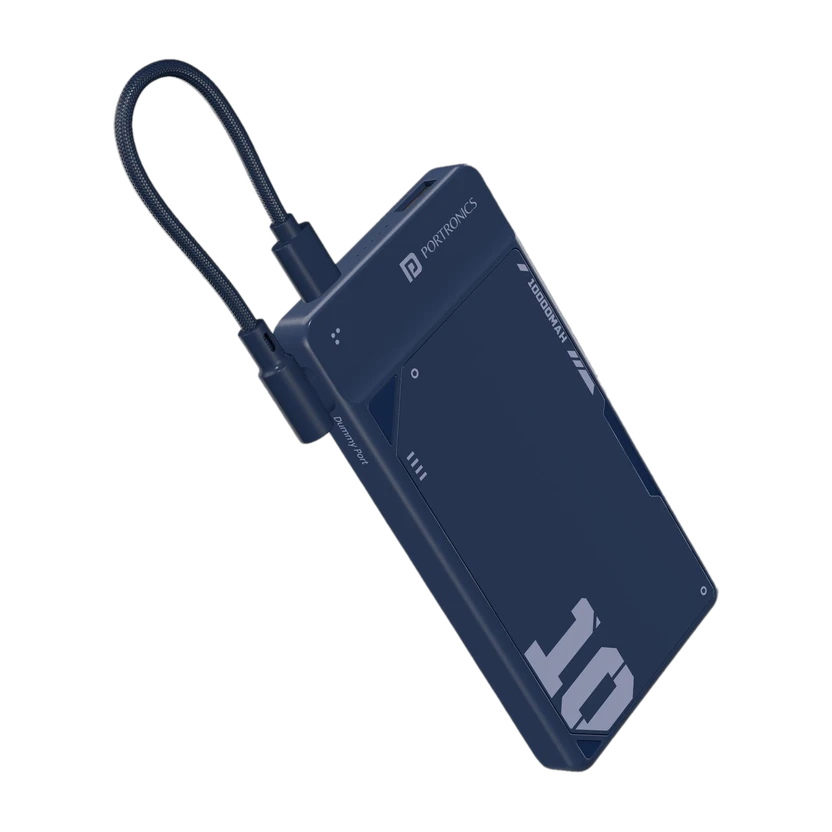
Portronics 10000 mAh 22.5 W Compact Power Bank
Rs. 799 for a claimed 10,000mAh at 22.5W - 4.3 from 3,350 ratings, the best average in this chapter.
Why it earned its spot The cheapest fast-charging power bank here with a four-figure rating base and a four-point average.
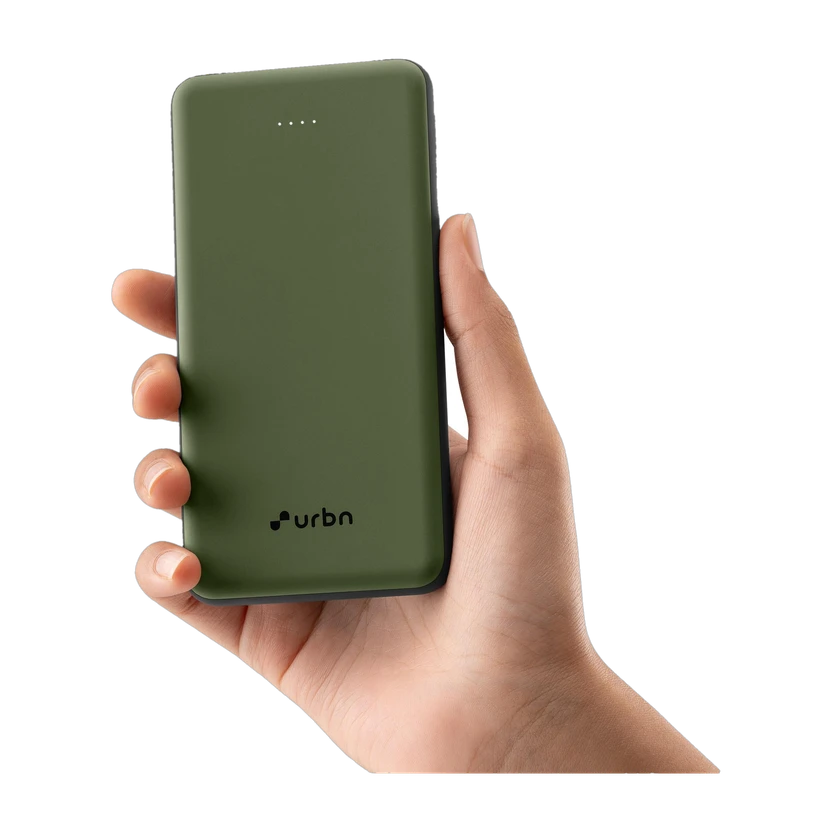
URBN 10000 mAh 12 W Ultra Slim Pocket Size Power Bank
Rs. 969 for a claimed 10,000mAh in the slimmest body here - 4.0 from 6,643 ratings.
Why it earned its spot Buy it for the thickness, not for the charging speed.
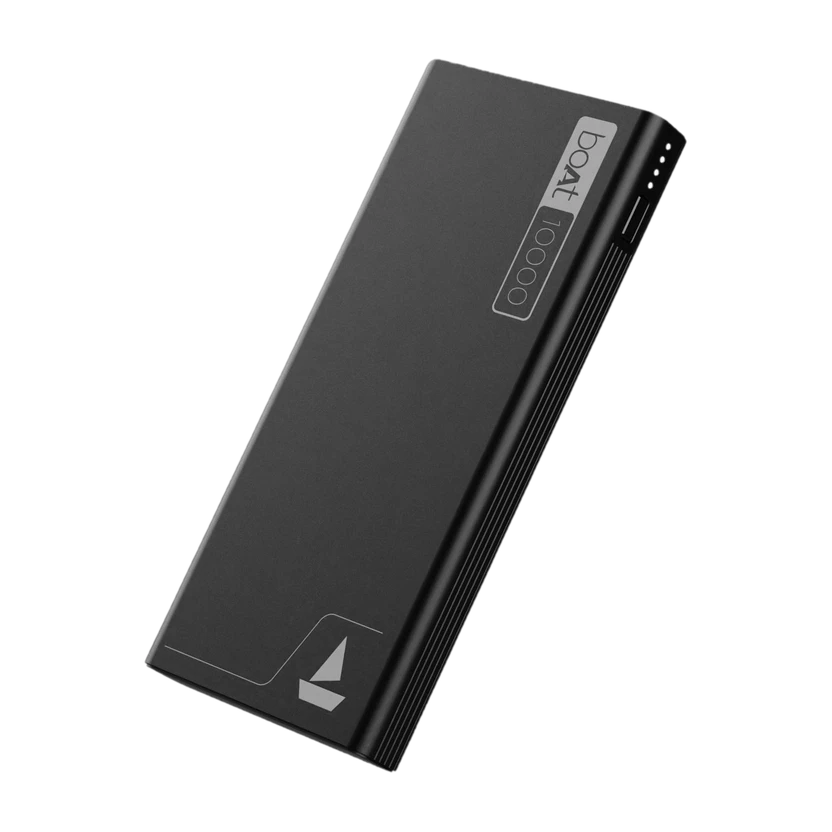
boAt 10000 mAh 22.5 W Slim Pocket Size Power Bank
Rs. 999 for a boAt 10,000mAh at 22.5W - 96,531 ratings, and laptop charging in the stated compatibility.
Why it earned its spot The largest rating base under Rs. 1,000 on this shelf.
The listings hundreds of thousands of people have rated
Four cards on this page carry rating counts between 250,000 and 421,000. That is a different kind of evidence from anything in the first two chapters, and it costs between Rs. 90 and Rs. 130 per claimed 1,000mAh - somewhere between eighteen and twenty-six times what the cheapest claim on this page asks.
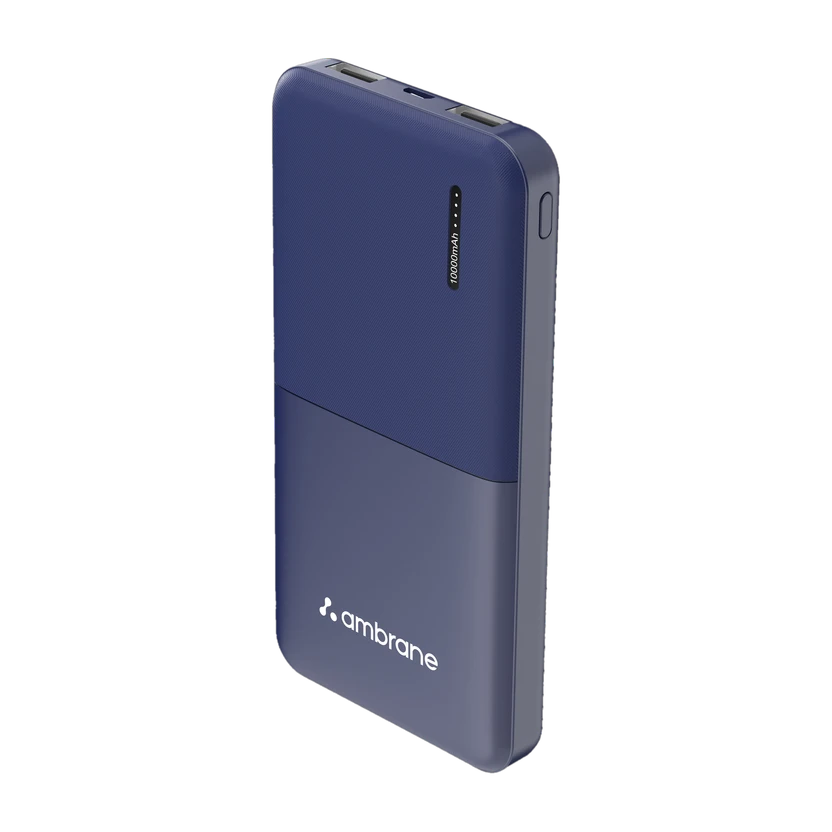
Ambrane 10000 mAh 12 W Compact Pocket Size Power Bank
Rs. 898 for an Ambrane 10,000mAh - 311,296 ratings, and the mildest badge of any cheap listing here.
Why it earned its spot The second-largest evidence base on the page, at under Rs. 900.
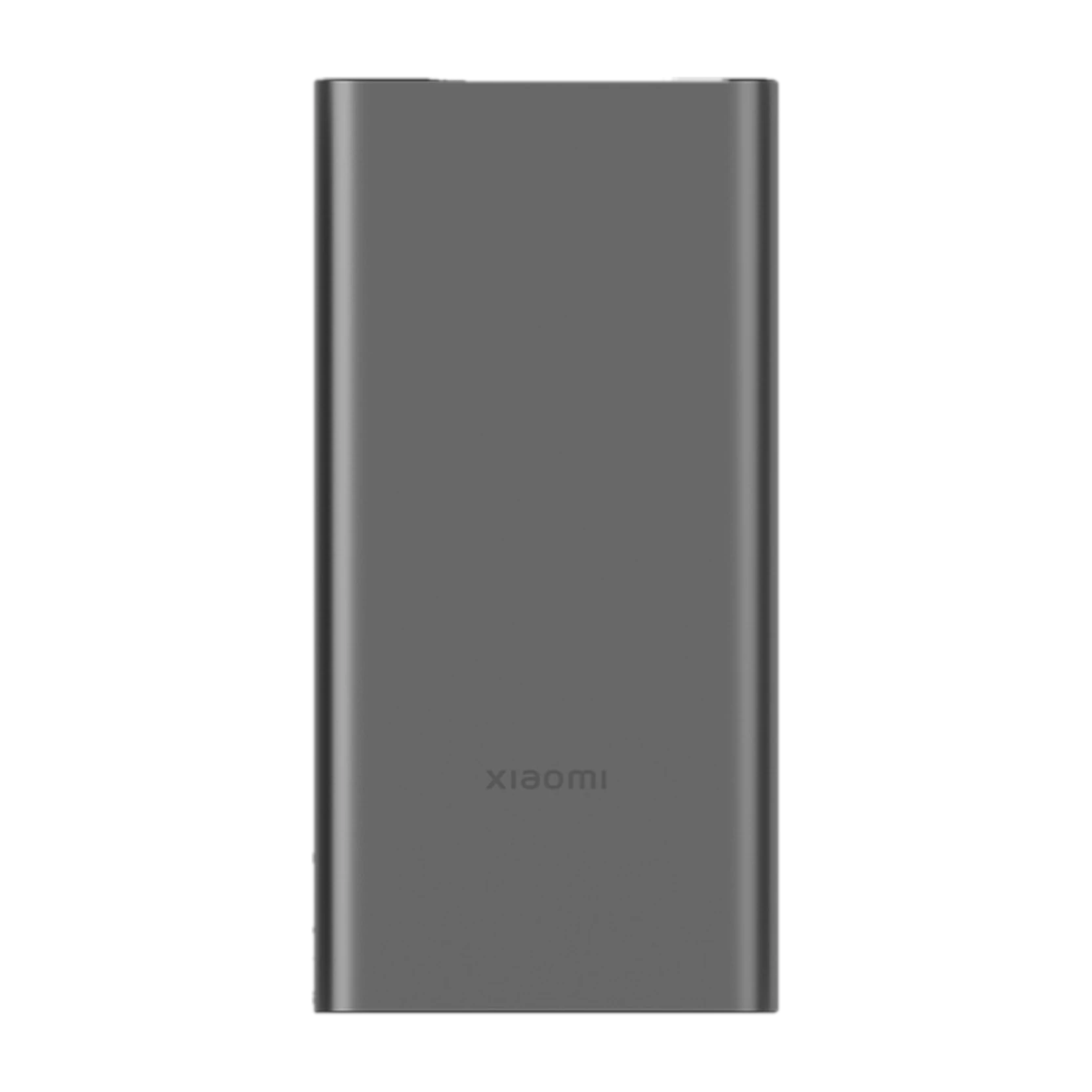
Mi 10000 mAh 22.5 W Slim Pocket Size Power Bank
Rs. 1,299 for an Mi 10,000mAh at 22.5W - 421,118 ratings, the largest sample in the read.
Why it earned its spot Four hundred and twenty-one thousand ratings, and a 48 per cent badge rather than an 80.
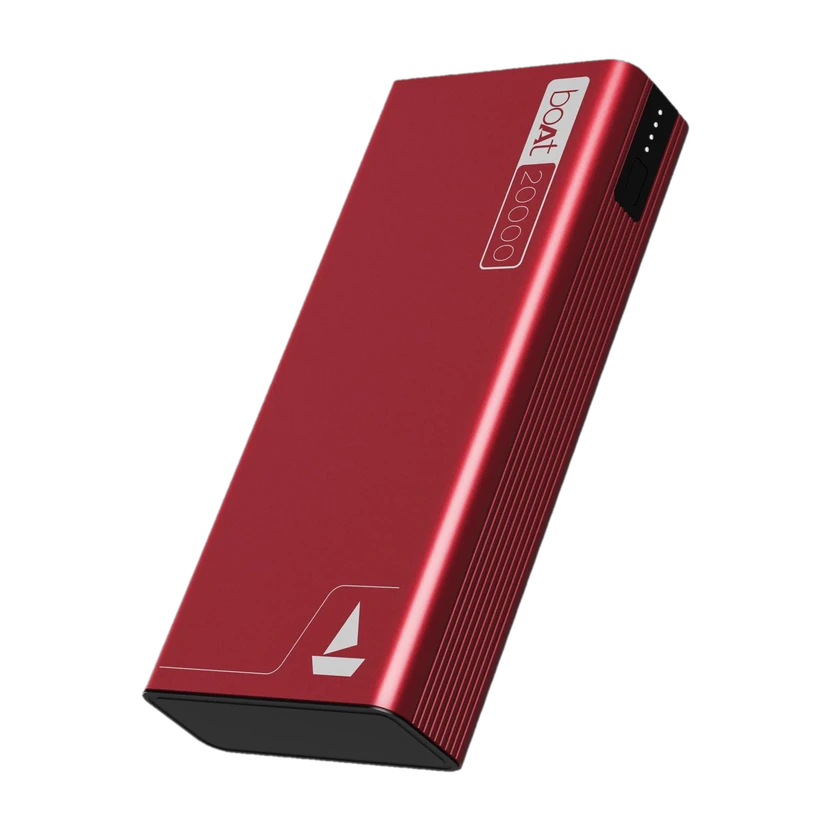
boAt 20000 mAh 22.5 W Slim Pocket Size Power Bank
Rs. 1,799 for a boAt 20,000mAh at 22.5W - 252,057 ratings, the largest sample at this capacity.
Why it earned its spot The most-rated 20,000mAh power bank on the shelf.
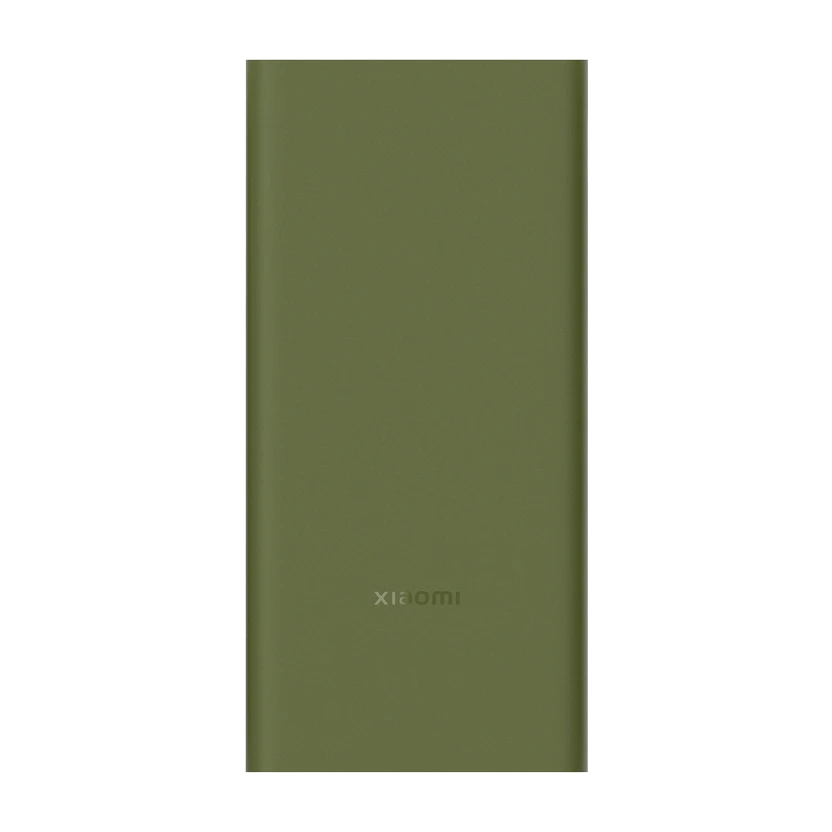
Mi 20000 mAh 33 W Power Bank
Rs. 2,307 for an Mi 20,000mAh at 33W - the fastest output here under Rs. 2,400, on 382,541 ratings.
Why it earned its spot Real fast charging with the second-largest rating base in the read behind it.
20,000mAh above Rs. 1,000
Where the capacity claims become ordinary and the differences become real: output wattage from 20W to 45W, an integrated cable, two charging protocols or one, and discount badges that fall from 67 per cent to 12 as the brands acquire shops. Rs. 1,199 to Rs. 7,499.
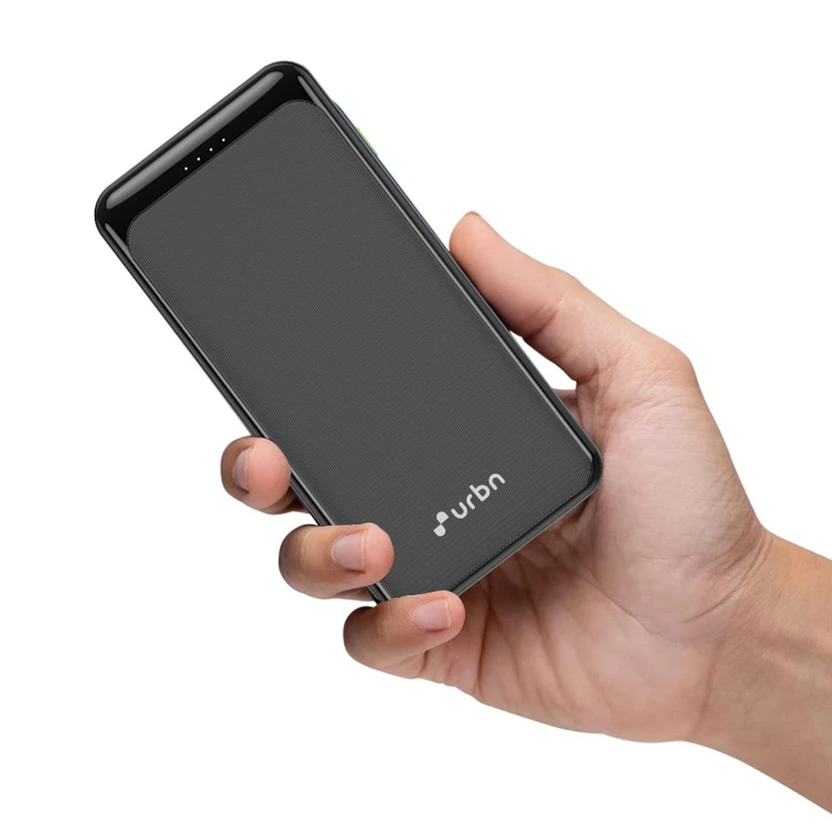
URBN 20000 mAh 22.5 W Compact Pocket Size Power Bank
Rs. 1,199 for a URBN 20,000mAh at 22.5W - 50,291 ratings, and Rs. 60 per claimed 1,000mAh.
Why it earned its spot The cheapest 20,000mAh here with a five-figure rating base.
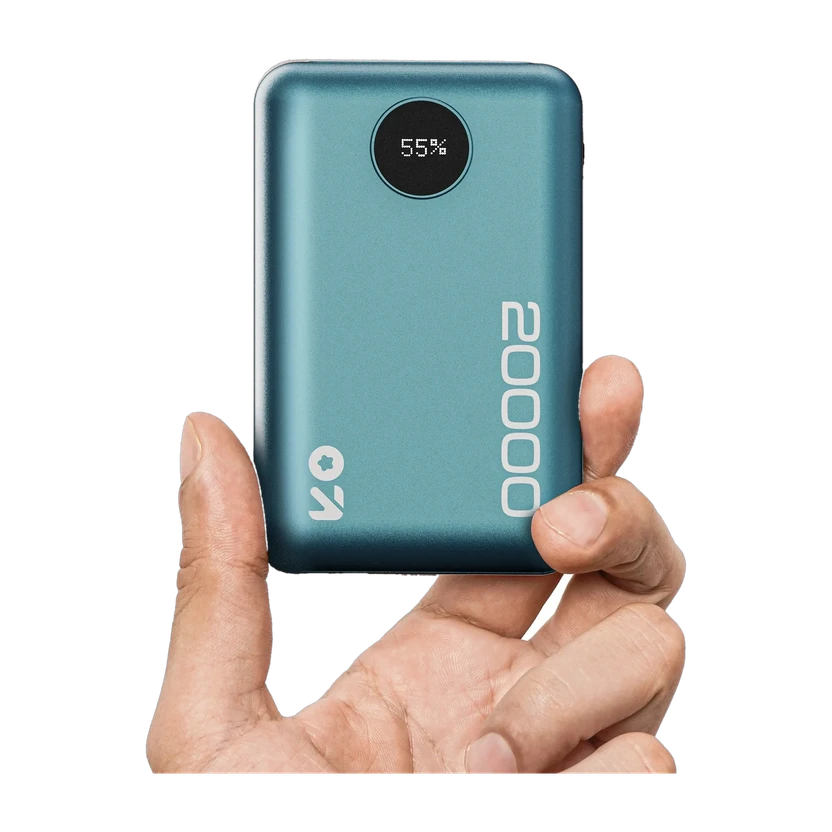
GOBOULT Ampvault V20 20000 mAh 22.5 W Compact Pocket Size Power Bank
Rs. 1,499 for a GOBOULT 20,000mAh at 22.5W - 4.2 from 40,305 ratings.
Why it earned its spot The highest average of any 20,000mAh listing here under Rs. 1,600.
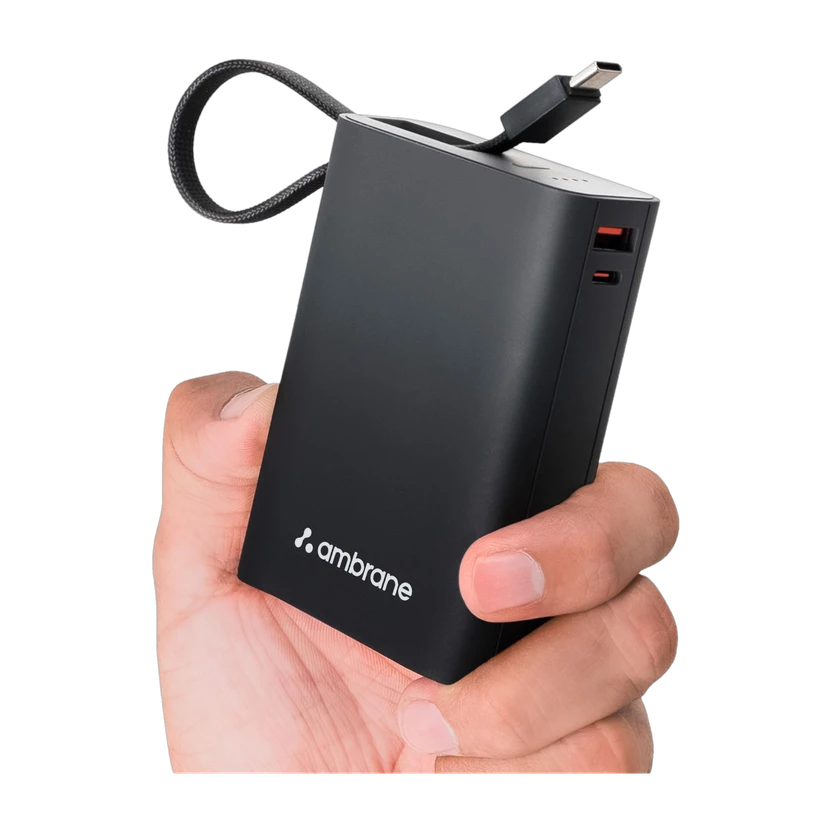
Ambrane 20000 mAh 22.5 W Compact Pocket Size Power Bank
Rs. 1,599 for an Ambrane 20,000mAh at 22.5W stating both fast-charge protocols - 4.3 from 8,110 ratings.
Why it earned its spot Both charging protocols stated, a 4.3 average, and an MRP that is not a round number.
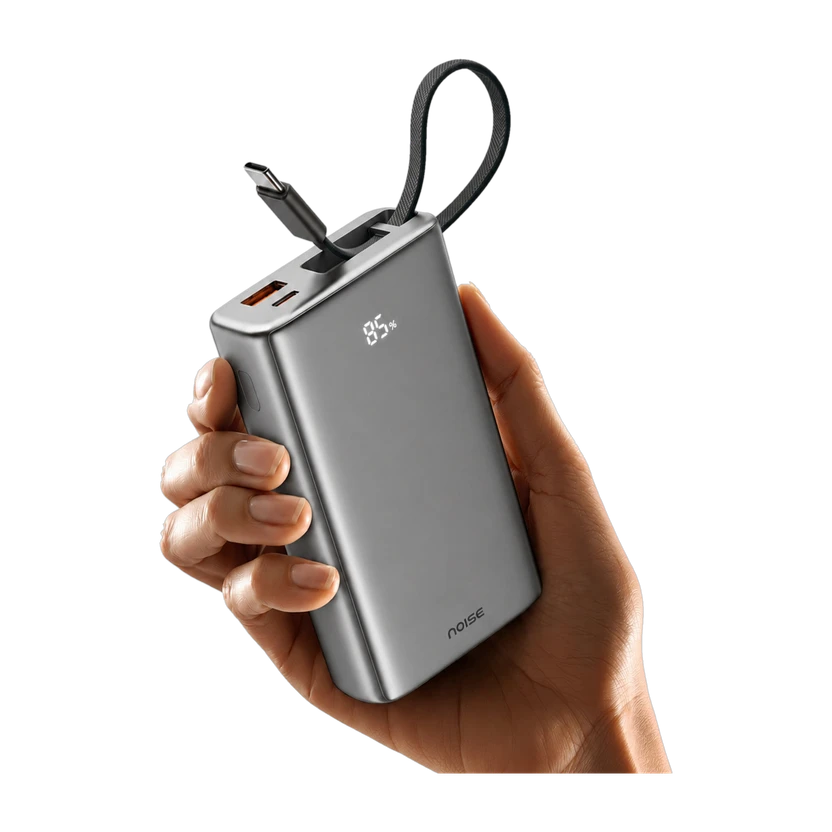
Noise 20000 mAh 45 W Compact Pocket Size Power Bank
Rs. 2,499 for a Noise 20,000mAh at 45W with an integrated USB-C cable - 4.4 from 905 ratings.
Why it earned its spot The highest average on the page, and the only card here that removes the cable problem.
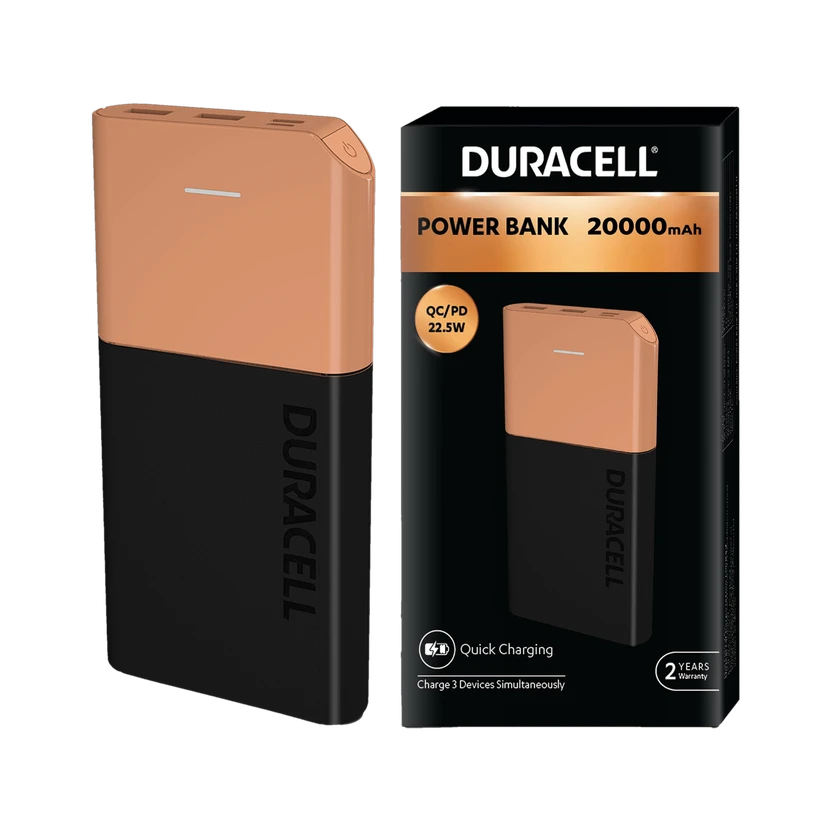
DURACELL 20000 mAh 22.5 W Slim Pocket Size Power Bank
Rs. 2,999 for a Duracell 20,000mAh - 14 per cent off, the smallest discount claim in the entire read.
Why it earned its spot A fourteen per cent badge on a shelf where the average claim is over sixty.
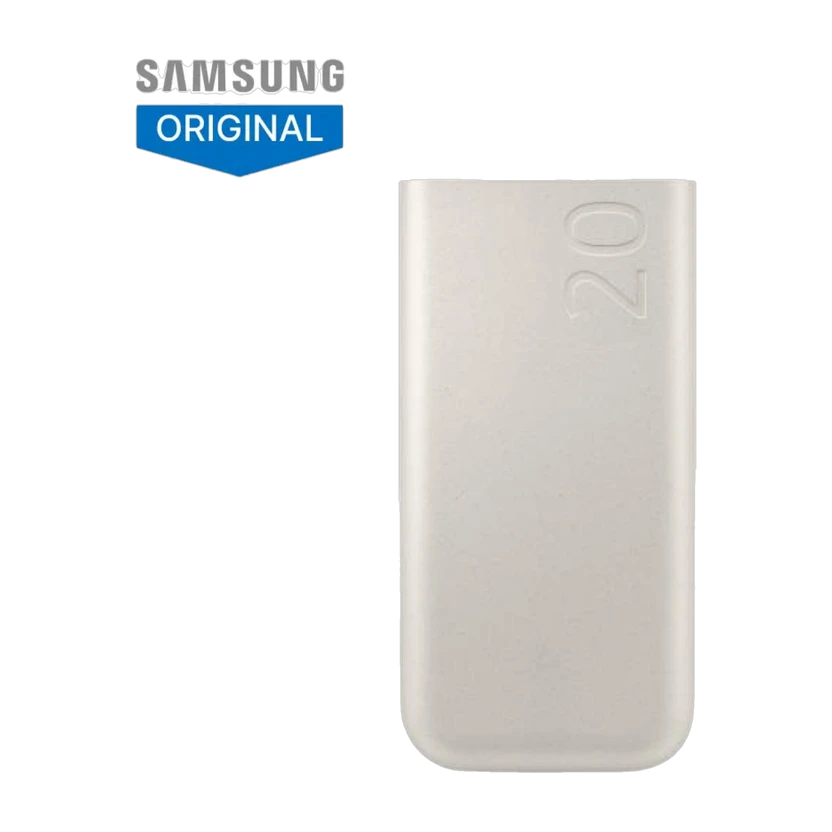
Samsung 20000 mAh 45 W Power Bank
Rs. 3,299 for a Samsung 20,000mAh at 45W - Rs. 165 per claimed 1,000mAh, 33 times the MIOX rate.
Why it earned its spot The reference price for what an honest 20,000mAh at 45W costs in India.
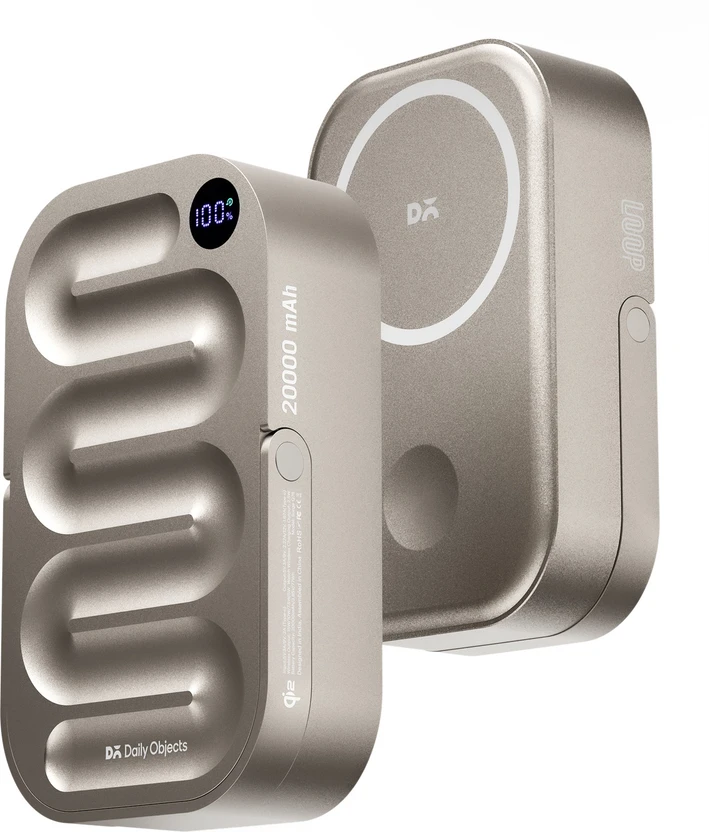
DailyObjects 20000 mAh 20 W Wired & Wireless With MagSafe Compact Pocket Size Power Bank
Rs. 7,499 for a DailyObjects 20,000mAh - Rs. 375 per claimed 1,000mAh, and only 20W of output.
Why it earned its spot Seventy-five times the MIOX's claimed rate, for less charging speed than a Rs. 799 Portronics.
Four rules for buying a power bank on Flipkart
First: divide before you buy. Price over stated capacity is a ten-second calculation and it sorts this shelf better than any filter on it - below about Rs. 40 per 1,000mAh you are buying an unverifiable number, and above about Rs. 120 you are buying a brand, a wattage or a design. Second: read the badge backwards. The two smallest discount claims in this read, 12 and 14 per cent, belong to DailyObjects and Duracell - brands with real list prices they have to live with - while the largest, 86 per cent, sits on the least plausible listing on the page. Third: buy the wattage, not the capacity. Twenty-two and a half watts is the practical modern standard and it is available here from Rs. 799; 12W costs almost as much and charges at half the speed, which is the trade most of the cheap end is quietly making. Fourth: check which fast-charge protocols the listing states. A power bank stating only Quick Charge will be slow with an iPhone and one stating only Power Delivery can be slow with older Qualcomm-based Android phones - the cards here that state both, like the Ambrane at Rs. 1,599, are the safer buy in a house with mixed handsets.
How our picks compare
| Product | Sale price | MRP | Discount |
|---|---|---|---|
| MIOX, claimed 200,000mAh | Rs. 994 | Rs. 4,499 | 78% |
| Binori, claimed 60,000mAh, Rs. 1 | Rs. 1,000 | Rs. 6,999 | 86% |
| DG POWER, claimed 64,000mAh | Rs. 988 | Rs. 3,599 | 73% |
| Paradise MagSafe, claimed 62,400mAh | Rs. 988 | Rs. 4,599 | 79% |
| Binori, claimed 32,000mAh, Rs. 1 | Rs. 1,000 | Rs. 4,999 | 80% |
| WINgFI 20,000mAh, 2,302 ratings | Rs. 992 | Rs. 4,499 | 78% |
| MIOX 20,000mAh | Rs. 992 | Rs. 4,499 | 78% |
| MIOX listed at 20,000 W | Rs. 992 | Rs. 4,999 | 80% |
| zofia 20,000mAh, 5 ratings | Rs. 992 | Rs. 2,999 | 67% |
| AMYTEL 10,000mAh | Rs. 408 | Rs. 1,999 | 80% |
| Kratos 10,000mAh, 3,307 ratings | Rs. 599 | Rs. 2,999 | 80% |
| ZEBRONICS 10,000mAh | Rs. 599 | Rs. 1,699 | 65% |
| Portronics 10,000mAh 22.5W | Rs. 799 | Rs. 1,999 | 60% |
| URBN ultra slim 10,000mAh | Rs. 969 | Rs. 2,499 | 61% |
| boAt 10,000mAh, 96,531 ratings | Rs. 999 | Rs. 2,999 | 67% |
| Ambrane 10,000mAh, 311,296 ratings | Rs. 898 | Rs. 1,499 | 40% |
| Mi 10,000mAh, 421,118 ratings, Rs. 1 | Rs. 1,299 | Rs. 2,499 | 48% |
| boAt 20,000mAh, 252,057 ratings, Rs. 1 | Rs. 1,799 | Rs. 4,499 | 60% |
| Mi 20,000mAh 33W, Rs. 2 | Rs. 2,307 | Rs. 3,999 | 42% |
| URBN 20,000mAh, 50,291 ratings, Rs. 1 | Rs. 1,199 | Rs. 2,999 | 60% |
| GOBOULT Ampvault V20, 4.2 average, Rs. 1 | Rs. 1,499 | Rs. 4,499 | 67% |
| Ambrane 20,000mAh, both protocols, Rs. 1 | Rs. 1,599 | Rs. 3,800 | 58% |
| Noise 45W with built-in cable, Rs. 2 | Rs. 2,499 | Rs. 4,999 | 50% |
| DURACELL 20,000mAh, 14% badge, Rs. 2 | Rs. 2,999 | Rs. 3,499 | 14% |
| Samsung 20,000mAh 45W, Rs. 3 | Rs. 3,299 | Rs. 4,999 | 34% |
| DailyObjects MagSafe 20,000mAh, Rs. 7 | Rs. 7,499 | Rs. 8,499 | 12% |
What we skipped — and why
What we look for
We price every listing per 1,000mAh of the capacity it claims
Every power bank on this shelf states a milliamp-hour figure in its own title, which makes one like-for-like comparison possible: divide the checkout price by that claim. It runs from Rs. 5 per claimed 1,000mAh to Rs. 375 - a seventy-five-fold spread on one shelf, where the median across the 107 distinct listings we read is Rs. 80. That spread is not a bargain gradient. Where the figure falls far below the median it is telling you the capacity claim is unreliable, not that the product is cheap, and the cards say so.
We check the capacity claim against physics before anything else
A milliamp-hour figure converts to watt-hours at about 3.7 volts: 10,000mAh is roughly 37Wh, 20,000mAh roughly 74Wh, and 200,000mAh roughly 740Wh. One hundred watt-hours is the limit airlines carry in a cabin without prior approval, and commercial lithium-polymer cells top out around 250 watt-hours per kilogram. A listing claiming 200,000mAh in a 'Compact Pocket Size' body at Rs. 994 is claiming three to four kilograms of cells in a pocket for under a thousand rupees. We have measured nothing; we have applied the listing's own number to arithmetic anybody can repeat.
We treat a crossed-out MRP as a claim, not a price anything sold at
Badges in this read run from 12 to 86 per cent, and the spread tracks whether the brand has shops rather than whether the price is good. Duracell claims 14 per cent and DailyObjects 12, because both sell through channels that would expose an invented list price. Ambrane claims 40, Mi 48, Samsung 34. The marketplace-only labels claim 67 to 86, and the single largest claim in the read - 86 per cent off a stated Rs. 6,999 - sits on the least plausible capacity claim on the page. Identical Rs. 992 products carry MRPs of Rs. 2,999 and Rs. 4,999, which is the clearest proof available that the figure is chosen rather than charged.
We do not print a rating pill over a sample too small to average
Four cards here carry fewer than 50 ratings - 8, 5, 24 and 32 - and none of them shows a rating pill, with the count stated in the card text instead. Where a count is large we say how large, because on this shelf it is the most useful number available: the Mi 10,000mAh carries 421,118 ratings, the Mi 20,000mAh 382,541, Ambrane 311,296 and boAt 252,057. Those four are the closest thing to a controlled test this category offers.
Stated capacity is not the energy you get out
Milliamp-hour ratings on every power bank sold in India are quoted at cell voltage, about 3.7 volts, while the USB port delivers at 5 volts or higher. After the voltage conversion and heat losses, a genuine 10,000mAh pack typically delivers somewhere between 6,000 and 6,800mAh at the port - roughly two full charges of a 3,000mAh phone battery, not three. This is true of the honest listings as well as the dishonest ones, and it is not a defect. We price against the stated claim throughout because that is the only figure published, and we flag it here so the arithmetic is not mistaken for a promise.
FAQs
Which is the best power bank on Flipkart right now?
On published evidence the Portronics 10,000mAh at Rs. 799 is the value answer in our read: 22.5W fast charging, 4.3 from 3,350 ratings, and Rs. 80 per claimed 1,000mAh, which is exactly the shelf median. If you want the most-tested product instead, the Mi 10,000mAh at Rs. 1,299 carries 421,118 ratings at 4.3 - the largest sample on the page. At 20,000mAh the URBN at Rs. 1,199 is the cheapest with a five-figure rating base, and the boAt at Rs. 1,799 is the most-rated at that capacity with 252,057.
Is a 50,000mAh or 200,000mAh power bank on Flipkart real?
Not at these prices and sizes. Capacity in milliamp-hours converts to energy at about 3.7 volts, so 200,000mAh is roughly 740 watt-hours - more than seven times the 100Wh an airline carries in a cabin without approval, and three to four kilograms of cells at the best commercial energy densities. The listings making these claims describe themselves as 'Compact Pocket Size' and cost around Rs. 1,000. We have not opened one and we make no claim about what is inside; we are saying the number, the size and the price cannot all be true together. Buy them, if you buy them, as a Rs. 1,000 power bank of unknown capacity.
Why do six different power bank brands cost exactly Rs. 992?
Because it is one product with six labels on it. Our read found WINgFI, MIOX, zofia, MI8BE, reditor and TRPS all selling a claimed 20,000mAh at 22.5W for Rs. 992 or Rs. 994, with near-identical specification lines and in several cases similar photographs. What differs is the invented MRP - Rs. 2,999 on one and Rs. 4,999 on another, which turns the same checkout price into a 67 per cent badge or an 80 per cent one - and the amount of feedback. If you are buying from this cluster, buy the listing with the most ratings; on 18 September that was the WINgFI with 2,302.
Why does my 10,000mAh power bank not charge my phone three times?
Because the milliamp-hour figure is measured at the cell's 3.7 volts and delivered at the port's 5 volts or higher. After the voltage conversion and the heat lost doing it, a genuine 10,000mAh pack typically hands over 6,000 to 6,800mAh at the socket - about two full charges of a 3,000mAh phone battery rather than three. This applies to the honest listings on this page as much as the rest, and it is physics rather than deception. It is also why the per-1,000mAh figures on this page are a comparison tool rather than a promise of delivered energy.
Is 22.5W enough, or should I pay for 45W?
Twenty-two and a half watts is the practical standard and it charges essentially every phone sold in India at a sensible speed; this page has it from Rs. 799. Pay for more only if you have something that can use it. Thirty-three watts, as on the Mi at Rs. 2,307, is a visible improvement on a mid-range phone and keeps a tablet usable while charging. Forty-five watts, as on the Noise at Rs. 2,499 and the Samsung at Rs. 3,299, starts to be useful for a small laptop. Note the trap at the top of the page: the Rs. 7,499 DailyObjects outputs 20W, less than the Rs. 799 Portronics.
More Flipkart coverage on Zoutons

Trending
 Flipkart Big Billion Days 2026 Is Live: General Access Open October 9
  Amazon Upcoming Sale Calendar 2026: Next Sale Dates India, GIF & More
  Nykaa Sale Calendar 2026: Diwali Dhamaka & Pink Friday Dates, Next Sale
  Myntra Sale Calendar 2026: Big Fashion Festival Live Now, Winter EORS Dates
  Udemy Upcoming Sale 2026: Next Sale Dates, Black Friday & Coupons
  Amazon Great Indian Festival 2026: Dates Official, Live From Oct 8, SBI 10% Off
 More From Flipkart



 Booking com
  Hostinger
  Dell
Dell  Udemy
Udemy  Agoda
Agoda  Nykaa
Nykaa  Myntra
  Ajio
Ajio