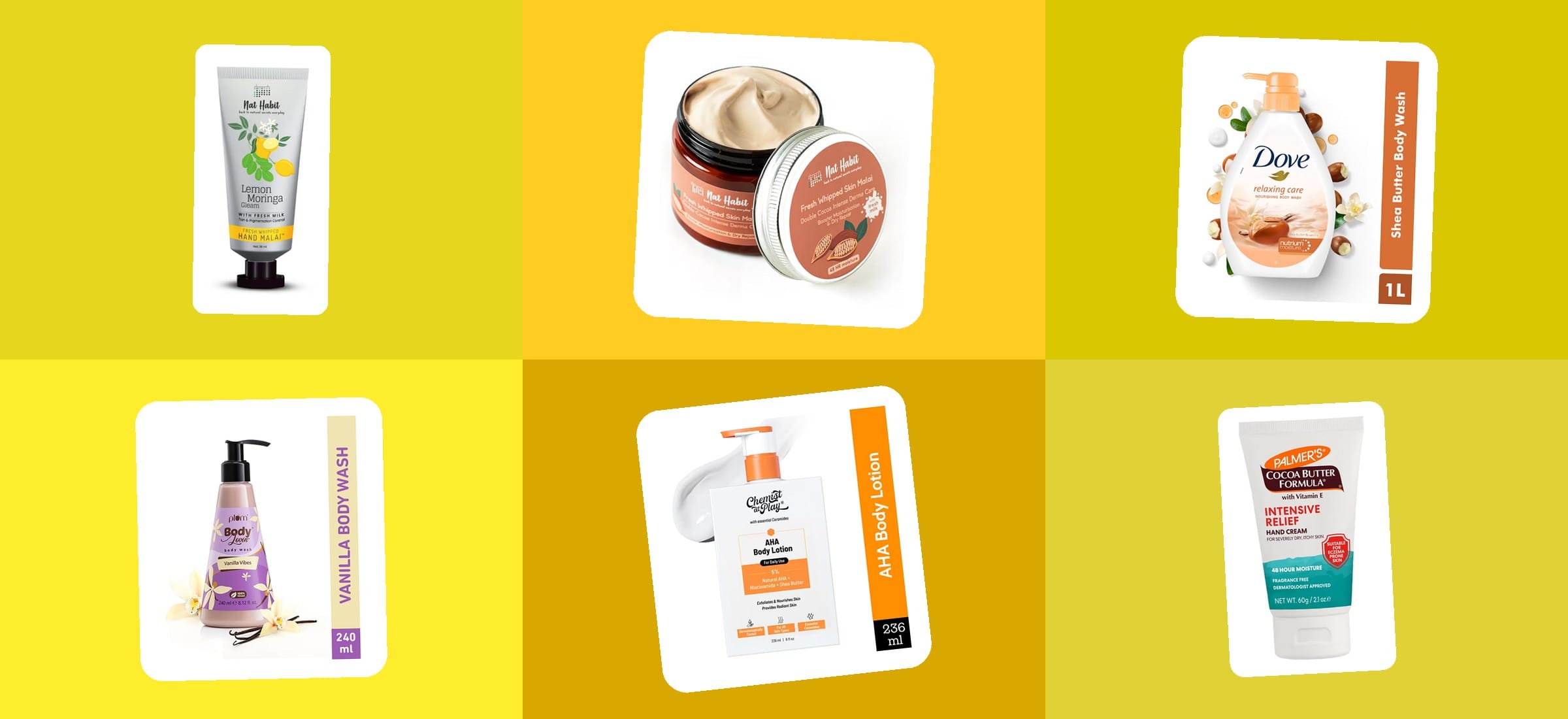
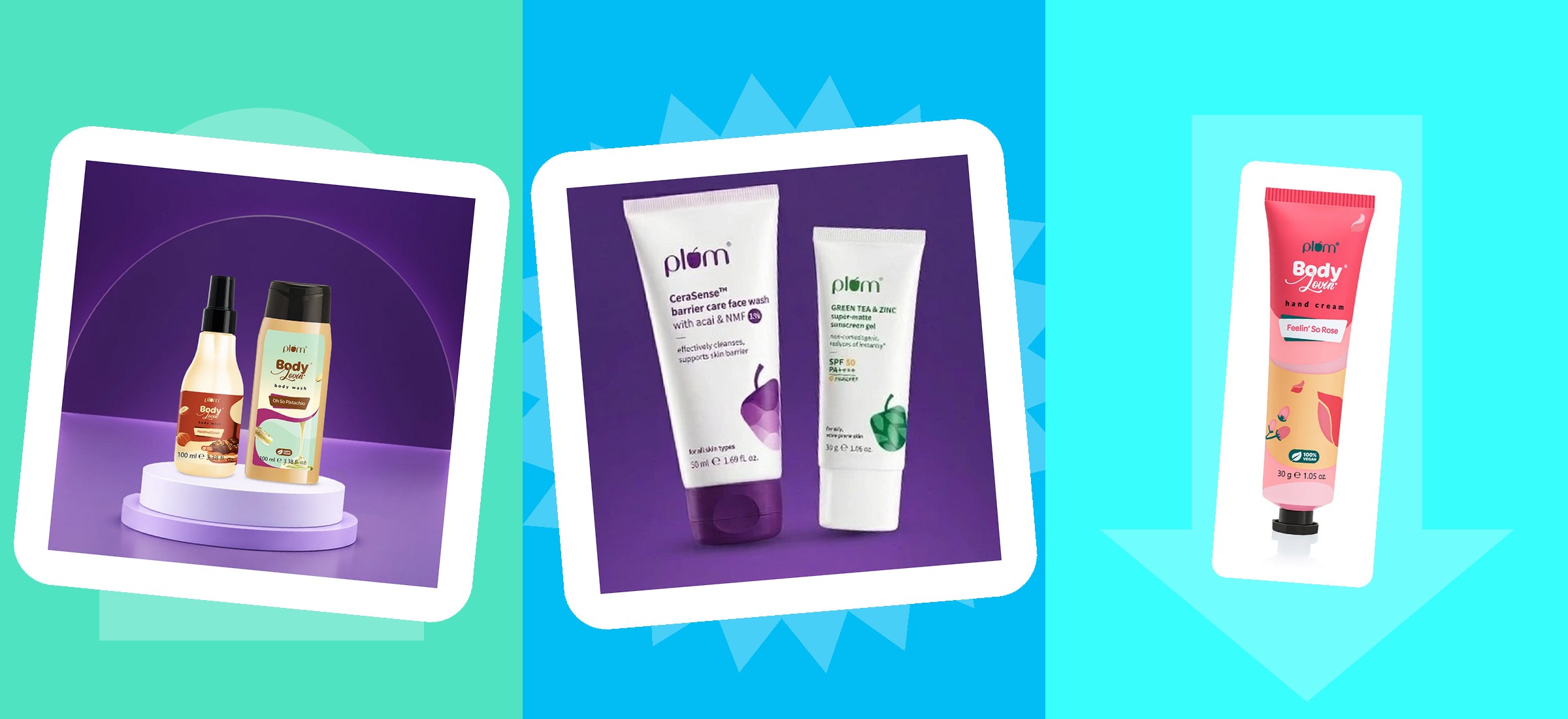
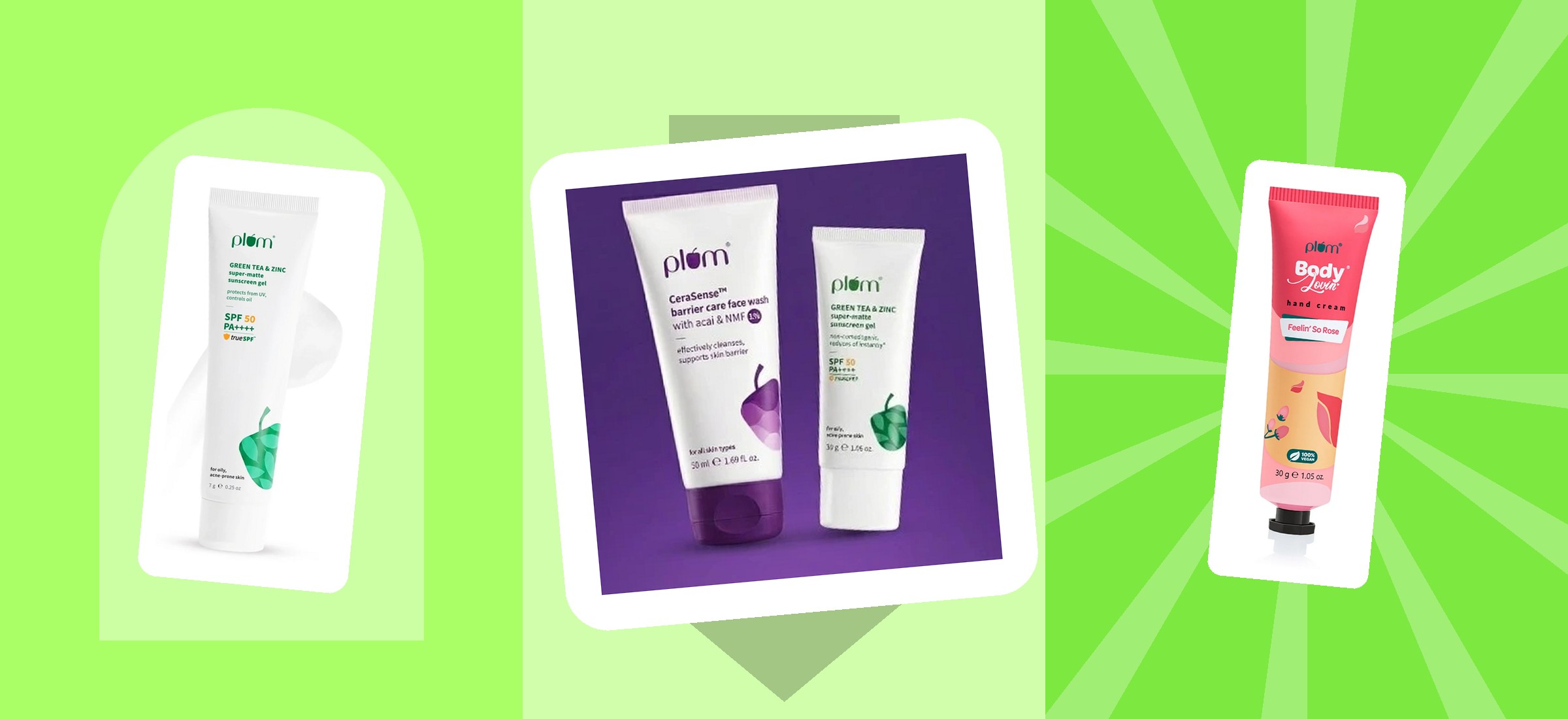
![Plum fragrance and skincare products of the kind bought by the customers this privacy policy governs, shown in the brand's own product photographs]()
Plum's privacy policy lists five data rights — access, deletion, correction, portability, and opting out of targeted advertising. That is the most complete list of the six Indian D2C privacy policies we read on 10 October 2026. Every one of them begins the same way: "Depending on where you live, you may have some or all of the rights listed below."
We counted six such qualifiers in the document, and the word "India" appears in it zero times. The only regions named are the United Kingdom and the European Economic Area. Below: why that is — the policy says so itself — what the same borrowed template admits about advertising that locally drafted policies do not, which other Indian brand runs it word for word, and the three things it does better than any of them. Published text only; nothing here is legal advice.
Verbatim, from Plum's own privacy policy
Read 10 October 2026 on plumgoodness.com/policies/privacy-policy
"Depending on where you live, you may have some or all of the rights listed below in relation to your personal information."
📅 Update log:
10 October 2026 — First publication. Plum's privacy policy read in full from plumgoodness.com/policies/privacy-policy: the Plum Goodness operator statement and definition of the Services, the change-without-notice clause, the sources-of-information list including device information and partners or other third parties, the Scope of Privacy Policy section and its Third Party Services carve-out, the Information Collection section, the use-of-information paragraph covering authentication, secure payment, fraud detection and service security, the disclosure section and its five limbs covering Shopify and service vendors, business and marketing partners with the personalized-advertising example, customer-directed disclosures, affiliates and corporate group, and business transactions and legal obligations; the Relationship with Shopify section including the hosting statement, the cross-border transfer sentence, the Shopify enhanced features sentence and the Shopify Consumer Privacy Policy and Privacy Portal references; the Third Party Websites and Links section; the Children's Data section and its age-of-majority wording; the Security and Retention of Your Information section including the no-perfect-security sentence and the factor-based retention paragraph; the Your Rights and Choices section and its conditional opening, covering the Right to Access / Know, Right to Delete, Right to Correct, Right of Portability and Right to Opt out of Sale or Sharing for Targeted Advertising, the Global Privacy Control paragraph, the Managing Communication Preferences paragraph, and the UK and European Economic Area paragraph; the Complaints section; and the contact details naming sprasad@pureplaylabs.com and Pureplay Skin Sciences at LODHA iThink, Eastern Express Highway, Thane West, MH 400601. Conditional phrasing counted across the document: six instances. Occurrences of the word India: zero. Compared the same morning against the privacy policies of Neemans, Beardo, Minimalist, Dot & Key and SuperBottoms. Policy verified 10 October 2026.
Five data rights, and a condition in front of all of them
Plum's privacy policy has the most complete list of data rights of the six Indian D2C privacy policies we read on 10 October 2026. It names a Right to Access / Know, a Right to Delete, a Right to Correct, a Right of Portability and a Right to Opt out of Sale or Sharing for Targeted Advertising. Beardo's policy, by comparison, offers one right and cites a repealed British statute for it.
Here is the sentence that introduces the list: "Depending on where you live, you may have some or all of the rights listed below in relation to your personal information. However, these rights are not absolute, may apply only in certain circumstances and, in certain cases, we may decline your request as per applicable laws."
Each right is then stated the same way. "You may have a right to request that we delete personal information we maintain about you." "You may have a right to request access to personal information that we hold about you." May have.
We counted the conditional phrasing across the document: six instances — three "Depending on where you live", two "Depending on where you reside", one "depending on where you are". That is not sloppy drafting; it is a template written to be used in many countries at once, and the hedge is what lets one document serve all of them.
The only countries named are not this one
If every right depends on where you live, the obvious question is whether the document says what happens if you live in India. It does not. We counted: the word "India" appears zero times in Plum's privacy policy. The Digital Personal Data Protection Act, 2023 — India's own data law — is not mentioned either.
Two jurisdictions do get named, and one of them gets its own section. The policy carries a paragraph beginning "If you reside in the UK or European Economic Area", and the European Economic Area is referred to twice. The children's clause is framed the same borrowed way: Plum does not knowingly collect information about "children under the age of majority in your jurisdiction" — a formulation that assumes the age of majority varies by jurisdiction, which in India it does not. The Indian Majority Act, 1875 sets eighteen nationally.
None of this means an Indian customer has no rights. Indian law applies to an Indian sale whatever a privacy policy says, and the company does publish a working contact for exercising rights. The practical problem is narrower and real: a shopper in Mumbai reading "you may have a right to request that we delete personal information" has no way to tell from this page whether that sentence is about them. The one document that should answer the question declines to.
Plum is not unusual in this. We read Neemans' privacy policy the same morning and found the identical template — the same six conditional phrases, the same UK and EEA paragraph, the same structure. Four other brands read that morning run different documents entirely.
Where the template comes from, and what it admits
The document says so itself, in a section headed "Relationship with Shopify": "The Services are hosted by Shopify, which collects and processes personal information about your access to and use of the Services in order to provide and improve the Services for you. Information you submit to the Services will be transmitted to and shared with Shopify as well as third parties that may be located in countries other than where you reside."
That explains the hedging — this is the standard privacy notice Shopify provides to merchants, written to satisfy Californian, European and British law at once. And because it was written to satisfy those regimes, it discloses something most Indian-drafted policies do not:
"With business and marketing partners to provide marketing services and advertise to you. For example, we use Shopify to support personalized advertising with third-party services based on your online activity with different merchants and websites."
Your online activity with different merchants. Not with Plum — across stores. The policy goes further: "to help protect, grow, and improve our business, we use certain Shopify enhanced features that incorporate data and information obtained from your interactions with our Store, along with other merchants and with Shopify."
This is an ordinary and lawful feature of modern e-commerce and an enormous number of stores use it. The reason to read it carefully is that the borrowed template is more forthcoming than the Indian-drafted alternatives: Beardo's policy names no advertising partner at all, and Minimalist's refers only to "other parties". The template hedges on your rights and is candid about the tracking; the local documents do the reverse.
| What a privacy policy should answer | What Plum's policy states | Note |
|---|
| Operator | Plum Goodness / Pureplay Skin Sciences, Thane, MH 400601, IN | Named with address |
| Template | "The Services are hosted by Shopify" | Shopify's standard merchant notice |
| Right to access | "You may have a right to request access to personal information that we hold about you" | Conditional |
| Right to delete | "You may have a right to request that we delete personal information we maintain about you" | Conditional |
| Right to correct | "request that we correct inaccurate personal information" | Conditional |
| Right to portability | "receive a copy ... and to request that we transfer it to a third party" | Conditional |
| Opt out of targeted ads | "a right to opt out of the 'sale' or 'share' of your personal information" | Most complete rights list of six |
| Does it say India? | the word "India" appears zero times in the policy | Absent |
| DPDP Act, 2023 | not mentioned | Absent |
| Jurisdictions named | "If you reside in the UK or European Economic Area" | Only non-Indian regimes |
| Conditional qualifiers | six: "Depending on where you live" (x3), "Depending on where you reside" (x2), "depending on where you are" (x1) | Counted |
| Browser opt-out signal | honours the "Global Privacy Control opt-out preference signal" automatically | Rare and good |
| Cross-merchant advertising | "personalized advertising with third-party services based on your online activity with different merchants and websites" | Disclosed plainly |
| Shopify enhanced features | incorporate data "from your interactions with our Store, along with other merchants and with Shopify" | Cross-store |
| Where the opt-out lives | a Shopify Privacy Portal link, not a Plum page | Routed to the platform |
| Who else gets data | "Shopify, vendors and other third parties ... (e.g. IT management, payment processing, data analytics, customer support, cloud storage, fulfillment and shipping)" | Categories named |
| Cross-border transfer | shared with "third parties that may be located in countries other than where you reside" | Stated |
| Business transfer | data may move "in connection with a business transaction such as a merger or bankruptcy" | Standard |
| Children | not knowingly collected from "children under the age of majority in your jurisdiction" | Template wording |
| Retention period | "depends on different factors"; no period stated | No number |
| Security | "no security measures are perfect or impenetrable, and we cannot guarantee 'perfect security'" | Candid |
| Promotional email opt-out | "the unsubscribe option displayed in our emails" | Normal |
| Grievance Officer | no officer named by designation in this document | Absent |
| Contact for rights | sprasad@pureplaylabs.com, LODHA iThink, Eastern Express Highway, Thane West | A named working route |
The parts that are better than the local drafting
Three things in this document beat every bespoke Indian policy we read on 10 October, and they deserve saying.
It honours the Global Privacy Control signal. "Please note that if you visit our website with the Global Privacy Control opt-out preference signal enabled, depending on where you are, we will automatically treat this as a request to opt-out for the device and browser that you use to visit the website." That is a browser-level setting honoured without you asking, and no other policy we read this month mentions one.
It names the categories of recipient. Data goes to "Shopify, vendors and other third parties who perform services on our behalf (e.g. IT management, payment processing, data analytics, customer support, cloud storage, fulfillment and shipping)". Beardo's policy names no recipient at all; Minimalist's says "trusted third parties".
It is honest about security. "Please be aware that no security measures are perfect or impenetrable, and we cannot guarantee 'perfect security.' In addition, any information you send to us may not be secure while in transit." Most policies claim "suitable physical, electronic and managerial procedures" and leave the impression that nothing can go wrong.
The retention answer is weaker: "How long we retain your personal information depends on different factors, such as whether we need the information to maintain your account, to provide you with Services, comply with legal obligations, resolve disputes or enforce other applicable contracts and policies." No period is stated — but at least the question is asked, which is more than five of the six policies manage.
What to actually do
Do not try to work out from the page whether a right is yours. Email sprasad@pureplaylabs.com, the address the policy gives for exercising rights, and ask for what you want — access, deletion, correction — without citing the policy's conditional wording back at it. The contact is real and the operator, Pureplay Skin Sciences at LODHA iThink in Thane West, is named with an address.
If the targeted advertising is what bothers you, turn on Global Privacy Control in your browser, because the policy commits to treating that signal as an opt-out automatically. That is faster than any email, and it works across every Shopify store running this same notice — which, on the evidence of these six reads, is a growing share of them.
Nothing on this page is legal advice, and nothing here says Plum has breached any law, denied any request or mishandled anyone's data. This describes a published document as it stood on 10 October 2026, and the policy shown on plumgoodness.com prevails over anything written here.
Frequently Asked Questions
Can I ask Plum to delete my data?
The policy says you may be able to. Its wording is "You may have a right to request that we delete personal information we maintain about you", under a heading that begins "Depending on where you live, you may have some or all of the rights listed below ... these rights are not absolute, may apply only in certain circumstances and, in certain cases, we may decline your request as per applicable laws." The policy never names India — we counted zero occurrences of the word — so the document itself does not tell an Indian customer whether the right is theirs. The practical route is to email the address the policy gives for exercising rights, sprasad@pureplaylabs.com, and ask. Indian law applies to an Indian sale whatever a policy says; nothing here suggests Plum would refuse a request.
Does Plum track me across other websites?
Its privacy policy discloses cross-merchant advertising in terms. "For example, we use Shopify to support personalized advertising with third-party services based on your online activity with different merchants and websites." It adds that "we use certain Shopify enhanced features that incorporate data and information obtained from your interactions with our Store, along with other merchants and with Shopify." This is an ordinary and lawful feature of modern e-commerce and a great many stores use it — the notable thing is that this policy says so, where several Indian-drafted policies we read the same morning name no advertising partner at all. The opt-out is routed to a Shopify Privacy Portal link rather than to a Plum page.
Why does Plum's privacy policy mention the UK and the EEA but not India?
Because it is Shopify's standard merchant privacy notice, which the document itself acknowledges:
"The Services are hosted by Shopify." That template is written to satisfy Californian, European and British privacy law simultaneously, which is why every right is prefixed
"Depending on where you live" — six such qualifiers appear in the document — and why there is a paragraph beginning
"If you reside in the UK or European Economic Area".
The word "India" appears zero times and the Digital Personal Data Protection Act, 2023 is not mentioned. Using a standard template is legitimate and widespread;
Neemans runs the identical one.
How do I stop Plum from showing me targeted ads?
Two routes, and the faster one is in your browser. The policy commits that "if you visit our website with the Global Privacy Control opt-out preference signal enabled, depending on where you are, we will automatically treat this as a request to opt-out for the device and browser that you use to visit the website." Global Privacy Control is a browser setting or extension, and no other privacy policy we read this month mentions honouring one. The second route is the opt-out link the policy provides, which points at a Shopify Privacy Portal rather than a Plum page. Promotional email is separate and stops via the unsubscribe link; non-promotional account and order emails continue.
How long does Plum keep my data?
The policy does not give a period. It states: "How long we retain your personal information depends on different factors, such as whether we need the information to maintain your account, to provide you with Services, comply with legal obligations, resolve disputes or enforce other applicable contracts and policies." That is a factor-based answer rather than a number — but it is more than five of the six Indian D2C privacy policies we read on 10 October 2026 offer, since most do not address retention at all. The same section is candid about security: "no security measures are perfect or impenetrable, and we cannot guarantee 'perfect security.'"
Prices & codes last verified: October 10, 2026
Zoutons may earn a commission when you buy through links on this page. Every quoted sentence, clause and count here was read on 10 October 2026 from plumgoodness.com/policies/privacy-policy, logged out, in India, with nothing purchased, no account created, no order placed, no data request submitted and customer service not contacted; the comparison with five other brands' privacy policies was made by reading those pages the same morning in the same way, and the counts of conditional phrases and of occurrences of the word "India" were made mechanically over the text of the page as served to us. Quotations are reproduced verbatim from Plum's own page, including its own spelling, grammar, capitalisation and punctuation, and any apparent error inside a quotation is the source page's rather than ours and is reproduced rather than corrected. The policy states it is subject to change at any time without notice, so the document described here may already differ from the one that applies to you; the policy shown on plumgoodness.com prevails over anything on this page. This page describes a published privacy policy. It does not assess, and expresses no view on, whether that policy or any clause in it is valid, binding, adequate, fair or enforceable, nor whether the document or Plum's actual data practices comply with the Digital Personal Data Protection Act, 2023, the Information Technology Act, 2000, the Information Technology (Reasonable Security Practices and Procedures and Sensitive Personal Data or Information) Rules, 2011, the Consumer Protection Act, the UK or EU General Data Protection Regulation or any rules made under any of them — all of which are matters for a court, a consumer forum, the Data Protection Board of India or another regulator, and not for a shopping page. Nothing on this page is legal, data-protection, compliance or regulatory advice or a substitute for advice from a qualified professional. The observations that the data rights in this policy are expressed conditionally, that the word "India" does not appear in it, and that only the United Kingdom and European Economic Area are named, describe the published text and arithmetic over it only. They are not statements that Plum, Plum Goodness or Pureplay Skin Sciences denies, limits or would refuse any data right to any Indian customer, that it has declined any request, that Indian customers lack rights, or that the company has failed any legal obligation; Indian law applies to an Indian transaction irrespective of how a privacy notice is drafted, the policy provides a working contact for exercising rights, and adopting a standard multi-jurisdiction template supplied by an e-commerce platform is an ordinary, lawful and extremely widespread business practice. The description of cross-merchant personalised advertising reproduces the policy's own disclosure. It is not an allegation that Plum, Shopify or any advertising or analytics partner tracks any individual unlawfully, misuses data, or does anything beyond what the published notice describes; platform-supported personalised advertising is a standard and lawful feature of modern e-commerce, and disclosing it in a privacy notice is better practice than omitting it. Reporting that a published policy does not state a retention period or name a grievance officer by designation is a description of what the document contains; it is not an allegation that no such practice, right or officer exists, that any statutory obligation has gone unmet, or that any consumer right has been denied, and no unfair trade practice, unfair contract term, dark pattern, misleading statement, deficiency in service or breach of any law, rule or guideline by Pureplay Skin Sciences Private Limited, Plum, Shopify Inc. or any associated entity, officer or employee is alleged or implied. The naming of a contact email address reproduces the contact details the company itself publishes for exercising data rights and is not a statement about any individual. Nor does anything here allege or imply anything about the practices of Neemans, Beardo, Zed Lifestyle Private Limited, Minimalist, Uprising Science Private Limited, Dot & Key, Bare Wellness LLP, SuperBottoms, Navashya Consumer Products Private Limited or any other brand whose documents are referred to only as published text. References to the DPDP Act, 2023, the Indian Majority Act, 1875 and to United Kingdom and European data law are general background and are not a legal opinion on the application of any instrument to any person or company. No product is assessed, tested, compared or recommended on this page, no claim about any product's ingredients, efficacy, fragrance or suitability for any skin type is made or endorsed, and no price, discount or offer is stated here. Product photographs are the brand's own listing images and may be styled or retouched; the products shown illustrate the kind of purchase this policy governs, are not offers, and their prices are not stated. Policies and prices change without notice; the policy and prices shown on Plum's own site prevail over anything here.







 Booking com
  Hostinger
  Dell
Dell  Udemy
Udemy  Agoda
Agoda  Nykaa
Nykaa  Myntra
  Ajio
Ajio