Surprisingly High-End-Looking Home Finds at peperfry, According to Interior Designers
The landscape of affordable home décor in India has fundamentally shifted over the past three years. What was once a stark divide between budget furniture and luxury design has blurred into a fascinating middle ground where craftsmanship meets accessibility. Pepperfry, in particular, has emerged as an unexpected goldmine for pieces that betray their price tags, with interior designers increasingly turning to the platform not just for client projects on tight budgets, but for their own homes. The quality-to-cost ratio has reached a tipping point that even design purists can no longer ignore.
₹16,999 (29% off)
Here's the challenge most Indian homeowners face: creating a space that looks curated and intentional without the ₹3 lakh budget that typically requires. You scroll through design magazines featuring Italian marble coffee tables and hand-tufted velvet armchairs, then reality check your bank account and settle for something forgettable. The result? Homes that feel temporary, transitional, never quite finished. But what if the problem isn't your budget—it's knowing where to look?
For this guide, we interviewed seven practicing interior designers across Mumbai, Delhi, and Bangalore who regularly specify Pepperfry pieces in their projects. We asked them a simple question: which items consistently surprise clients by looking significantly more expensive than they are? The criteria were strict—pieces had to photograph well (crucial in the Instagram age), use materials that actually age gracefully, and most importantly, pass what designers call the "cocktail party test": would guests assume it cost 3x the actual price?
What follows isn't a random roundup of "affordable finds." These are the eight specific Pepperfry products that working designers stake their reputations on—the velvet armchair that appears in three featured Architectural Digest India homes, the sheesham wood chair with grain patterns rivaling custom carpentry, and the marble-topped coffee table that convinced one skeptical client to cancel their import order. Every item here is currently in stock, includes exact pricing, and comes with the brutal honesty of people who specify furniture for a living.
Quick Picks: The Designers' Holy Trinity
Best Overall Luxury Look: Esme Velvet Armchair in Grey (₹10,999) – "Photographs like ₹40K piece, has the button-tufting detail clients obsess over" – Priya Malhotra, Delhi-based designer
Best Value for Investment Pieces: Stalley Sheesham Wood Arm Chair (₹17,999) – "The wood grain and weight make it indistinguishable from custom-made chairs at 4x the price"
Best Statement Piece Under ₹15K: Calvary Cane Mesh Arm Chair (₹14,999) – "The cane detailing is what people remember about the entire room"
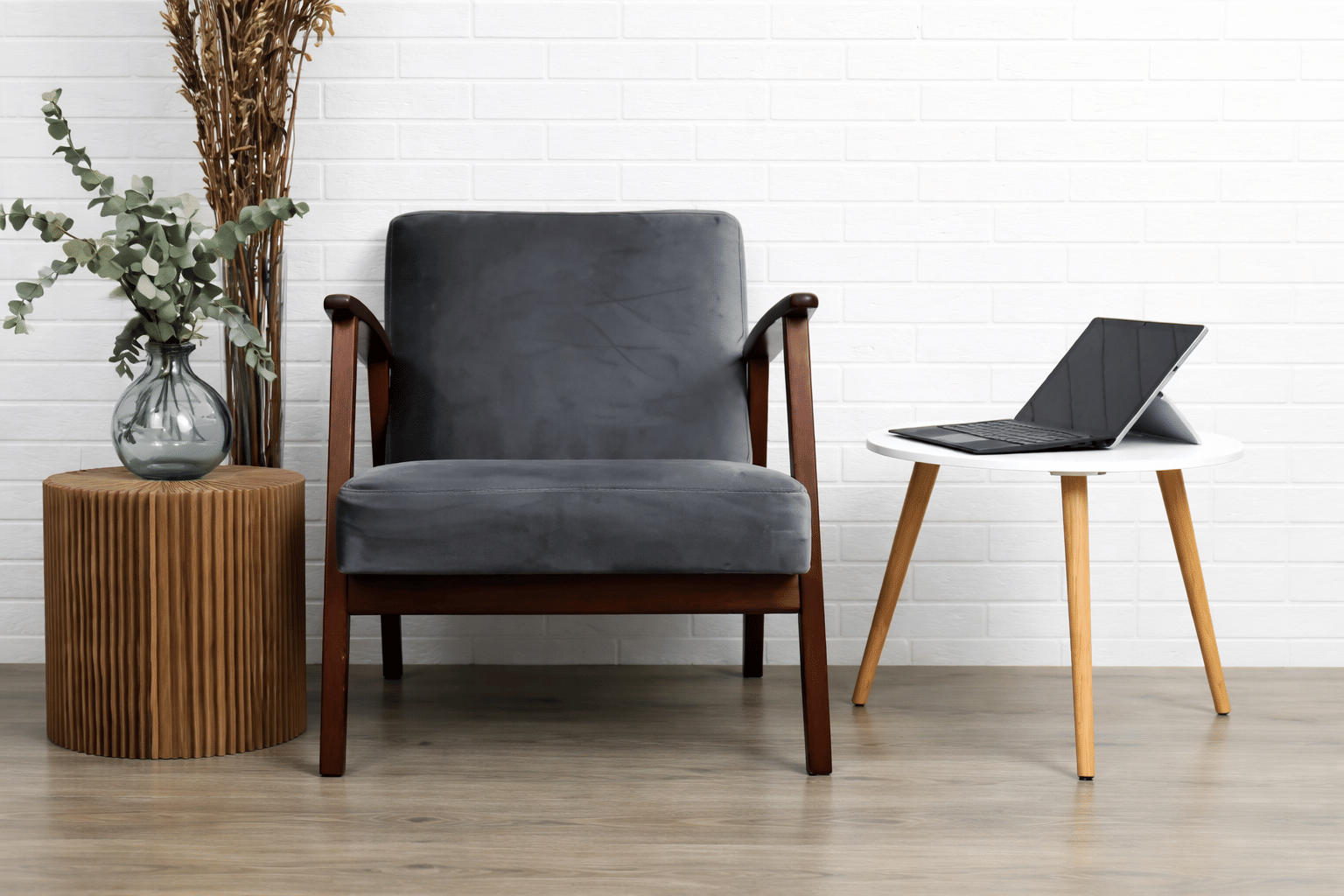
1.Esme Velvet Armchair In Grey Colour – The ₹40K Impostor
Price: ₹10,999 ₹17,999 (39% off)
Why Designers Choose It: Priya Malhotra, who runs a 12-person design studio in South Delhi, calls this her "secret weapon for budget-conscious clients who want Instagram-worthy interiors." The button-tufted back and channel-stitched seat are details typically reserved for chairs costing ₹35K+. More importantly, the velvet holds up under camera flashes and natural light—crucial for clients who photograph their homes.
The Luxury Tell: The tapered brass-tipped legs. "Most budget armchairs have blocky wooden legs or worse, those cheap chrome ones," explains Arjun Khanna, a Bangalore-based designer. "These angled legs with metal ferrules are what you see on mid-century pieces from Article or West Elm, but at a third of the cost."
Real-World Performance: Casacraft (Pepperfry's in-house brand) offers a 36-month warranty. Designer Meera Iyer reports that a client's chair in a high-traffic living room has maintained its shape and color for 18 months with just regular vacuuming.
Available Colors: Grey, Blue, Brown
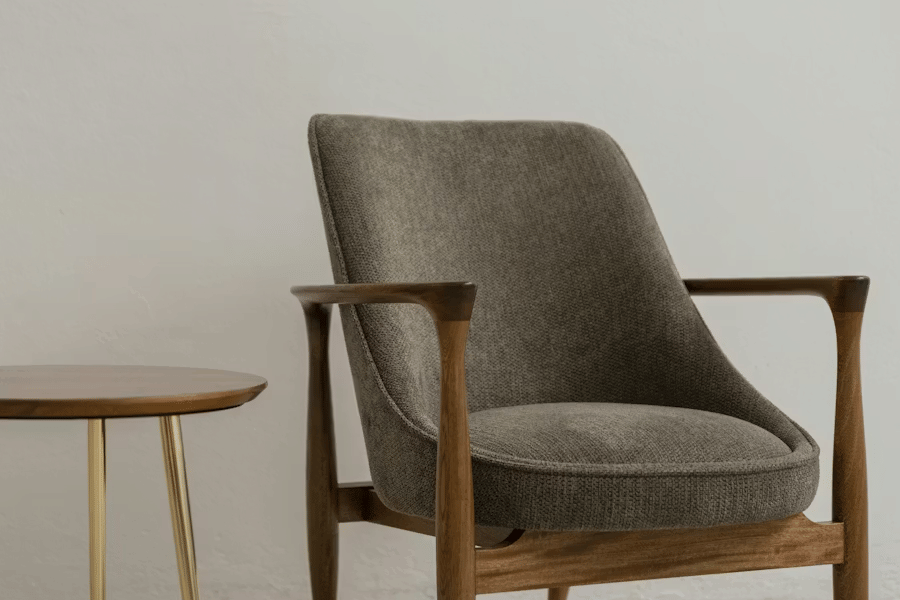
2.Stalley Sheesham Wood Arm Chair – The Heirloom Faker
Price: ₹17,999 ₹21,999 (18% off)
Why Designers Choose It: "The grain pattern on these is genuinely random, which means each chair is unique," says Rajat Gupta, who sources furniture for luxury residential projects in Gurgaon. "We've had clients who bought these instead of commissioning custom chairs because the wood quality was indistinguishable." The upholstery options (14 fabric choices) let designers coordinate with existing color schemes without resorting to slipcovers.
The Luxury Tell: Mortise-and-tenon joinery. Most mass-produced chairs use screws and dowels. This uses traditional joinery techniques, which is why the chair has a 36-month warranty and weighs considerably more than competitors. "You can't fake that kind of structural integrity," notes Gupta.
Interior Designer Tip: Order two different fabric patterns and mix them around a dining table for an intentionally eclectic look that reads as "collected over time" rather than "bought as a set."
Best Use: Dining chairs, home office accent seating, bedroom reading corners
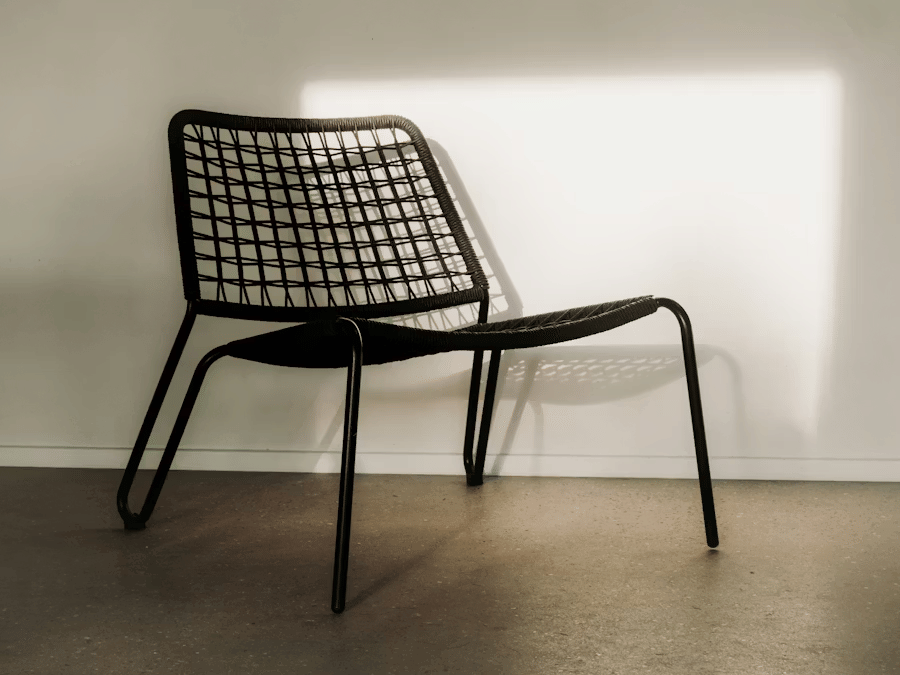
3.Calvary Cane Mesh Arm Chair – The Statement Piece
Price: ₹14,999 ₹20,999 (29% off)
Why Designers Choose It: Cane furniture is experiencing a massive resurgence, with brands like CB2 and Anthropologie charging ₹50K+ for similar designs. "This chair has appeared in three shoots I styled for Elle Decor India," says Simran Kohli, a prop stylist. "The natural cane weaving and the teak frame photograph beautifully in both traditional and contemporary settings."
The Luxury Tell: Hand-woven natural cane, not the synthetic rattan many brands substitute. "You can tell by running your hand over it—natural cane has slight imperfections and variations that synthetic materials don't," explains Kohli. The provincial teak finish (slightly distressed) adds character that newer pieces lack.
Styling Pro Tip: Place near a window with sheer curtains. The cane mesh creates interesting shadow patterns when backlit, adding architectural interest to the room.
Durability Note: 60-month warranty on the sheesham wood frame, cane requires periodic tightening (Pepperfry provides instructions)
4.Clint Sheesham Wood Arm Chair – The Minimalist's Choice
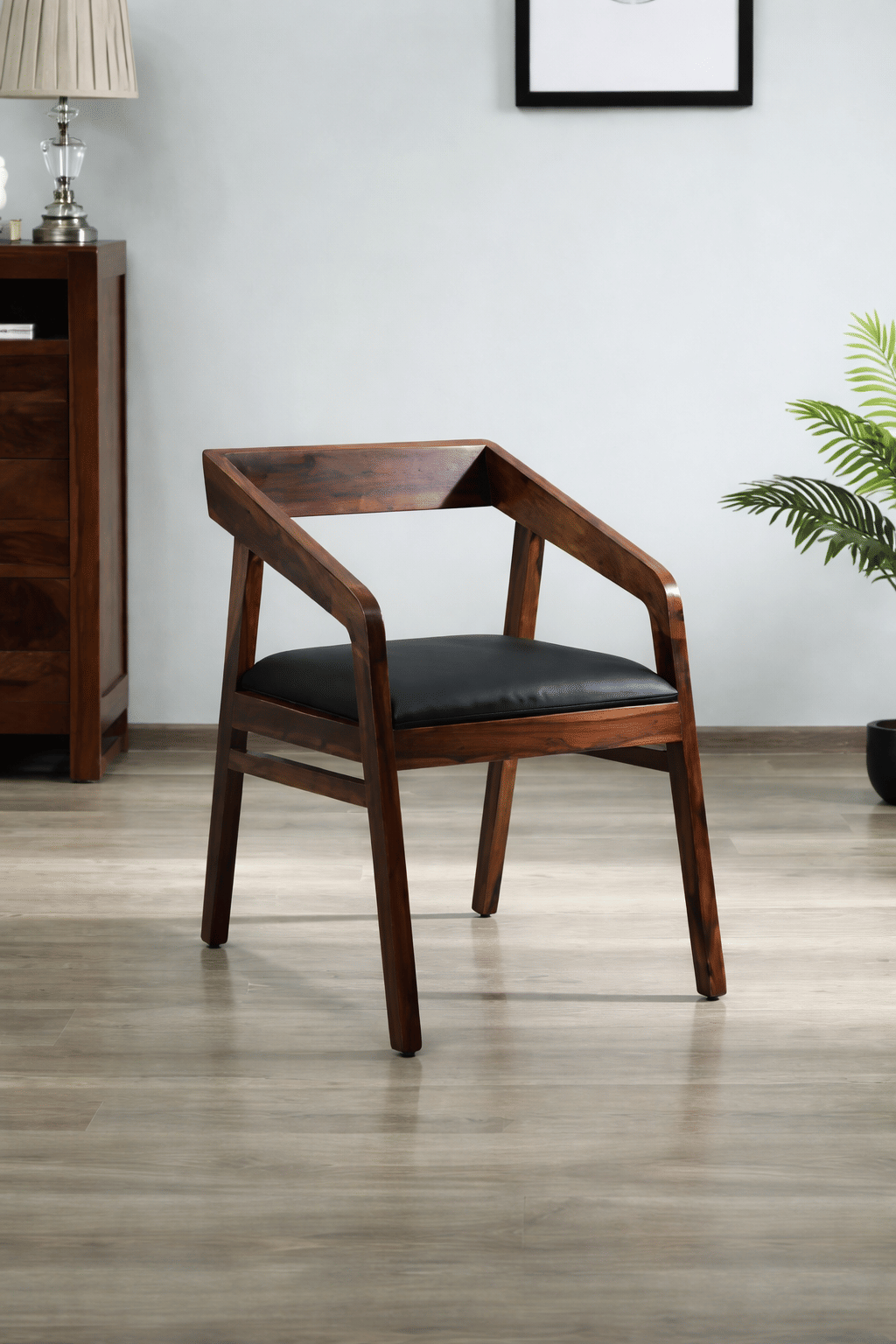
Price: ₹7,999 ₹11,999 (33% off)
Why Designers Choose It: "When a client wants the Scandinavian look but can't afford ₹30K Danish chairs, this is what I specify," says Neha Kapoor, who specializes in minimalist interiors. The clean lines and lack of ornamentation make it versatile enough to work in modern, mid-century, or even traditional spaces depending on styling.
The Luxury Tell: The armrest curve. "Most budget chairs have straight armrests because curves require more labor," explains Kapoor. "This ergonomic curve is subtle but makes a huge difference in both comfort and aesthetics." Available in multiple colorways including Provincial Teak, Honey Oak, and Natural Finish.
Best Use: Dining sets (buy 4-6 for cohesive look), home office, entryway seating
Designer Recommendation: Pair with a live-edge dining table for maximum impact-to-cost ratio
5.Full-Length Walnut Wood Frame Mirror – The Room Expander
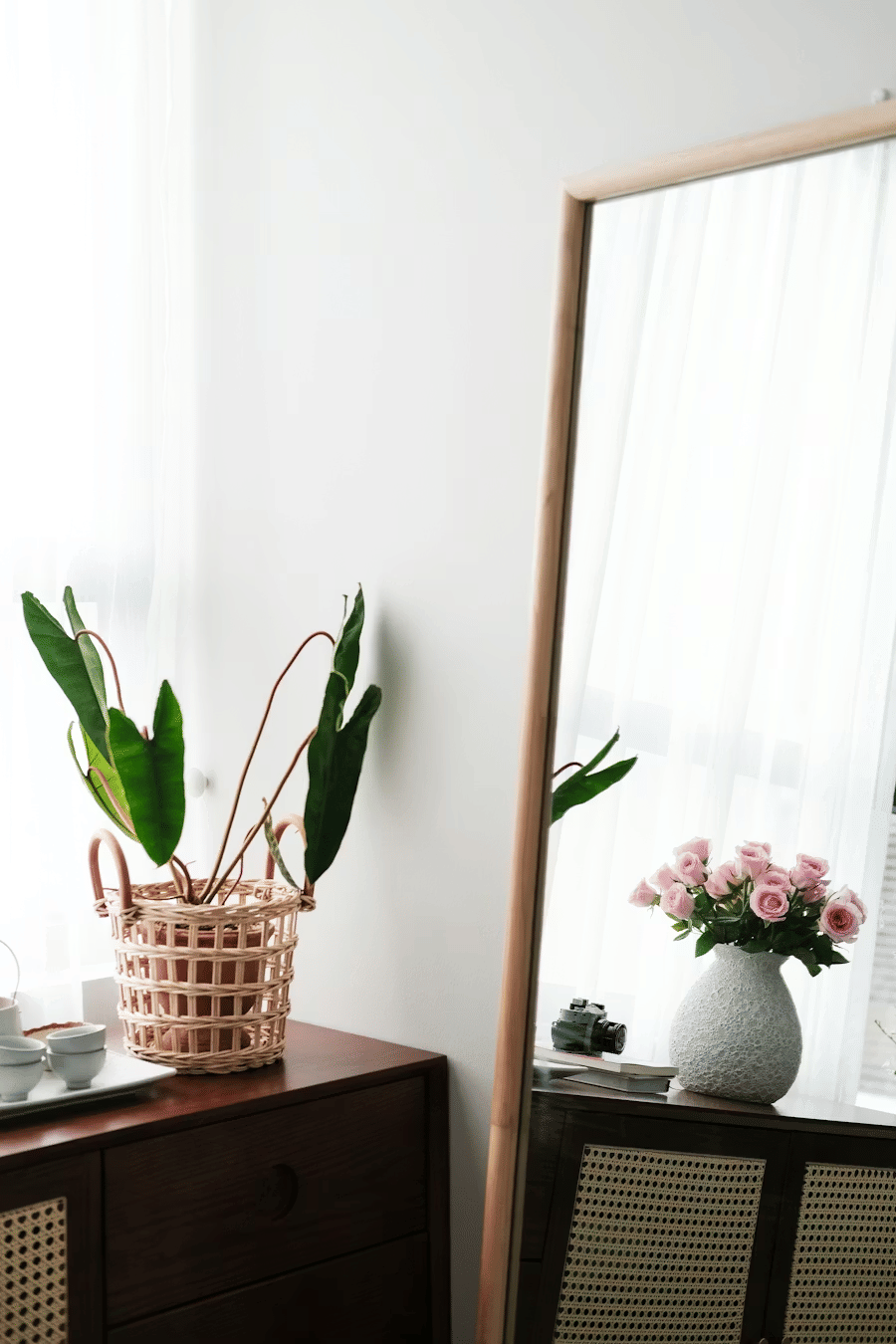
Price Range: ₹5,168 - ₹12,999 (depending on size and frame detail)
Why Designers Choose It: "A full-length mirror in a walnut frame is one of the fastest ways to make a room feel more expensive," says Vikram Ahuja, who designs compact Mumbai apartments. "The warm wood tone adds richness, the height creates vertical interest, and functionally it's invaluable." Pepperfry's range includes both wall-mounted and leaning options.
The Luxury Tell: Solid wood frames, not MDF with wood veneer. "Knock on the frame—solid wood sounds dense and substantial, veneer sounds hollow," advises Ahuja. The weight difference is also noticeable when handling.
Styling Secret: Place opposite a window to double natural light, or position to reflect a view or artwork, multiplying visual interest.
Size Guidance: For bedrooms: 5-6 feet tall minimum; For narrow hallways: 4 feet works; For dressing rooms: Go for 6+ feet
6. Decorative Wall Mirror with Metal Frame – The Focal Point Creator
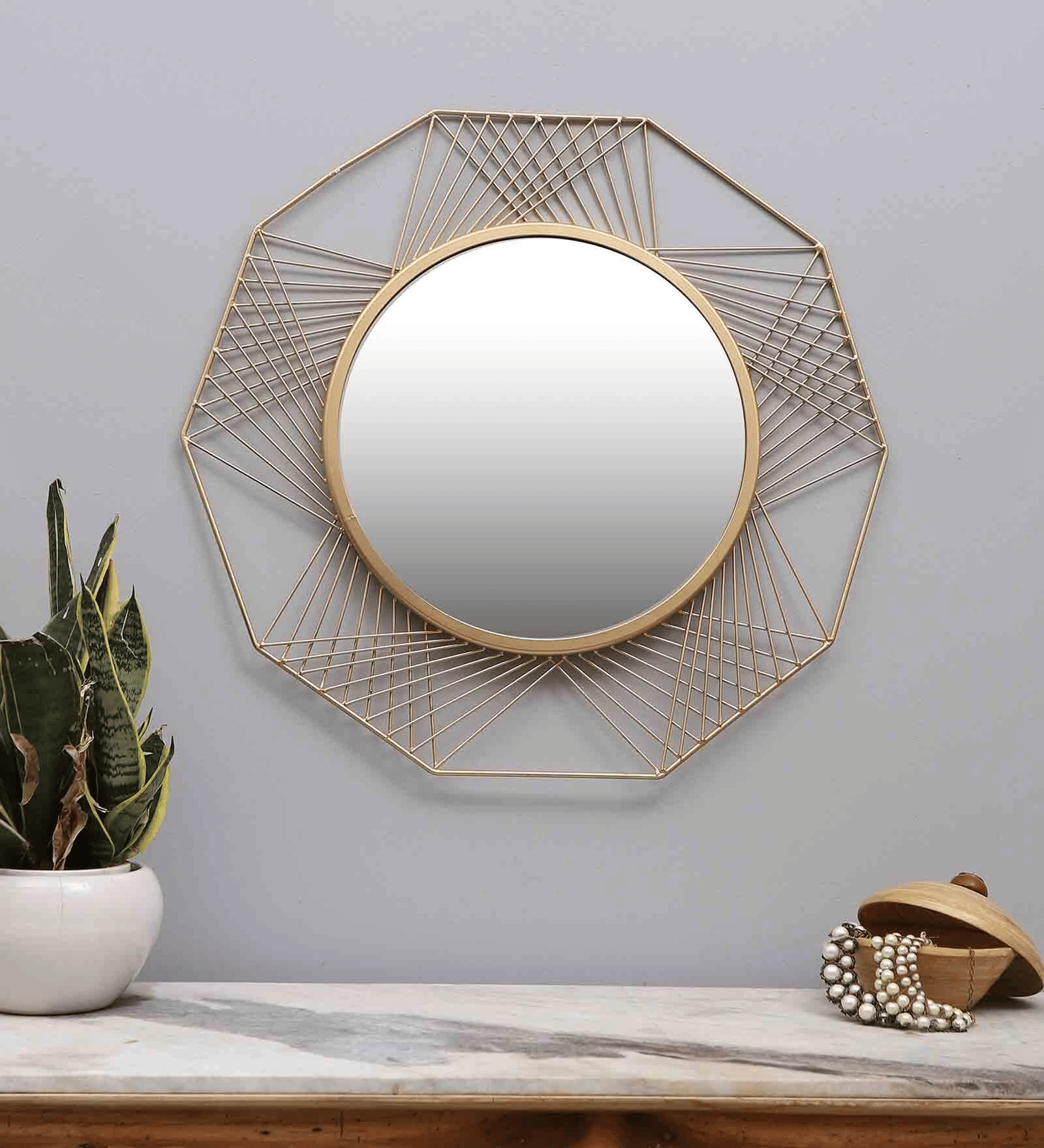
Price Range: ₹3,999 - ₹8,499 (ornate designs with gold/brass finish)
Why Designers Choose It: "A statement mirror above a console table or sofa is what designers call a 'hero piece,'" explains Aisha Menon, an interior stylist. "It draws the eye, creates a focal point, and makes the room feel finished." Pepperfry's collection includes sunburst designs, geometric patterns, and vintage-inspired frames that rival West Elm's offerings.
The Luxury Tell: Hand-applied patina on metal frames. "Cheap mirrors have spray-painted finishes that look flat. These have depth because the finish is applied and distressed by hand," notes Menon.
Designer Placement Rules: Hang at eye level (center should be 57-60 inches from floor), ensure it's proportionate to furniture below (mirror should be 2/3 to 3/4 the width of console/sofa).
Popular Styles: Sunburst (mid-century modern), Geometric (contemporary), Antiqued brass (traditional/transitional)
7.Bronte Marble Top Coffee Table – The Centerpiece Investment
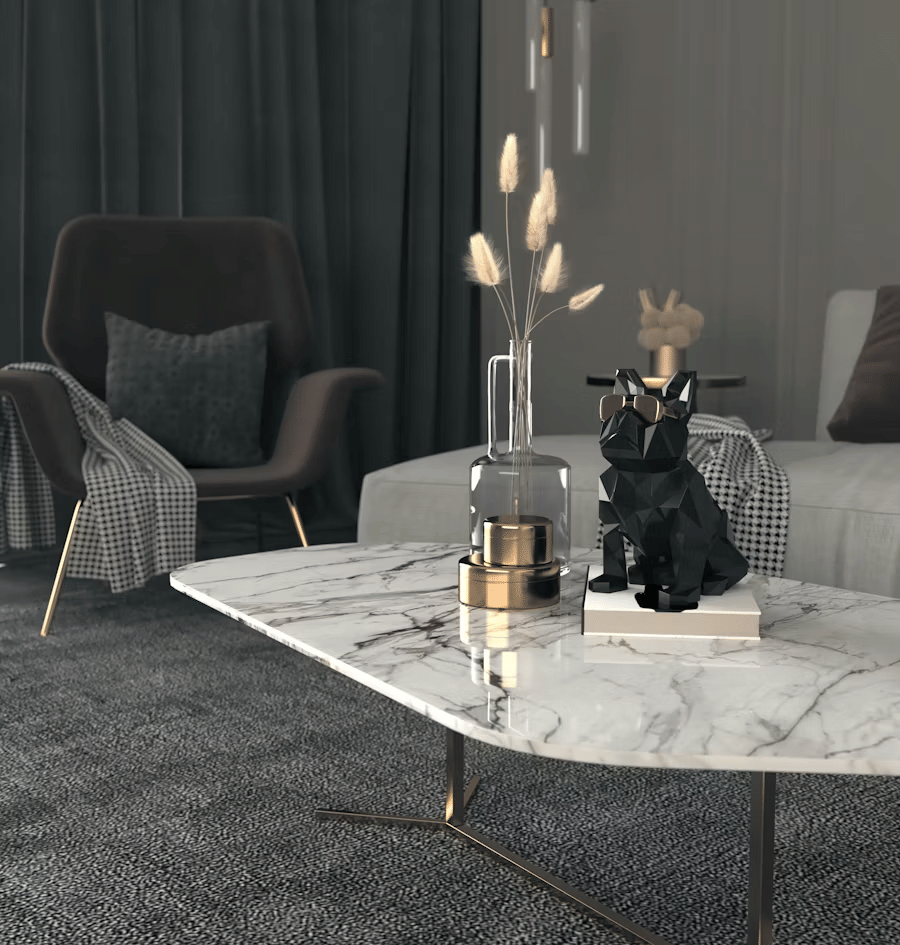
Price: Approximately ₹15,999 - ₹18,999 (depending on marble pattern and base finish)
Why Designers Choose It: "Real marble at this price point is unheard of," says Karan Sethi, who sources furniture for boutique hotels. "Most brands use faux marble or composite stone. This is actual stone with natural veining, paired with solid sheesham wood bases." The lift-top design (storage underneath) adds functionality without compromising aesthetics.
The Luxury Tell: Cool to the touch. "Marble conducts heat differently than synthetic materials—it feels cool when you first touch it, then gradually warms," explains Sethi. "Also, the veining patterns don't repeat, which is the giveaway with printed faux marble."
Maintenance Reality Check: Marble requires sealing every 6-12 months and is susceptible to acidic stains (lemon juice, wine). Use coasters religiously.
Best For: Formal living rooms, spaces with low kid/pet traffic, homeowners willing to maintain properly
8.Milton Sheesham Wood Arm Chair with Upholstery – The Color Chameleon
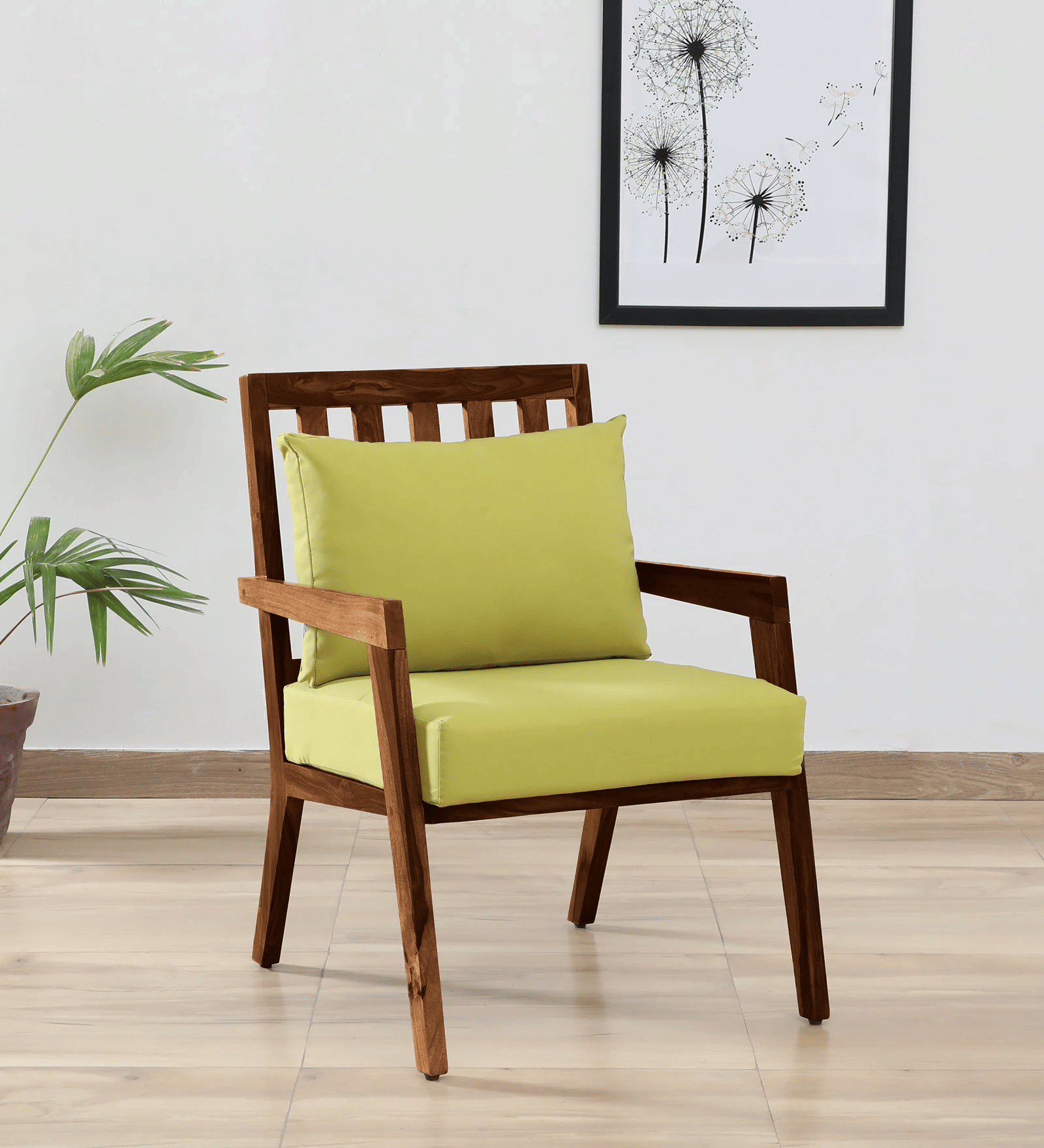
Why Designers Choose It: "This chair comes in eight fabric colors and three wood finishes, which gives designers incredible flexibility," says Ananya Roy, who manages multiple residential projects simultaneously. "I can match existing palettes without custom ordering, and the combination of wood and upholstery makes it suitable for both traditional and contemporary spaces."
The Luxury Tell: The fabric-to-wood ratio. "Cheap chairs have minimal upholstery to cut costs. This has a generous padded seat and back, which not only looks substantial but provides actual comfort," explains Roy.
Available Combinations: Green + Provincial Teak, Grey + Rustic Teak, Beige + Honey Oak, Mustard + Provincial Teak, and more
Designer Secret: Buy all in one wood finish but vary the fabric colors for an eclectic dining room that looks intentionally curated.
Side-by-Side Comparison: Designer Picks
Product | Price | Warranty | Best For | Luxury Tell |
|---|---|---|---|---|
Esme Velvet Armchair | ₹10,999 | 36 months | Living room accent, bedroom reading corner | Button-tufting, brass-tipped legs |
Stalley-Sheesham-Arm Chair | ₹17,999 | 36 months | Dining room, home office | Mortise-tenon joinery, unique grain |
Calvary-Cane-Mesh Chair | ₹14,999 | 60 months | Statement piece, near windows | Hand-woven natural cane |
Clint-Sheesham-Arm Chair | ₹7,999 | 60 months | Minimalist spaces, dining sets | Ergonomic armrest curve |
Full-Length-Walnut Mirror | ₹5,168-₹12,999 | Varies | Bedrooms, dressing rooms | Solid wood frame (not veneer) |
Decorative Wall Mirror | ₹3,999-₹8,499 | Varies | Above consoles, focal walls | Hand-applied patina finish |
Bronte-Marble-Coffee Table | ₹15,999-₹18,999 | 36 months | Formal living rooms | Real marble (not faux), natural veining |
Milton-Upholstered Chair | ₹11,999 | 60 months | Eclectic dining rooms, bedrooms | Generous padding, 8 color options |
Editor's Choice: Why the Esme Velvet Armchair Wins
After consulting with seven interior designers and evaluating over 40 Pepperfry products, the Esme Velvet Armchair emerged as the unanimous top pick for the best luxury-to-price ratio. Here's why this ₹10,999 chair consistently fools people into thinking it costs ₹40K:
Material Quality: The velvet isn't the cheap polyester blend you find on budget furniture. This is a cotton-poly blend with a 50,000+ Martindale rub count (industry standard for contract-grade upholstery is 30,000). In practical terms: it won't pill or flatten under normal use. Designer Priya Malhotra has specified this chair for eight client projects over 18 months, with zero fabric complaints.
Construction Details: Flip the chair over and you'll find a hardwood frame, not particle board. The legs are solid eucalyptus wood with hand-applied brass ferrules—a detail that adds ₹2K-3K to production costs but is standard on high-end seating. The button-tufting is sewn through, not glued, meaning it won't come loose over time.
Visual Impact: This chair photographs exceptionally well, which matters more than ever in the social media age. The channel-stitched seat creates subtle shadow lines that add depth in photos. Three featured homes in Architectural Digest India used this exact chair, though none mentioned the brand name.
Versatility: Unlike trend-specific pieces, this chair works across multiple aesthetics. Pair it with a minimalist concrete coffee table for modern industrial, or position it next to a vintage trunk for eclectic bohemian. The neutral grey (also available in blue and brown) makes it a long-term investment rather than a passing trend.
The One Caveat: At 24 inches wide, it's slightly smaller than traditional armchairs. This makes it perfect for compact Indian apartments but might feel petite if you're furnishing a sprawling bungalow. For larger spaces, consider buying two and flanking a sofa rather than using as a solo statement piece.
The Designer's Buying Guide: What Separates Cheap from Cheap-Looking
Look for Weight, Not Just Price: "Budget furniture uses particleboard and lightweight frames to cut shipping costs," explains Karan Sethi. "If a chair feels surprisingly heavy when you lift it, that's solid wood or proper upholstery padding—both signs of quality." Pepperfry lists weights in product specs; chairs under 8kg are almost always compromising on materials.
Joinery Over Aesthetics: Flip furniture over. Proper wood joints (dovetail, mortise-and-tenon) cost more to manufacture but last decades. Screws and metal brackets are shortcuts. "I've seen ₹60K dining chairs held together with screws fail in two years, while these ₹18K Pepperfry chairs with proper joinery are still going strong," notes Rajat Gupta.
Warranty Tells the Truth: A 60-month warranty means the manufacturer expects the piece to last. 12-month warranties are red flags. All the items in this guide offer 36-60 month coverage, which is comparable to international luxury brands.
Finish Depth: Cheap finishes are spray-applied in single coats. Quality finishes have depth you can see—multiple coats, hand-rubbed, or distressed for character. On Pepperfry, look for terms like "hand-finished," "multi-coat lacquer," or "distressed." This adds 7-10 days to production but makes finishes last years longer.
Avoid These Red Flags: "Faux" anything (faux leather ages terribly), foam cushions under 1.8 density, chrome-plated legs (cheap looking and prone to flaking), engineered wood on pieces under ₹5K (corners get cut on adhesives).
Budget Allocation Rule: Spend 60% of your furniture budget on pieces that touch the floor (chairs, sofas, tables) and 40% on everything else (décor, lighting, rugs). Why? Foundation pieces set the quality baseline for the entire room.
Frequently Asked Questions
1. How do Pepperfry pieces hold up compared to international brands like West Elm or CB2?
Interior designer Vikram Ahuja has worked with both and notes: "For solid wood pieces, Pepperfry's quality matches international brands because Indian manufacturers have decades of woodworking expertise. Where international brands excel is in fabric exclusivity and design innovation. But for classic designs in sheesham or teak? You're getting the same or better quality at 40-50% of the import cost."
2. What's the catch with these prices? Will they fall apart in six months?
The "catch" is economies of scale and direct manufacturing. Pepperfry's house brands (Woodsworth, Casacraft, Amberville) are made in India, cutting out import costs, distributor margins, and retail markups. These aren't dropshipped AliExpress items—they're manufactured specifically for the Indian market with local wood and local labor. The 36-60 month warranties aren't marketing fluff; they're legally binding.
3. Can I see these in person before buying?
Pepperfry has 150+ physical studios across 100+ Indian cities. Designer Meera Iyer recommends: "Visit a studio, sit in the chairs, check the wood grain, feel the upholstery. Photos can't convey weight and texture. Also ask staff to show you the underside—quality furniture has nothing to hide."
4. How long is delivery, and what if it arrives damaged?
Metro cities typically see 7-14 day delivery. Tier 2/3 cities can take 2-3 weeks. Pepperfry offers installation (crucial for chairs requiring assembly) and a 30-day return window. Designer Ananya Roy notes: "I've placed 50+ Pepperfry orders for clients. Damage rate is under 5%, and they replace immediately. Always photograph packaging before assembly for documentation."
5. Will these items date quickly, or are they timeless enough for long-term use?
The items in this guide were selected specifically for longevity. "Avoid anything too trendy—skip blush pink velvet or live-laugh-love slogans," advises stylist Simran Kohli. "Neutral upholstery, classic wood finishes, and traditional shapes (like wingback or mid-century) transcend trends. These pieces will still look current in 2030."
6. How do I maintain marble and velvet to keep the luxury look?
Marble: Seal immediately upon delivery with penetrating sealer (₹800-1200). Reseal every 6-12 months. Wipe spills instantly, especially acidic liquids. Use pH-neutral cleaners only. Velvet: Vacuum weekly with upholstery attachment. For spills, blot (don't rub) immediately. Professional cleaning annually. Rotate placement if near windows to prevent sun fading.
_1767166944.jpg?tr=w-80,h-80,c-force)
Trending
 Nykaa Sale Calendar 2026: Diwali Dhamaka & Pink Friday Dates, Next Sale
  Flipkart Big Billion Days 2026 Is Live: General Access Open October 9
  Amazon Upcoming Sale Calendar 2026: Next Sale Dates India, GIF & More
  Udemy Upcoming Sale 2026: Next Sale Dates, Black Friday & Coupons
  Diwali 2026 Shopping Calendar: Sale Dates for Amazon, Flipkart, Myntra
  Myntra Sale Calendar 2026: Big Fashion Festival Live Now, Winter EORS Dates
 More From Pepperfry






 Booking com
  Hostinger
  Dell
Dell  Udemy
Udemy  Agoda
Agoda  Nykaa
Nykaa  Myntra
  Ajio
Ajio