A Rs. 1,099 Watch Has 134,559 Reviews. A Rs. 19,999 One Has 65.
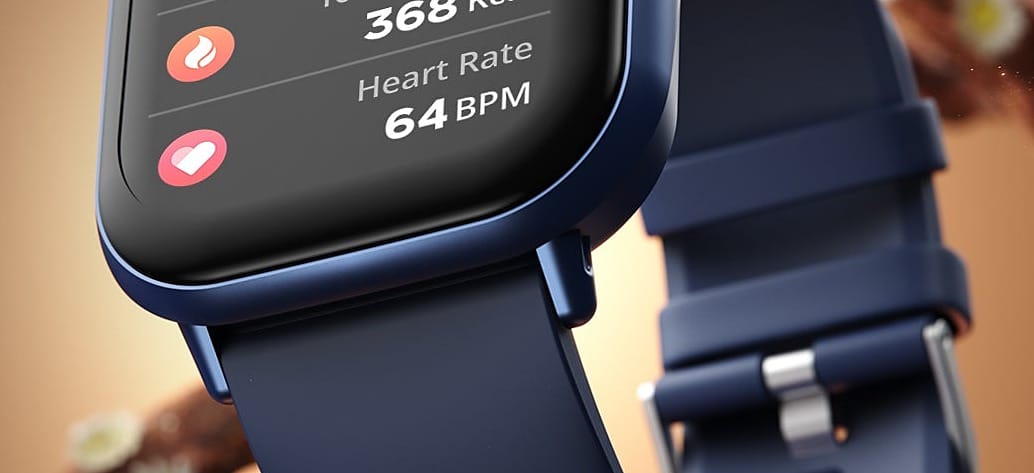
64 Amazon wearable listings, read on August 5 and grouped by price before anything else. The cheap watches hold almost all the crowd data; the expensive ones hold almost none. Twenty-two picks, every rating printed with its count.
The usual advice about shopping a marketplace is to read the reviews, and on Amazon's smartwatch shelf that advice quietly stops working somewhere around Rs. 2,000. We read 69 wearable listings on August 5, 2026 - three queries against amazon.in search covering smartwatches, fitness bands and watches under Rs. 5,000, keeping every row with a price, a stated MRP above it, a rating and an image - removed five resistance bands that the fitness-band query returned, and grouped the remaining 64 by price before comparing a single product. The shelf holds 755,610 ratings between them. Seven hundred and nine thousand three hundred and fourteen of those - 93 per cent - belong to the 29 listings priced under Rs. 2,000. The median sample in that band is 4,165 ratings; between Rs. 2,000 and Rs. 5,000 it falls to 737; between Rs. 5,000 and Rs. 10,000 to 418; and above Rs. 10,000 to 214. Concretely: a Fire-Boltt Ninja Call Pro at Rs. 1,099 carries 134,559 ratings, and a Garmin Vivoactive 5 at Rs. 19,999 carries 65. A single Rs. 1,399 Fire-Boltt has nearly five times as many ratings as every listing above Rs. 5,000 on this shelf put together. That does not mean the cheap watches are better - three brands converge on scores between 3.9 and 4.1 down there, which is a fair verdict on competent rather than good devices. It means that if you want to buy with evidence you have to buy cheap, and if you want the better-built watch you are buying on specification and brand reputation with almost no crowd behind you. The badges run the same way in reverse: a median 75 per cent under Rs. 2,000 against 15 and 18 per cent at the top, where both Fitbit listings are discounted by exactly one rupee. Our read on shared review pools across Amazon's television shelf found a related problem, and stars published without counts at Croma a worse version of it. We have not worn any of these.
Every price below was pulled from Amazon on August 5, 2026 and checked against the MRP on the listing. Stack them with the live codes on our Amazon coupons page, which the deals desk re-verifies daily.
Jump to a pick
- The largest sample on the shelf — Fire-Boltt Ninja Call Pro
- Same pool, different watch — Fire-Boltt Ninja Call Pro Max
- Second-largest sample — Fire-Boltt Phoenix Ultra
- More reviews than the top end combined — Fire-Boltt Rise
- Best score-with-sample under Rs. 2,000 — boAt Wave Call 3
- 26,168 ratings at Rs. 1,499 — Noise Pulse 2 Max
- The round dial, evidenced — Noise Twist
- A spec you can check — boAt Lunar Discovery
- The most restrained sticker here — Fastrack Limitless Glide X
- Best-evidenced above Rs. 2,000 — NoiseFit Halo
- 3,179 ratings at Rs. 3,999 — Huawei Band 10
- Two checkable specs — Redmi Watch 5 Lite
- A fifth the sample, twice the price — Fastrack Limitless FS2 Pro
- A credible sticker — REDMI Watch Move
- Rs. 4,999, and 840 ratings — Titan Crest
- 84 per cent off, 27 ratings — AILKIN Corvex
- A one-rupee discount — Fitbit Inspire 3
- The unflattering number — Fitbit Charge 6
- A high score, thinly built — Amazfit Active 3
- Most expensive, least evidenced — Garmin Vivoactive 5
- Rs. 16,999 with no screen — Polar Loop Gen 2
- Highest score on the shelf — Huawei Band 11
22 Picks From 64 Amazon Wearable Listings, Grouped by How Much Anyone Knows
Under Rs. 2,000: Where 93 Per Cent of the Reviews Live
29 of the 64 wearables we read sell under Rs. 2,000, and they hold 709,314 of the shelf's 755,610 ratings. Median sample in this band: 4,165. Three brands converge on the same answer at the same price with tens of thousands of opinions behind each.
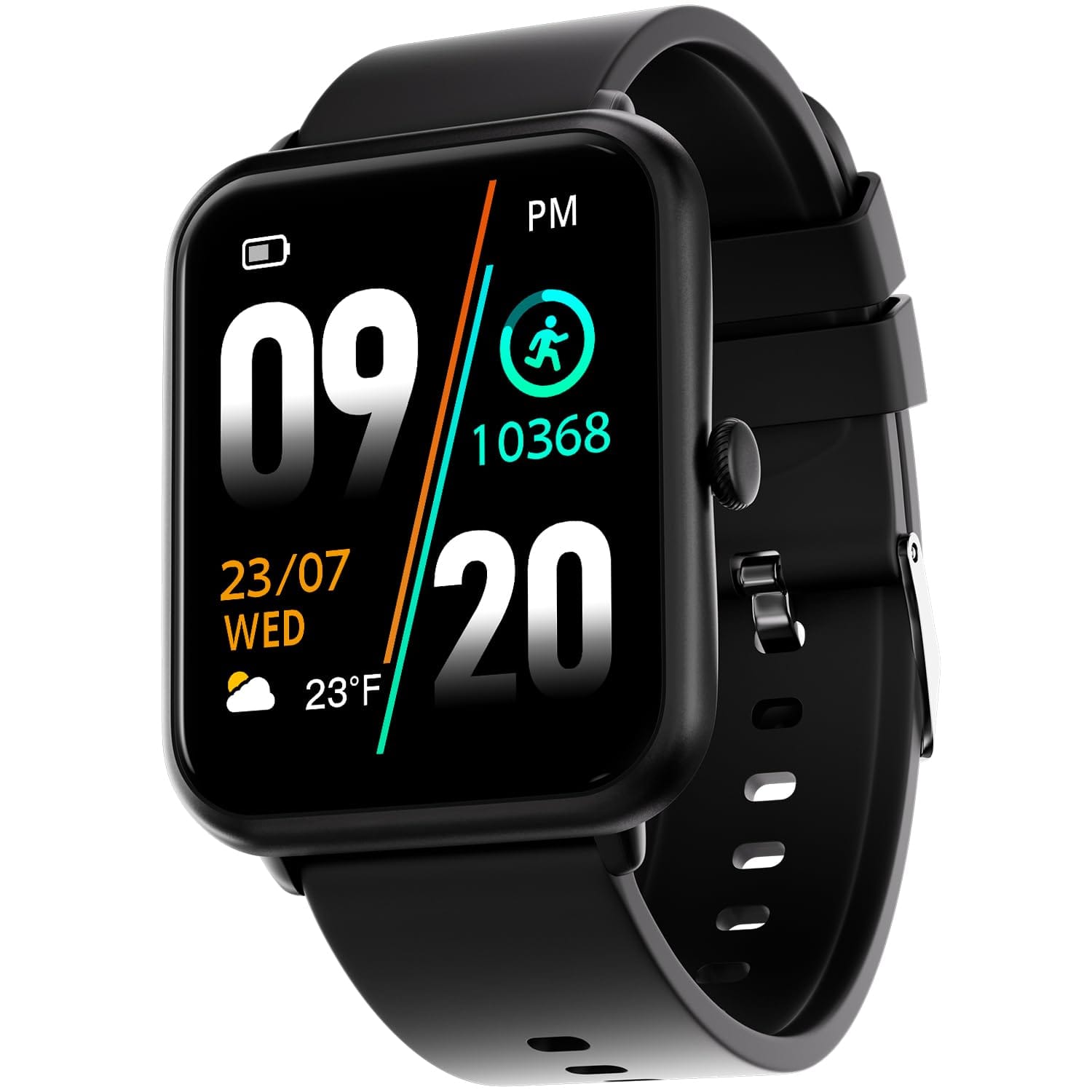
Fire-Boltt Ninja Call Pro Bluetooth Calling Smart Watch, 1.69 inch HD Display
134,559 ratings - and it costs Rs. 1,099.
Why it earned its spot The most heavily rated wearable in our pull is also its second-cheapest, which is the whole argument of this page in one listing.
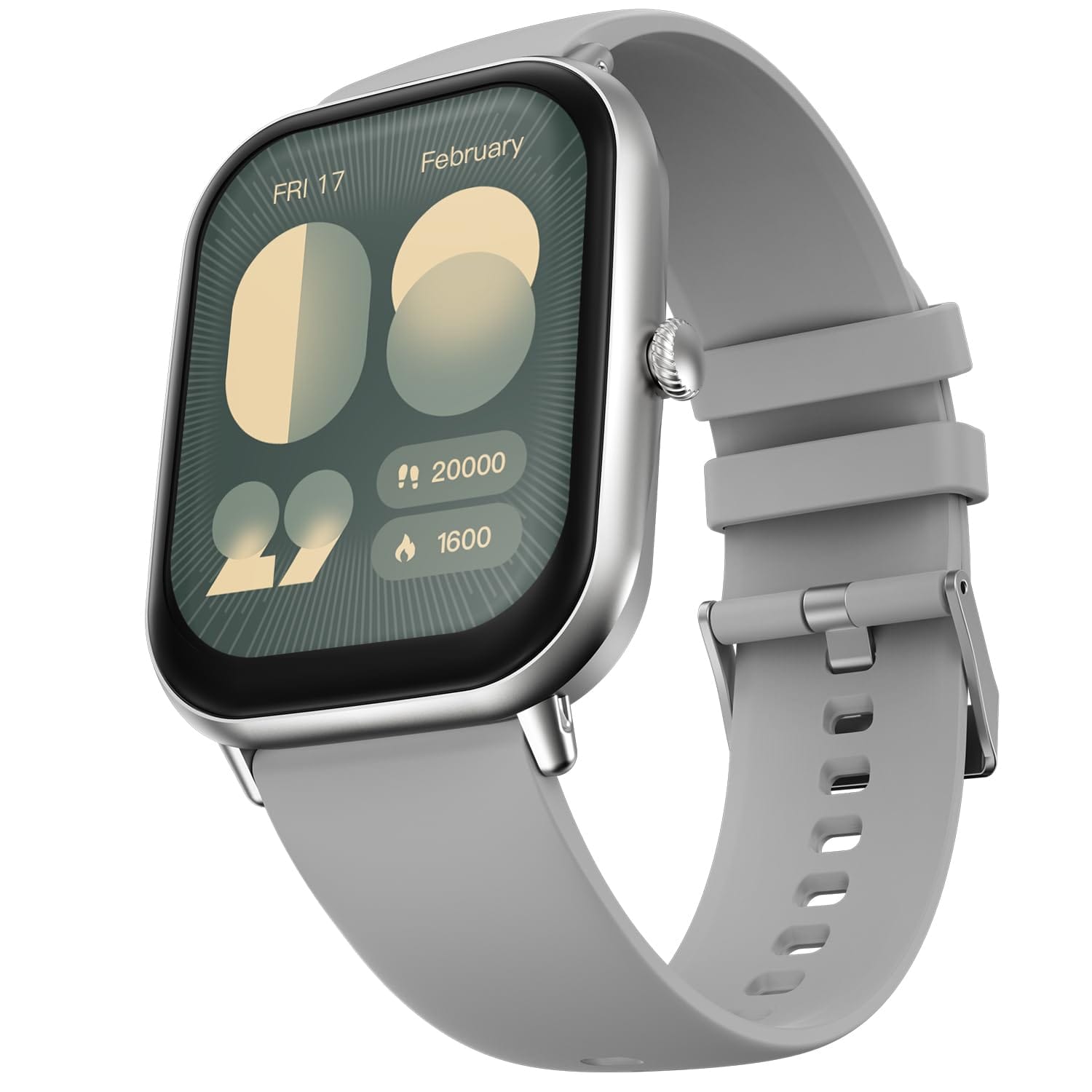
Fire-Boltt Ninja Call Pro Max Bluetooth Calling Smart Watch, 2.01 inch HD Display
The identical 3.9 from 134,559 as the listing above - one pool, two products.
Why it earned its spot Seated directly beneath its sibling so the pooled rating is visible rather than described.
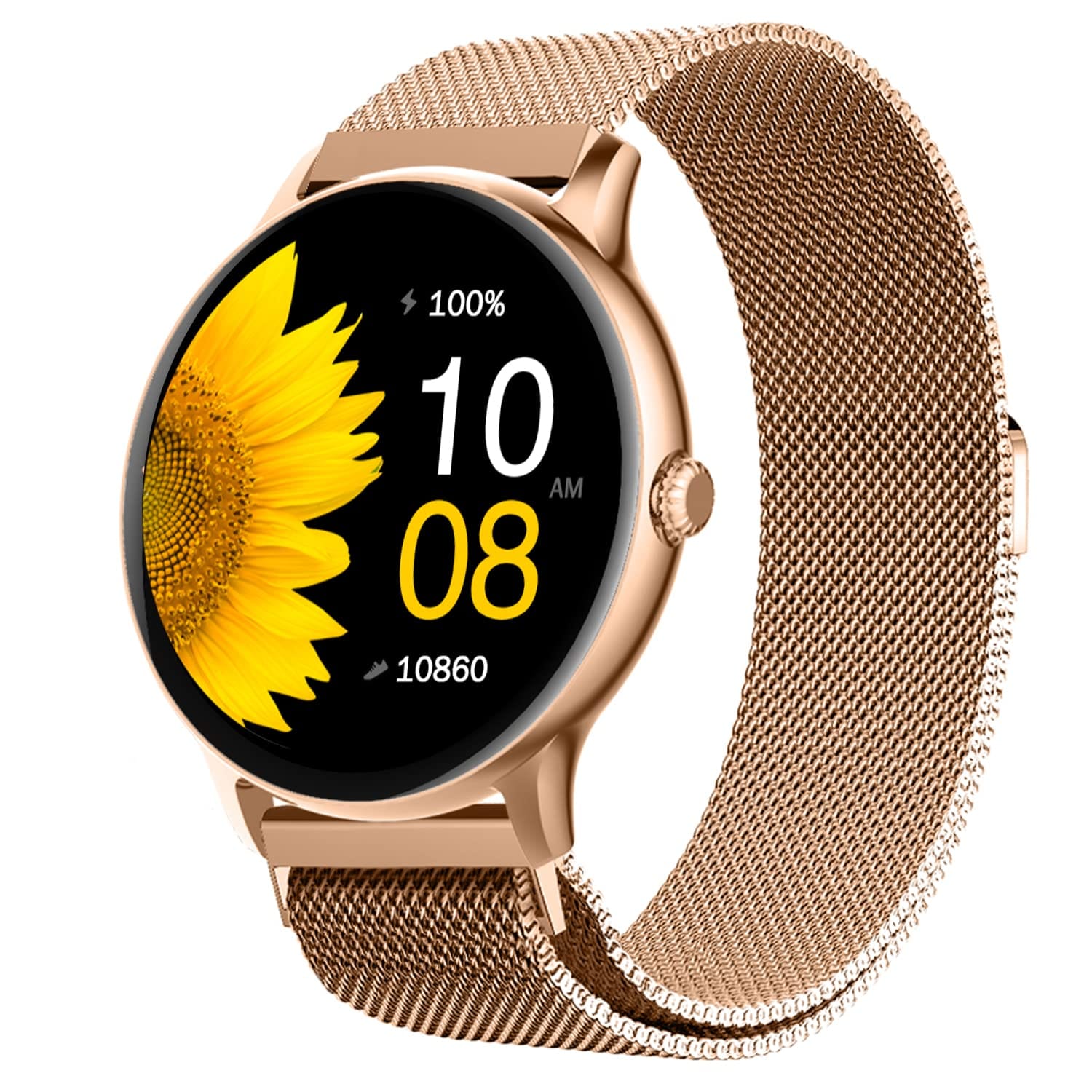
Fire-Boltt Phoenix Ultra Smart Watch 1.39 inch HD Display, Bluetooth Calling
109,639 ratings at Rs. 1,799 - and its own pool, not shared.
Why it earned its spot The second-best-evidenced listing on the shelf, on a rating pool that belongs to it alone.
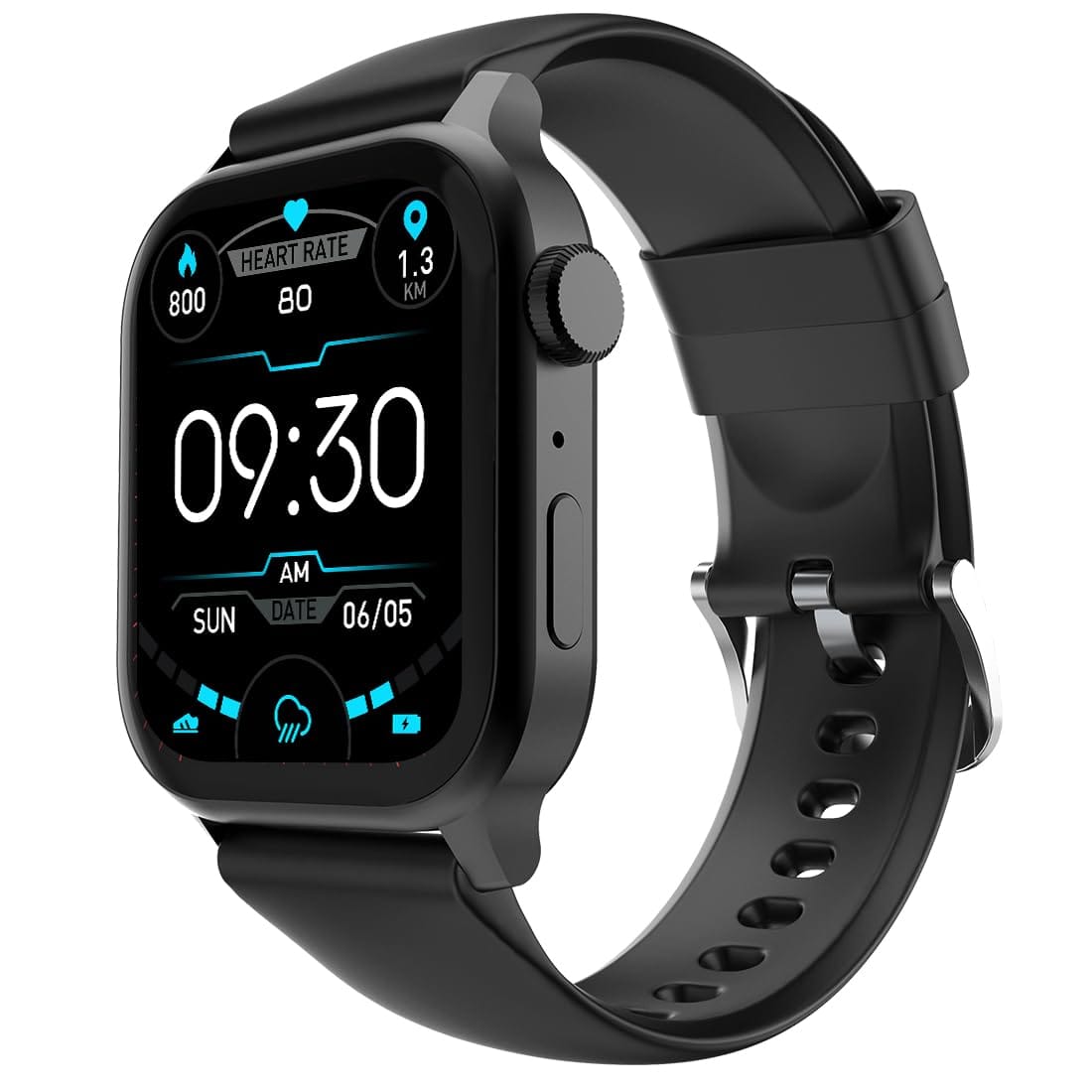
Fire-Boltt Rise Smart Watch 1.85 inch HD Display with Bluetooth Calling
42,001 ratings - more than every listing above Rs. 5,000 on this shelf put together.
Why it earned its spot The clearest arithmetic statement of the page's finding, using one listing against a whole price band.
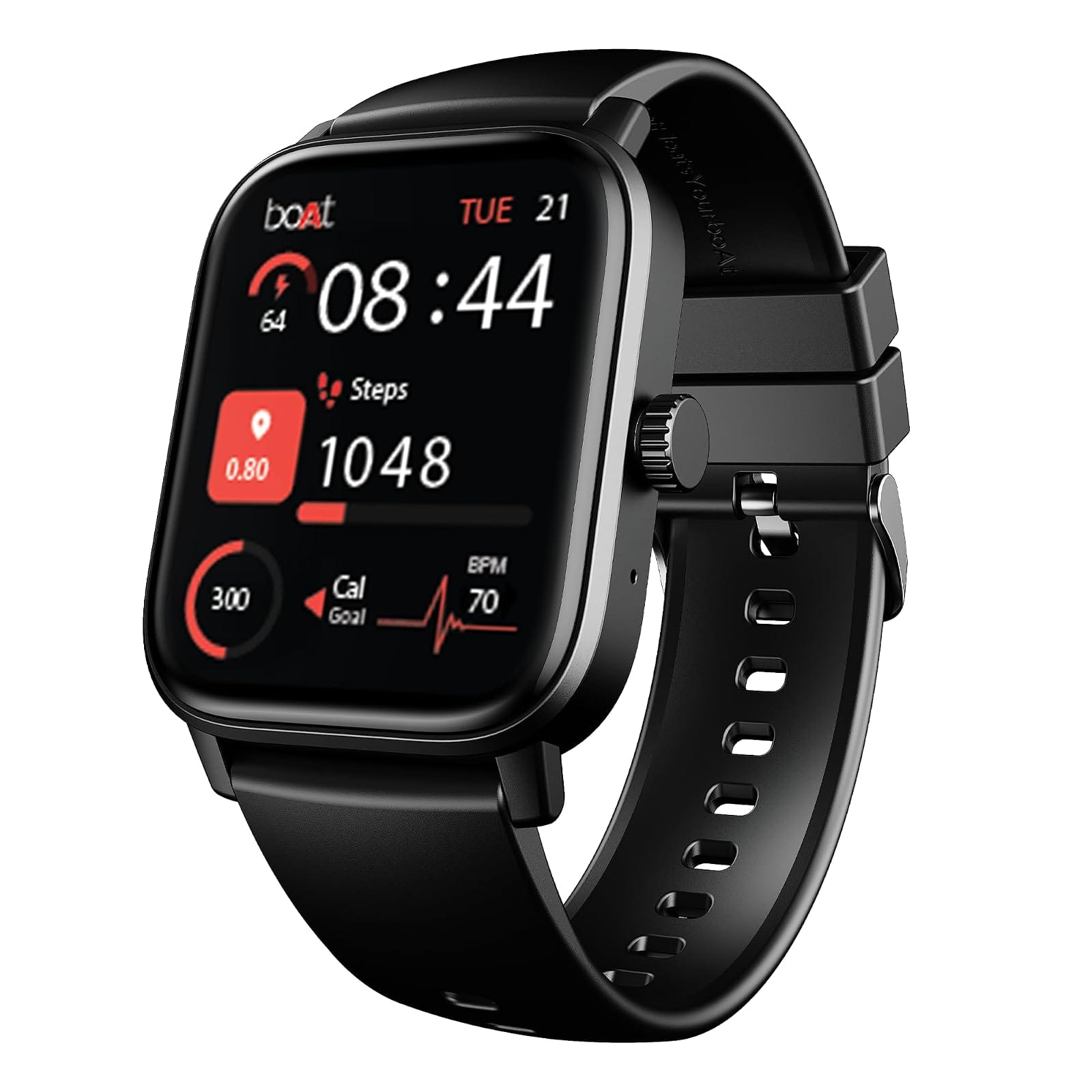
boAt Wave Call 3 Smartwatch 1.83 inch HD Display with Animated Watch Faces
4.1 stars from 26,421 ratings - the strongest combination in this chapter.
Why it earned its spot Higher than the Fire-Boltt trio's 3.9 on a sample still large enough to be reliable.
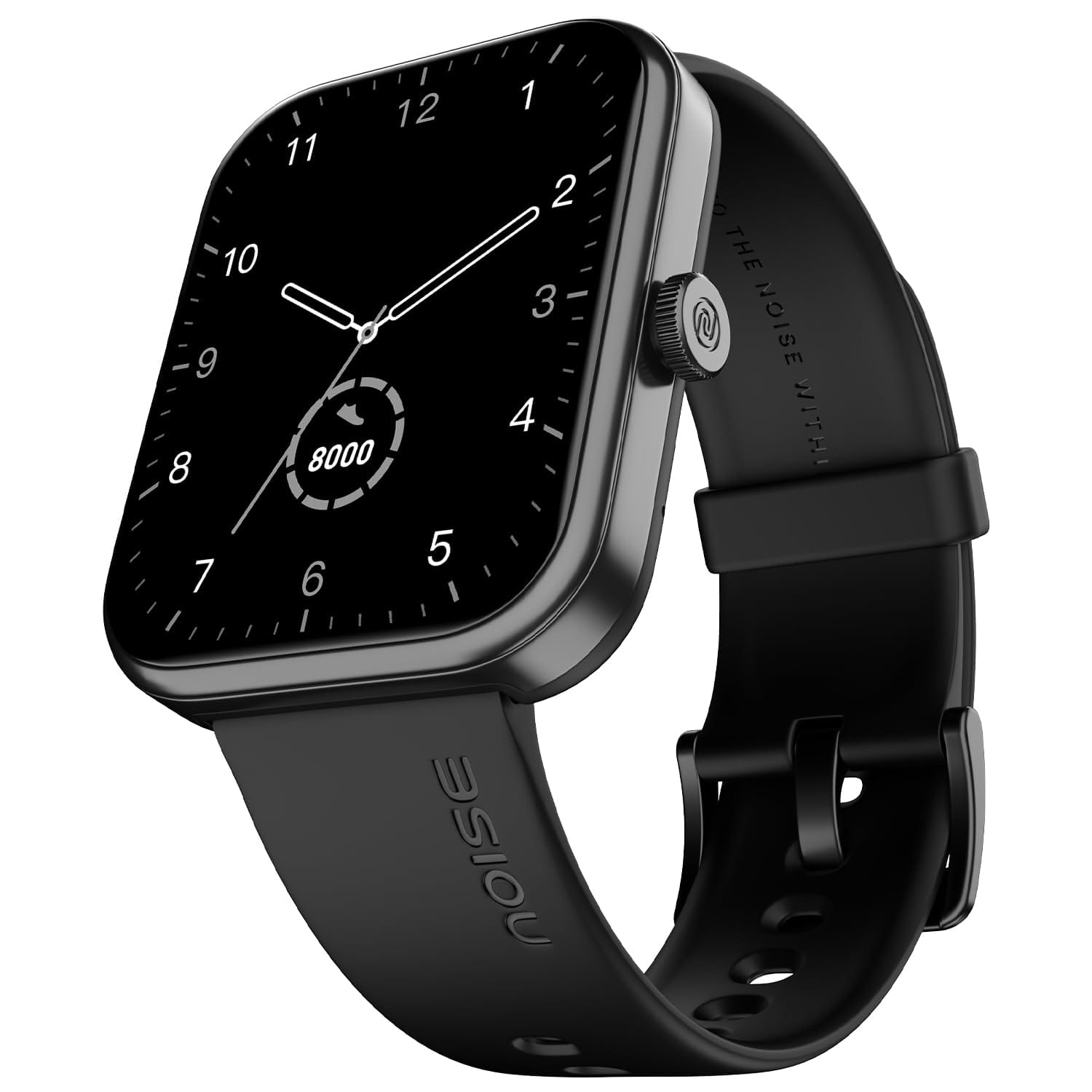
Noise Pulse 2 Max 1.85 inch Display, Bluetooth Calling Smart Watch
4.0 from 26,168 - the third-strongest evidence position on the shelf.
Why it earned its spot A third brand landing in the same place: large sample, sub-Rs. 1,500 price, score around 4.
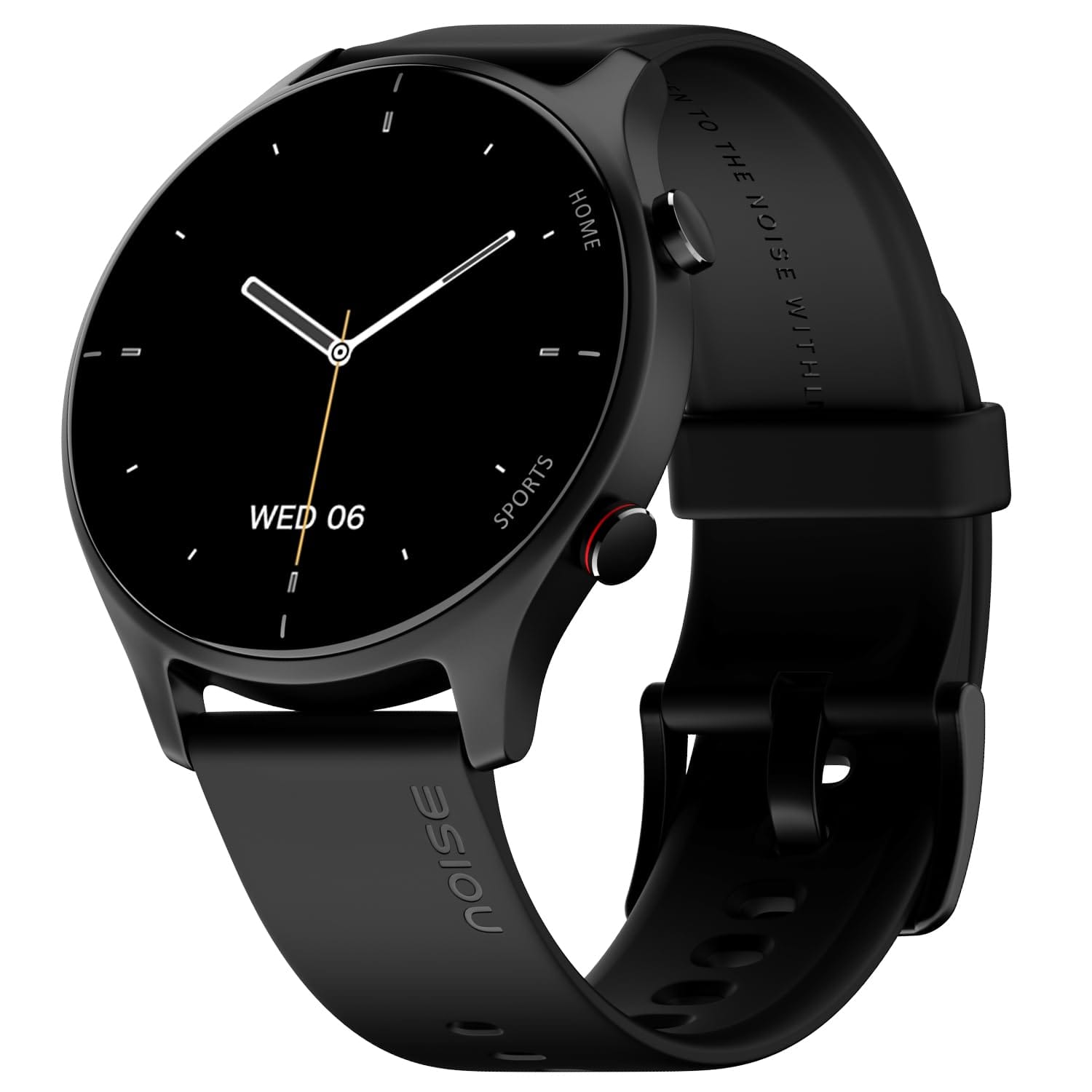
Noise Twist Round dial Smart Watch with Bluetooth Calling, 1.38 inch TFT
A round face at Rs. 1,599, on 12,974 ratings.
Why it earned its spot Almost everything in this chapter is a rectangle; a round dial with a five-figure sample is worth its own seat.
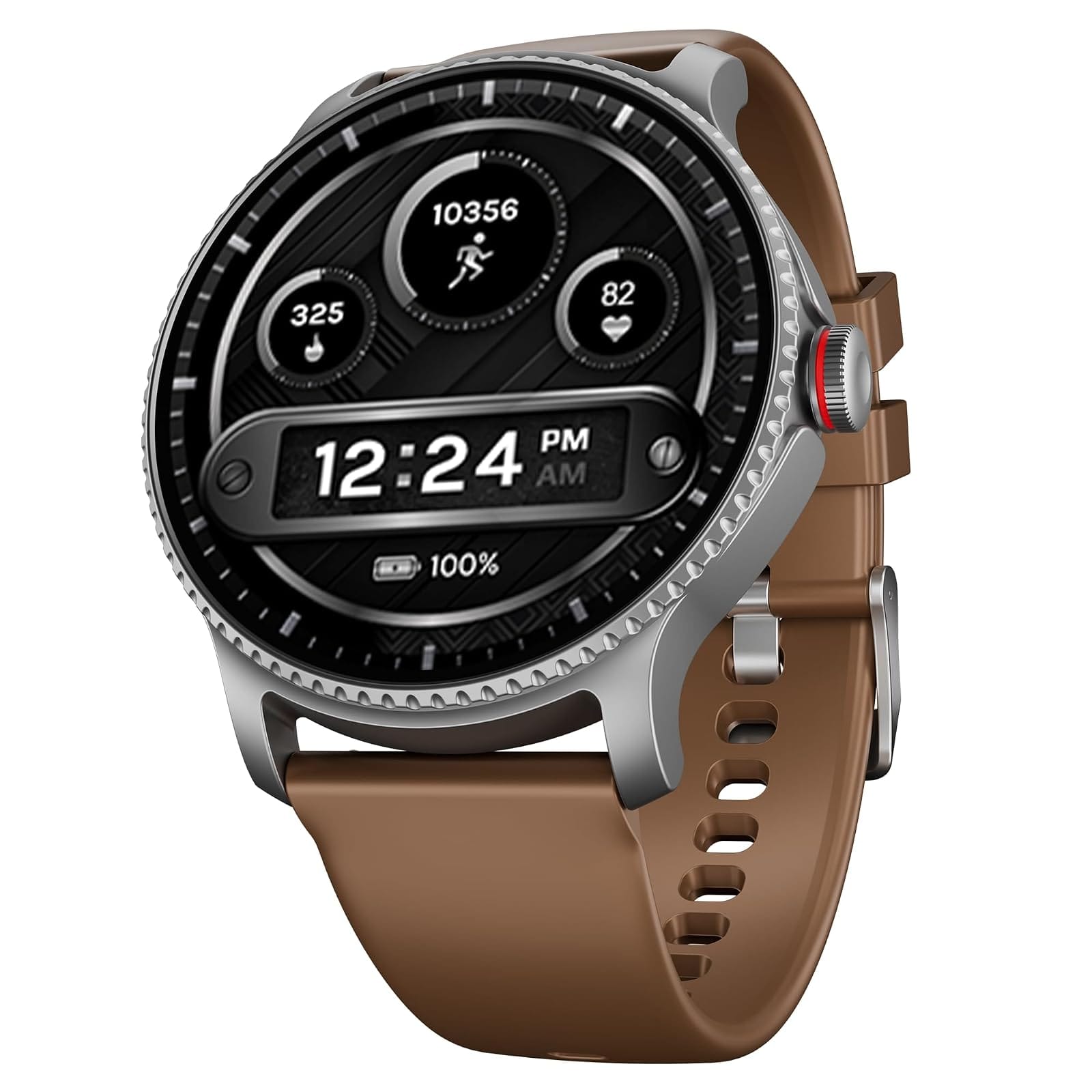
boAt Lunar Discovery with 1.39 inch HD Display and Turn-by-Turn Navigation
Turn-by-turn navigation, named explicitly, on 5,952 ratings.
Why it earned its spot Most budget listings name a display size and a battery claim; this one names a function you can test.
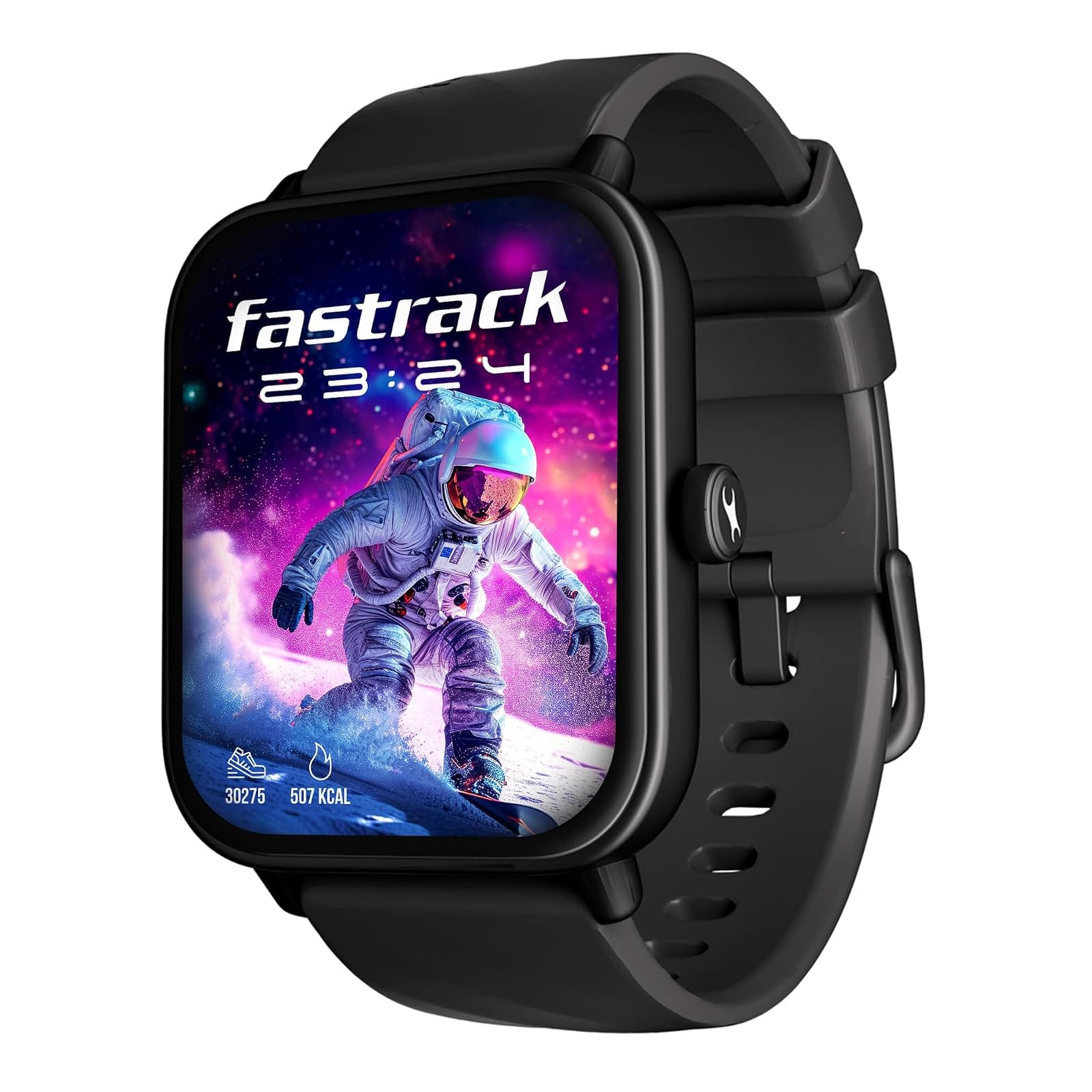
Fastrack Limitless Glide X 1.83 inch Smart Watch with Ultra UV HD Display
A 46 per cent badge off a Rs. 2,799 sticker, where this chapter's norm is 75 per cent off Rs. 12,000.
Why it earned its spot The one listing in this chapter whose stated MRP is close to plausible, and it has 4,516 ratings behind it.
Rs. 2,000 to Rs. 5,000: The Evidence Thins
Median rating count in this band falls to 737 - about a sixth of the band below. The last five-figure sample on the shelf sits at Rs. 2,999, and after it nothing above Rs. 3,999 carries more than 1,847 ratings.
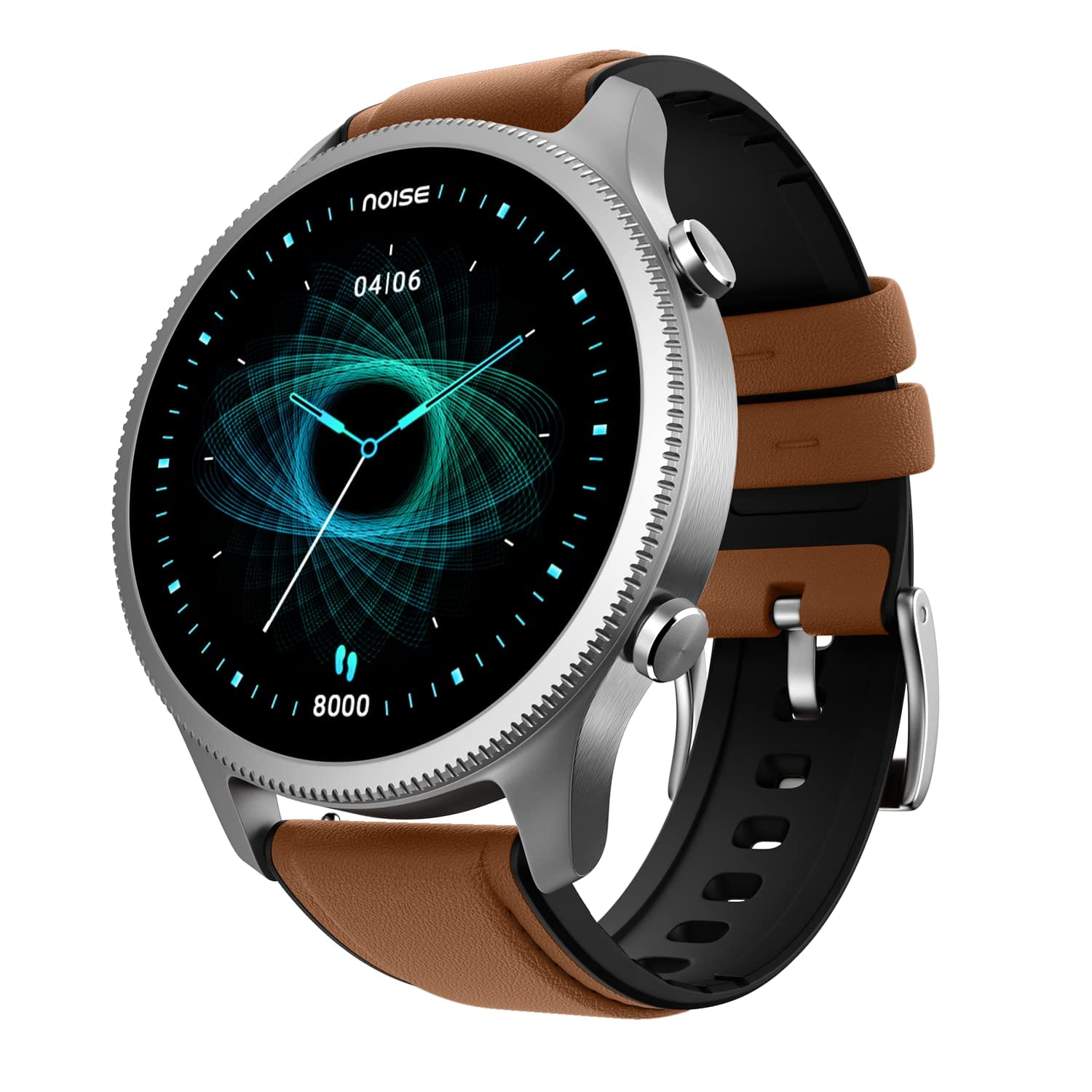
NoiseFit Halo 1.43 inch AMOLED Display, Bluetooth Calling Round Dial Smart Watch
12,398 ratings at Rs. 2,999 - and evidence falls off a cliff after this.
Why it earned its spot The last listing on the shelf with a five-figure sample, and it sits at Rs. 2,999.
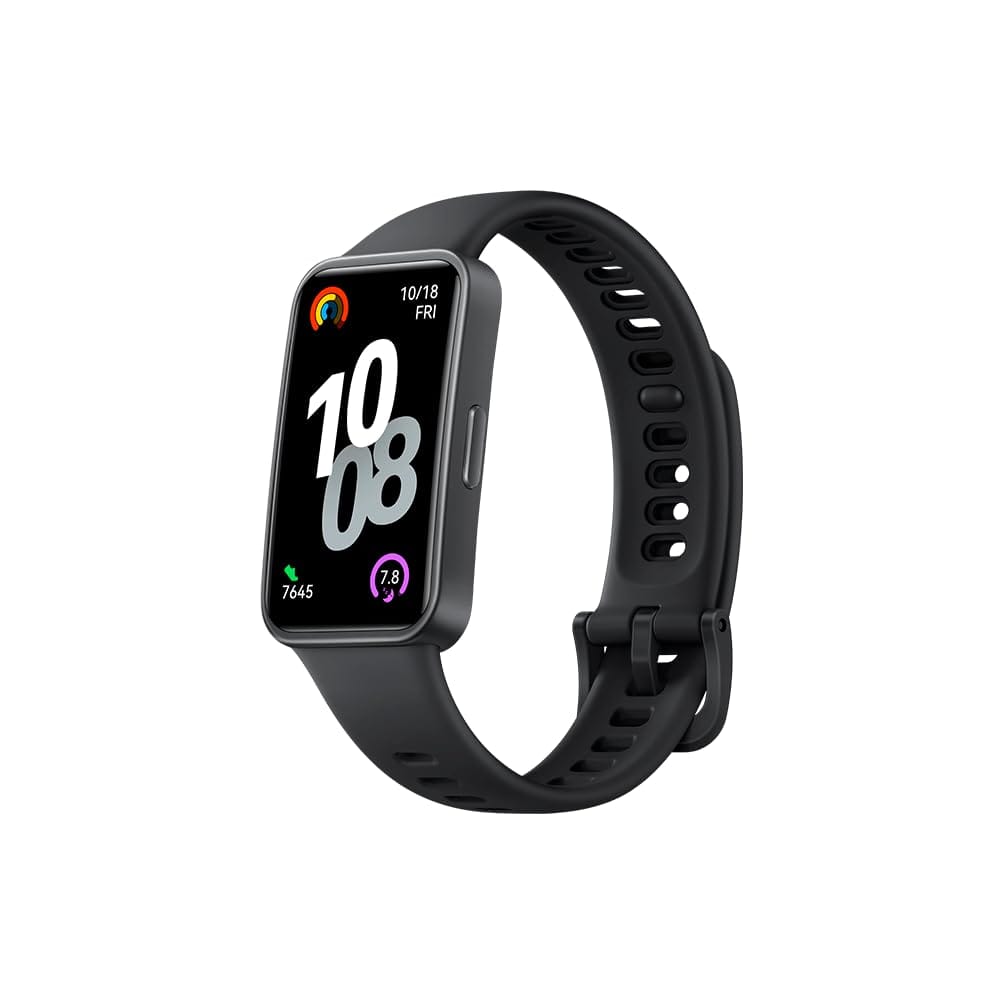
Huawei Band 10 Smartwatch with AI-Powered Fitness Monitoring
One of only two listings above Rs. 3,500 with a four-figure sample.
Why it earned its spot An unusually well-evidenced listing for its price band, from a brand with real sensor engineering behind it.
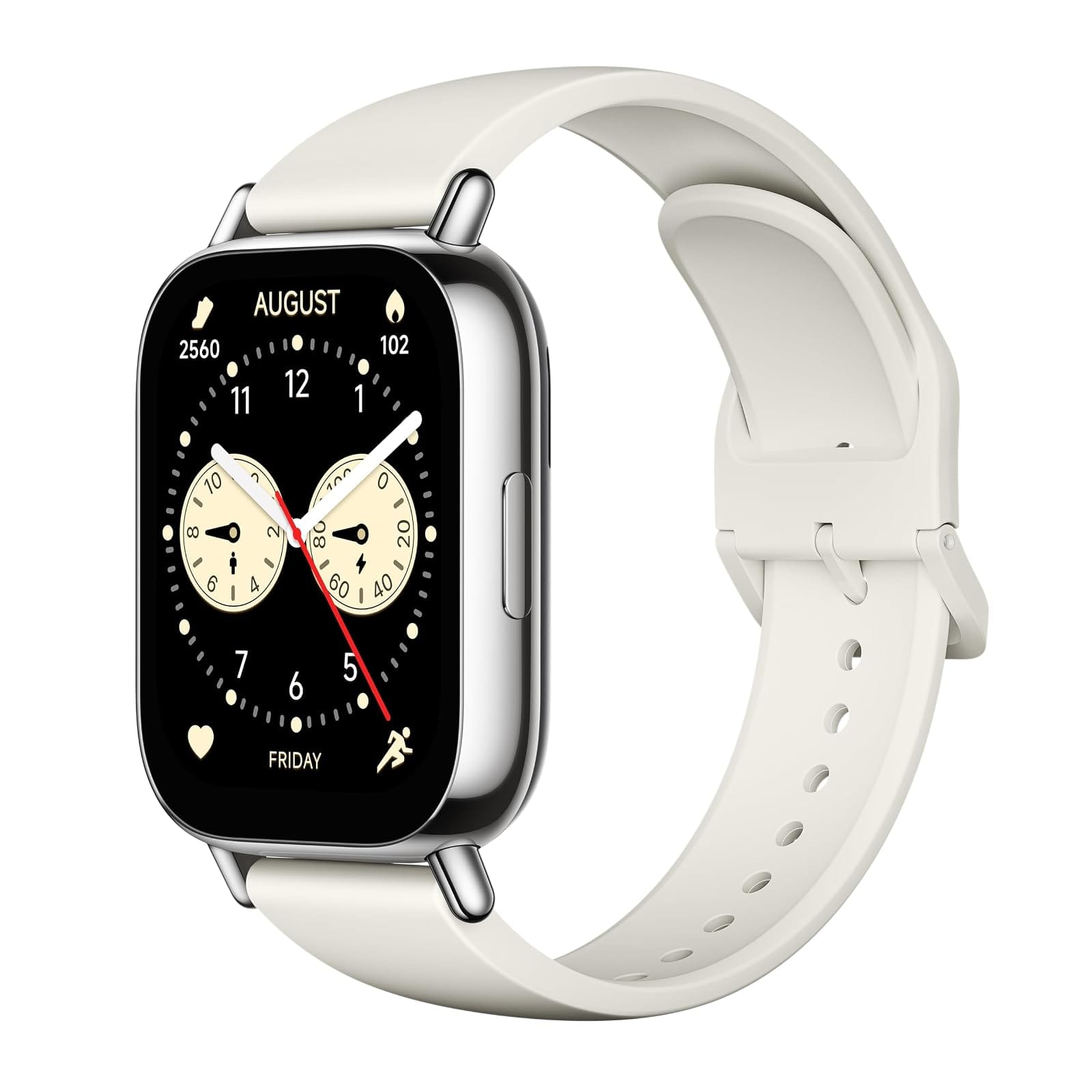
Redmi Watch 5 Lite, 1.96 inch AMOLED, Advanced in-Built GPS, 5 ATM
Built-in GPS and a 5 ATM water rating - both testable claims, on 1,847 ratings.
Why it earned its spot Onboard GPS is the specification that separates a watch from a phone accessory, and few listings here name it.
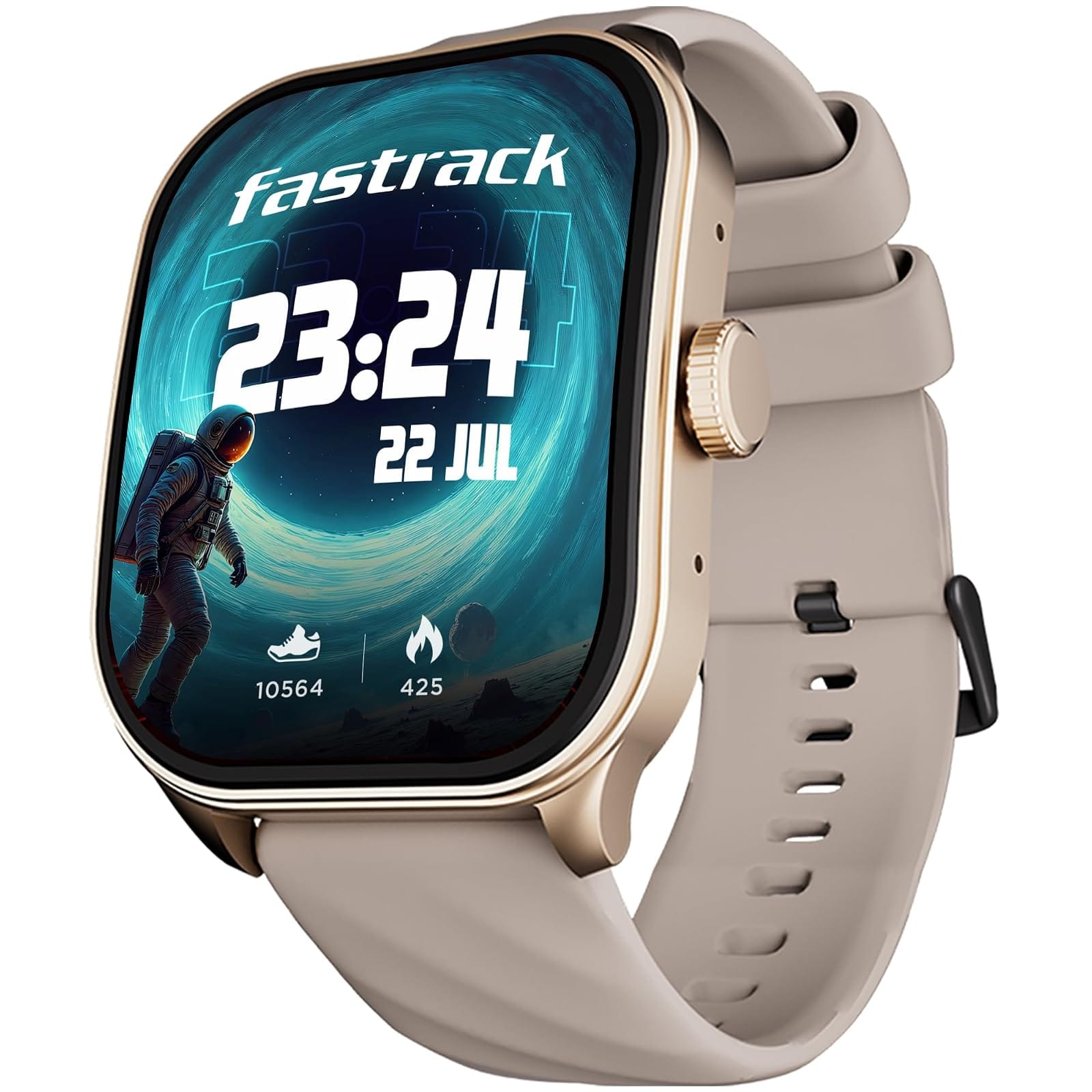
Fastrack Limitless FS2 Pro 1.96 inch AMOLED Smart Watch with BT Calling
Rs. 2,995 on 1,970 ratings - against the same brand's Rs. 1,499 watch on 4,516.
Why it earned its spot Within one brand, doubling the price halves the evidence, which is the page's finding at brand level.
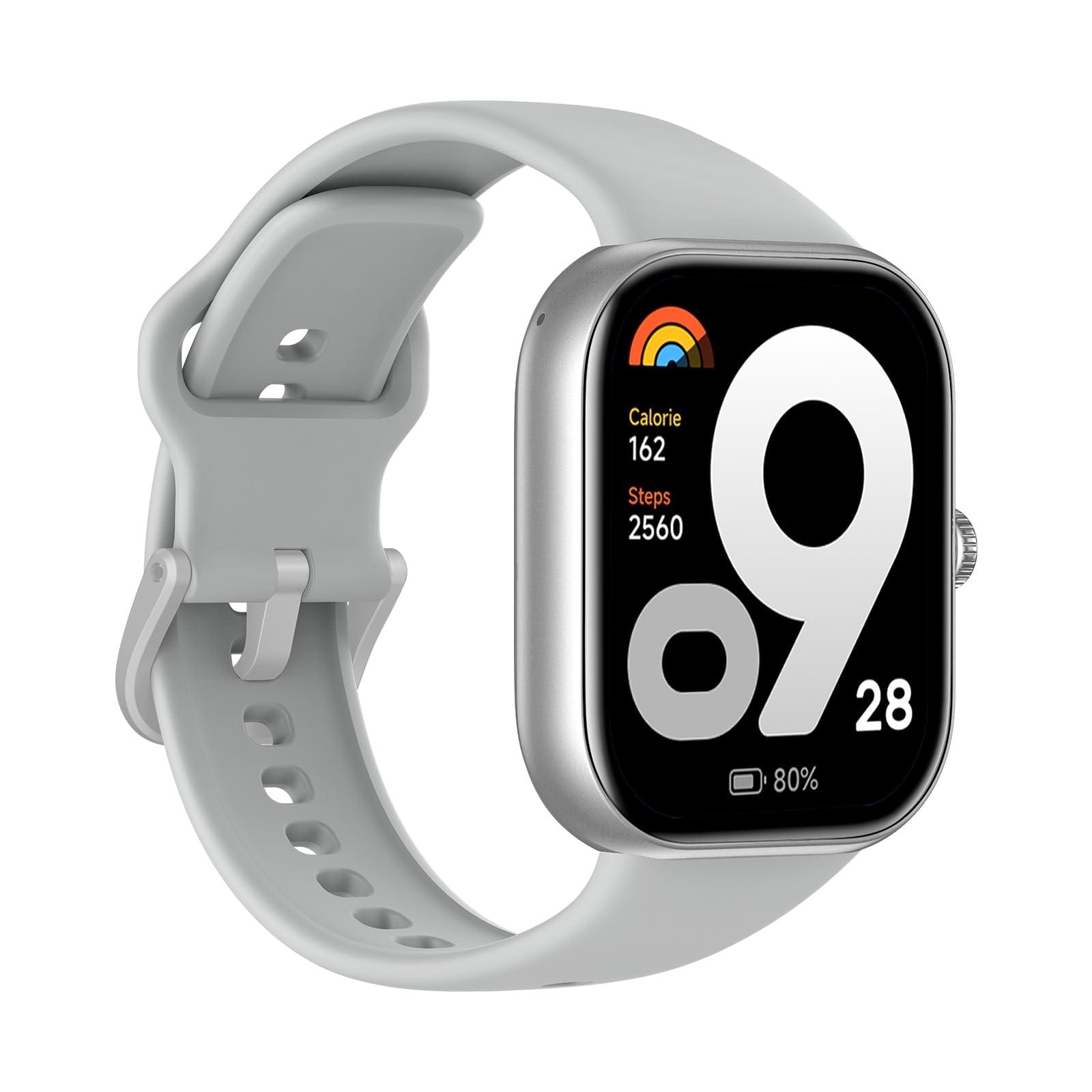
REDMI Watch Move 1.85 inch Premium AMOLED, 14 Day Battery
Rs. 2,499 against Rs. 3,999 - a 38 per cent badge, where this shelf's median is 65.
Why it earned its spot One of the few stated MRPs in the pull that reads like a price rather than a lever.
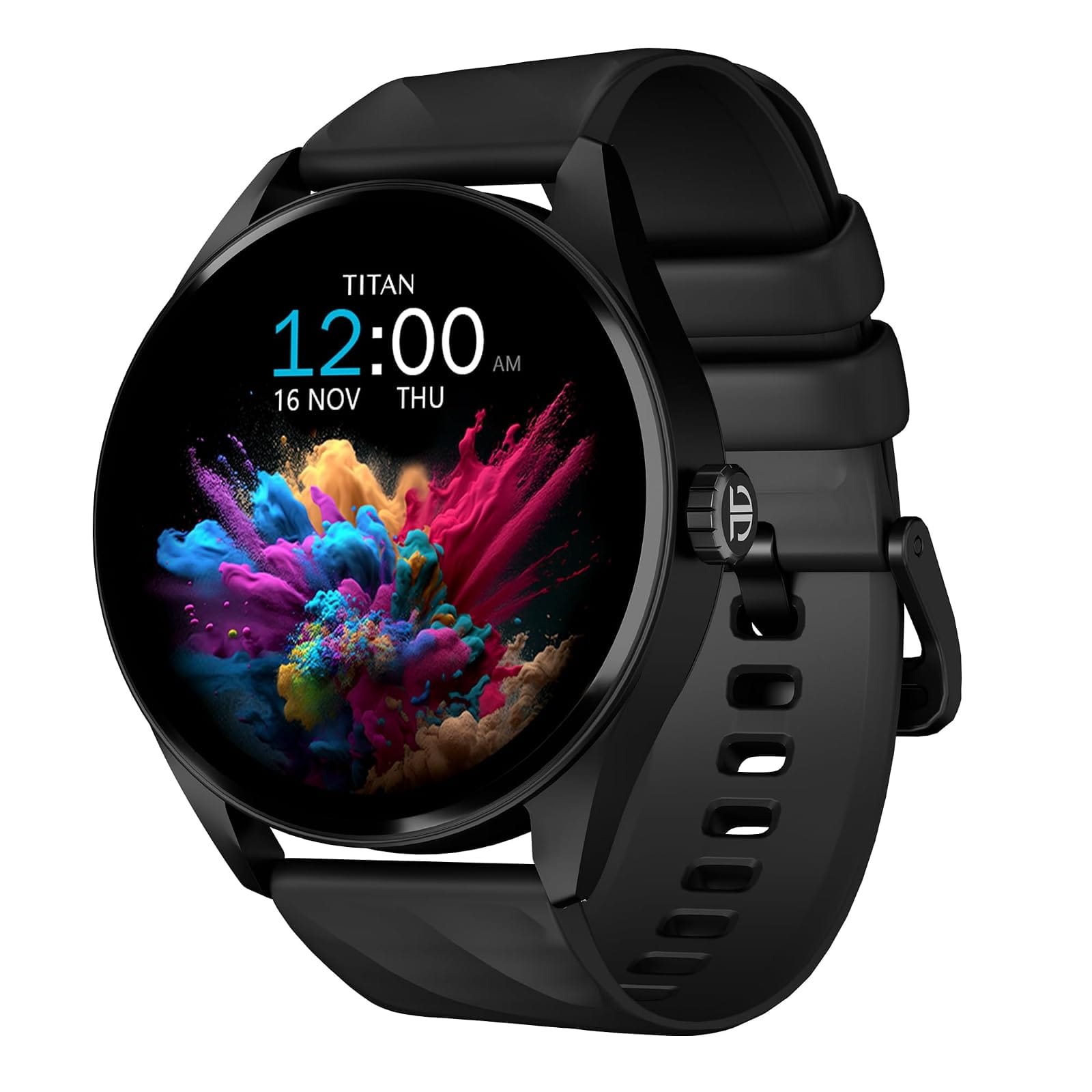
Titan Crest 1.43 inch AMOLED Smart Watch with BT Calling and AI Morning Brief
A 160th of the Fire-Boltt's sample, at four and a half times the price.
Why it earned its spot The clearest single ratio on the page between what you pay and what anyone can tell you.
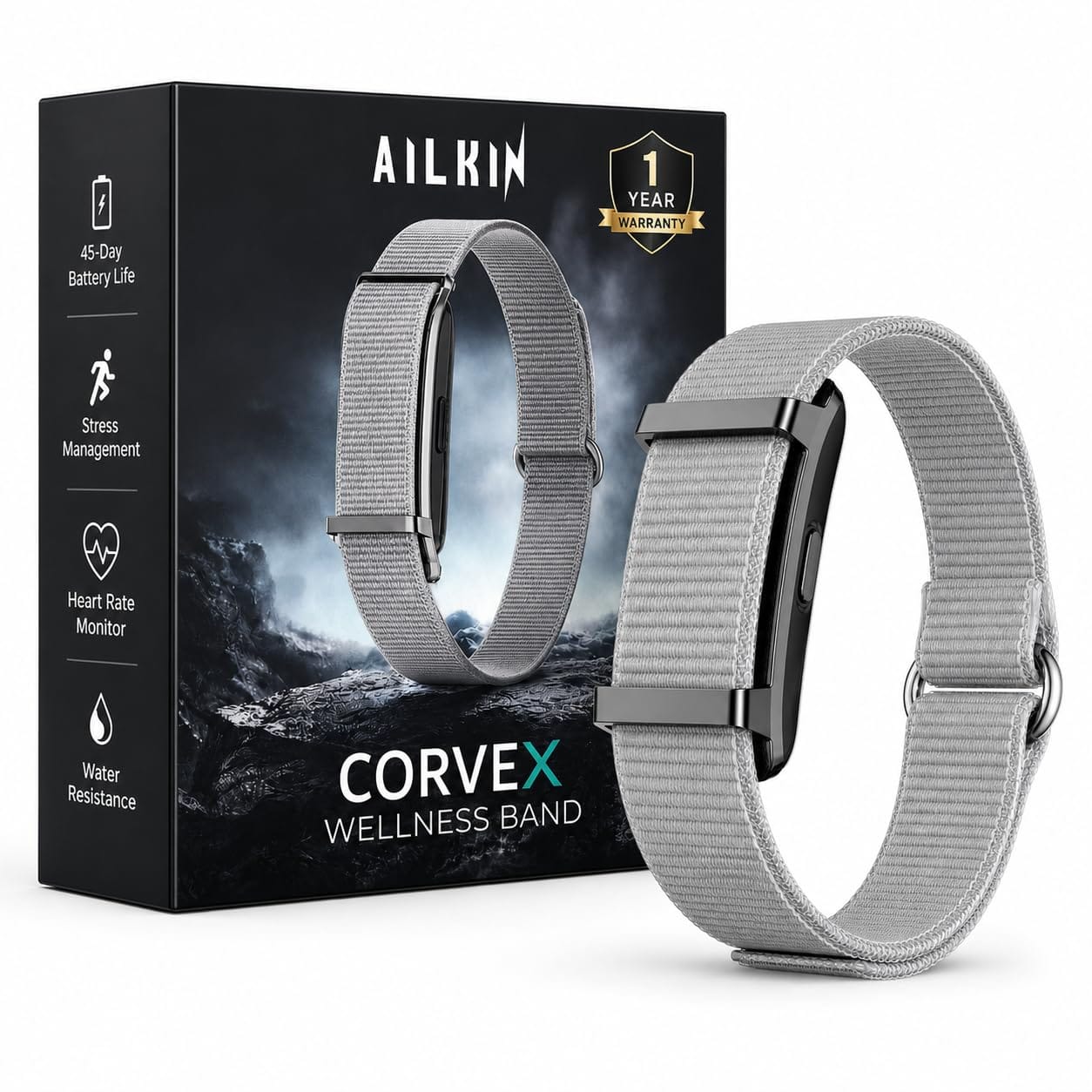
AILKIN Corvex Smart Fitness Band with 45 Days Battery Life Tracker
A Rs. 14,999 sticker on a Rs. 2,399 band, and 27 people have rated it.
Why it earned its spot The thinnest evidence in this chapter paired with one of its deepest badges - the combination to distrust most.
Above Rs. 5,000: Buying Close to Blind
Eight listings, and between them fewer ratings than one Rs. 1,399 watch carries alone. The median sample here is 214. The highest star score on the whole shelf, 4.7, is built from 154 people - and the badges collapse to 0 and 15 per cent, because these stickers are closer to real.
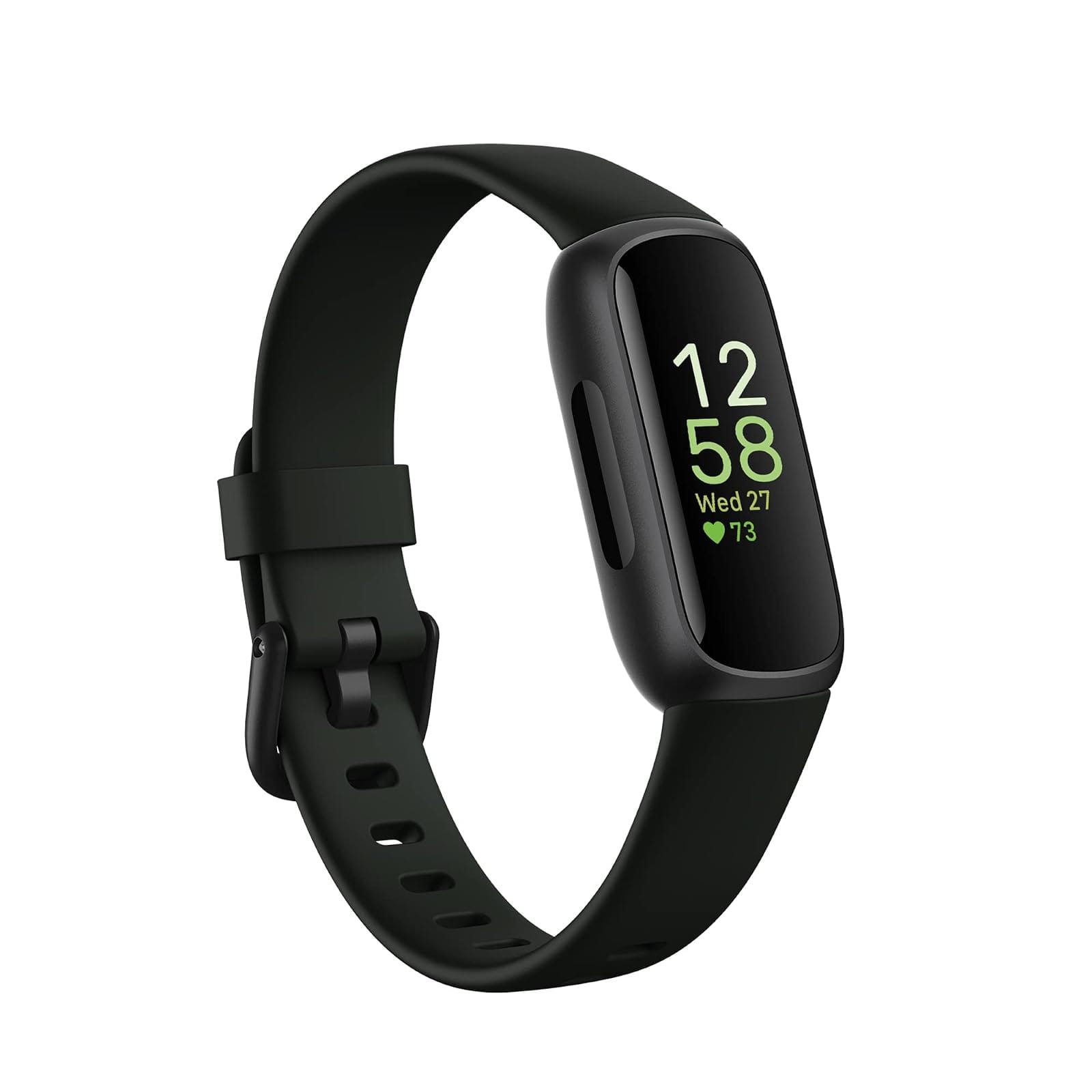
Fitbit Inspire 3 Health & Fitness Tracker (Midnight Zen/Black)
Rs. 8,998 against Rs. 8,999 - and the best evidence above Rs. 5,000 on the shelf.
Why it earned its spot The strongest combination of price honesty and sample size at the top of this shelf, by a wide margin.
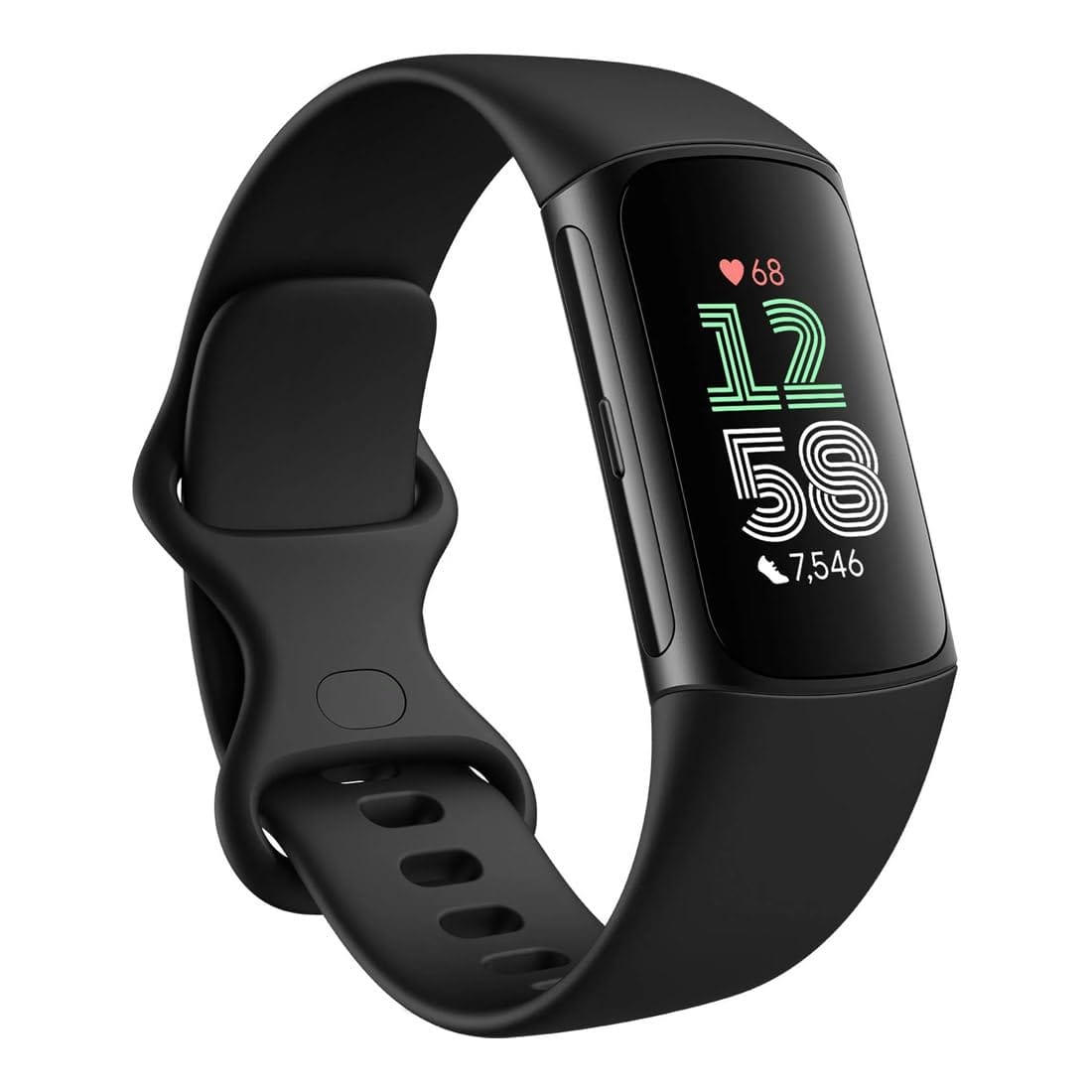
Fitbit Charge 6, Obsidian/Black Aluminum
3.4 stars from 1,256 ratings - printed because it is the largest bad score on the shelf.
Why it earned its spot A sample big enough to trust attached to a score most pages would leave out.
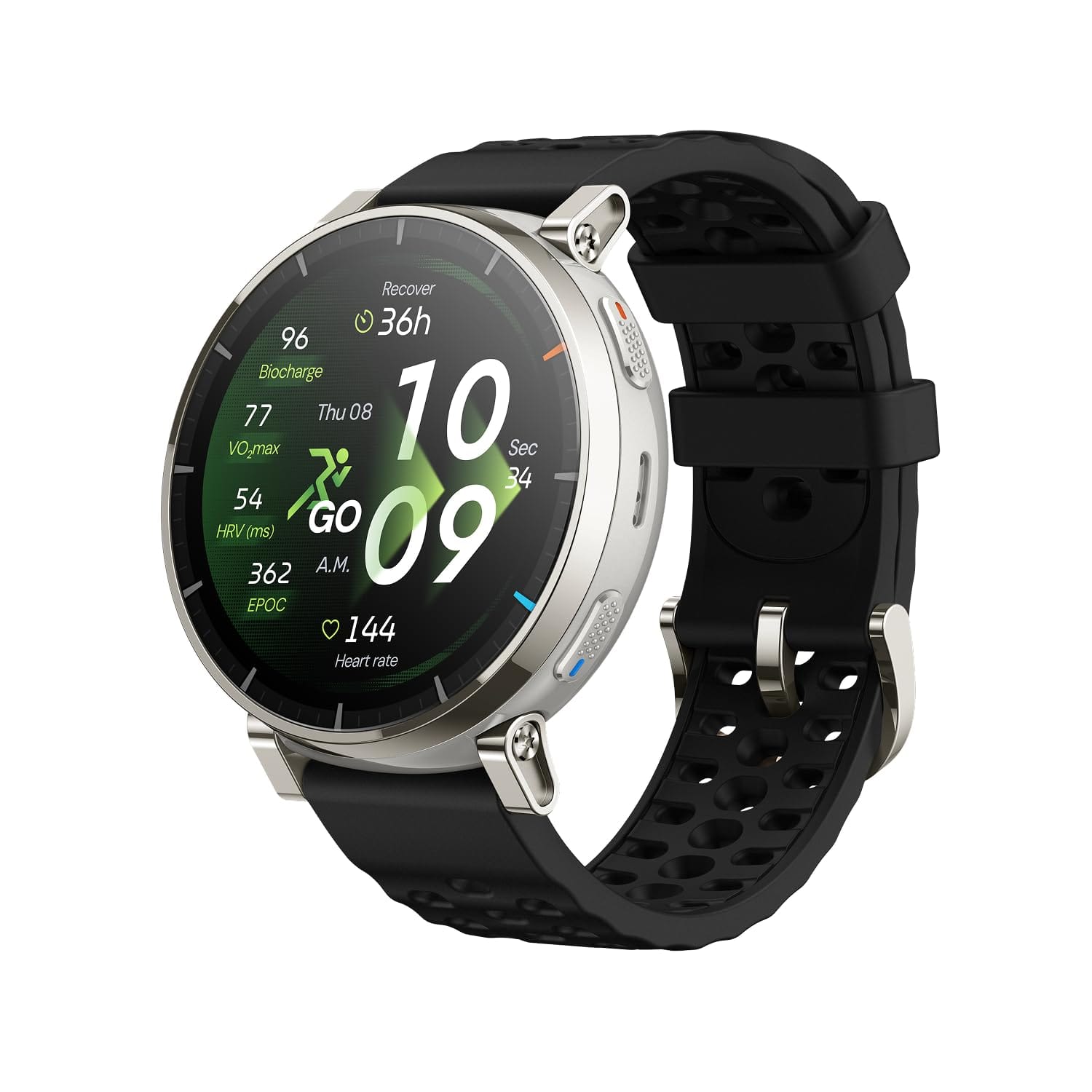
Amazfit Active 3 Premium GPS Running Smart Watch, 1.32 inch AMOLED
4.3 stars - from 281 ratings, at Rs. 15,999.
Why it earned its spot A better score than anything in chapter one, on a 478th of the evidence.
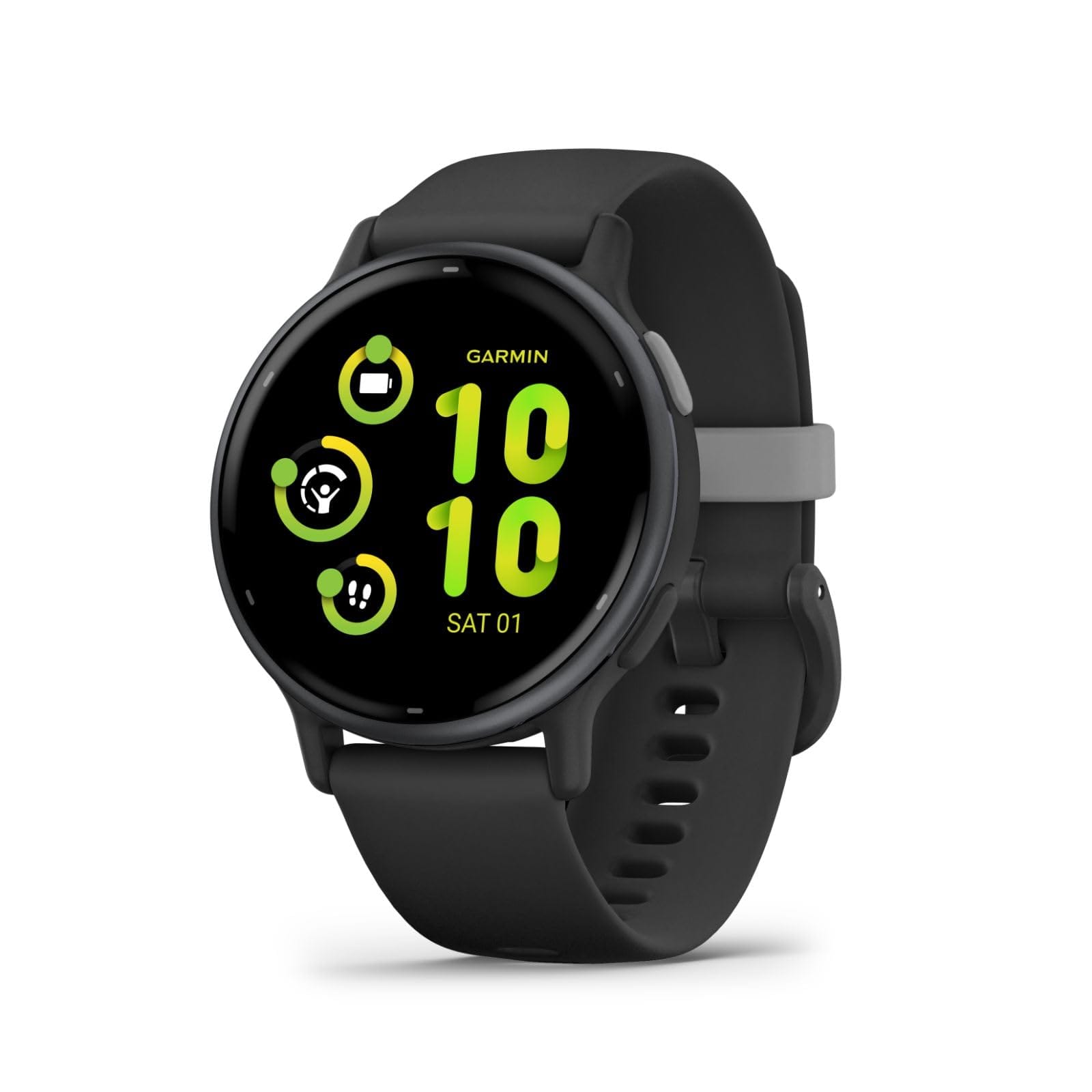
Garmin Vivoactive 5, Slate Aluminum Bezel with Black Case and Silicone Band
Rs. 19,999 - and 65 ratings, against the Rs. 1,099 Fire-Boltt's 134,559.
Why it earned its spot The two ends of the shelf, stated as one ratio: 18 times the price, 1/2000th of the evidence.
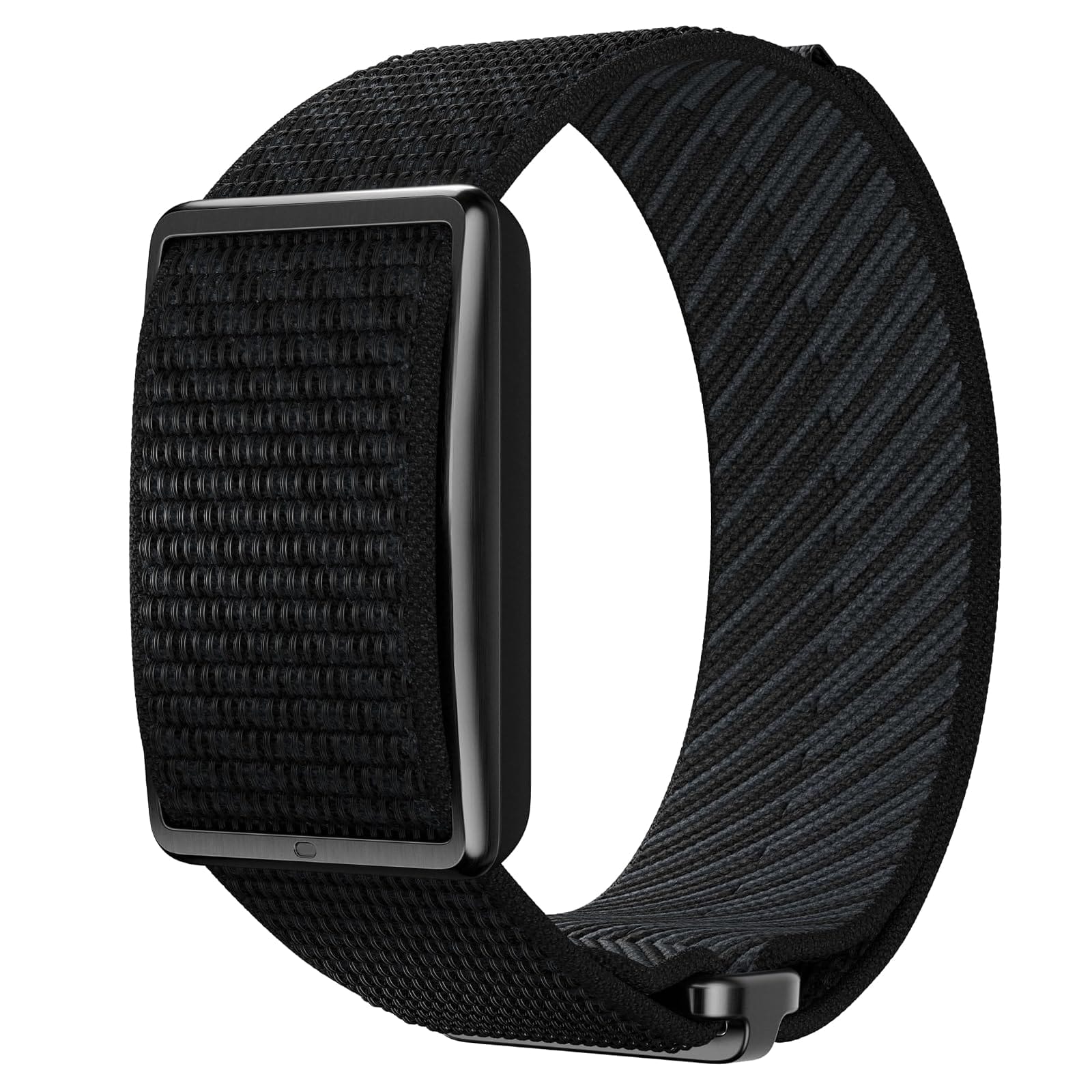
Polar Loop Gen 2 Screen-Free Wellness Tracker with 24/7 Heart Rate
A screen-free tracker at Rs. 16,999, on 148 ratings and a 3.4 score.
Why it earned its spot The most unusual product on the shelf, and one of the least evidenced - a combination worth naming.
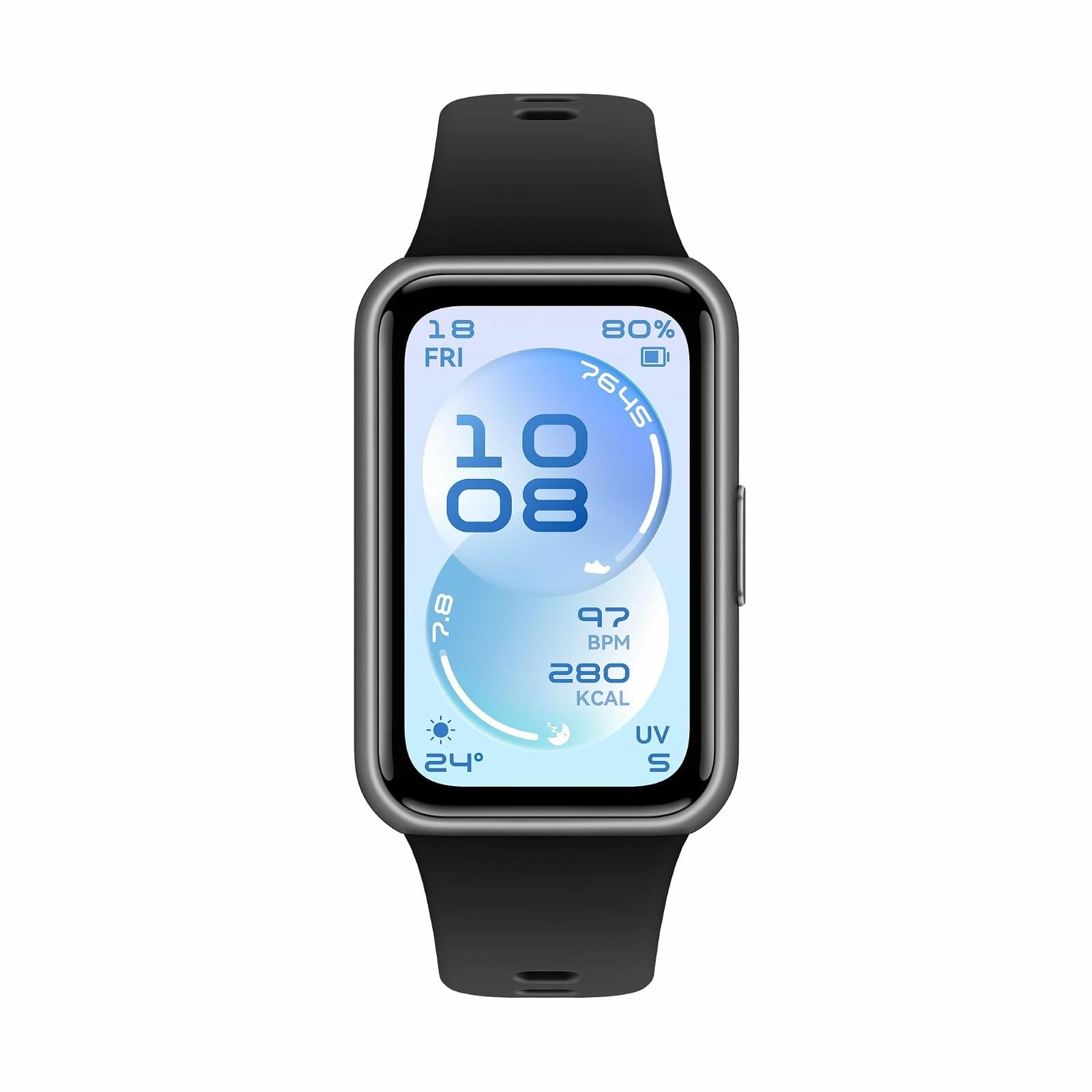
Huawei Band 11 Health & Fitness Tracker, Enhanced Sleep Tracking
4.7 stars - the best score in 64 listings, built from 154 ratings.
Why it earned its spot The page ends on the score-versus-count problem in its purest form.
Four rules for buying a wearable where the evidence is lopsided
First: decide which you are buying on before you start - crowd verdict or specification. Under Rs. 2,000 the crowd has spoken in tens of thousands of voices and the specifications are nearly identical between brands, so buy on the ratings. Above Rs. 5,000 the ratings cannot carry the weight, so buy on falsifiable specifications instead: onboard GPS rather than phone-relayed, a defined water rating like 5 ATM rather than the words water resistant, and a named battery figure you can hold the brand to. Second: read the count before the star, every time. On this shelf a 4.7 rests on 154 people and a 3.9 rests on 134,559, and only one of those is a finding. Third: check whether a big number is pooled. Two Fire-Boltt listings here show the identical 134,559, because Amazon groups product-family variants - open the reviews and read the variant labels before relying on the figure. Fourth: treat an implausible stated MRP as a reason to slow down rather than to hurry. A Rs. 14,999 sticker on a Rs. 2,399 fitness band with 27 ratings behind it is two warning signs on one tile, while a Rs. 3,999 sticker on a Rs. 2,499 Redmi is a proportionate number. Our Amazon headphone read applied the same tests in audio, and the Amazon coupons page holds the bank offers that stack on these prices.
How our picks compare
| Product | Sale price | MRP | Discount |
|---|---|---|---|
| Fire-Boltt Ninja Call Pro Bluetooth Calling Smart Watch, 1.69 inch HD Display | Rs. 1,099 | Rs. 17,999 | 94% |
| Fire-Boltt Ninja Call Pro Max Bluetooth Calling Smart Watch, 2.01 inch HD Display | Rs. 1,399 | Rs. 14,999 | 91% |
| Fire-Boltt Phoenix Ultra Smart Watch 1.39 inch HD Display, Bluetooth Calling | Rs. 1,799 | Rs. 12,499 | 86% |
| Fire-Boltt Rise Smart Watch 1.85 inch HD Display with Bluetooth Calling | Rs. 1,399 | Rs. 11,999 | 88% |
| boAt Wave Call 3 Smartwatch 1.83 inch HD Display with Animated Watch Faces | Rs. 1,399 | Rs. 6,999 | 80% |
| Noise Pulse 2 Max 1.85 inch Display, Bluetooth Calling Smart Watch | Rs. 1,499 | Rs. 5,999 | 75% |
| Noise Twist Round dial Smart Watch with Bluetooth Calling, 1.38 inch TFT | Rs. 1,599 | Rs. 4,999 | 68% |
| boAt Lunar Discovery with 1.39 inch HD Display and Turn-by-Turn Navigation | Rs. 1,599 | Rs. 8,499 | 81% |
| Fastrack Limitless Glide X 1.83 inch Smart Watch with Ultra UV HD Display | Rs. 1,499 | Rs. 2,799 | 46% |
| NoiseFit Halo 1.43 inch AMOLED Display, Bluetooth Calling Round Dial Smart Watch | Rs. 2,999 | Rs. 7,999 | 63% |
| Huawei Band 10 Smartwatch with AI-Powered Fitness Monitoring | Rs. 3,999 | Rs. 6,499 | 38% |
| Redmi Watch 5 Lite, 1.96 inch AMOLED, Advanced in-Built GPS, 5 ATM | Rs. 3,999 | Rs. 6,999 | 43% |
| Fastrack Limitless FS2 Pro 1.96 inch AMOLED Smart Watch with BT Calling | Rs. 2,995 | Rs. 7,995 | 63% |
| REDMI Watch Move 1.85 inch Premium AMOLED, 14 Day Battery | Rs. 2,499 | Rs. 3,999 | 38% |
| Titan Crest 1.43 inch AMOLED Smart Watch with BT Calling and AI Morning Brief | Rs. 4,999 | Rs. 11,995 | 58% |
| AILKIN Corvex Smart Fitness Band with 45 Days Battery Life Tracker | Rs. 2,399 | Rs. 14,999 | 84% |
| Fitbit Inspire 3 Health & Fitness Tracker (Midnight Zen/Black) | Rs. 8,998 | Rs. 8,999 | 0% |
| Fitbit Charge 6, Obsidian/Black Aluminum | Rs. 14,998 | Rs. 14,999 | 0% |
| Amazfit Active 3 Premium GPS Running Smart Watch, 1.32 inch AMOLED | Rs. 15,999 | Rs. 19,999 | 20% |
| Garmin Vivoactive 5, Slate Aluminum Bezel with Black Case and Silicone Band | Rs. 19,999 | Rs. 33,490 | 40% |
| Polar Loop Gen 2 Screen-Free Wellness Tracker with 24/7 Heart Rate | Rs. 16,999 | Rs. 19,999 | 15% |
| Huawei Band 11 Health & Fitness Tracker, Enhanced Sleep Tracking | Rs. 5,299 | Rs. 7,999 | 34% |
What we skipped — and why
What we look for
We counted the ratings by price band before comparing any product
On August 5, 2026 we ran three queries against amazon.in search - smartwatch, fitness band and smart watch under 5000 - keeping every listing that returned a price, a stated MRP above it, a rating and an image, which gave 69 deduplicated rows. Five of those were resistance bands rather than wearables, returned by the fitness-band query, and we removed them before any analysis, leaving 64. Then we grouped by price. Listings under Rs. 2,000 number 29 and carry a median 4,165 ratings each. Between Rs. 2,000 and Rs. 5,000, 27 listings carry a median 737. Between Rs. 5,000 and Rs. 10,000, four carry a median 418. Above Rs. 10,000, four carry a median 214. In total the shelf holds 755,610 ratings and 709,314 of them - 93 per cent - sit on listings priced under Rs. 2,000. The consequence is uncomfortable and worth stating plainly: on this shelf you can buy with good evidence or you can buy an expensive watch, and you largely cannot do both.
Every score is printed with its count, and the bad ones are seated deliberately
A star score without its sample size ranks the wrong things, and this shelf demonstrates it at both ends. The highest score in our pull is a Huawei Band 11 at 4.7 - from 154 ratings. The most heavily rated listing is a Fire-Boltt at 3.9 - from 134,559. Sorted by score the Huawei wins; sorted by how much anyone knows, it is not close. We have therefore seated the unflattering large samples as well as the flattering ones: a Fitbit Charge 6 at 3.4 stars from 1,256 people, which is the lowest score attached to a four-figure sample anywhere in the pull and is worth taking seriously at Rs. 14,998; a boAt Lunar Discovery at 3.8; and an AILKIN band whose 4.0 rests on 27 ratings beside an 84 per cent badge off a Rs. 14,999 sticker. A page that quotes only the good numbers with big samples is selecting rather than reporting.
Where a rating is pooled across a product family, we say so
Two of the listings in this pull - the Fire-Boltt Ninja Call Pro at Rs. 1,099 and the Ninja Call Pro Max at Rs. 1,399 - display 3.9 stars from exactly 134,559 ratings each. That is one pool shown twice. Amazon commonly groups variants of a product family so reviews carry across them, which is ordinary platform behaviour rather than anything improper, and we found the same pattern more extensively on the retailer's television shelf, where 26 of 44 listings shared a rating pool. The practical effect for a buyer is that the count describes a family and the cheapest member usually supplies most of it, so a two-minute check of the variant labels Amazon prints on individual reviews is worth doing before relying on a large number. We have seated both Fire-Boltt listings together specifically so the shared figure is visible on the page rather than described in a footnote.
Badges are read against the stated MRP, and the roundest claims are questioned
The median badge in the under-Rs. 2,000 band is 75 per cent, and it falls to 58, 16 and 18 per cent as the price rises - which is the opposite of what a discount-hunting shopper expects and follows directly from how the stickers are set. Fire-Boltt states MRPs of Rs. 17,999, Rs. 14,999, Rs. 12,499 and Rs. 11,999 for watches selling between Rs. 1,099 and Rs. 1,799; an AILKIN fitness band states Rs. 14,999 while selling at Rs. 2,399. At the other end, both Fitbit listings carry a stated MRP exactly one rupee above their selling price, which is a sticker that is simply the price. So every pick below prints its stated MRP beside its selling price rather than a percentage alone, and nothing on this page is ranked by badge. We are describing how one shelf presented itself on one morning and are not alleging misconduct by any brand or by Amazon.
FAQs
Why do cheap smartwatches have so many more reviews than expensive ones?
We can report the gap precisely and only speculate about the cause, so we will do the first and flag the second. Across the 64 Amazon wearables we read on August 5, 2026, the shelf held 755,610 ratings and 709,314 of them - 93 per cent - sat on the 29 listings priced under Rs. 2,000. The median sample fell from 4,165 ratings in that band to 737 between Rs. 2,000 and Rs. 5,000, to 418 between Rs. 5,000 and Rs. 10,000, and to 214 above Rs. 10,000. The most likely explanation is simply volume: budget smartwatches sell in vastly larger numbers in India than Rs. 16,000 trackers do, and more buyers means more reviewers. Some listings have also been on sale far longer than others, and Amazon pools reviews across product-family variants, which concentrates counts further. What matters for a shopper is the consequence rather than the cause: above Rs. 5,000 on this shelf there is not enough crowd data to lean on, so the decision has to rest on specification and brand reputation instead.
What is the best smartwatch under Rs. 2,000 on Amazon?
On the combination of price and the strength of the evidence behind it, the boAt Wave Call 3 at Rs. 1,399 has the best case in our pull: 4.1 stars from 26,421 ratings, which is the highest score in the sub-Rs. 2,000 band attached to a sample large enough to be reliable. The Noise Pulse 2 Max at Rs. 1,499 is close behind at 4.0 from 26,168. If sample size alone is what you weight, the Fire-Boltt Phoenix Ultra at Rs. 1,799 carries 109,639 ratings at 3.9 on its own unshared pool, and the Fire-Boltt Ninja Call Pro at Rs. 1,099 carries 134,559 - though that count is shared with the Ninja Call Pro Max, so check the variant labels on the reviews. The honest framing for all of them: three brands, tens of thousands of ratings each, scores clustered between 3.9 and 4.1. That is a verdict of competent rather than good, and at these prices a watch is a one-to-two-year device where the strap usually fails first.
Is a Garmin or Fitbit worth it when a Rs. 1,399 watch scores the same?
It depends entirely on whether you need what they do, because the star scores genuinely cannot help you decide. A Garmin Vivoactive 5 at Rs. 19,999 scored 4.2 from 65 ratings in our read; a Fire-Boltt at Rs. 1,099 scored 3.9 from 134,559. Comparing those two numbers is not a meaningful exercise. What separates the devices is specification: multi-band onboard GPS that positions without a phone, training-load and recovery analysis, battery measured in weeks under real use, and sensor accuracy backed by years of independent testing elsewhere. A budget watch relays your phone's GPS, estimates rather than measures several of its health figures, and is designed to last a couple of years. If you train seriously, those differences are the entire point and worth the money. If you want notifications, steps and a screen on your wrist, the Rs. 1,399 watch does that and 26,000 people have said so. Note also that the best-evidenced expensive listing here is the Fitbit Inspire 3 at Rs. 8,998 with 5,864 ratings.
Why are some smartwatch discounts 90 per cent on Amazon?
Because the percentage is calculated from a stated MRP the seller chooses, and at the bottom of this shelf those stickers are set very high. Fire-Boltt states MRPs of Rs. 17,999, Rs. 14,999, Rs. 12,499 and Rs. 11,999 across listings selling between Rs. 1,099 and Rs. 1,799, producing badges of 94, 91, 88 and 86 per cent. An AILKIN fitness band states Rs. 14,999 while selling at Rs. 2,399, an 84 per cent badge on 27 ratings. The median badge in the under-Rs. 2,000 band is 75 per cent. At the top of the shelf the pattern inverts entirely: both Fitbit listings are discounted by exactly one rupee, stating Rs. 8,999 and Rs. 14,999 against selling prices of Rs. 8,998 and Rs. 14,998, and the Polar carries 15 per cent. A one-rupee gap means the sticker is the price, which is the most trustworthy kind of number on the page. Read the left-hand figure, compare it against other watches of similar specification, and treat the percentage as decoration.
How many reviews does a rating need before it means something?
There is no single threshold, but this shelf illustrates the practical bands well. Below about a hundred ratings a score is close to noise: the AILKIN band's 4.0 rests on 27 people, and four unhappy buyers would drop it below 3.5. Between a hundred and a thousand you can detect an obvious problem but not a pattern that emerges after a year of ownership, which is exactly when a Rs. 16,000 device needs to still be working - the Garmin's 65, the Polar's 148, the Huawei Band 11's 154 and the Amazfit's 281 all sit here. Above a thousand a score becomes genuinely informative, which is why the Fitbit Charge 6's 3.4 from 1,256 is worth taking seriously despite being unflattering. Above ten thousand it is close to settled, and the tens of thousands behind the Fire-Boltt, boAt and Noise listings in chapter one are as reliable as consumer-review data gets. The single most useful habit is simply to read the count first, then the star.
More Amazon coverage on Zoutons

Trending
 Flipkart Big Billion Days 2026 Dates: Announced Oct 9, Plus Access Oct 8
  Myntra Sale Calendar 2026: Big Fashion Festival & Winter EORS Dates
  Nykaa Sale Calendar 2026: Diwali Dhamaka & Pink Friday Dates, Next Sale
  Amazon Upcoming Sale Calendar 2026: Next Sale Dates India, GIF & More
  Ajio Upcoming Sale Calendar 2026: All Stars Sale & Festive Dates
  Udemy Upcoming Sale 2026: Next Sale Dates, Black Friday & Coupons
 More From Amazon





 Booking com
  Hostinger
  Dell
Dell  Udemy
Udemy  Agoda
Agoda  Nykaa
Nykaa  Myntra
  Ajio
Ajio