Amazon Green Tea Price October 2026: Rs. 2 to Rs. 19.63 a Tea Bag
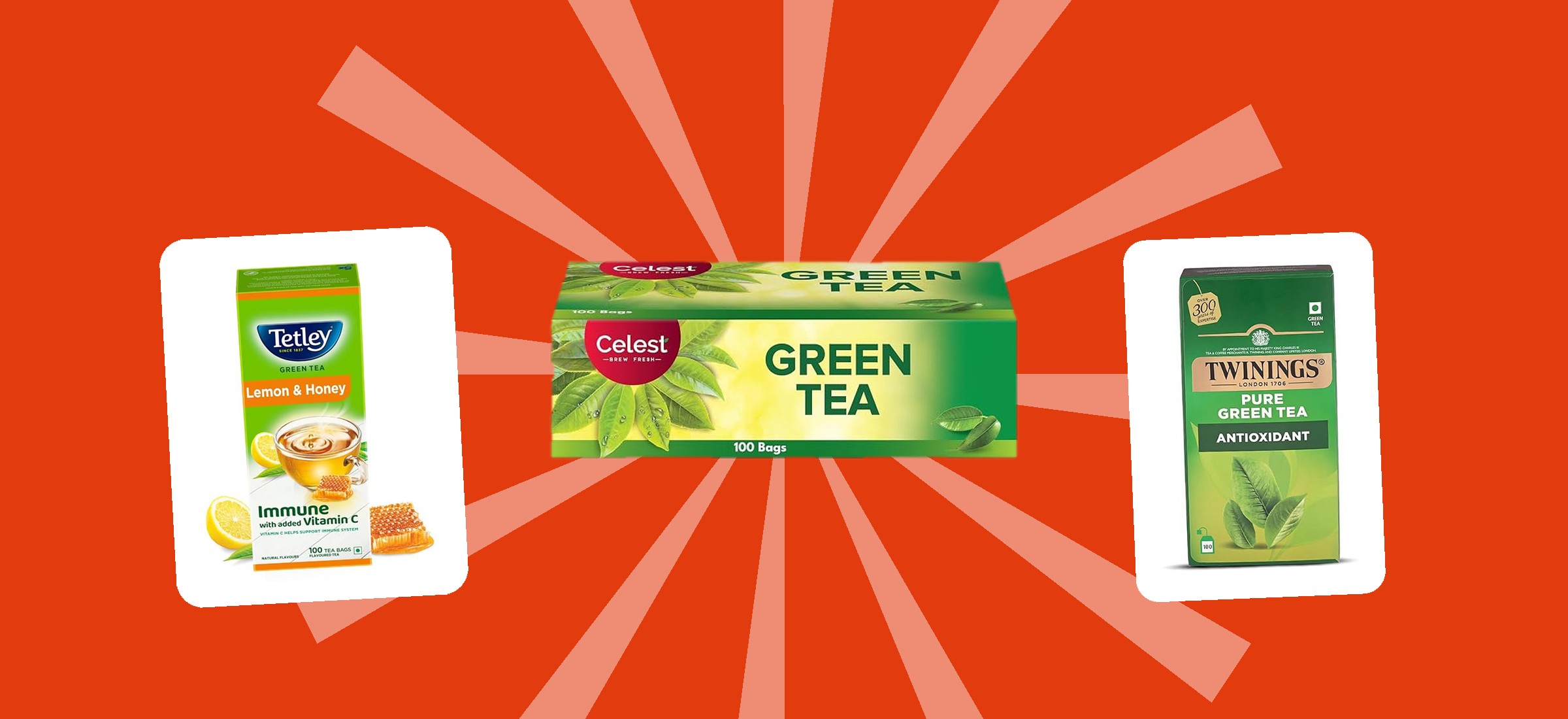
Seventy-four green tea listings read on 4 October. Divide each by the bag count it prints and the shelf runs from two rupees a cup to nearly twenty.
Green tea is one of the few grocery shelves where every box tells you how to compare it: the bag count is printed in the title. Divide the 74 listings Amazon returned on 4 October by the counts they state and the shelf runs from Rs. 2.00 a bag to Rs. 19.63 - 9.8 times - while the Rs. 1,049 box with the highest sticker price turns out to be only the fourth dearest cup on it. Three brands sell the same tea in both a 25-bag and a 100-bag box, and all three charge more per bag for the small one. A fourth does the exact opposite.
Every price below was pulled from Amazon India on October 4, 2026 and checked against the MRP on the listing. Stack them with the live codes on our Amazon India coupons page, which the deals desk re-verifies daily.
Jump to a pick
- Rs. 2.00 a bag — the cheapest cup on the shelf — Rs. 2.00 a bag
- Rs. 2.50 a bag — same brand, a flavour up — Rs. 2.50 a bag
- Rs. 2.58 a bag — and the tile rates it at Rs. 5 — Rs. 2.58, two boxes
- Rs. 2.75 a bag — honey and lemon under three rupees — Rs. 2.75 a bag
- Rs. 3.00 a bag — unflavoured, from the same seller — Rs. 3.00 a bag
- Rs. 4.04 a bag — the house label, and 9,557 ratings — Rs. 4.04, house label
- Rs. 4.87 a bag — and Rs. 6.08 for the same tea in a small box — Rs. 4.87, 100 bags
- Rs. 5.02 a bag — the tile says Rs. 358 — Rs. 5.02, 100 bags
- Rs. 5.12 a bag — and the same tea costs more per bag in its twin-pack — Rs. 5.12, the Rs. 128 listing
- Rs. 5.60 a bag — the biggest rating pool in the read — Rs. 5.60, 100 bags
- Rs. 6.08 a bag — 25% more for the small box — Rs. 6.08, same tea at 25
- Rs. 6.16 a bag — the narrowest size gap in the read — Rs. 6.16, same tea at 25
- Rs. 6.56 a bag — and the Rs. 504 beside it is not an MRP — Rs. 6.56, a false MRP
- Rs. 6.80 a bag — the flavour premium inside one brand — Rs. 6.80 a bag
- Rs. 7.00 a bag — the second false MRP on this shelf — Rs. 7.00, same again
- Rs. 8.31 a bag — spiced kahwa, 36 bags — Rs. 8.31, kahwa
- Rs. 8.48 a bag — 13,188 ratings on a 25-bag box — Rs. 8.48 a bag
- Rs. 8.98 a bag — the 50-bag middle size — Rs. 8.98, 50 bags
- Rs. 9.17 a bag — 57,699 ratings, the largest pool on the shelf — Rs. 9.17, 57,699 ratings
- Rs. 9.74 a bag — a 50-bag box with 206 ratings — Rs. 9.74 a bag
- Rs. 10.49 a bag — the only four-figure box in the read — Rs. 10.49, 100 bags
- Rs. 13.84 a bag — 32% more for the same tea in a quarter box — Rs. 13.84, same at 25
- Rs. 8.60 a bag — the one brand here where the bigger pack costs more — Rs. 8.60, the twin-pack
- Rs. 19.63 a bag — the dearest cup on the shelf, and unrated — Rs. 19.63, dearest bag
24 Boxes, Rs. 2.00 to Rs. 19.63 a Tea Bag
Under Rs. 3 A Bag — Where The Arithmetic Is Plainest
Five 100-bag boxes between Rs. 200 and Rs. 300, the cheapest cup on the shelf at exactly two rupees, and the multipack whose printed unit rate is computed off one of its two boxes.
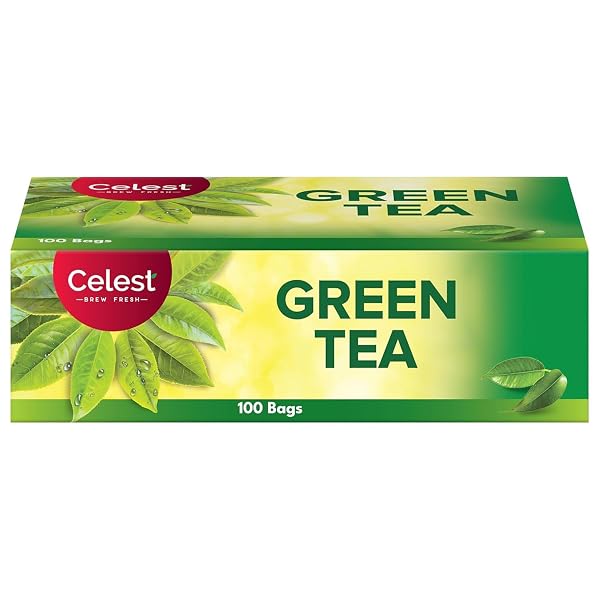
Celest Green Tea 100 Bags | Green Tea For Weight Loss Green
A 100-bag box at Rs. 200, which divides to exactly two rupees.
Why it earned its spot The lowest per-bag figure in the read, and the arithmetic is as plain as it gets.
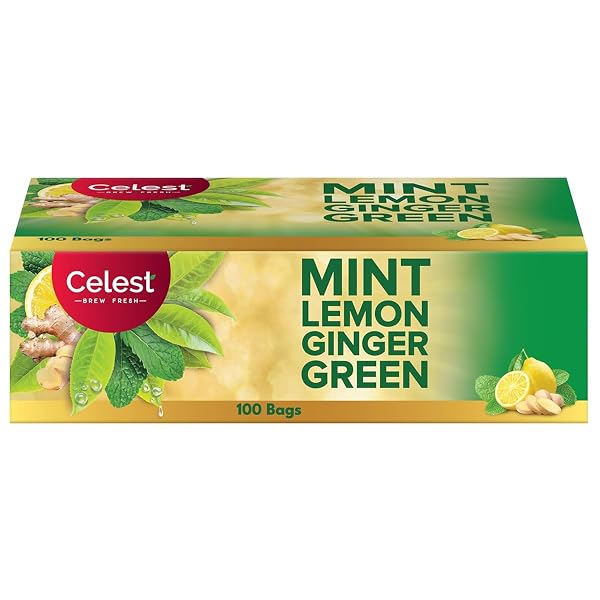
Celest Green Tea - Ginger, Mint & Lemon - 100 Bags | Green Tea Bags 100 Pcs Green
Ginger, mint and lemon, 100 bags at Rs. 250.
Why it earned its spot Fifty paise a bag more than the plain box from the same label.
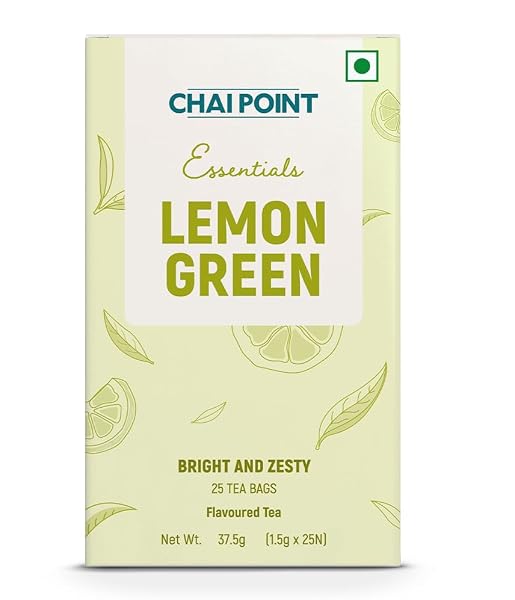
Chai Point Lemon Green Tea – 50 Bags (Pack of 2) | Refreshing | Natural Lemon Flavored Gre
Two 50-bag boxes sold as one listing, Rs. 258 the pair.
Why it earned its spot A clean example of a multipack whose printed unit rate is computed off one box.
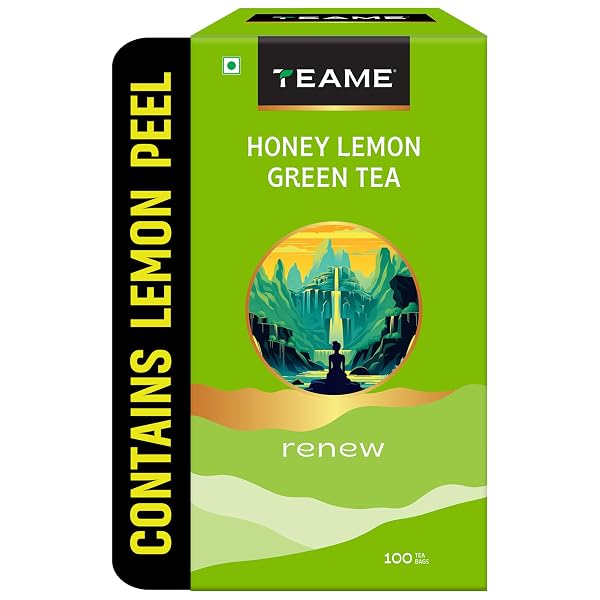
TE-A-ME Honey Lemon - Green Tea Bags 100 pcs | Green Tea - Lemon and Honey Green
A 100-bag box at Rs. 275.
Why it earned its spot The cheapest honey-lemon bag in the read, by a wide margin.
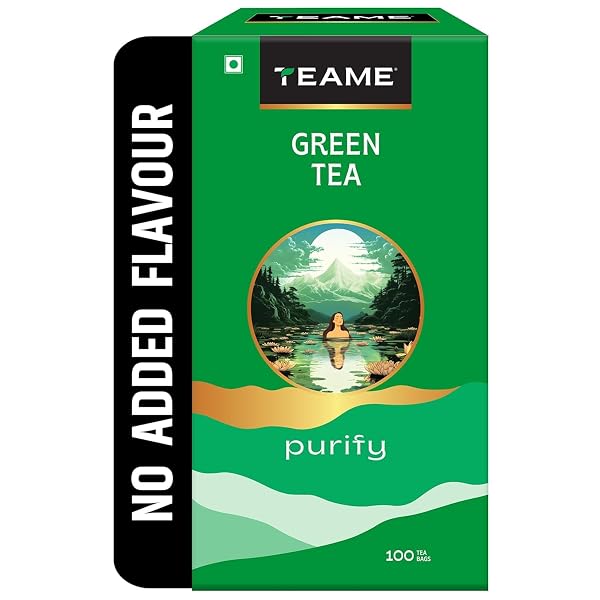
TE-A-ME Green Tea 100 Bags | Green Tea 100 Bags Env | No Added Flavour Green
A 100-bag box with no added flavour at Rs. 300.
Why it earned its spot The unflavoured box costs more per bag than the flavoured one beside it.
Rs. 4 To Rs. 6 — The Big Brands, And One Box Sold Twice
The 100-bag boxes most people recognise, the largest rating pools in the read, and the Rs. 128 tulsi box whose own 50-bag twin-pack, further down this page, costs more per bag than it does.
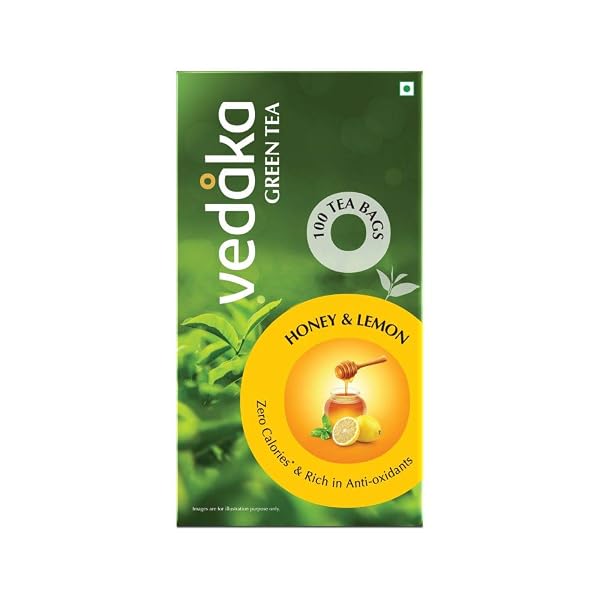
Amazon Brand - Vedaka Green Tea Honey & Lemon Flavor | 100 Bags | 150 g | Zero Calories |
Amazon's own grocery label, 100 bags, 150 g, at Rs. 404.
Why it earned its spot The cheapest listing in the read that also carries a five-figure rating pool.
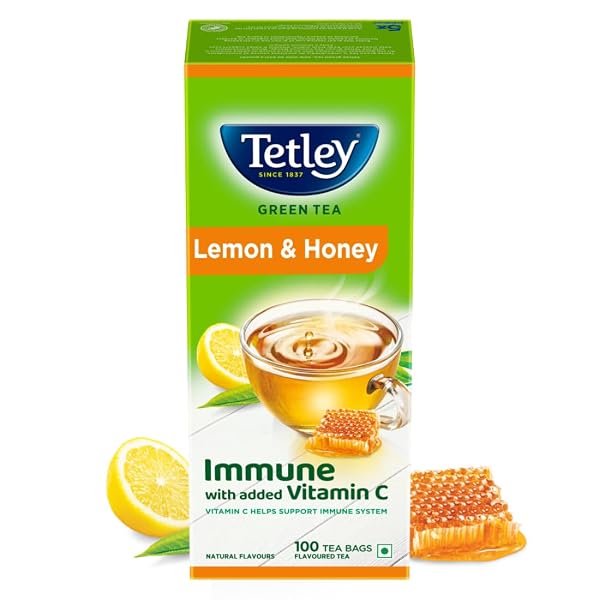
Tetley Green Tea, Lemon and Honey, 100 Tea Bags Green
Tetley lemon and honey, 100 bags at Rs. 487.
Why it earned its spot Half of the cleanest pack-size pair on the shelf.
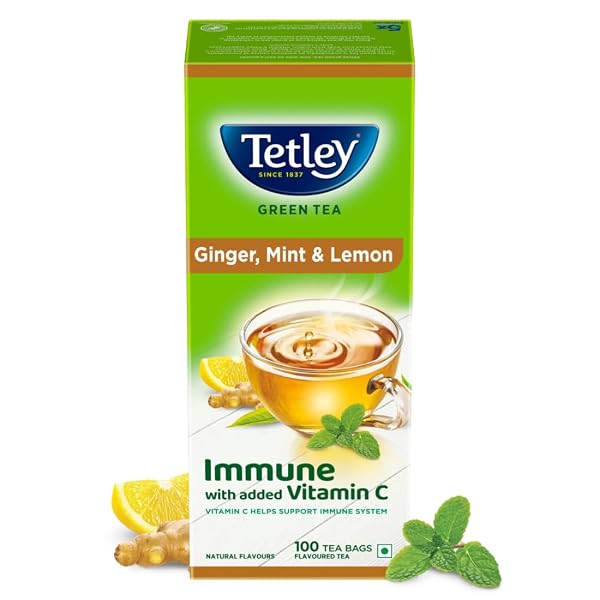
Tetley Green Tea, Ginger, Mint and Lemon, 100 Tea Bags Green
Tetley ginger mint lemon, 100 bags at Rs. 502.
Why it earned its spot The clearest case of a per-100 g rate printed where a price per bag would be.
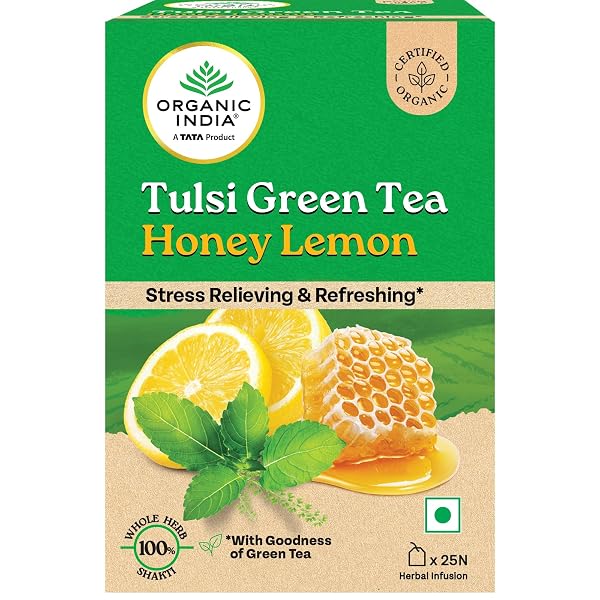
A TATA Product - Organic India Tulsi Green Tea Honey Lemon, 25 Bags Refreshing Tulsi and G
Organic India tulsi green tea, honey lemon, 25 bags at Rs. 128.
Why it earned its spot The cheap half of a pair of listings for one product, 68% apart per bag.
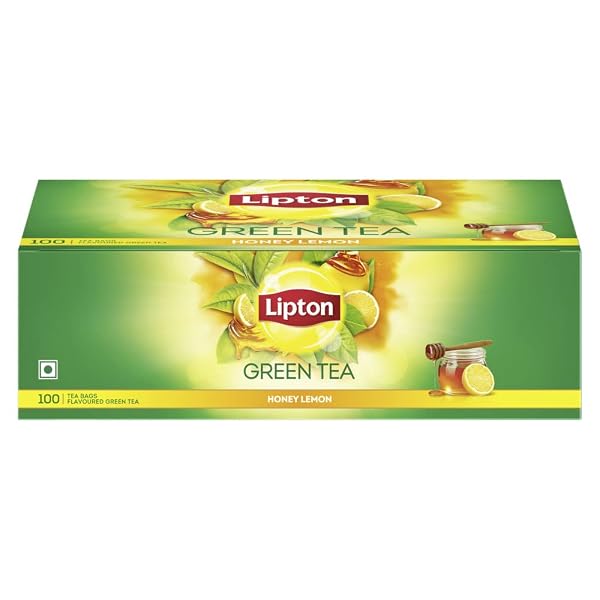
Lipton Green Tea, Honey Lemon, 100 Tea Bags, for Weight Loss, with Catechins to Boost Meta
Lipton honey lemon, 100 bags at Rs. 560.
Why it earned its spot 31,363 ratings, and 2.04 times the per-bag price of the cheapest honey-lemon box.
The Small Box Premium, And Two Figures That Are Not MRPs
Three brands sell the same tea at 25 bags and at 100. All three charge more per bag for the small box - between 10% and 32%. Two tiles here print a per-100 g rate where a shopper reads a list price.
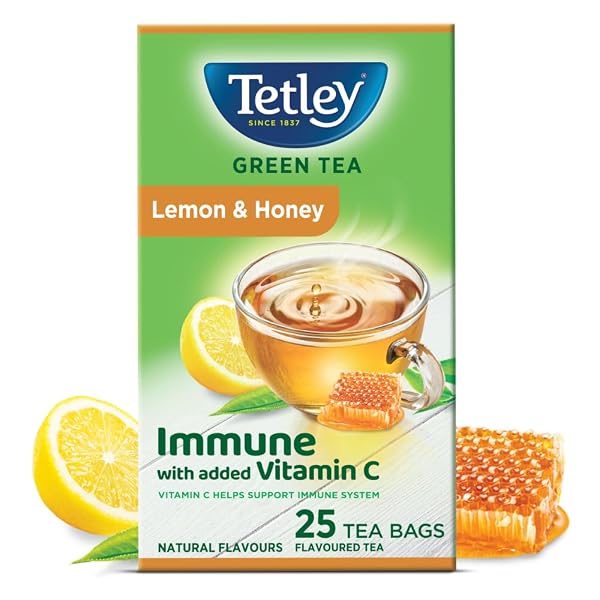
Tetley Green Tea, Lemon and Honey, 25 Tea Bags Green
Tetley lemon and honey, 25 bags at Rs. 152.
Why it earned its spot The same tea as card 7, in a quarter-size box, at a quarter more per bag.
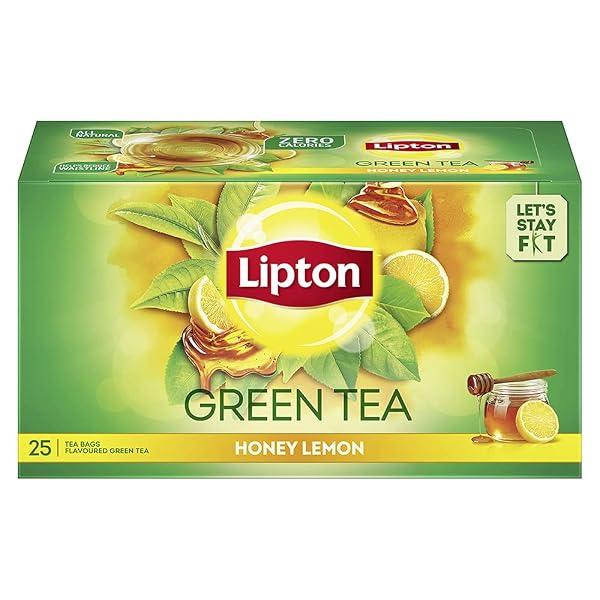
Lipton Green Tea, Honey Lemon, 25 Tea Bags, for Sustainable Weight Loss, with Catechins to
Lipton honey lemon, 25 bags at Rs. 154.
Why it earned its spot Only 10% dearer per bag than its own 100-bag box.
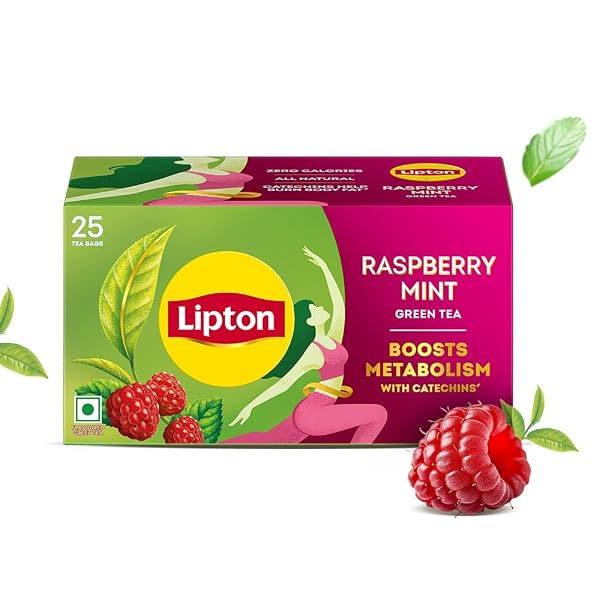
Lipton Green Tea, Raspberry Mint, 25 Tea Bags, for Weight Loss, with Catechins to Boost Me
Lipton raspberry mint, 25 bags at Rs. 164.
Why it earned its spot The listing that explains why this page carries no discount badges at all.
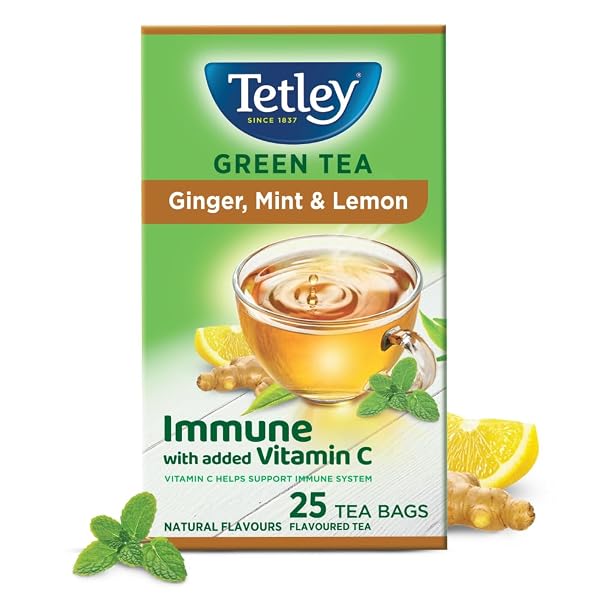
Tetley Green Tea Bags, Ginger Mint Lemon, 25 Tea Bags Ginger
Tetley ginger mint lemon, 25 bags at Rs. 170.
Why it earned its spot 72 paise a bag more than the same brand's 25-bag lemon and honey.
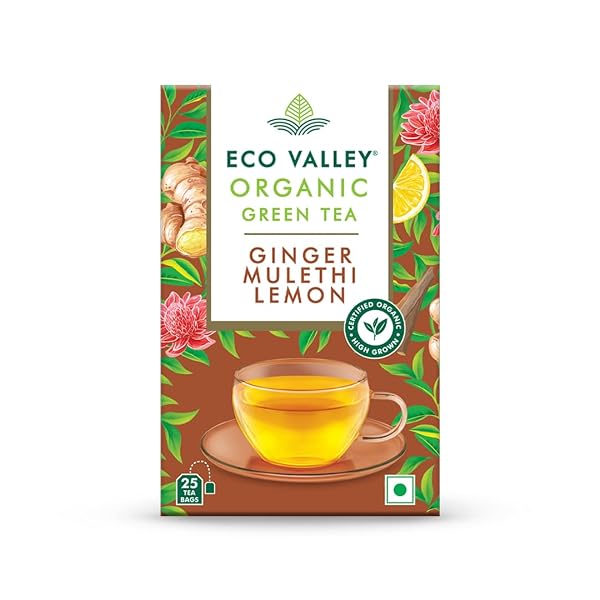
Eco Valley Organic Green Tea - Ginger Mulethi Lemon - 25 Tea Bags | Boost Energy, Helps Bu
Eco Valley ginger mulethi lemon, 25 bags at Rs. 175.
Why it earned its spot Rs. 700 on the tile is Rs. 175 per 25 g expressed per 100 g.
Rs. 8 To Rs. 10 — Kahwa, Tulsi, And The Biggest Rating Pool Here
The middle of the shelf, where a 36-bag kahwa carries 57,699 ratings, doubling the count buys no discount within one brand, and a bag stops being a fixed quantity of tea.
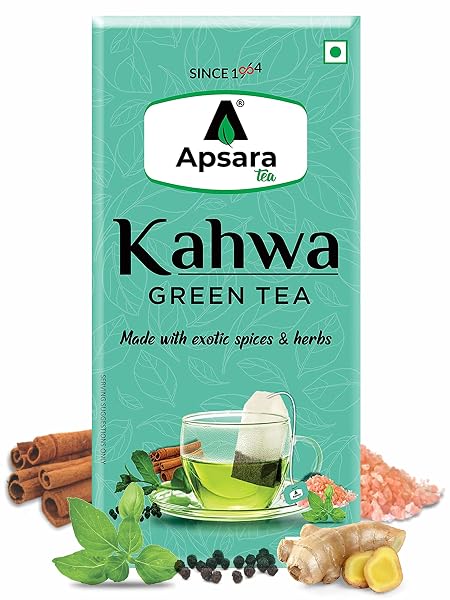
APSARA Detoxifying Kahwa Green Tea - 36 Tea Bags, Spiced Kashmiri Desi Kahwa Green Tea, Im
A 36-bag box of Kashmiri kahwa at Rs. 299.
Why it earned its spot A different product in the same aisle, priced near the middle of the shelf.
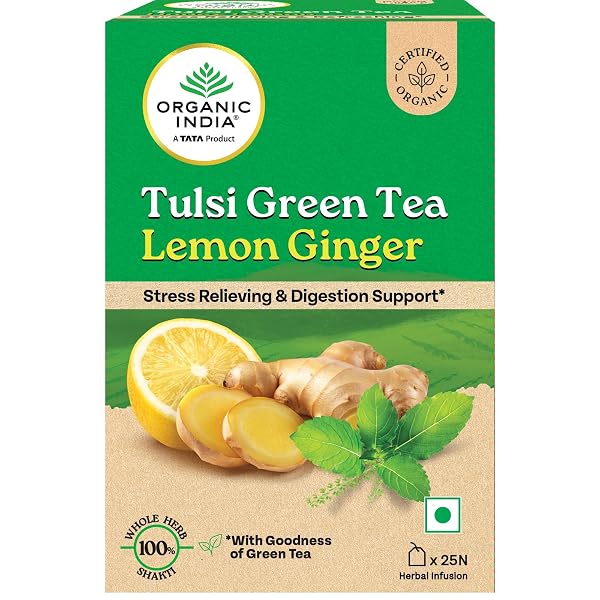
A TATA Product - Organic India Tulsi Green Tea Lemon Ginger - 25 Teabags, Herbal Blend wit
Organic India tulsi lemon ginger, 25 bags at Rs. 212.
Why it earned its spot The best-rated small box in the read, at two thirds the price of its twin.
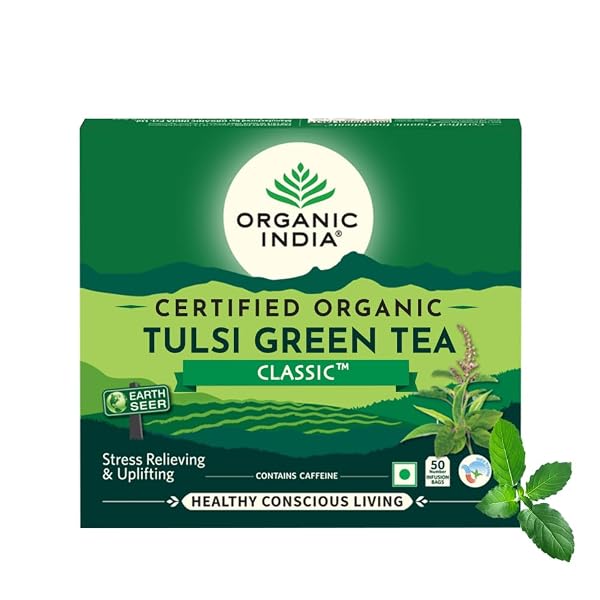
A TATA Product - Organic India Tulsi Green Classic Tea, 50 Infusion Bags Certified organic
Organic India classic tulsi green, 50 bags at Rs. 449.
Why it earned its spot The in-between count, and it does not undercut the brand's 25-bag boxes.
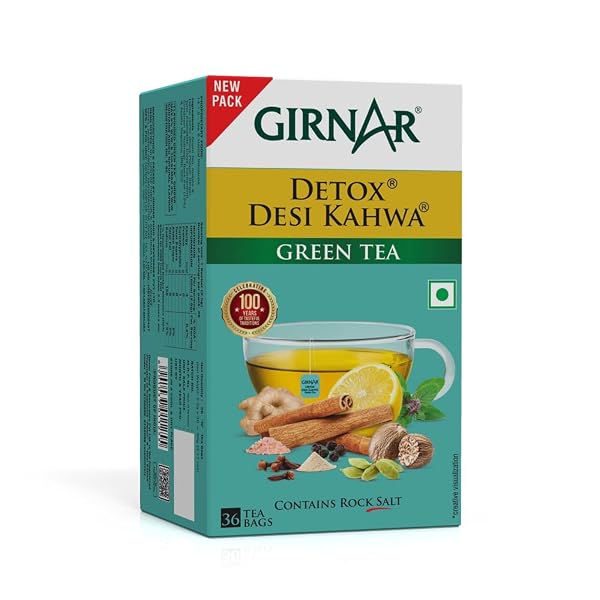
Girnar Food & Beverages Pvt. Ltd. Detox Green Tea - Desi Kahwa (36 Tea Bags) 90 gm Green
Girnar desi kahwa, 36 bags, 90 g, at Rs. 330.
Why it earned its spot Nearly twice the rating count of anything else in the read.
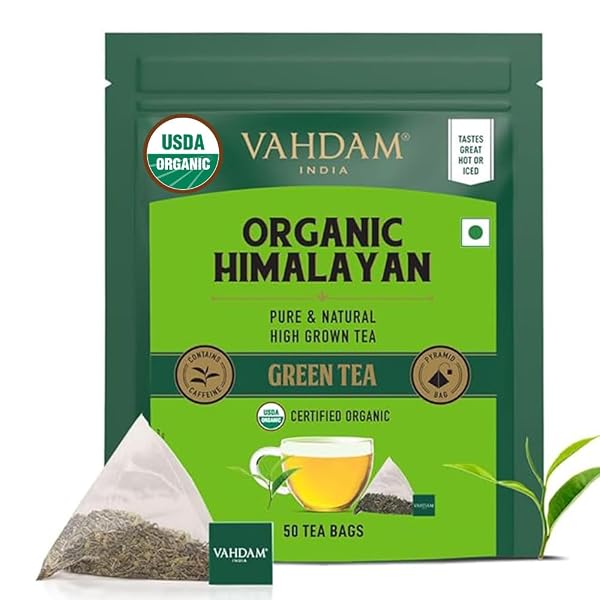
VAHDAM Organic Himalayan Green Tea - 50 TB | Rich in Antioxidants | Smooth & Non-Bitter |
Vahdam Himalayan green tea, 50 bags at Rs. 487.
Why it earned its spot Near-premium pricing on one of the smaller rating pools in the read.
The Dearest Cups — And The One Twin-Pack That Costs More Per Bag
The highest sticker price in the read is only the fourth dearest bag; the steepest small-box premium is 32%; and one brand inverts the whole pattern by charging 68% more per bag for its 50-bag pack than for its 25-bag box.
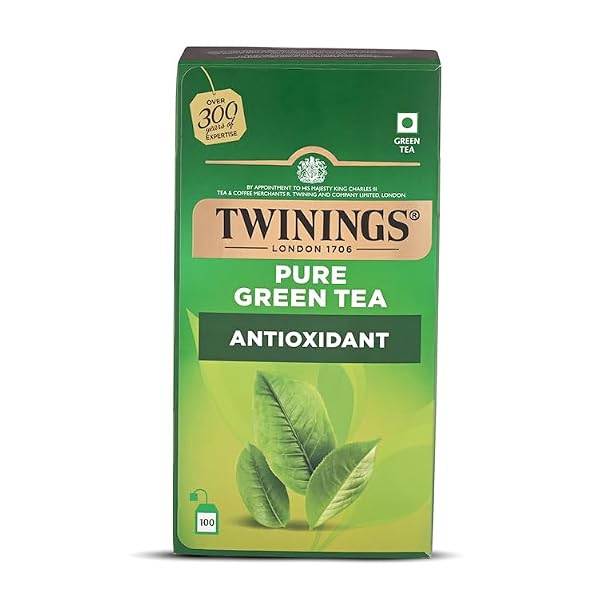
Twinings Pure Green Tea, 100 Tea Bags| Pack of 1| Perfectly Balanced & Refreshing Taste| H
Twinings pure green tea, 100 bags at Rs. 1,049.
Why it earned its spot The dearest sticker price here, and only the fourth dearest bag.
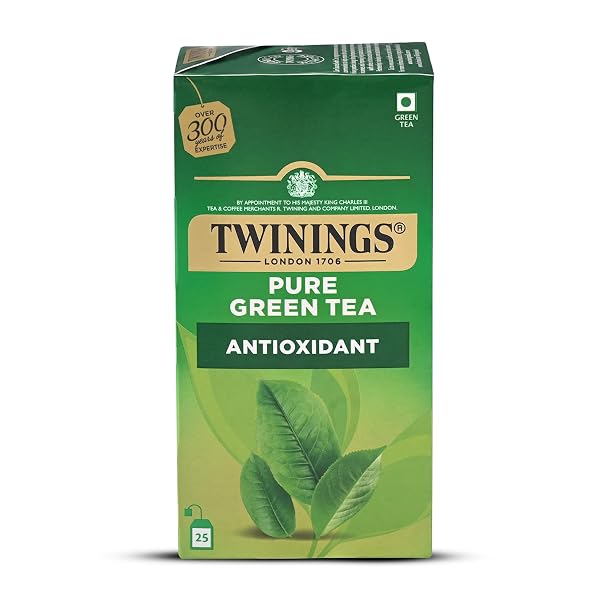
Twinings Pure Green Tea, 25 Tea Bags| Pack of 1| Perfectly Balanced & Refreshing Taste| Ha
Twinings pure green tea, 25 bags at Rs. 346.
Why it earned its spot The steepest small-box premium in the read.
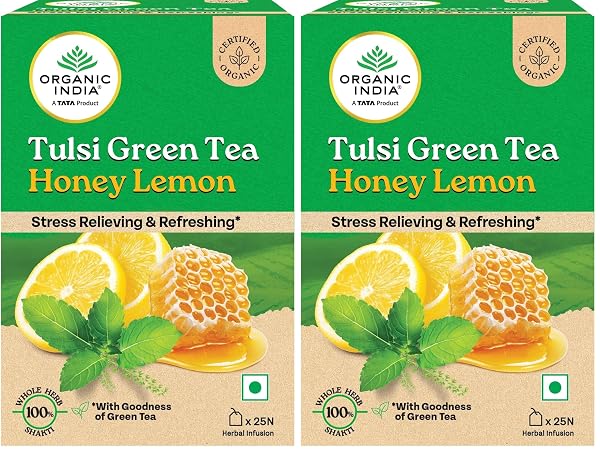
ORGANIC INDIA Tulsi Green Tea Honey Lemon - 25 Tea Bags, Refreshing Blend with Tulsi, Gree
Organic India tulsi green tea honey lemon, a 50-bag twin-pack at Rs. 430.
Why it earned its spot Same product record as card 9, and 68% dearer per bag for buying double.
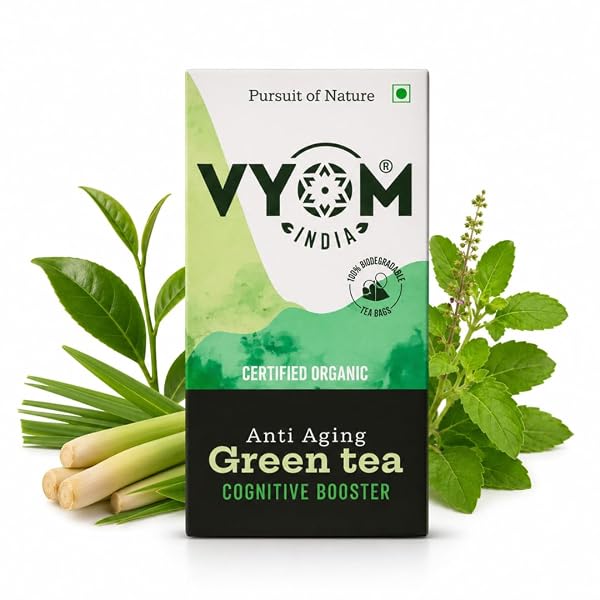
VYOM INDIA Organics Green Tea For Weight Loss - 30 Bags | Anti Aging, Cognitive Booster, S
A 30-bag box at Rs. 589 sold on weight-loss copy.
Why it earned its spot 9.8 times the cheapest bag, with no published rating at all.
How to read a green tea shelf
Four things make this shelf legible. First: divide by the bag count, which is printed on nearly every title. The order changes completely when you do - the dearest box here is the fourth dearest bag, and the cheapest bag comes from a 100-bag box priced at Rs. 200. Second: check whether the brand also sells the same tea in the other size. All three that do charge more per bag for the small box, and the penalty is set brand by brand rather than by any rule: Lipton 10%, Tetley 25%, Twinings 32%. Third: treat the second figure on a tile with suspicion. Three of the 24 listings here print a per-100 g rate where a shopper reads a list price, which would have produced badges of 67% and 75% that correspond to no discount at all; none of the 24 publishes a verifiable MRP. Fourth: compare rating counts before price. The pools on this shelf run from none at all to 57,699, and the premium end tends to carry the smaller samples - the Rs. 19.63 bag has no published rating whatsoever, while a Rs. 9.17 one has the biggest pool in the read. If the brief is ordinary daily green tea, the per-bag arithmetic points somewhere specific. Rs. 200 buys 100 bags at Rs. 2.00 each, the cheapest cup in the read; Rs. 404 buys the Amazon house label's 100 bags at Rs. 4.04 with 9,557 ratings behind it; and Rs. 487 buys a 100-bag box of a brand most people know at Rs. 4.87 with 27,662. That ladder is the whole decision on this shelf: you are paying roughly two rupees a bag for the sample size behind the listing, not for a stated specification, because there is barely any specification here to buy. Two things to carry to the checkout. First, look for the same box under a pack size before you buy: one tulsi green tea on this shelf sells as a 25-bag box at Rs. 128 and as a 50-bag twin-pack at Rs. 430, both tiles showing 4.4 stars from 747 ratings, and the twin-pack costs 68% more per bag. Second, the number beside the price is frequently a unit rate rather than an MRP, so a large second figure is not evidence of a discount - on this page not one of 24 listings published a verifiable one. We did not buy, open, weigh, brew or taste anything here, and no health wording on any of these boxes is assessed by us.
How our picks compare
| Product | Sale price | MRP | Discount |
|---|---|---|---|
| Rs. 2.00 a bag | Rs. 200 | — | — |
| Rs. 2.50 a bag | Rs. 250 | — | — |
| Rs. 2.58, two boxes | Rs. 258 | — | — |
| Rs. 2.75 a bag | Rs. 275 | — | — |
| Rs. 3.00 a bag | Rs. 300 | — | — |
| Rs. 4.04, house label | Rs. 404 | — | — |
| Rs. 4.87, 100 bags | Rs. 487 | — | — |
| Rs. 5.02, 100 bags | Rs. 502 | — | — |
| Rs. 5.12, the Rs. 128 listing | Rs. 128 | — | — |
| Rs. 5.60, 100 bags | Rs. 560 | — | — |
| Rs. 6.08, same tea at 25 | Rs. 152 | — | — |
| Rs. 6.16, same tea at 25 | Rs. 154 | — | — |
| Rs. 6.56, a false MRP | Rs. 164 | — | — |
| Rs. 6.80 a bag | Rs. 170 | — | — |
| Rs. 7.00, same again | Rs. 175 | — | — |
| Rs. 8.31, kahwa | Rs. 299 | — | — |
| Rs. 8.48 a bag | Rs. 212 | — | — |
| Rs. 8.98, 50 bags | Rs. 449 | — | — |
| Rs. 9.17, 57,699 ratings | Rs. 330 | — | — |
| Rs. 9.74 a bag | Rs. 487 | — | — |
| Rs. 10.49, 100 bags | Rs. 1,049 | — | — |
| Rs. 13.84, same at 25 | Rs. 346 | — | — |
| Rs. 8.60, the twin-pack | Rs. 430 | — | — |
| Rs. 19.63, dearest bag | Rs. 589 | — | — |
What we skipped — and why
What we look for
Every price read from amazon.in's own search results
Each selling price, rating average, rating count and printed unit rate on this page was read on 4 October 2026 from amazon.in search results for 'green tea bags', 'green tea 100 bags', 'organic green tea bags' and 'lemon green tea bags', logged out, in India, with nothing purchased. Seventy-four unsponsored ASINs were returned; 60 printed a bag count in their own title; 24 are seated here.
Every box is priced per tea bag, using the count it prints itself
We divide the selling price by the number of bags the listing states in its own title and print the result on every card and in the comparison table. It is the one unit nearly every listing on this shelf states, and it is the only figure that compares a 25-bag box with a 100-bag one. Listings printing no count are excluded from the comparison rather than estimated.
Every bag count was re-read from the product page before publishing
Amazon's search results truncate titles at roughly 90 characters, which can cut a '(Pack of 2)' off the end and halve a count. We fetched the full product title for all 24 seated ASINs and corrected one: the Rs. 430 tulsi listing is a 50-bag twin-pack, not a 25-bag box, so it is Rs. 8.60 a bag rather than Rs. 17.20.
A bag is not a fixed quantity of tea, and this page says so
Only a minority of these listings state a net weight. Where they do, the weight per bag differs: the Amazon house label states 150 g across 100 bags (1.5 g a bag) and one kahwa states 90 g across 36 (2.5 g a bag). Per-bag price is therefore a comparison of what one brew costs, not of how much tea you get, and no card claims otherwise.
No discount badge appears anywhere on this page, because none is verifiable
Not one of the 24 seated listings publishes a figure we could verify as a genuine MRP above its selling price. On this shelf amazon.in's second figure is usually its own unit rate: Rs. 504 beside a Rs. 164 box is that box's per-100 g rate, and Rs. 700 beside a Rs. 175 box is the same arithmetic. Printing either as an MRP would assert a saving nobody stated, so every card shows the selling price alone.
Two listings for one product are identified by their shared rating pool
Ratings attach to a product rather than to a listing slot, so an identical star average and rating count across two tiles is the standard fingerprint of one product sold under two listings. That is how the Rs. 128 single box and the Rs. 430 twin-pack of the same tulsi green tea - both 4.4 stars from 747 ratings - are treated here as one product record in two pack sizes rather than two products.
Amazon's own printed rate is used as a cross-check, never as the source
Nineteen of the 24 tiles print a per-bag rate that agrees with ours once rounded down. Three print a per-100 g rate instead, one prints zero, and one computes the rate off a single unit of a declared multipack and so understates the count. We report the disagreements as seller-supplied pack data producing an automatic figure, and allege no intent by anyone.
No claim is made about what any tea does
'Weight loss', 'detox', 'antioxidant', 'zero calories', 'immunity', 'metabolism', 'anti aging', 'cognitive booster' and 'certified organic' are the listings' own printed words, reproduced as printed. We did not buy, open, weigh, brew, steep or taste anything on this page, and nothing here evaluates, endorses or disputes any health claim.
FAQs
What is the cheapest green tea on Amazon India?
In this read of 74 listings on 4 October 2026, the cheapest per bag was a 100-bag box at Rs. 200, or Rs. 2.00 a bag, and the cheapest sticker price among the 24 seated was a 25-bag box at Rs. 128 - which works out dearer, at Rs. 5.12 a bag. Those are two different questions and this shelf answers them differently. Prices and stock change continuously; this describes what four searches returned on one day, so check the live page.
Is it cheaper to buy 100 tea bags instead of 25?
On every brand in this read that sold the same tea in both sizes, yes - but by amounts that vary a lot. Tetley lemon and honey: Rs. 4.87 a bag at 100 against Rs. 6.08 at 25, a 25% premium for the small box. Lipton honey lemon: Rs. 5.60 against Rs. 6.16, a 10% premium. Twinings pure green: Rs. 10.49 against Rs. 13.84, a 32% premium. One brand broke the pattern across different blends: its 50-bag box was Rs. 8.98 a bag where its 25-bag box was Rs. 8.48.
Does buying a bigger pack of green tea always cost less per bag?
No, and one brand in this read does the opposite. Organic India's tulsi honey lemon sells as a 25-bag box at Rs. 128, or Rs. 5.12 a bag, and as a 50-bag twin-pack at Rs. 430, or Rs. 8.60 a bag - 68% more per bag for buying double. Both tiles show the identical rating pool, 4.4 stars from 747 ratings, so they are one product record in two pack sizes. Tetley, Lipton and Twinings all run the other way, charging 10% to 32% more for their small boxes. Watch the truncated titles: the twin-pack's '(Pack of 2)' only appears on the product page, not in the search result.
Why does this page show no discount percentages on green tea?
Because none of the 24 seated listings published a figure we could verify as a genuine MRP above its selling price. On this shelf the second number amazon.in prints is usually its own unit rate: the Rs. 504 beside a Rs. 164 Lipton box is that box's per-100 g rate, and the Rs. 700 beside a Rs. 175 Eco Valley box is the same arithmetic. Read as MRPs they would have produced badges of 67% and 75% that correspond to no discount anyone offered, so every card here shows the selling price alone.
Does a cheaper tea bag mean less tea in the bag?
It can, and this page cannot tell you when. Only a minority of these listings state a net weight at all. Where they do, the weight per bag differs: one 100-bag box states 150 g, or 1.5 g a bag, while a 36-bag kahwa states 90 g, or 2.5 g. So the per-bag price here compares what one brew costs, not how much tea you get, and no card on this page claims otherwise. We did not open, weigh or brew anything.
More Amazon India coverage on Zoutons

Trending
 Flipkart Big Billion Days 2026 Dates: Announced Oct 9, Plus Access Oct 8
  Myntra Sale Calendar 2026: Big Fashion Festival & Winter EORS Dates
  Amazon Upcoming Sale Calendar 2026: Next Sale Dates India, GIF & More
  Nykaa Sale Calendar 2026: Diwali Dhamaka & Pink Friday Dates, Next Sale
  Ajio Upcoming Sale Calendar 2026: All Stars Sale & Festive Dates
 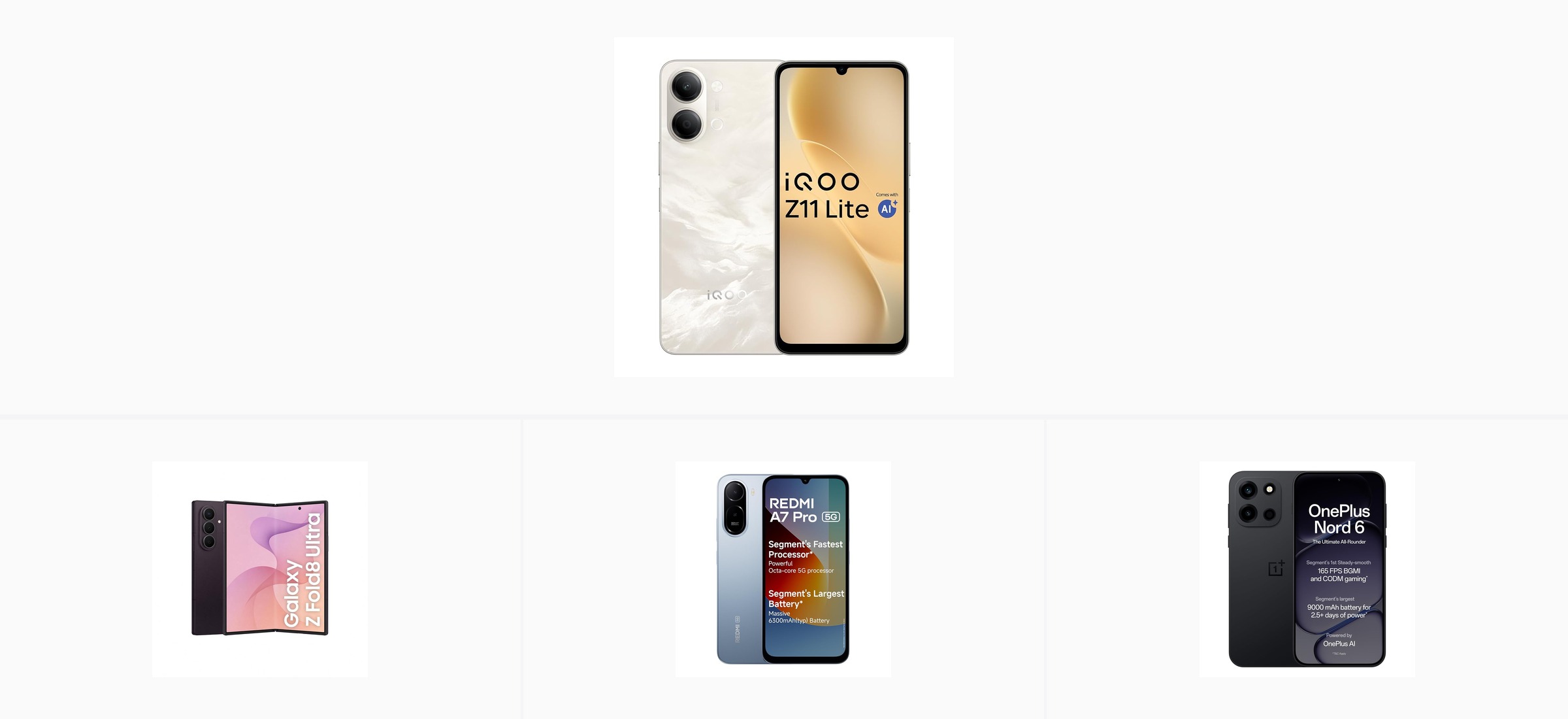 Amazon Great Indian Festival 2026: Best 5G Phone Deals From Rs. 7,999
 More From Amazon





 Booking com
  Hostinger
  Dell
Dell  Udemy
Udemy  Agoda
Agoda  Nykaa
Nykaa  Myntra
  Ajio
Ajio