Adidas Ultraboost vs Nike Pegasus: Best Running Shoes in India (2026)
_1767166944.jpg?tr=w-80,h-80,c-force)
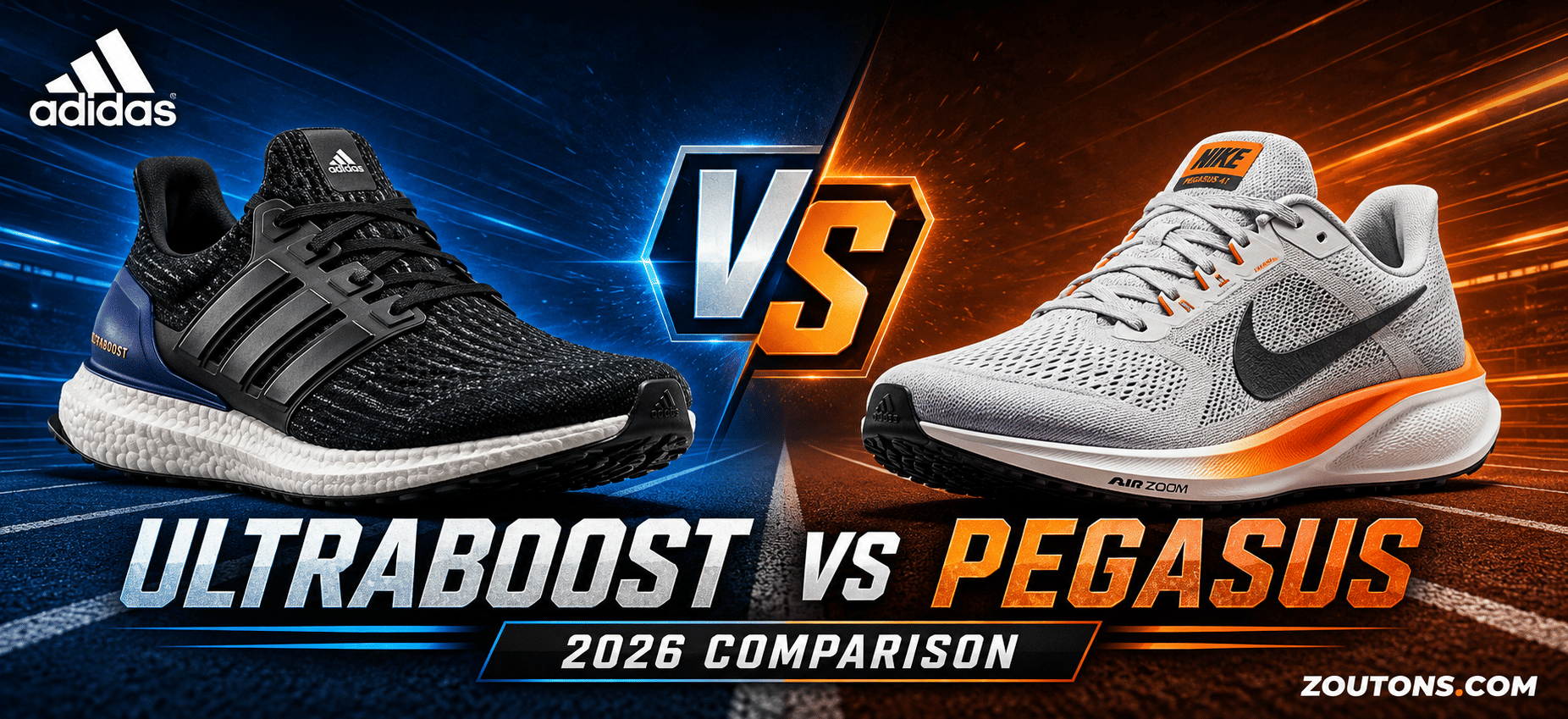
Adidas Ultraboost and Nike Pegasus are two of the most popular running shoe lines sold in India, and choosing between them trips up even experienced runners. The Ultraboost relies on Adidas's energy-returning Boost foam and a Continental rubber outsole, while the Pegasus counters with Nike's React X cushioning and a Zoom Air unit for a responsive toe-off. Both have loyal followings, but they solve different problems on the road.
In this head-to-head comparison, we test five models across the two families -- three from Adidas (Ultraboost Light, Ultraboost 22, Adizero SL) and two from Nike (Pegasus 41, Pegasus 40). We compare cushioning, durability, weight, pricing in India and the type of runner each shoe suits best. Prices range from Rs. 8,999 to Rs. 16,999, and Zoutons coupon codes can shave an extra 10-15% off Adidas purchases.
- Adidas Ultraboost Light (Men) Best Cushioning
- Nike Pegasus 41 (Men) Best All-Rounder
- Adidas Ultraboost 22 (Women) Top Rated
- Nike Pegasus 40 (Women) Budget Pick
- Adidas Adizero SL Race Day
 01
Best Cushioning
01
Best Cushioning
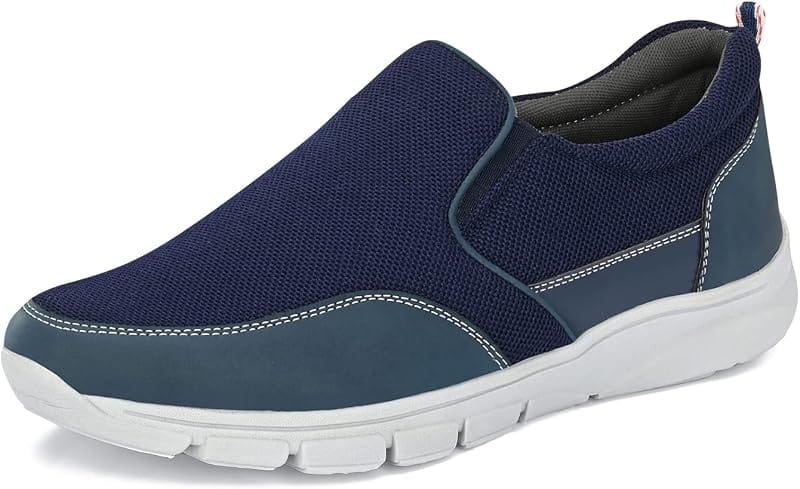
Adidas Ultraboost Light (Men)
"The most cushioned daily trainer Adidas makes -- ideal for runners who rack up 40-plus km per week and need joint protection."
The Ultraboost Light uses a full-length Boost midsole that returns roughly 70% of impact energy with every stride. The Primeknit+ upper adapts to foot shape without hot spots, while the Continental rubber outsole grips wet roads reliably during monsoon runs. At 295 g it is heavier than the Pegasus, but the plush landing more than compensates on long runs.
 02
Best All-Rounder
02
Best All-Rounder
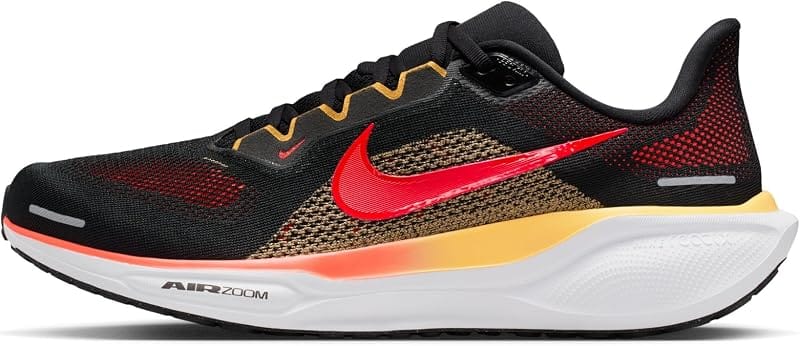
Nike Pegasus 41 (Men)
"Nike's Swiss Army knife -- handles easy jogs, tempo runs and gym sessions without missing a beat."
The Pegasus 41 pairs a React X foam midsole with a Zoom Air unit under the forefoot, creating a responsive toe-off that rewards faster paces. Engineered mesh keeps airflow high in Indian summers, and the Waffle outsole pattern offers reliable traction on concrete and packed trails. At 270 g, it sits lighter than any Ultraboost.
 03
Top Rated
03
Top Rated
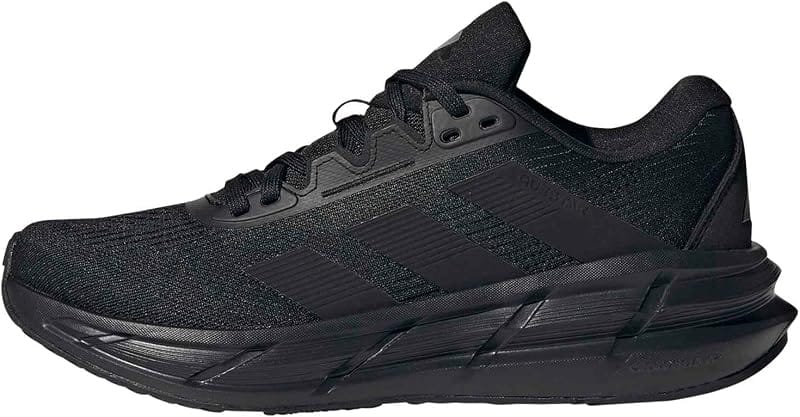
Adidas Ultraboost 22 (Women)
"Built on women-specific foot data -- the first Ultraboost designed from a female last for a better midfoot fit."
Adidas used motion-capture data from female runners to shape the Ultraboost 22. The Primeknit upper wraps the midfoot more snugly, and the Boost midsole sits on a slightly narrower platform tuned for lighter foot-strikes. Continental rubber keeps its grip even on rain-slick Bangalore flyovers. A premium daily trainer that justifies its price over the long haul.
 04
Budget Pick
04
Budget Pick
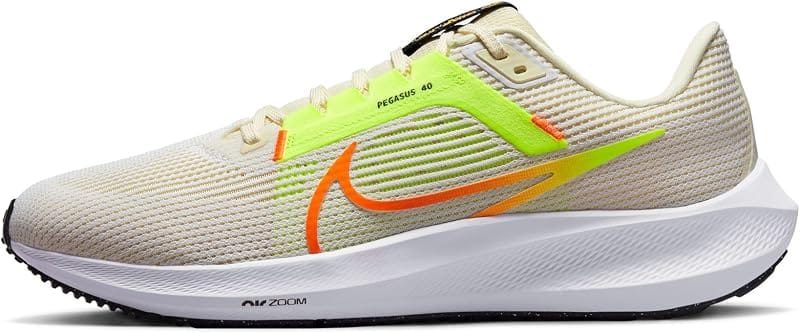
Nike Pegasus 40 (Women)
"Last-gen Pegasus at a steep discount -- 90% of the ride at 70% of the price."
The Pegasus 40 uses the same React foam platform as its successor but in a slightly firmer tune that some runners actually prefer for road feel. Flywire cables lock the midfoot during speed work, and the outsole rubber holds up well past the 500 km mark. At under Rs. 10,000, it is the most affordable performance runner in this comparison and an excellent entry point for new runners.
 05
Race Day
05
Race Day
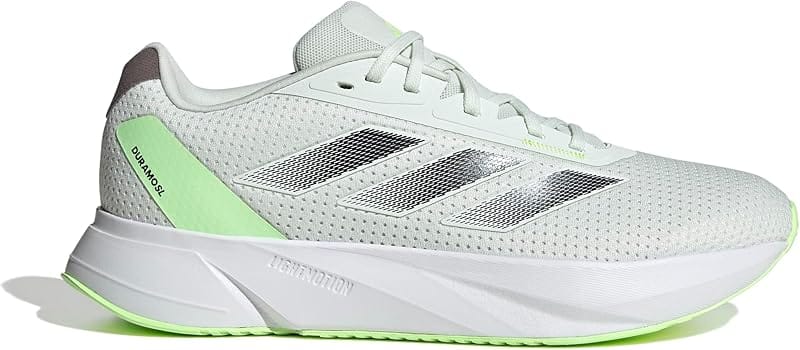
Adidas Adizero SL
"Lightstrike Pro foam in a sub-Rs. 9,000 racer -- the speed shoe that does not break the bank."
The Adizero SL borrows Lightstrike Pro foam from Adidas's elite racing flats and wraps it in a breathable mesh upper at nearly half the price. At roughly 235 g it is the lightest shoe here, built for 5K and 10K races as well as interval sessions on the track. Continental rubber on high-wear zones extends outsole life beyond what you would expect from a racing flat.
Ultraboost vs Pegasus: Head-to-Head Breakdown
Cushioning Technology
Adidas Boost is a TPU-pellet foam that compresses and rebounds with each stride, delivering a marshmallow-soft landing that shines on runs beyond 10 km. Nike's React X is a newer synthetic rubber compound that sits firmer underfoot but springs back faster, rewarding quicker turnover. If you run mostly easy or long miles, Boost feels better. If you vary your pace from easy jogs to tempo repeats, React X adapts more readily.
Durability and Outsole
The Ultraboost's Continental rubber outsole is a genuine differentiator. Developed with the tyre manufacturer, it grips wet and dry surfaces and typically outlasts the midsole foam itself (800-plus km). Nike's rubber compounds are good for 500-650 km before visible heel wear. In Indian monsoon conditions -- wet tiles, painted road markings, slick flyover surfaces -- the Continental outsole provides a meaningful safety margin.
Pricing and Value in India
Nike wins on sticker price: the Pegasus 40 starts at Rs. 9,995 and the Pegasus 41 at Rs. 11,895, while the entry-level Ultraboost (the 22) costs Rs. 14,999. However, cost-per-kilometre tells a different story. If the Ultraboost lasts 800 km versus the Pegasus's 600 km, the Ultraboost Light works out to about Rs. 21 per km and the Pegasus 41 to about Rs. 20 per km -- roughly equivalent. The Adizero SL at Rs. 8,999 offers the best cost-per-km for racing-only use.
Quick Comparison: All Shoes at a Glance
| # | Shoe | Price | Cushion Tech | Best For |
|---|---|---|---|---|
| 1 | Adidas Ultraboost Light (Men) | Rs. 16,999 | Boost | Long-distance daily trainer |
| 2 | Nike Pegasus 41 (Men) | Rs. 11,895 | React X + Zoom Air | Versatile all-rounder |
| 3 | Adidas Ultraboost 22 (Women) | Rs. 14,999 | Boost (women-tuned) | Women's daily training |
| 4 | Nike Pegasus 40 (Women) | Rs. 9,995 | React + Zoom Air | Budget runners, beginners |
| 5 | Adidas Adizero SL | Rs. 8,999 | Lightstrike Pro | 5K/10K races, speed work |
The Verdict: Which Should You Buy?
Pick the Adidas Ultraboost if you run 30-plus km per week, prioritise cushioning over speed, and want an outsole that handles monsoon roads without flinching. The Ultraboost Light (Men) is the top pick for maximum comfort, while the Ultraboost 22 (Women) offers a female-specific fit that most competitors still lack.
Pick the Nike Pegasus if you need one shoe for everything -- easy runs, tempo sessions, and occasional gym days. The Pegasus 41 is the current sweet spot at Rs. 11,895, and the Pegasus 40 at Rs. 9,995 is a steal for beginners or as a second pair in rotation.
Pick the Adizero SL if you race regularly and want Adidas's elite Lightstrike Pro foam without paying elite prices. At Rs. 8,999, it is the most affordable performance shoe in this lineup and a genuine surprise.