Puma India vs Adidas Running Shoes 2026: Which Brand Wins?
If you've been torn between Puma India's NITRO foam line-up and Adidas's iconic BOOST cushioning — spending evenings comparing spec sheets and Reddit threads without getting any closer to a decision — you're dealing with one of the most hotly contested rivalries in Indian running circles right now. Both brands have invested heavily in midsole technology, both offer models at every price point from ₹4,499 to ₹25,000+, and both have passionate Indian runner communities swearing by their chosen foam. In this 2026 guide, we put every major model from Puma India and Adidas head to head — comparing cushioning feel, durability in India's heat and humidity, price-to-performance, and the specific runner profiles each shoe suits best — so you can finally stop second-guessing and start training.

Puma India vs Adidas — Brand Heritage & Running Innovation in 2026
Puma India entered the performance running conversation seriously only in the late 2010s, but the launch of NITRO foam in 2021 changed the conversation overnight. Developed in partnership with BASF — the same chemical giant behind Adidas's BOOST beads — Puma's NITRO foam is a nitrogen-infused polyurethane that delivers exceptional energy return at a lower weight than traditional EVA. It debuted in the Velocity Nitro and has since cascaded across the entire Puma India running line-up from the budget Electrify to the elite Fast-R Nitro Elite.
Adidas, meanwhile, has built its running identity around BOOST — a thermoplastic polyurethane (TPU) foam first introduced in 2013 and still the brand's flagship cushioning in 2026. BOOST is renowned for its soft, pillowy feel and exceptional cold-weather performance (it doesn't stiffen in the cold the way EVA does). Adidas has supplemented BOOST with LIGHTSTRIKE EVA for lighter-weight models, and ENERGYRODS carbon systems for elite racing shoes.
In India, both brands are widely stocked on Flipkart, Amazon India, Myntra, and their own DTC websites. Puma India's local distribution is strong — the brand has flagship stores in Bengaluru, Delhi, Mumbai, and Chennai, and frequently runs India-specific discounts. Adidas India matches this with its own network, though BOOST models tend to carry a slight price premium versus comparable Puma India NITRO models.
NITRO Foam vs BOOST Cushioning — Key Differences for Indian Runners in 2026
The heart of the Puma India vs Adidas debate comes down to foam technology. Here's how they compare across the dimensions that matter most for Indian running conditions:
| Dimension | Puma India — NITRO Foam | Adidas — BOOST Foam |
|---|---|---|
| Cushion feel | Responsive and bouncy — springy underfoot, not squishy | Plush and soft — marshmallow-like comfort, more cushioned |
| Energy return | Higher energy return per gram — more efficient for faster paces | Good energy return but heavier per unit of cushion |
| Weight | Lighter — NITRO foam weighs less than BOOST for same cushion volume | Heavier — BOOST mid-range shoes average 10–20g more than Puma equivalents |
| Heat performance | Better — NITRO maintains properties in Indian summer heat (40°C+) | BOOST can soften in extreme heat — minor degradation in performance above 38°C |
| Cold performance | Adequate — slight firmness below 10°C | Excellent — BOOST stays soft even in North Indian winters |
| Durability | 600–800km typical lifespan before noticeable breakdown | 700–900km typical lifespan — BOOST holds up slightly longer |
| Price entry point in India | From ₹5,999 (Softride Premier) — more affordable entry | From ₹4,499 (Duramo SL) — budget entry has no BOOST foam |
| Best for | Speed, training efficiency, Indian heat, value | Comfort, casual running, cold weather, heritage brand feel |
Bottom line on foam: If you run in Indian summers (April–September) at moderate to fast paces, Puma India's NITRO foam is likely the better choice. If you prioritise soft underfoot comfort and run primarily in the cooler months or at easy conversational paces, Adidas BOOST remains outstanding.
Best Puma India Running Shoes 2026 — NITRO Lineup for Every Runner
Puma India's 2026 running catalogue spans entry-level SOFTRIDE through elite NITRO Elite carbon racing. Here are the six models every Indian runner should know:
- Full-length NITRO foam midsole for responsive cushioning
- PUMAGRIP outsole — excellent traction on wet Indian roads
- Engineered mesh upper: light, breathable, true to size
- 8mm heel-toe drop — neutral and versatile
- ~282g weight — balanced between cushion and speed
- NITRO Elite foam: lighter and more responsive than standard NITRO
- Partial carbon-infused propulsion plate for natural toe-off
- Adaptive running upper hugs the foot without hot spots
- 8mm drop, ~266g — noticeably lighter than Velocity Nitro 2
- Ideal for runners aiming for sub-55 min 10K paces
- Dual-density NITRO foam: FOREVER foam in heel, NITRO in forefoot
- Higher stack height than Velocity Nitro 2 for added protection
- 10mm heel-to-toe drop — comfortable for heel strikers
- Wide platform base: excellent stability on long efforts
- Ideal for half-marathon and marathon training in Indian conditions
- Full-length NITRO foam — same base tech as pricier Puma India models
- Breathable engineered mesh upper stays cool in Indian summers
- Versatile outsole handles tarmac, tracks, and mild trails
- Slightly firmer ride than Velocity Nitro 2 — great for beginners
- Available in multiple colourways on Puma India
- NITRO Elite foam — Puma India's lightest and most energetic foam
- Full-length carbon plate: maximum propulsion at race pace
- Racing-specific upper: secure lockdown at high speeds
- Super-stack geometry for both cushioning and ground contact efficiency
- Comparable to Nike Vaporfly in design philosophy, at a lower India price
- SOFTRIDE foam midsole: ultra-plush, cloud-like underfoot feel
- Slip-on design with elastic lacing — no tie required
- Wider toe box than most Puma India running shoes
- Great for post-long-run recovery or short easy-effort jogs
- Most affordable entry into the Puma India SOFTRIDE family
Best Adidas Running Shoes in India 2026 — BOOST, LIGHTSTRIKE & Carbon Picks
Adidas's India line-up covers four distinct technologies: BOOST (premium daily), LIGHTSTRIKE EVA (lightweight training), DREAMSTRIKE+ (comfort), and LIGHTSTRIKE PRO + ENERGYRODS (carbon racing). Here are the top picks for comparison:
- Full-length BOOST midsole: exceptional energy return for daily use
- Primeknit upper: sock-like fit, adapts to foot shape over time
- Continental rubber outsole — premium wet-grip performance
- Torsion system stabilises the midfoot on Indian uneven roads
- Heavier than Puma Velocity Nitro 2 (~310g) — comfort over speed
- LIGHTSTRIKE EVA forefoot + LIGHTSTRIKE PRO heel: fast, snappy ride
- Significantly lighter than Ultraboost — better for speed days
- Breathable engineered mesh upper handles Indian humidity well
- Low-profile design: closer to the ground feel than BOOST shoes
- Price-comparable to Puma Velocity Nitro 2 — see our verdict below
- BOOST midsole with SOLAR PROPULSION RAIL for guided gait
- Medial post structure: reduces inward rolling on long runs
- Engineered mesh with targeted support zones
- Ideal for Indian runners with flat arches or mild overpronation
- Puma equivalent: ForeverRun Nitro (neutral) — no Puma stability match at this price
- DREAMSTRIKE+ midsole: softer and more plush than standard EVA
- Soft knit upper with generous toe box — forgiving fit
- Versatile outsole suited to Indian roads and walking surfaces
- Comparable to Puma Electrify Nitro 3 in price and use case
- Lower energy return than BOOST — more comfort, less bounce
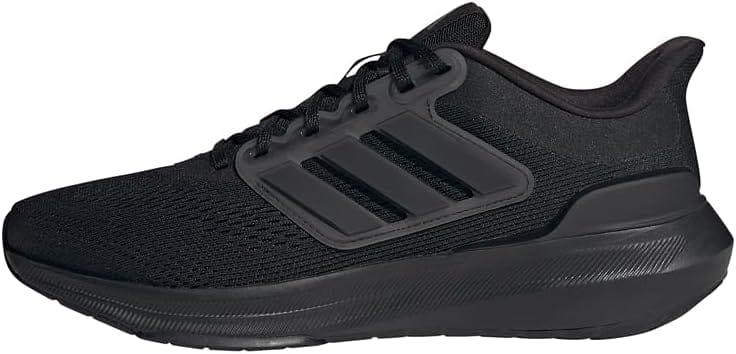
- LIGHTSTRIKE PRO foam + ENERGYRODS 2.0 — carbon fibre rod system
- Dual-layer midsole for both cushion and propulsion on race day
- Used by world record holders — now available in India
- Sub-200g weight in race sizes — truly featherlight
- Comparable to Puma Fast-R Nitro Elite but pricier; consider use case
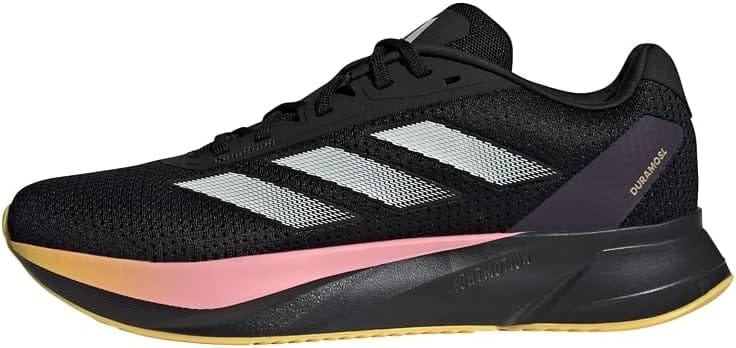
- LIGHTMOTION midsole: lightweight cushioning for everyday use
- Breathable mesh upper — keeps feet cool in Indian heat
- Versatile for both running and gym workouts
- Most affordable Adidas option in India for new runners
- Puma equivalent: Softride Premier (₹5,999) — similar use case, different foam feel
Puma vs Adidas Price Comparison India — Which Brand Offers Better Value Under ₹15,000?
Price-to-performance is where Puma India consistently edges Adidas. Here's a direct model-by-model price comparison in the Indian market as of June 2026:
| Use Case | Puma India Model | Puma India Price | Adidas Equivalent | Adidas Price |
|---|---|---|---|---|
| Budget entry | Softride Premier | ₹5,999 | Duramo SL | ₹4,499 |
| Mid-range daily | Velocity Nitro 2 | ₹9,999 | Adizero SL / Supernova Rise | ₹8,999 – ₹9,999 |
| Long run / cushion | ForeverRun Nitro | ₹12,499 | Solarboost 5 | ₹12,999 |
| Premium daily | Deviate Nitro 2 | ₹14,999 | Ultraboost 22 | ₹15,000 – ₹16,000 |
| Elite race day | Fast-R Nitro Elite | ₹19,999 | Adizero Adios Pro 3 | ₹24,999 |
Key takeaway: At the performance end (₹14,999–₹25,000), Puma India offers comparable or superior technology at 10–25% lower price points than Adidas equivalents. At the budget end (under ₹6,000), Adidas's Duramo SL edges Puma on price, though the Softride Premier is the better running shoe. In the critical mid-range (₹8,000–₹12,000) the brands are neck-and-neck on price but Puma India's NITRO foam delivers better value per rupee spent.
Puma India vs Adidas: Expert Verdict — Which Running Shoe Brand Should You Buy in 2026?
Our Verdict: Puma India Wins on Value & Performance; Adidas Wins on Comfort & Heritage
After comparing every major model and foam technology, here's our clear-cut recommendation for Indian runners in 2026: if performance, heat resistance, and value for money are your priorities, buy Puma India. If maximum softness, brand heritage, and cold-weather running define your needs, Adidas remains excellent.
Use Puma India discount codes on Zoutons to get additional savings on any Puma India order — we frequently track sales of 20–40% off on the NITRO range.
Frequently Asked Questions — Puma India vs Adidas Running Shoes 2026
Is Puma India NITRO foam better than Adidas BOOST for Indian runners?
For most Indian runners, yes. Puma India's NITRO foam is lighter, more energy-efficient, and holds up better in India's summer heat (above 38°C). Adidas BOOST has a softer, more luxurious feel and performs better in cold weather, but in India's predominantly warm climate, NITRO foam is the more practical choice for year-round training.
Which is cheaper — Puma India or Adidas running shoes?
It depends on the tier. At the budget level (under ₹5,000), Adidas Duramo SL (₹4,499) is slightly cheaper than Puma Softride Premier (₹5,999). In the mid-range (₹8,000–₹15,000), both brands are similarly priced — but Puma India tends to offer better foam technology per rupee. At the performance/elite tier (above ₹18,000), Puma India is 15–25% cheaper than comparable Adidas LIGHTSTRIKE PRO models.
Is the Puma Velocity Nitro 2 better than the Adidas Ultraboost 22?
For running performance, the Velocity Nitro 2 edges it. It's lighter (~282g vs ~310g), more responsive, better in heat, and costs about ₹5,000 less. The Ultraboost 22 is softer and more comfortable for easy paces, and its Primeknit upper has a more premium feel. If you want a faster, more efficient daily trainer, choose Velocity Nitro 2. If you prioritise plush comfort and style, choose Ultraboost 22.
Which Puma India running shoe is best for half-marathon training?
The Puma ForeverRun Nitro (₹12,499) is the best Puma India shoe for half-marathon training. Its dual-density NITRO foam handles the mileage demands of 60–80 km training weeks, with enough cushioning for 15–25 km long runs. For race day, upgrade to the Puma Deviate Nitro 2 or Fast-R Nitro Elite for added propulsion and lighter weight.
Do Puma India running shoes run true to size?
Generally yes — Puma India running shoes run true to size for most Indian runners. The NITRO series (Velocity, Deviate, ForeverRun) has a standard-to-slightly-narrow fit, so those with wider feet may want to go half a size up or try the shoe in-store first. The Softride Premier has a wider toe box and is more forgiving. Adidas running shoes also run true to size, with the Ultraboost and Adizero range having a snugger, more form-fitting feel than Puma India shoes at the same size.
_1767166944.jpg?tr=w-80,h-80,c-force)
Trending
 Flipkart Big Billion Days 2026 Is Live: General Access Open October 9
  Nykaa Sale Calendar 2026: Diwali Dhamaka & Pink Friday Dates, Next Sale
  Amazon Upcoming Sale Calendar 2026: Next Sale Dates India, GIF & More
  Udemy Upcoming Sale 2026: Next Sale Dates, Black Friday & Coupons
  Myntra Sale Calendar 2026: Big Fashion Festival Live Now, Winter EORS Dates
  Amazon Great Indian Festival 2026: Reloaded Deals Live Oct 21, Dates Official
 More From Puma

 Booking com
  Hostinger
  Dell
Dell  Udemy
Udemy  Agoda
Agoda  Nykaa
Nykaa  Myntra
  Ajio
Ajio