Japan's calendar is really a pricing chart. The two postcard windows — cherry blossom and autumn leaves — are also the two most expensive, and the gap between a peak and shoulder week on the same hotel can be dramatic.
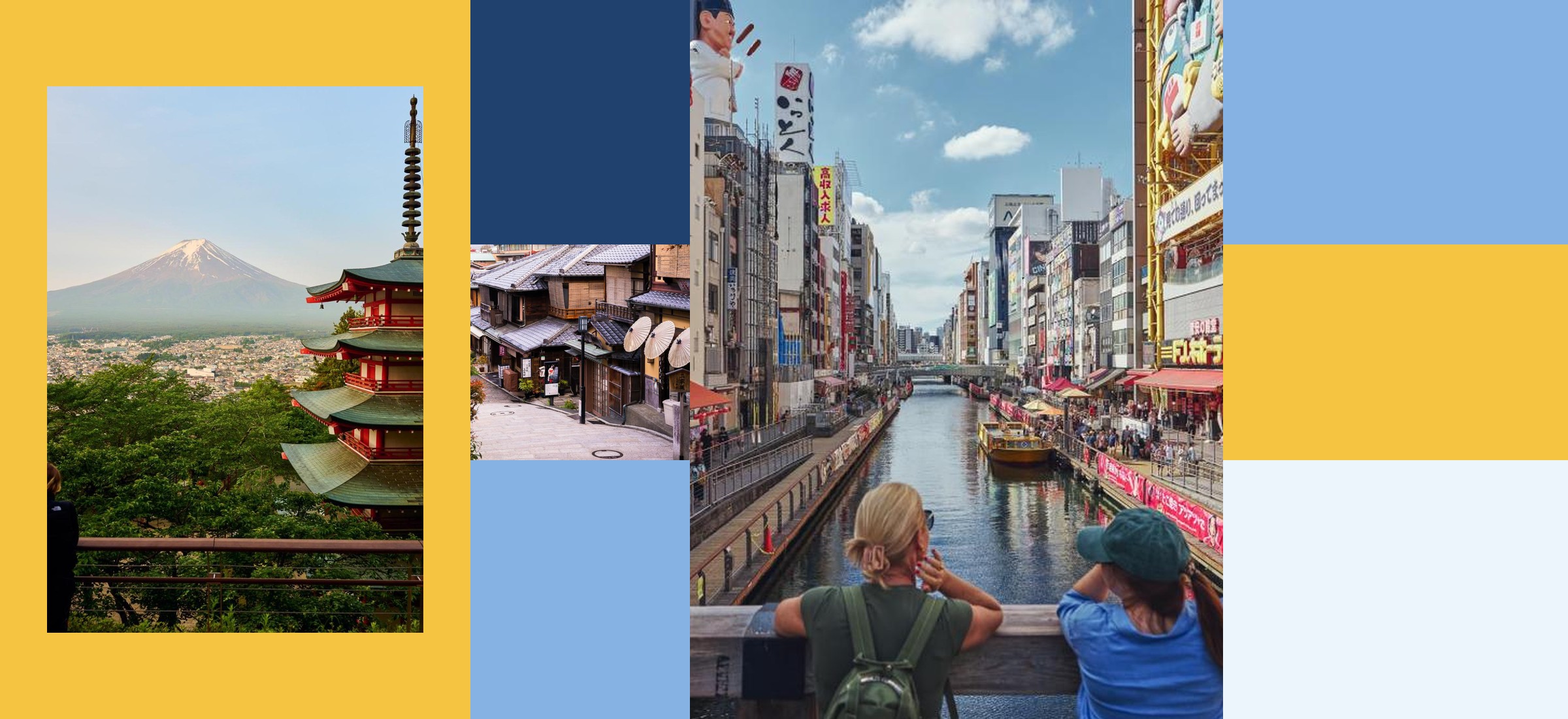
Japan has quietly become the aspirational trip for Indian travellers — the yen is friendlier than it has been in years, direct flights connect Delhi, Mumbai and Bengaluru to Tokyo, and the visa process is far less painful than most people assume. But Japan punishes the unplanned trip: peak seasons sell out months early, the famous rail pass is no longer automatic value, and half the country still runs on cash. This guide covers what to know before you go — and, because stays are the biggest line on a Japan budget after flights, exactly which Booking.com levers bring that line down.
Update log:
27 Aug 2026 — first published. Season, transport, neighbourhood and etiquette guidance cross-read from Booking.com's Japan travel-tips article (published 17 July 2026) and standing Japan travel facts; savings mechanics verified against Booking.com's live Genius and mobile-rate programmes. We re-check on refresh cycles and log changes here.
27 Aug 2026 — first published. Season, transport, neighbourhood and etiquette guidance cross-read from Booking.com's Japan travel-tips article (published 17 July 2026) and standing Japan travel facts; savings mechanics verified against Booking.com's live Genius and mobile-rate programmes. We re-check on refresh cycles and log changes here.
When to Go: Every Season Prices Differently
| Season | What you get | Crowds & prices |
|---|---|---|
| Spring (Mar-May) | Cherry blossoms, mild weather | Peak of peaks — book stays months out; avoid Golden Week (late Apr-early May) |
| Summer (Jun-Aug) | Festivals, hiking in the mountains | Hot and humid but thin crowds — the value window |
| Autumn (Sep-Nov) | Red-and-gold foliage, dry mild days | Peak, but slightly cheaper and calmer than spring |
| Winter (Dec-Feb) | Snow onsens, museums, sales seasons | Shoulder everywhere except ski towns (Niseko, Hakuba), which spike |
The refundable-rate trick: for spring and autumn, book a free-cancellation rate the moment your dates firm up, then re-check prices closer in. If the same room drops, rebook and cancel; if the city sells out — and Kyoto in blossom week does — you are the one holding a room.
Getting Around: The JR Pass Is No Longer a Reflex
The shinkansen remains the way to do Tokyo-Kyoto-Osaka — city centre to city centre in under three hours. But the advice that every tourist should buy the nationwide JR Pass is out of date: the pass was repriced sharply upward in late 2023, and for the standard first-timer loop, buying point-to-point tickets is now often cheaper. Do the arithmetic on your actual route before paying for the pass.
Four more transport notes worth knowing before you land:
- Regional JR passes survived the price logic. If your trip stays in one region — Kansai, say — the regional passes are far cheaper than the countrywide one and cover most local JR lines.
- Get a Suica or PASMO card on day one (or add one to your phone's wallet). Tap-through works on metros, regional trains, buses, vending machines and convenience stores — it is the single biggest friction remover in Japan.
- Domestic flights undercut the bullet train on long hops. Tokyo to Sapporo or Okinawa is flight territory, and low-cost carriers sometimes beat the shinkansen even on Tokyo-Osaka — just budget the hour from central Tokyo out to Narita.
- Driving needs paperwork. Indian licence holders need an International Driving Permit arranged before travel to rent a car. Skip the car for the classic city loop; consider it only for rural Hokkaido or Kyushu.
Where to Stay: Neighbourhood First, Then Filters
Japanese cities are enormous, and the wrong base can cost you an hour each way daily. The neighbourhood shortlist for the big three:
| City | Base for convenience | Base for character |
|---|---|---|
| Tokyo | Shinjuku — entertainment districts, big JR hub | Around Tokyo Station — closer to heritage sights |
| Osaka | Near Namba Station — transit spine of the city | Dotonbori — dining and neon at your doorstep |
| Kyoto | Downtown — central to the main sights | Gion — the historic geisha district experience |
Once the neighbourhood is set, the savings live in the booking mechanics. Sign in before you search — Genius pricing applies 10-20% discounts at participating properties depending on your level, and it unlocks with use, not payment. Compare the app's mobile rates against the desktop price for the same room; they frequently differ. Filter to review score 8+ — Japan's review culture is strict, so an 8 there is a high bar. And budget one night in a ryokan (traditional inn, usually with dinner and breakfast) as the experience splurge; capsule hotels at the other end make solo city nights startlingly cheap.
Money: Japan Still Runs on Cash More Than You Expect
Cards are gaining ground in the big cities, but a large share of restaurants, small shops, shrines and ticket counters remain cash-only. The playbook for Indian travellers: carry yen, and treat convenience-store ATMs — 7-Eleven, Lawson, FamilyMart — as your refill points, since they reliably accept international cards. When paying, place cash on the small tray at the register rather than handing it over; that is the local custom. And a genuinely pleasant fact: Japan has no tipping culture — attempting it mostly causes confusion.
On the card side, a zero-forex-markup credit card is the highest-leverage thing in your wallet: the typical 3-3.5% markup on a standard Indian card compounds across a two-week trip. Pair it with pay-at-property hotel rates where offered, so the card conversion happens once, at settlement. The same card-stacking logic we map for domestic travel in our MakeMyTrip ICICI offer explainer applies doubly abroad.
Etiquette: The Unwritten Rules That Matter
- Escalators: stand left in Tokyo, stand right in Osaka and Kyoto. Locals really do follow it.
- Carry your rubbish. Public bins are rare even in central Tokyo; a small daypack pocket for wrappers is standard practice.
- Keep transport quiet. No phone calls on trains, headphones on, eating saved for the shinkansen (where it is fine — station bento boxes exist for exactly this).
- Onsen rules vary. Most require washing before entering and full nudity; tattoo policies differ by property, so check ahead — some provide cover patches.
- Chopstick taboo: never leave them standing vertically in rice. Slurping noodles, on the other hand, is a compliment.
- Queues are sacred, phones come with both hands when exchanging cards or items, and smoking happens only in designated zones.
The Savings Stack, In Order
- Pick the cheaper peak. Autumn over spring if you want the postcard; summer or non-ski winter if you want the price.
- Book stays signed-in, on refundable rates, early. Genius discount now, price-drop rebooking later.
- Check mobile rates before paying. Same room, app price, routinely lower.
- Skip the nationwide JR Pass unless the maths clears. Point-to-point or a regional pass usually wins now.
- Pay abroad on a zero-forex card, refill cash at konbini ATMs, and never tip.
- Eat the konbini breakfast. Japan's convenience-store food is genuinely good and costs a fraction of hotel breakfasts — it is the most painless daily saving in the country.
- Forward your luggage between hotels instead of dragging suitcases onto trains — the takkyubin services are cheap, next-day and bookable through most hotel front desks.
FAQs
What is the best time to visit Japan from India?
Late March to early April (cherry blossom) and October-November (autumn colour) are the two classic windows, and both are peak season — flights and hotels price up and sell out early. If budget leads the decision, autumn is the smarter peak (slightly cheaper than spring), and winter outside the ski towns is the cheapest window with usable weather. Avoid Golden Week (late April to early May) — it is Japan's own holiday rush.
How many days are enough for a first Japan trip?
Ten days is a sensible minimum for the classic first-timer loop — Tokyo, Kyoto and Osaka with a day trip folded in. Two weeks adds room for Hiroshima or Kanazawa. Shorter than eight days, it is worth dropping a city rather than compressing all three; inter-city travel eats half-days.
Is the JR Pass still worth it for Indian travellers?
Not automatically — the nationwide pass was repriced sharply upward in late 2023, and for the standard Tokyo-Kyoto-Osaka loop, point-to-point shinkansen tickets are now often cheaper than the pass. Do the maths on your exact route before buying, and check regional JR passes if your itinerary stays in one part of the country — those remain far cheaper than the countrywide pass.
Should I carry cash in Japan or will my card work?
Both. Cards are increasingly accepted in the big cities, but a large share of restaurants, shrines, small shops and ticket machines still run on cash. Convenience-store ATMs (7-Eleven, Lawson, FamilyMart) accept international cards and are the reliable withdrawal point. Carry a zero-forex-markup card if you have one, and note that Japan has no tipping culture at all.
How do I get a lower price on Booking.com for Japan hotels?
Stack the platform's own levers: sign in so Genius pricing applies (10-20% at participating properties depending on your level), compare the app's mobile rates against the desktop price, prefer free-cancellation rates for peak windows so you can rebook if prices dip, and where a pay-at-property option exists, pair it with a zero-forex card at checkout. Booked refundable and early is the winning pattern for cherry-blossom season.
Zoutons may earn a commission when you book through links on this page. Season, transport and etiquette guidance reflects standing Japan travel practice and Booking.com's published Japan travel guide as of 27 August 2026; discount programmes (Genius levels, mobile rates) are as documented by Booking.com and vary by property and account. Visa, transport fares and hotel prices change — verify current figures at the point of booking.







 Booking com
  Hostinger
  Dell
Dell  Udemy
Udemy  Agoda
Agoda  Nykaa
Nykaa  Myntra
  Ajio
Ajio