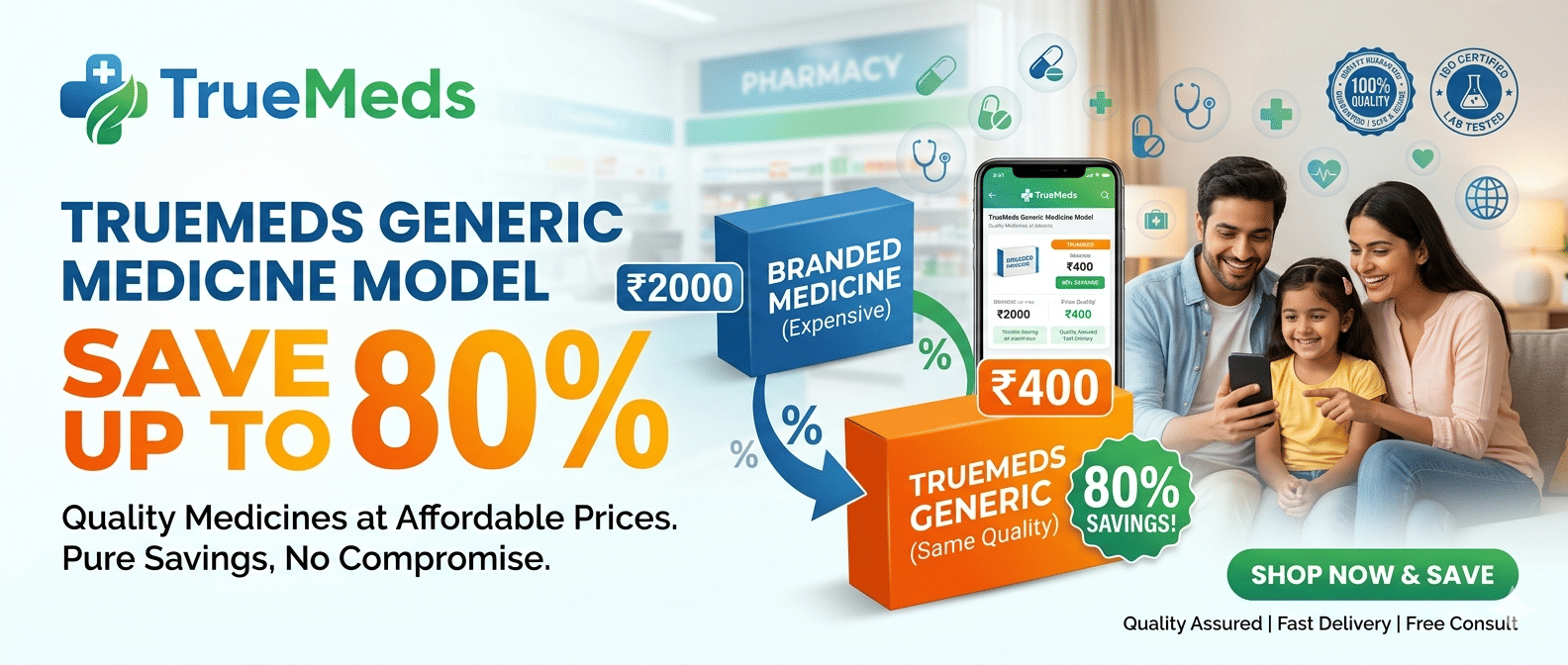
![TrueMeds generic medicine model saves up to 80% on prescriptions in India 2026]()
Every month, millions of Indian families quietly make an impossible choice: skip a dose to save money, or stretch the grocery budget to buy medicine. In India, nearly 70% of total healthcare expenses go towards buying medicines — and for those managing diabetes, hypertension, or thyroid disorders, the bills never stop. What most people don't know is that a cheaper, equally effective alternative to their prescribed medicine almost certainly already exists.
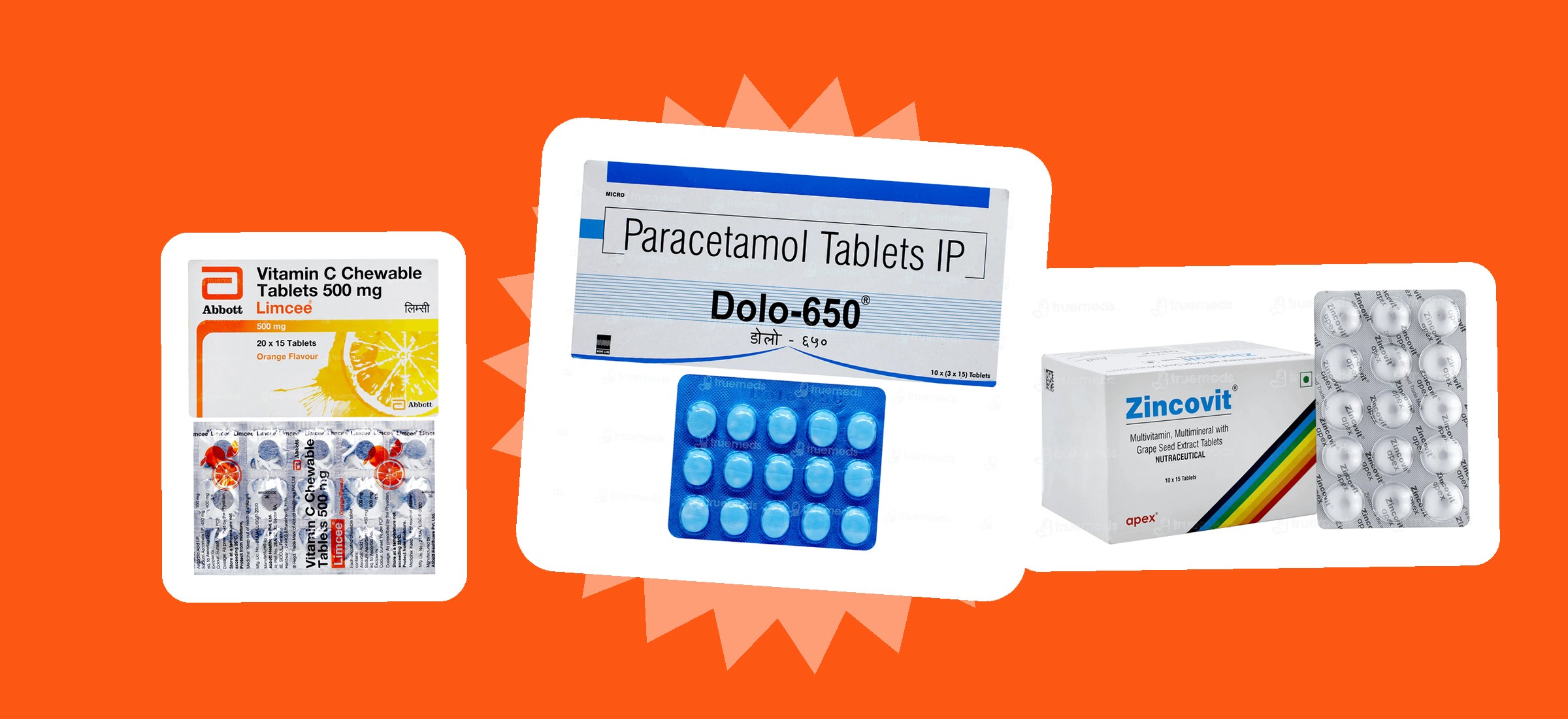
That's exactly what TrueMeds has built a business around. Founded in 2019, TrueMeds is an e-pharmacy platform that uses a proprietary algorithm to find approved generic substitutes for branded medicines — medicines with the same salt composition, dosage, and therapeutic effect, but at a fraction of the price. Their users save up to 51% on average every month, and generic medicines in general can cost 30–80% less than their branded counterparts.
This article breaks down exactly how TrueMeds' model works, what the real price differences look like, and whether it's safe to switch — so you can make an informed decision the next time you pick up a prescription.
51%Average savings on monthly medicine bills with TrueMeds
₹300Cr+Total saved by TrueMeds users across India so far
1Cr+Customers served across 19,000+ pincodes pan-India
What Are Generic Medicines — And Why Are They So Much Cheaper?
A generic medicine is a drug that contains the same active ingredient (salt), in the same dosage and strength, as the original branded medicine. It works in exactly the same way in your body. The key regulatory requirement in India is bioequivalence — meaning the generic must demonstrate it absorbs at the same rate and extent as the branded version, producing identical therapeutic outcomes.
So why does it cost so much less? The branded version of a medicine carries the R&D cost of discovering the molecule, running clinical trials, obtaining patents, and funding years of marketing campaigns to get doctors to prescribe it. Once the patent expires, any manufacturer that meets quality standards can produce the same molecule — without those enormous upfront costs. That saving flows directly to the patient.
In India, this dynamic has an important twist: most "branded" medicines are themselves branded generics — meaning the molecule was never truly patented in India. Companies like Cipla, Sun Pharma, and Dr. Reddy's sell branded versions of off-patent molecules. TrueMeds finds you an equivalent from the same pool of manufacturers, at a lower price point, from the top 1% of CDSCO-approved pharma companies in the country.
🧑💼 Editor's Note: Don't confuse Jan Aushadhi generic medicines (sold at government outlets, sometimes without quality consistency) with TrueMeds' branded generics. TrueMeds sources exclusively from top-tier pharmaceutical manufacturers — these are established brands, not unbranded powder in a plain strip.
How TrueMeds' Proprietary Algorithm Actually Works
TrueMeds' core technology is a substitution algorithm that scans a database of over 2.5 lakh pharmaceutical products. When you upload a prescription or search for a medicine, the algorithm identifies alternatives that match on four parameters: active salt composition, dosage strength, route of administration (tablet, capsule, syrup), and therapeutic category. The goal is maximum savings while maintaining clinical equivalence.
What makes TrueMeds different from simply Googling a cheaper medicine is the mandatory medical consultation baked into every order. Before the order is confirmed, a doctor, pharmacist, or trained health advisor calls the patient to verify clinical appropriateness, explain the substitute, and address any questions. For chronic patients who've been on a specific brand for years, this human touchpoint matters enormously for trust and compliance.
The platform also includes automated refill reminders — a critical feature for chronic care. Skipping doses of blood pressure or diabetes medication can be genuinely dangerous, and TrueMeds' system tracks typical refill cycles and nudges patients before they run out. This isn't just a sales tool; it has a real impact on adherence and long-term health outcomes.
1
Upload your prescription or search for your medicine by name on the TrueMeds app or website.
2
Algorithm suggests alternatives — matched on exact salt, dosage, and strength from 2.5 lakh+ products.
3
Doctor consultation call — a healthcare professional verifies the substitute is appropriate for your condition.
4
Medicines delivered to your doorstep across 19,000+ pincodes. A savings letter is included in every package.
Real Price Differences: Generic vs. Branded Medicines in India
The savings vary significantly by medicine category. For common chronic-care molecules — metformin for diabetes, atorvastatin for cholesterol, amlodipine for blood pressure, and levothyroxine for thyroid — the gap between the most commonly prescribed branded version and a quality generic from the same molecule can be substantial. Below is an approximate comparison based on typical MRP ranges in India as of May 2026.
| Medicine (Salt) | Common Branded Version | Approx. Branded MRP | Approx. Generic / Substitute Price | Savings |
|---|
| Metformin 500mg (Diabetes) | Glycomet 500 | ₹60–80 (strip of 20) | ₹25–40 | ~40–50% |
| Atorvastatin 10mg (Cholesterol) | Atorva 10 / Lipicure 10 | ₹90–120 (strip of 10) | ₹40–55 | ~40–55% |
| Amlodipine 5mg (Blood Pressure) | Amlo 5 / Amlokind 5 | ₹55–75 (strip of 10) | ₹20–35 | ~40–60% |
| Levothyroxine 50mcg (Thyroid) | Thyronorm 50 / Eltroxin 50 | ₹40–65 (strip of 30) | ₹18–30 | ~35–55% |
| Cetirizine 10mg (Allergy) | Cetzine 10 / Alerid 10 | ₹30–50 (strip of 10) | ₹8–18 | ~50–70% |
| Pantoprazole 40mg (Acidity) | Pan 40 / Pantocid 40 | ₹65–90 (strip of 15) | ₹25–40 | ~45–60% |
Multiplied across a full month's supply, and across 2–4 chronic medicines that many patients take simultaneously, the annual savings can run to several thousand rupees per household. In FY 2023–24, TrueMeds reported that its users collectively saved ₹132 crore by switching to substitute medicines — plus an additional ₹83 crore through app offers.
💡
Zoutons Tip: Before your next TrueMeds order, check the latest offers on Zoutons for additional savings on top of what TrueMeds already offers on their platform.
Get TrueMeds Offers on Zoutons →Which Patients Benefit the Most from Generic Medicines?
The economics of generic medicine savings compound over time. A patient who takes one medicine for a short illness for a week sees limited benefit. But a patient managing Type 2 diabetes, hypertension, or hypothyroidism — conditions requiring daily medication indefinitely — sees savings accumulate every single month for years. This is the segment TrueMeds has specifically targeted, and where the model delivers its most powerful impact.
In India, approximately 21% of the elderly population has at least one chronic disease. Over 77 million Indians have diabetes, and nearly 200 million have hypertension. Many of these patients are from Tier 2 and Tier 3 cities — exactly where TrueMeds reports 75%+ of its customer base lives. These are households where medicine affordability is not a convenience issue, it's a treatment adherence issue.
TrueMeds' model has particular relevance for elderly patients on fixed incomes, families where multiple members have chronic conditions, and households in smaller cities with limited access to discounted pharmacy chains. The pan-India delivery to 19,000+ pincodes means a patient in Gorakhpur or Bhavnagar can access the same medicine quality as someone in Mumbai.
Is It Safe? CDSCO Standards, Quality, and What You Should Know
The most common concern with switching to a generic medicine is: "Is it really as effective?" The regulatory answer is yes — provided the generic is CDSCO-approved and manufactured in a GMP-compliant (Good Manufacturing Practice) facility. CDSCO requires every approved generic medicine to demonstrate bioequivalence to the original — meaning it must show the same absorption rate, peak concentration, and therapeutic window.
TrueMeds takes this a step further by restricting its sourcing to the top 1% of pharmaceutical manufacturers in India. These are established companies that already supply medicines to branded players and export to regulated markets. Every medicine on the platform is CDSCO-approved, doctor-verified, and comes with pharmacist oversight during the consultation call.
One area to be aware of: for medicines with a narrow therapeutic index — such as anti-epileptics (phenytoin, valproate) or anti-coagulants (warfarin) — minor formulation differences can theoretically matter more. For these specific classes, always consult your doctor before switching. For the vast majority of chronic medicines — metformin, atorvastatin, amlodipine, levothyroxine, omeprazole — the switch is clinically well-supported.
💡
Zoutons Tip: TrueMeds' doctor consultation is free with every order — use it to ask any question about your substitute medicine before you accept the order. You can also decline the substitute and order your original brand if you prefer.
Browse Current TrueMeds Deals →TrueMeds vs. Other Online Pharmacies — What's Different?
India's online pharmacy market is crowded — 1mg, PharmEasy, Netmeds, and Apollo Pharmacy all offer home delivery with discounts. Where TrueMeds specifically differentiates is in its active substitution model. Most platforms let you order the medicine your doctor prescribed, sometimes with a small discount. TrueMeds' entire product is built around identifying a clinically equivalent but cheaper alternative — and providing medical backing for that switch.
The mandatory consultation call is a meaningful differentiator in a market where trust in generics remains low. 1mg and PharmEasy offer generics, but the patient typically has to identify and select a substitute themselves. TrueMeds' algorithm plus doctor call takes the research burden off the patient entirely. The company estimates an average 47% savings per order for users who switch brands.
✅ Why TrueMeds Works Well
- Saves an average of 47–51% on monthly medicine bills
- Free doctor consultation with every order
- Sources from Top 1% CDSCO-approved manufacturers
- Pan-India delivery to 19,000+ pincodes
- Chronic care reminders improve adherence
- ₹300Cr+ saved for 1 Crore+ patients
⚠️ Limitations to Know
- Not all medicines have generic substitutes
- Narrow therapeutic index drugs need extra caution
- Consultation call may feel like an extra step
- App/web interface may be unfamiliar for elderly patients
- Delivery times vary in very remote pincodes
🏆 Our Verdict
For anyone managing a chronic condition in India — diabetes, hypertension, thyroid, heart disease — TrueMeds' generic substitution model is genuinely worth trying. The savings are real, the quality standards are high, the consultation model adds a layer of trust, and the reach is national. The average patient saves nearly ₹500–₹2,000 per month depending on their medicine regimen. If your doctor's prescription can be matched with a same-salt generic from a reputed manufacturer, there is little clinical reason not to explore the switch.
Frequently Asked Questions
Is TrueMeds safe to use, and are its generic medicines of good quality?
Yes. TrueMeds sources medicines exclusively from CDSCO-approved manufacturers in the top 1% of India's pharmaceutical industry — the same companies that supply to branded players and export to regulated global markets. Every order includes a pharmacist or doctor consultation. The platform has served 1 crore+ patients and has a 4.5+ star rating on the Play Store with over 2 lakh reviews.
How much can I realistically save on TrueMeds every month?
According to TrueMeds, users who switch to suggested substitutes save an average of 47% on their monthly medicine bills, with savings up to 51%. A patient on two or three chronic medicines could save ₹400–₹2,000 per month. In FY 2023–24, TrueMeds users collectively saved ₹132 crore by switching to substitutes.
Can I switch from a branded medicine to a generic one without asking my doctor first?
For most common chronic medicines — metformin, atorvastatin, amlodipine, levothyroxine, pantoprazole — switching to a bioequivalent generic is generally considered safe. TrueMeds' mandatory consultation call provides healthcare professional verification. For narrow therapeutic index drugs (anti-epileptics, anti-coagulants), always consult your prescribing doctor first.
Does generic medicine work the same way as branded medicine?
Yes. All CDSCO-approved generic medicines must demonstrate bioequivalence to the original branded medicine — meaning they absorb at the same rate and deliver the same therapeutic effect. The active ingredient, dosage, and strength are identical. Only non-therapeutic factors like colour or packaging may differ.
Does TrueMeds deliver to Tier 2 and Tier 3 cities in India?
Yes. TrueMeds delivers to 19,000+ pincodes across India. Over 75% of its customer base is from Tier 2 and Tier 3 cities. The platform was specifically designed to address the lack of access to affordable generic alternatives in smaller cities and semi-urban areas.
How does TrueMeds find the right generic alternative for my prescription?
TrueMeds uses a proprietary algorithm that scans 2.5 lakh+ pharmaceutical products. It matches alternatives on active salt composition, dosage, strength, route of administration, and therapeutic equivalence. Every suggestion is validated by a doctor or pharmacist via a consultation call before the order is confirmed.
Prices listed are indicative and may vary at the time of purchase. This article is for informational purposes only and does not constitute medical advice. Always consult a qualified healthcare professional before switching or stopping any medication. Zoutons may earn a commission from affiliate links in this article.
_1767166944.jpg?tr=w-80,h-80,c-force)






 Booking com
  Hostinger
  Dell
Dell  Udemy
Udemy  Agoda
Agoda  Nykaa
Nykaa  Myntra
  Ajio
Ajio