GeeksForGeeks Premium Review 2026: Best Courses for Placements
You've got campus placements coming up in six months, you know GFG is the gold standard for placement prep — and yet you're stuck staring at 80+ courses on their site, no clue which ones are actually worth your money or your time. Every course page says "industry-relevant" and "placement-focused" and "lifetime access," and after ten minutes of reading you're more confused than when you started.
GeeksForGeeks has quietly become the most-used coding prep platform among Indian engineering students, and for good reason — their content is genuinely rigorous, their problem sets are aligned with real interview patterns, and their instructors have been in the trenches. But not every course is equal, and buying the wrong one means wasted hours on content that doesn't match your current skill level or target companies.
This review covers 14 GFG Premium courses across DSA, System Design, Full Stack, ML, and core CS subjects — with honest ratings on what's included, who each course actually suits, and pricing after the Zoutons coupon code. Use code ZOUTONS50 at checkout for 50% off any course or bundle.

- DSA Self Paced Course — ₹2,499 (after coupon)
- System Design Course — ₹1,999
- Full Stack Development (MERN) — ₹4,999
- Data Science & ML with Python — ₹2,999
- Java Backend Development — ₹2,249
- Python Foundation — ₹999
- Competitive Programming — ₹1,749
- DBMS Complete Course — ₹1,249
- Operating Systems — ₹1,249
- Computer Networks — ₹1,249
- JavaScript Complete Course — ₹1,499
- C++ & STL Complete — ₹1,249
- SDE Interview Preparation — ₹2,999
- React.js Frontend Development — ₹1,999
 01
⭐ Best Overall
01
⭐ Best Overall
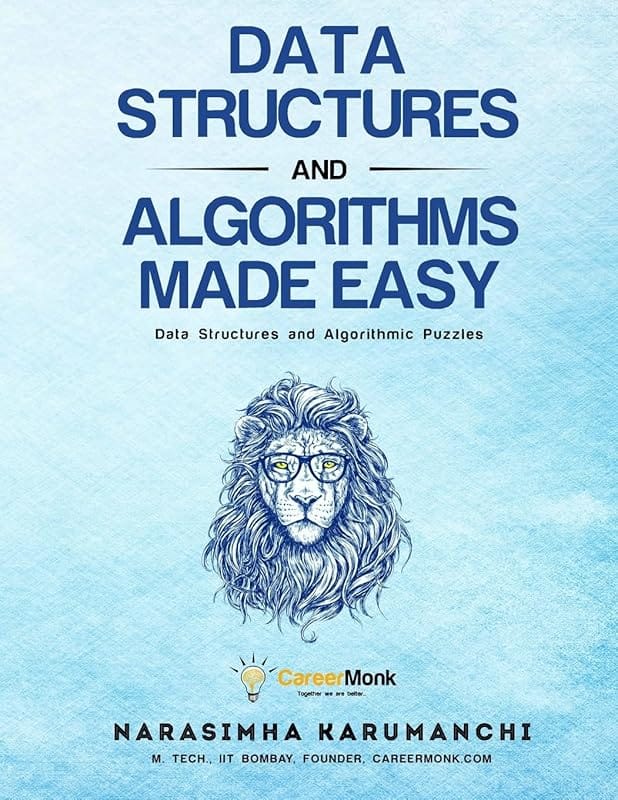
DSA Self Paced Course — GFG's Flagship Placement Prep
"The single best GFG course to buy if you're preparing for product companies — nothing else covers arrays to graphs with the same depth and problem variety."
GFG's most popular offering, this self-paced DSA course takes you from time complexity basics all the way to advanced graph algorithms and dynamic programming. With 200+ video lectures and 300+ practice problems mapped to real interview questions from Amazon, Microsoft, and Flipkart, it's the closest thing to a structured placement curriculum you'll find. The problem difficulty is calibrated well — you won't feel bored at the start or lost midway.
 02
🔥 Top Rated
02
🔥 Top Rated
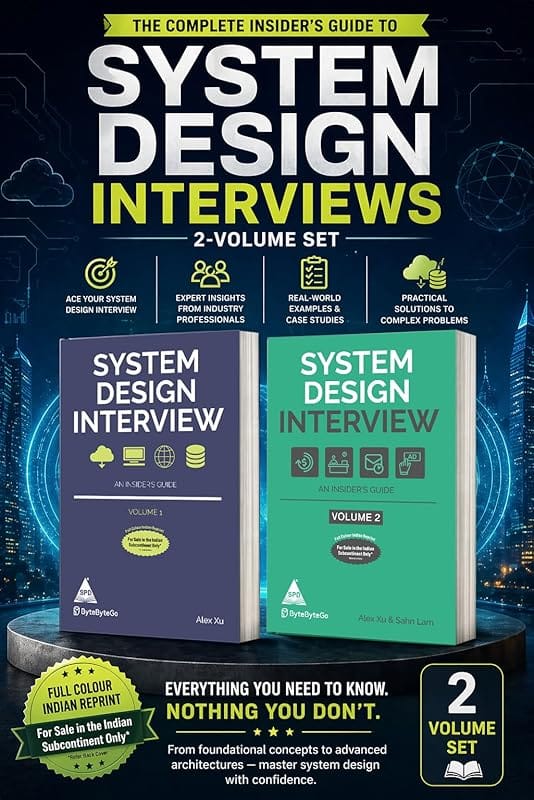
System Design Course — For Senior & SDE-2 Interviews
"If you're targeting SDE-2 roles or want to crack the design round at Uber, Swiggy, or Google India, this course is structured better than anything else at this price point."
System Design is the round that separates average candidates from strong hires at product companies, and GFG's course on it is genuinely well-structured. It covers scalability fundamentals, database sharding, load balancing, caching (Redis, Memcached), message queues, and real-world case studies like designing WhatsApp, Instagram, and Netflix. The instructor explains trade-offs, not just patterns — which is exactly what interviewers want to hear.
 03
💎 Premium Pick
03
💎 Premium Pick
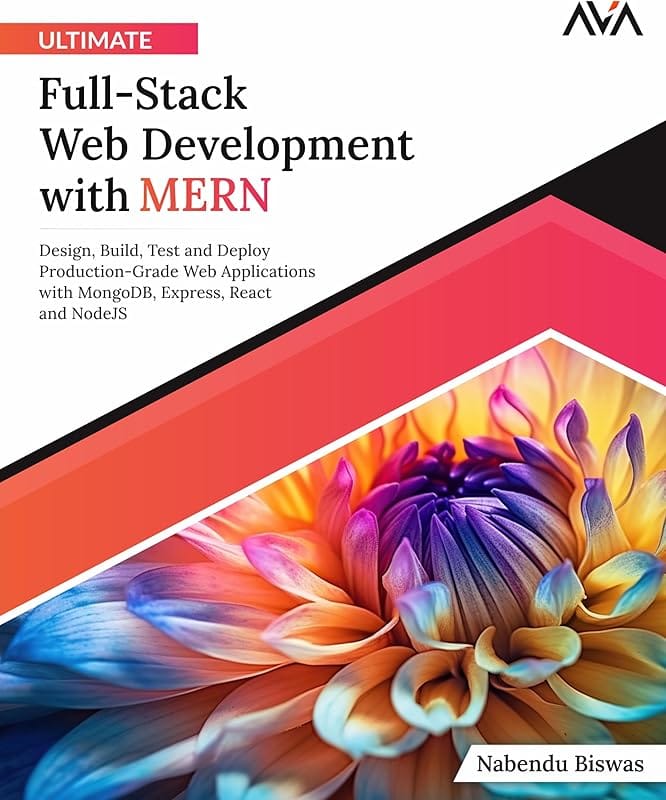
Full Stack Development (MERN) — Job-Ready in 6 Months
"The most comprehensive MERN stack course GFG offers — it covers React hooks, Node.js REST APIs, MongoDB Atlas, and deployment, which is the exact stack most Indian startups hire for."
GFG's Full Stack course targets students who want to land a frontend or full-stack role at a startup or mid-size product company. It covers HTML/CSS foundations, JavaScript ES6+, React.js with hooks and Redux, Node.js, Express, MongoDB, and deployment on Heroku/Vercel. The course includes three guided projects — an e-commerce app, a task manager, and a blog platform — that you can showcase in your resume.
 04
✏️ Editor's Pick
04
✏️ Editor's Pick
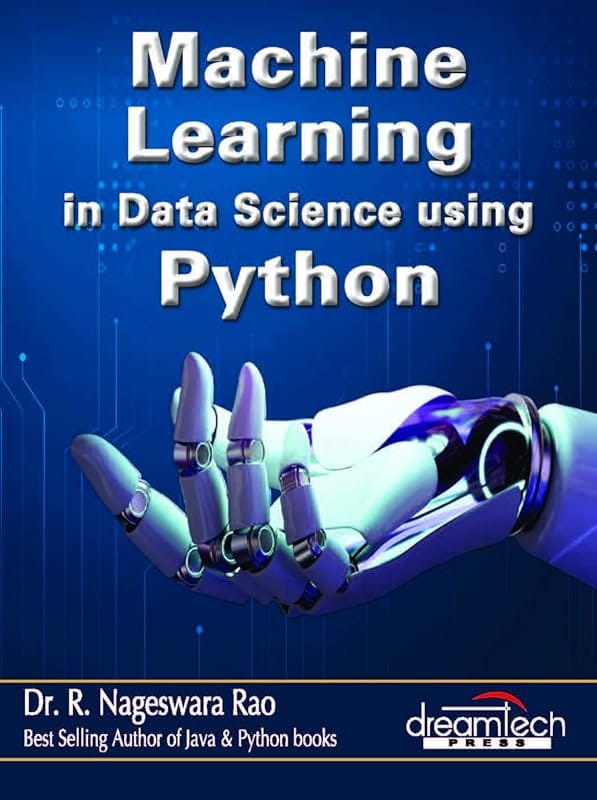
Data Science & ML with Python — Analytics to Deep Learning
"Covers Pandas, Scikit-learn, and TensorFlow in a single course — surprisingly rare at this price, and the ML project walkthroughs are genuinely interview-ready."
This GFG course is built for students targeting data analyst, ML engineer, or AI researcher roles. It starts with Python for data analysis (NumPy, Pandas, Matplotlib), moves into classical ML algorithms (linear regression, random forests, SVM), then covers deep learning with TensorFlow/Keras and NLP basics. The capstone project involves building a real sentiment analysis model — good portfolio material for analytics or data science interviews.
 05
🔥 Top Rated
05
🔥 Top Rated
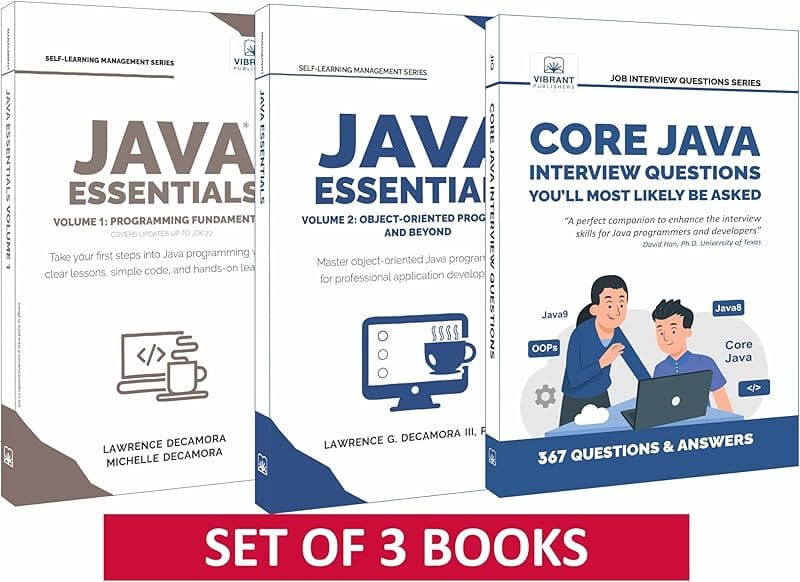
Java Backend Development — Spring Boot & Microservices
"Java backend roles still dominate Indian IT hiring, and this GFG course covers Spring Boot at the exact depth that service-based companies test in interviews."
GFG's Java backend course is designed for students targeting backend developer roles at service companies like TCS, Infosys, Wipro, and mid-size product firms. It covers Core Java (OOP, collections, multithreading), JDBC, Spring Framework, Spring Boot, REST API design, Hibernate/JPA, and microservices architecture. The content is structured around what Java interviewers actually ask — not just theory.
 06
💰 Budget Pick
06
💰 Budget Pick
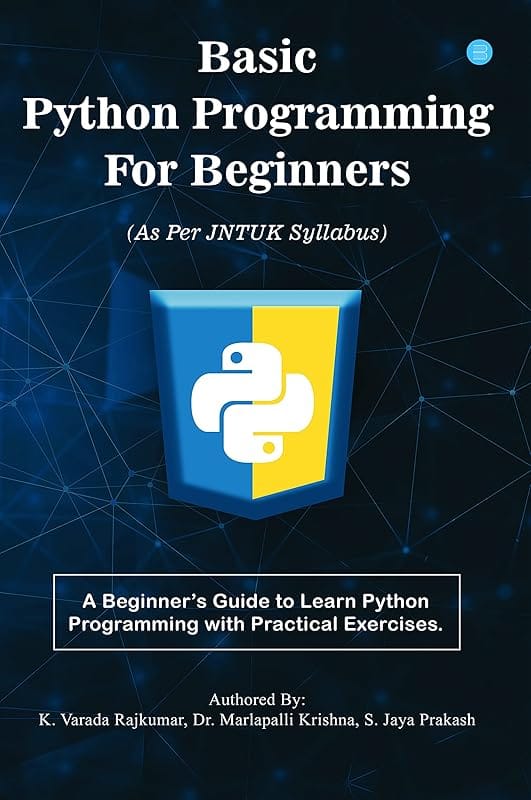
Python Foundation Course — Zero to Interview-Ready
"The cheapest GFG course worth buying — excellent for 1st and 2nd year students who want to build a Python foundation before moving to DSA or ML."
GFG's Python Foundation course is ideal for students with zero programming background or those transitioning from C to Python. It covers Python syntax, data types, control flow, functions, OOP, file handling, and exception handling — all with hands-on coding exercises. It's not deep enough for ML or backend roles on its own, but it's the cleanest Python onboarding course available at this price point in India.
 07
🏆 CP Track
07
🏆 CP Track
Competitive Programming Course — Crack Coding Rounds
"If FAANG-level online assessments are your target, this course builds exactly the speed and pattern recognition you need — it's a notch harder than the DSA course by design."
GFG's Competitive Programming course is for students targeting elite product companies where online assessments are demanding — think Google, Atlassian, or Directi. It covers advanced topics like segment trees, Fenwick trees, network flow, number theory, and string algorithms (KMP, Z-function, Aho-Corasick). The course assumes solid DSA knowledge; complete the DSA Self Paced course before starting this one.
 08
📚 CS Core
08
📚 CS Core
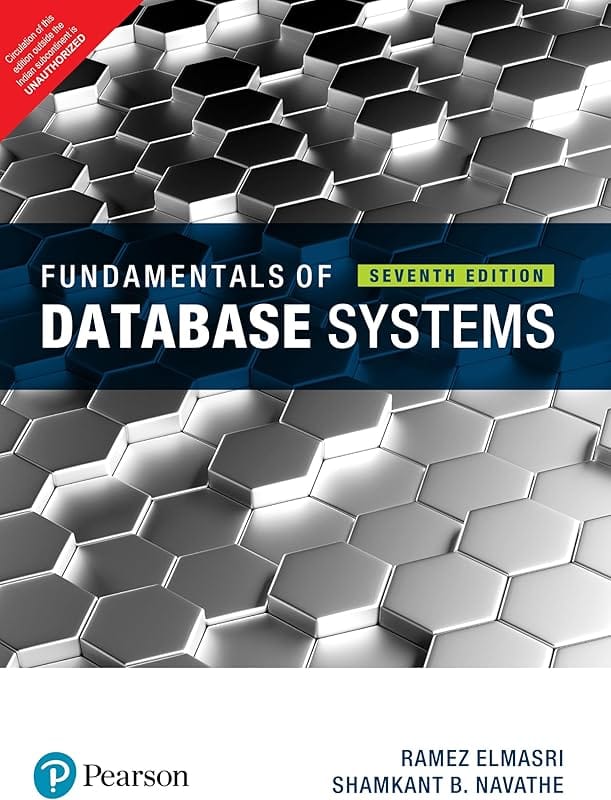
DBMS Complete Course — SQL, Normalization & Transactions
"DBMS is asked in every service-company technical interview and most product companies too — this GFG course covers it more thoroughly than any standard textbook."
GFG's DBMS course is the go-to resource for students preparing for TCS NQT, Infosys InfyTQ, and campus placements at service companies. It covers relational models, ER diagrams, SQL queries (joins, subqueries, window functions), normalization (1NF to BCNF), transactions, ACID properties, concurrency control, indexing, and NoSQL databases. Each topic ends with gate-level MCQs and interview questions.
 09
📚 CS Core
09
📚 CS Core
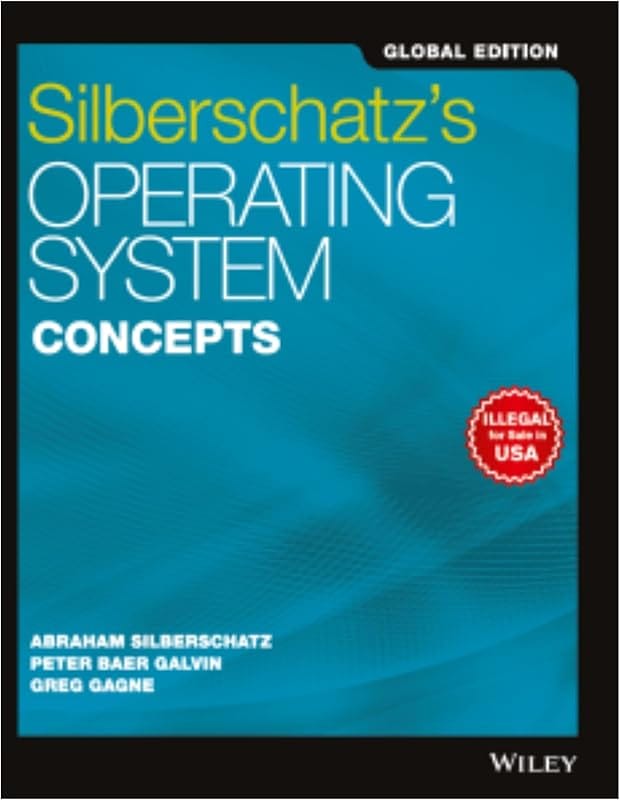
Operating Systems Course — Processes, Memory & Scheduling
"OS concepts are brutally tricky to self-study — GFG's course breaks down deadlock detection and virtual memory in a way that actually sticks for interviews."
GFG's Operating Systems course covers all the OS topics that show up in both placement interviews and GATE. You get thorough coverage of process management, CPU scheduling algorithms (FCFS, SJF, Round Robin), memory management (paging, segmentation, virtual memory), deadlocks (Banker's algorithm), and file systems. Each module includes numerical problems — the kind that appear in TCS Ninja, AMCAT, and GATE exams.
 10
📚 CS Core
10
📚 CS Core
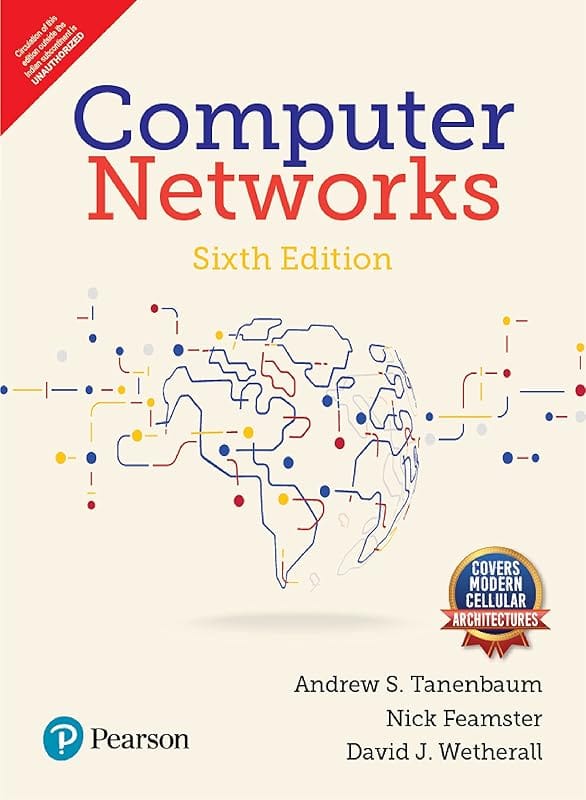
Computer Networks Course — TCP/IP, HTTP & DNS Demystified
"CN questions are easy marks in placement exams if you prepare right — this GFG course is detailed enough for GATE and practical enough for system design interviews."
GFG's Computer Networks course covers the OSI and TCP/IP models, IP addressing and subnetting, routing protocols (RIP, OSPF, BGP), transport layer (TCP vs UDP), application layer protocols (HTTP, HTTPS, DNS, SMTP), and network security basics. The course explains concepts with Wireshark packet traces and real-world analogies that make abstract protocol behaviour click immediately.
 11
🌐 Web Dev
11
🌐 Web Dev
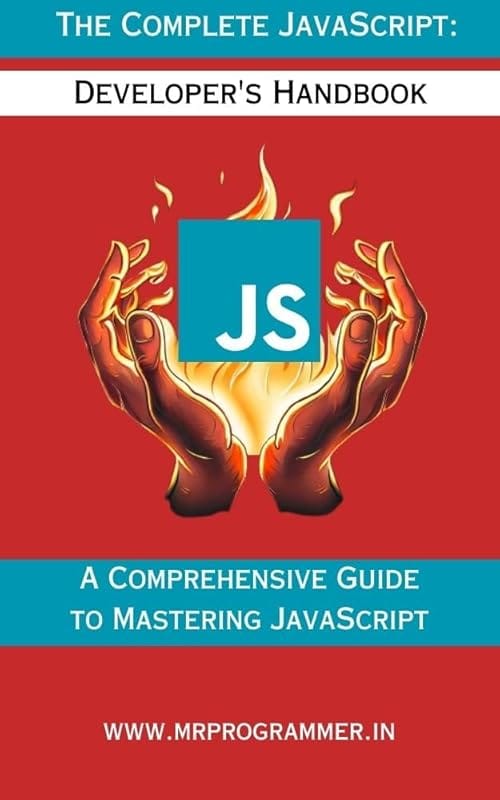
JavaScript Complete Course — ES6 to Async & DOM Mastery
"GFG's JS course is the most practical one I've seen at under ₹2,000 — it actually explains closures, event loops, and promises in a way that makes frontend interviews feel manageable."
GFG's JavaScript Complete Course covers modern JS from the ground up — variables and types, functions, closures, prototypes, ES6+ features (arrow functions, destructuring, spread/rest, modules), async/await, Promises, the event loop, DOM manipulation, and browser APIs. It's designed for students who want to ace JavaScript interview questions at product-focused startups or prepare before jumping into React.
 12
⚙️ Language
12
⚙️ Language
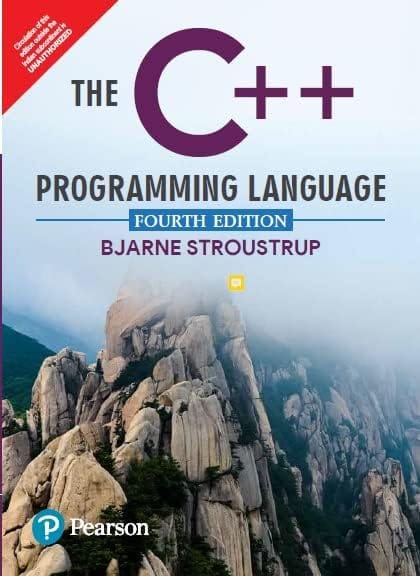
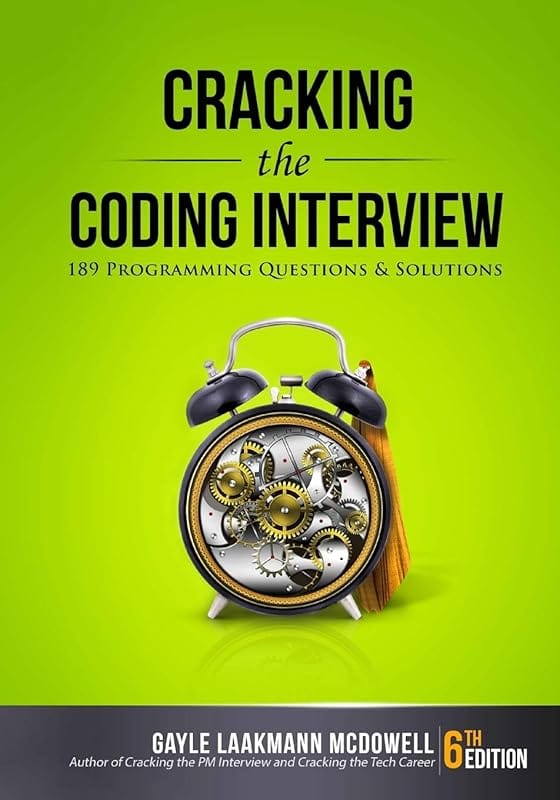
C++ & STL Complete Course — Power Up Your DSA Coding
"Most DSA students use C++ but don't actually know STL well — this course teaches you to write faster, cleaner solutions and shave crucial minutes off coding round time."
GFG's C++ & STL course is the practical companion to their DSA course for students who code in C++. It covers C++ fundamentals (pointers, references, RAII), OOP in C++, the entire STL library (vector, map, set, priority_queue, deque, unordered_map), iterators, algorithm library functions, and competitive programming tricks. Understanding STL deeply separates average and strong C++ DSA performers in timed coding rounds.
 13
✏️ Editor's Pick
13
✏️ Editor's Pick
SDE Interview Preparation — All Rounds in One Course
"The most efficient course for 6th semester students with limited time — it covers DSA, CS fundamentals, behavioural, and HR rounds in a structured 8-week plan."
GFG's SDE Interview Preparation course is designed for final-year students who need comprehensive coverage fast. It bundles DSA revision, OS + DBMS + CN quick-prep modules, system design fundamentals, object-oriented design principles, and mock interview sessions. The structured 8-week study plan with daily targets makes it easy to follow even while attending college. This is the course to buy if you're 2-3 months from placement season.
 14
🌐 Web Dev
14
🌐 Web Dev
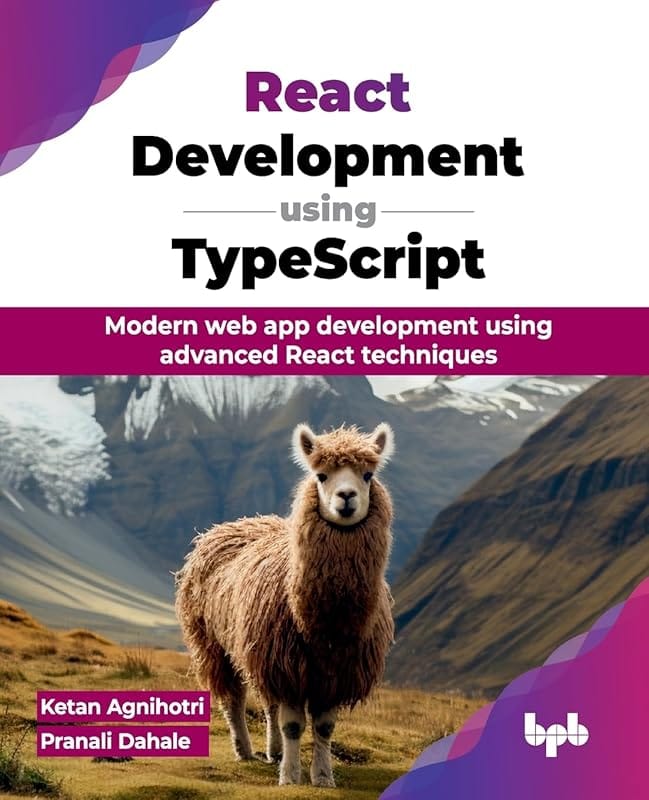
React.js Frontend Development — Hooks, Redux & Projects
"React skills translate directly to startup job offers — GFG's React course is project-heavy in the right way, building things you'd actually use as portfolio pieces."
GFG's React.js course targets students aiming for frontend developer or full-stack roles. It covers React fundamentals (JSX, components, props, state), hooks (useState, useEffect, useContext, useReducer, custom hooks), React Router, Redux Toolkit, API integration with Axios, and performance optimization techniques. The course culminates in two full projects — a task management app and an e-commerce product page — that are interview-discussion ready.
GFG Courses Compared — Quick Reference Table
| Course | Price (with coupon) | Duration | Best For |
|---|---|---|---|
| DSA Self Paced | ₹2,499 | ~120 hrs | Product company interviews (Amazon, Flipkart) |
| System Design | ₹1,999 | ~60 hrs | SDE-2, senior roles, design rounds |
| Full Stack MERN | ₹4,999 | ~200 hrs | Full-stack / startup developer roles |
| Data Science & ML | ₹2,999 | ~150 hrs | Data analyst / ML engineer roles |
| Java Backend | ₹2,249 | ~130 hrs | Service companies (TCS, Infosys, Wipro) |
| Python Foundation | ₹999 | ~40 hrs | 1st/2nd year Python beginners |
| Competitive Programming | ₹1,749 | ~80 hrs | FAANG online assessments |
| DBMS Complete | ₹1,249 | ~55 hrs | Campus placements, GATE |
| Operating Systems | ₹1,249 | ~50 hrs | Campus placements, GATE |
| Computer Networks | ₹1,249 | ~45 hrs | Campus placements, GATE |
| JavaScript Complete | ₹1,499 | ~65 hrs | Frontend / full-stack JS roles |
| C++ & STL | ₹1,249 | ~50 hrs | C++ DSA coding round speedup |
| SDE Interview Prep | ₹2,999 | ~100 hrs | Final year, 2-3 months to placements |
| React.js Frontend | ₹1,999 | ~80 hrs | Frontend developer / startup roles |
GeeksForGeeks Premium FAQ

Trending
 Flipkart Big Billion Days 2026 Is Live: General Access Open October 9
  Myntra Sale Calendar 2026: Big Fashion Festival Live Now, Winter EORS Dates
  Amazon Upcoming Sale Calendar 2026: Next Sale Dates India, GIF & More
  Nykaa Sale Calendar 2026: Diwali Dhamaka & Pink Friday Dates, Next Sale
  Udemy Upcoming Sale 2026: Next Sale Dates, Black Friday & Coupons
  Amazon Great Indian Festival Kitchen Offers October 2026: Air Fryers, Mixers
 More From GeeksforGeeks






 Booking com
  Hostinger
  Dell
Dell  Udemy
Udemy  Agoda
Agoda  Nykaa
Nykaa  Myntra
  Ajio
Ajio