Best IndiGo Monsoon Flight Deals July 2026: Cheapest Routes From Rs. 1,499

Monsoon season is when Indian domestic airfares drop to their lowest levels of the year, and IndiGo -- which operates roughly 57% of all domestic flights -- becomes the single best source of sub-Rs. 2,000 tickets to destinations that cost Rs. 4,000-6,000 during peak winter and summer months. July 2026 is particularly attractive because the airline has expanded its monsoon fare sale to cover 10 additional tier-2 routes that were not included in previous years, and base fares on high-demand leisure corridors like Delhi-Goa and Bangalore-Kochi have been slashed to Rs. 1,499 and Rs. 1,799 respectively -- prices that barely cover the airport development fee and fuel surcharge during peak season.
The catch with monsoon fares is timing. These prices are available for travel between 1 July and 31 August 2026, but the booking window matters enormously: the same Delhi-Goa route that costs Rs. 1,499 when booked 21-30 days in advance can jump to Rs. 3,200 for bookings made within 7 days of departure. IndiGo uses dynamic pricing that adjusts fares every 4-6 hours based on seat fill rates, and monsoon routes fill slower than winter routes, which is exactly why the base fares are lower. The optimal booking window is 15-25 days before travel for most routes, and Tuesday-Wednesday departures consistently show the lowest fares across all 10 routes covered in this guide.
This guide breaks down 10 cheapest IndiGo domestic routes for July 2026, with verified starting fares, flight durations, destination highlights during monsoon, and practical tips for booking. Before booking any route, check the Zoutons IndiGo coupon page for active promo codes -- IndiGo releases monsoon-specific discount codes that knock off Rs. 500-800 on top of the already reduced base fares.
- Delhi to Goa -- Rs. 1,499 Cheapest
- Delhi to Srinagar -- Rs. 2,199 Monsoon Pick
- Mumbai to Goa -- Rs. 1,599 Cheapest
- Bangalore to Kochi -- Rs. 1,799 Best Value
- Delhi to Leh -- Rs. 3,499 Adventure
- Delhi to Udaipur -- Rs. 1,899 Best Value
- Kolkata to Port Blair -- Rs. 2,999 Beach Pick
- Delhi to Dehradun -- Rs. 1,699 Quick Getaway
- Bangalore to Goa -- Rs. 1,899 Weekend Trip
- Delhi to Varanasi -- Rs. 1,599 Heritage
 01
Cheapest
01
Cheapest
Delhi to Goa (DEL-GOI)
India's most popular leisure route at its absolute lowest fare -- monsoon Goa is uncrowded, green, and dramatically cheaper than the December-January peak
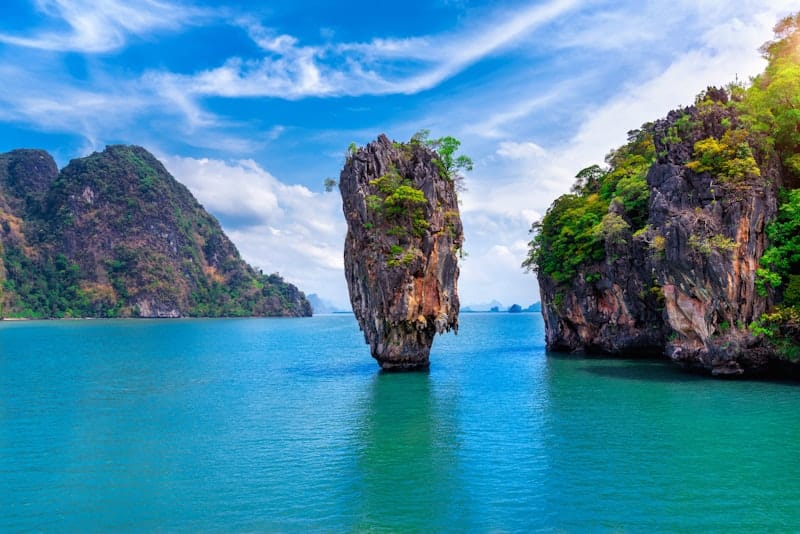
The Delhi-Goa corridor is IndiGo's highest-volume leisure route, and July monsoon fares start at Rs. 1,499 one-way -- roughly 60-70% lower than peak-season pricing of Rs. 4,500-6,000. IndiGo operates 5-6 daily non-stop flights on this route with a flight duration of approximately 2 hours 30 minutes. Monsoon Goa is a fundamentally different experience from winter Goa: the beaches are largely empty, the Western Ghats backdrop turns lush green, Dudhsagar Falls is at full flow, and shack prices for food and drinks drop by 40-50%. Hotels that charge Rs. 8,000-12,000 per night in December are available for Rs. 2,000-3,500 in July. The combination of cheap flights plus cheap accommodation makes this the single most affordable leisure trip available in India during monsoon. Rain is intermittent rather than continuous -- expect 2-3 heavy showers per day with sunny intervals between them, which is ideal for exploring Old Goa churches, spice plantations, and South Goa's quieter beaches.
 02
Monsoon Pick
02
Monsoon Pick
Delhi to Srinagar (DEL-SXR)
Kashmir in July is peak bloom season with comfortable 20-28 degree temperatures -- the valley at its most photogenic before the autumn tourist rush begins
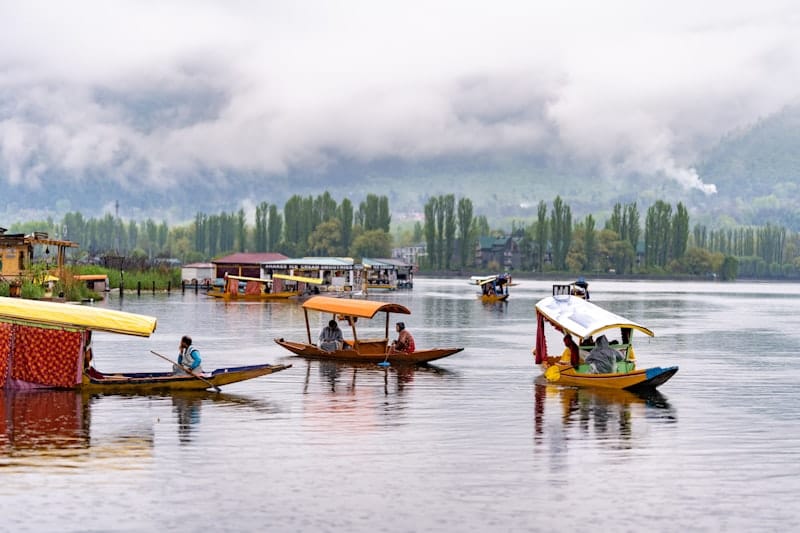
Delhi-Srinagar is one of the few routes where monsoon actually improves the destination rather than complicating it. July temperatures in Srinagar average 20-28 degrees Celsius -- pleasant shorts-and-t-shirt weather while Delhi bakes at 40-plus. IndiGo offers 3-4 daily non-stop flights with a flight time of approximately 1 hour 45 minutes, and monsoon fares start at Rs. 2,199 compared to Rs. 4,000-5,500 during the April-June peak. The Mughal Gardens (Shalimar, Nishat, Chashme Shahi) are in full bloom during July with roses, dahlias, and lotus covering every terrace. Dal Lake houseboats are available at Rs. 1,500-3,000 per night versus Rs. 5,000-8,000 in peak season. Light rain adds atmosphere rather than disruption -- Srinagar receives less monsoon rainfall than most Indian plains cities, and showers are typically brief afternoon events. The Pahalgam and Gulmarg day trips are equally accessible, with green meadows replacing the brown grass of summer.
 03
Cheapest
03
Cheapest
Mumbai to Goa (BOM-GOI)
The shortest flight route to India's beach capital -- under 1 hour in the air, making it viable as a monsoon weekend trip even with a Friday evening departure
Mumbai to Goa is a 55-minute flight that competes directly with the Konkan Railway route (10-12 hours) and road trips (9-10 hours). At Rs. 1,599 one-way during monsoon, the flight costs only Rs. 400-600 more than a Konkan Railway AC chair car ticket but saves you an entire day of travel in each direction. IndiGo operates 4-5 daily departures on this route, including early morning (6:30 AM) and late evening (9:30 PM) slots that are ideal for weekend trips -- fly out Friday evening, return Sunday night, lose zero working hours. The Mumbai-Goa corridor sees particularly heavy monsoon rainfall on both ends, but the flight cruises above the cloud layer, and IndiGo's on-time performance on this short hop consistently exceeds 85% even during July-August. Goa from Mumbai is also the cheapest total trip cost in India when you factor in Rs. 1,599 flight plus Rs. 2,000 hotel plus Rs. 1,500 food for two days -- a complete monsoon weekend for under Rs. 8,000 per person.
 04
Best Value
04
Best Value
Bangalore to Kochi (BLR-COK)
Gateway to Kerala's monsoon magic -- Ayurvedic retreats are 50% cheaper in July, and the backwaters are at their most scenic when the rain feeds every canal and lake
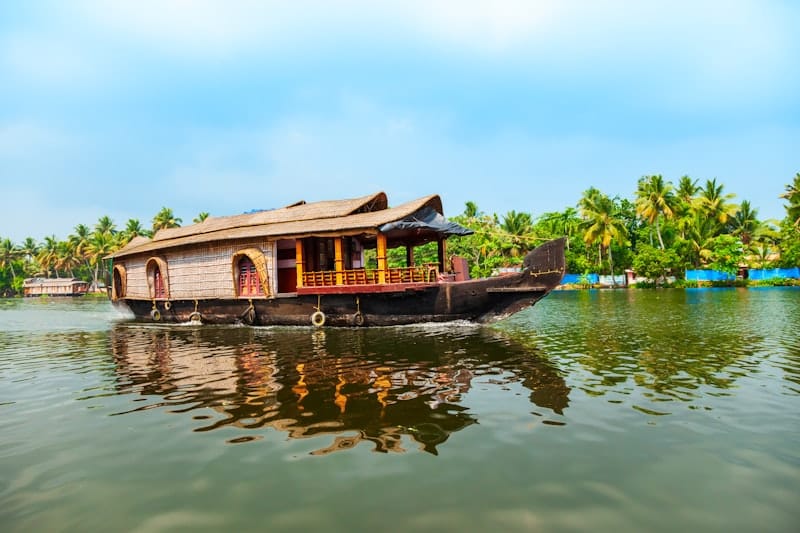
Bangalore to Kochi is a 1-hour flight that opens up the entire Kerala monsoon experience. At Rs. 1,799 one-way, this is the best-value gateway to Ayurvedic retreats, houseboat stays, and Kerala's legendary monsoon cuisine. July is officially the Karkidakam month in the Malayalam calendar, which is traditionally the season for Ayurvedic rejuvenation treatments. Premium Ayurvedic resorts in Kumarakom and Alleppey that charge Rs. 15,000-25,000 per night during winter drop to Rs. 6,000-10,000 in July, and many include complimentary monsoon treatment packages. The Kerala backwaters are at their fullest during monsoon -- water levels rise, connecting smaller canals that are inaccessible during drier months, and the surrounding paddy fields turn an intense emerald green that photographs beautifully from a houseboat deck. Kochi itself offers Fort Kochi's colonial architecture, fresh seafood markets, and the Chinese fishing nets -- all best explored during the cooler, cloudy monsoon days rather than the humid March-May summer.
 05
Adventure
05
Adventure
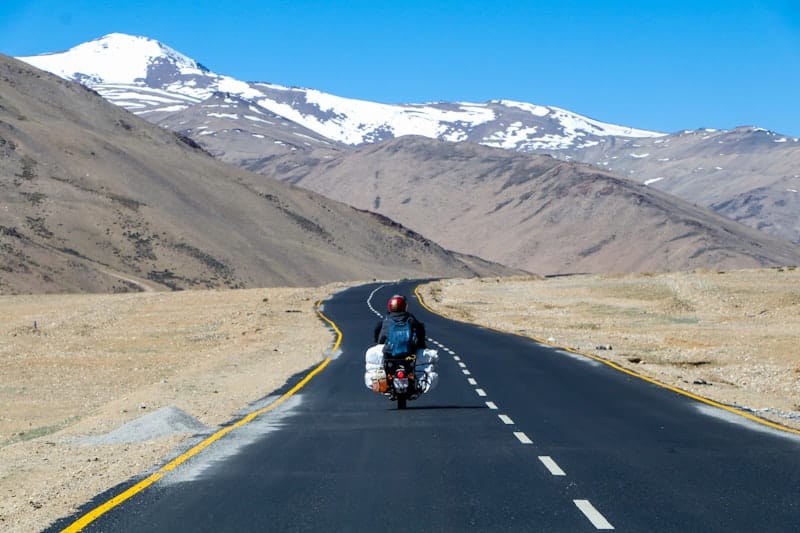
Delhi to Leh (DEL-IXL)
Ladakh is a rain-shadow desert that receives almost zero monsoon rainfall -- while the rest of India is drenched, Leh offers clear skies, open passes, and 15-25 degree temperatures
Delhi to Leh is the premium monsoon route because Ladakh sits in a rain-shadow zone north of the Himalayas where the Indian monsoon simply does not reach. While Delhi, Mumbai, and most of India experience heavy July rainfall, Leh averages only 15-20mm of rain for the entire month -- making it one of the driest places in the country during monsoon. IndiGo operates 2-3 daily flights with a duration of approximately 1 hour 30 minutes, and July fares start at Rs. 3,499. This is higher than other routes on this list, but Leh is a seasonal airport (operational only June-September for most carriers), and the alternative is a 2-day road trip via Manali or Srinagar. July is peak season for Ladakh because all major passes (Khardung La, Chang La, Tanglang La) are open, Pangong Lake is accessible, and the Nubra Valley sand dunes are reachable without road closures. The flight itself is an experience -- the approach over the Himalayas with views of snow-capped peaks is consistently rated among the world's most scenic landings.
 06
Best Value
06
Best Value
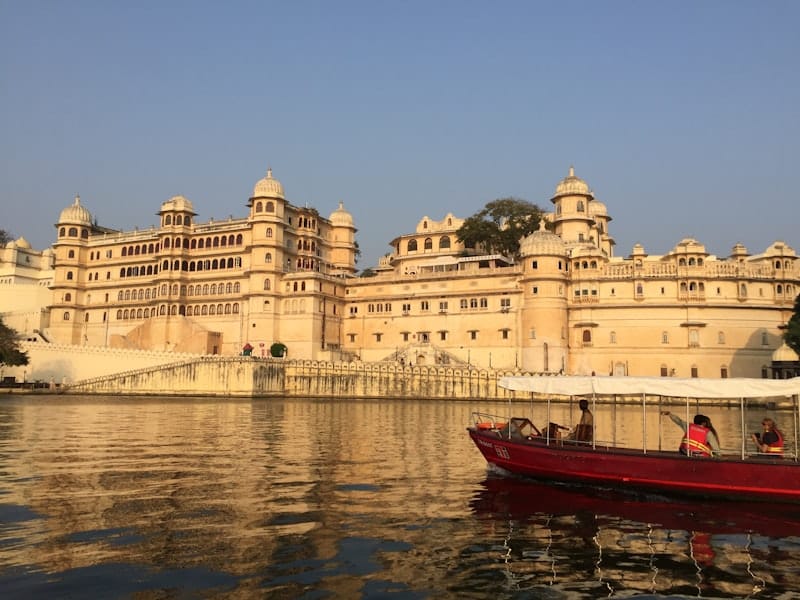
Delhi to Udaipur (DEL-UDR)
The City of Lakes lives up to its name during monsoon -- Pichola, Fateh Sagar, and Udai Sagar are full to the brim, and the Aravalli hills turn a green that most people never associate with Rajasthan
Udaipur is one of those cities that transforms completely during monsoon, and most tourists miss it because they default to visiting Rajasthan in winter. At Rs. 1,899 one-way on IndiGo with a flight time of 1 hour 25 minutes, this is a route that delivers extraordinary visual value. All five of Udaipur's major lakes fill up during July, and the Lake Palace Hotel sitting in the middle of Lake Pichola with water at full level is one of the most photographed views in India. The Monsoon Palace (Sajjangarh) -- a hilltop fortress built specifically for watching monsoon clouds roll across the valley -- becomes functional rather than merely historical during July and August. Hotel rates at heritage properties drop by 35-50% compared to the October-March wedding season, and the Aravalli hills surrounding the city turn lush green, creating a landscape that looks nothing like the dusty Rajasthan of popular imagination. The city receives moderate monsoon rain (500-600mm over the entire season), which means you get dramatic cloudy skies and occasional showers without the relentless downpours of coastal destinations.
 07
Beach Pick
07
Beach Pick
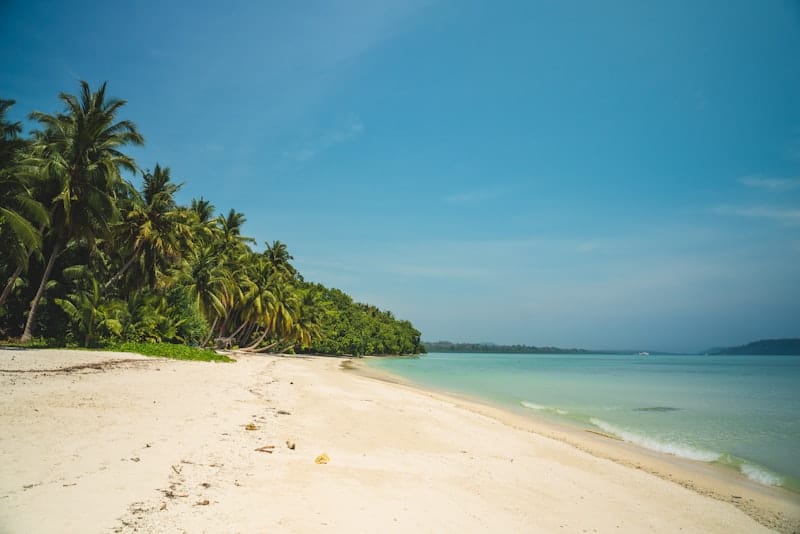
Kolkata to Port Blair (CCU-IXZ)
Andaman's crystal-clear waters are warmest during monsoon season, and with tourist numbers at annual lows, Havelock and Neil islands feel genuinely private
Kolkata to Port Blair is IndiGo's gateway to the Andaman Islands, and at Rs. 2,999 one-way with a 2-hour flight time, it opens up India's most exotic beach destination at monsoon pricing. The Andaman Islands receive significant monsoon rainfall in July, but the key distinction is that rain comes in concentrated 1-2 hour bursts followed by sunshine, and sea temperatures remain at 28-29 degrees Celsius -- the warmest of the year. This means snorkelling at Elephant Beach and Radhanagar Beach is actually better during monsoon: the water is warm, visibility below the surface remains 10-15 metres on non-rainy hours, and you share the beach with a fraction of the December-January crowd. Havelock Island (Swaraj Dweep) resorts that charge Rs. 10,000-18,000 per night in peak season drop to Rs. 3,000-6,000 in July, and ferry tickets between islands are readily available without the advance booking stress of peak months. The only genuine monsoon limitation is that boat trips to outlying islands like Barren and Jolly Buoy may be cancelled on heavy-rain days -- plan for flexibility and build in an extra buffer day.
 08
Quick Getaway
08
Quick Getaway
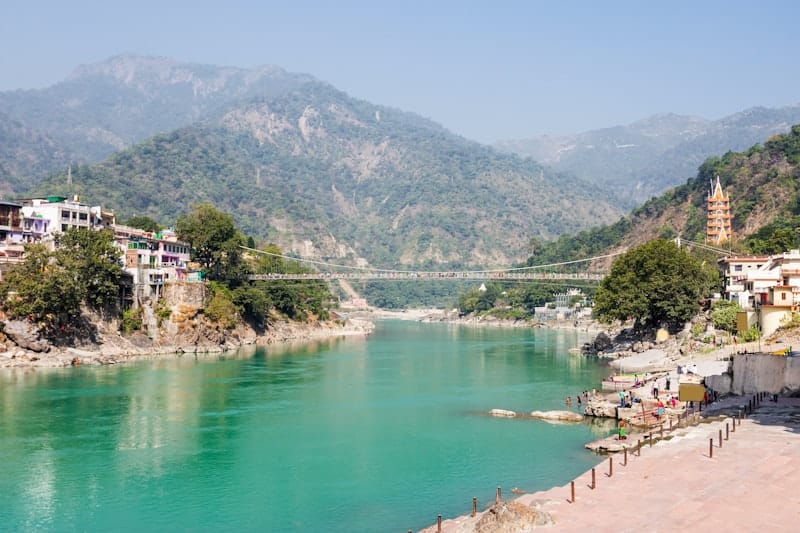
Delhi to Dehradun (DEL-DED)
Gateway to Rishikesh and Mussoorie in under 1 hour -- monsoon river rafting on the Ganges is at its most thrilling when the water levels peak in July
Delhi to Dehradun is the shortest route on this list at just 55 minutes flight time, and at Rs. 1,699 one-way, it is the fastest escape from Delhi's July heat and humidity. Dehradun serves as the gateway to three distinct monsoon experiences: Rishikesh (45 minutes by road) for river rafting on the swollen Ganges -- July water levels create Grade III-IV rapids that are significantly more exciting than the gentle Grade II flows of October-March; Mussoorie (1.5 hours by road) for cloud-walking, where monsoon clouds literally pass through the Mall Road at 6,500 feet elevation; and the Rajaji National Park corridor for monsoon wildlife spotting when animals are most active. IndiGo operates 3-4 daily flights, and the early morning 6:30 AM departure gets you to Rishikesh by 9 AM -- faster than any overnight bus or train from Delhi. The monsoon Ganges valley is lush beyond recognition: waterfalls appear on every hillside, the river runs a powerful jade green, and the forested hills surrounding Rishikesh produce that petrichor scent that city dwellers forget exists.
 09
Weekend Trip
09
Weekend Trip
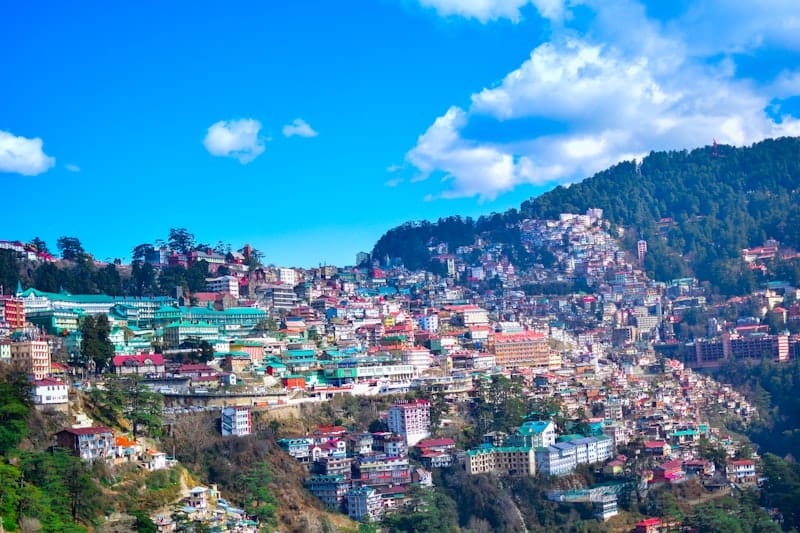
Bangalore to Goa (BLR-GOI)
The IT capital's favourite weekend escape at monsoon pricing -- 1 hour 10 minutes in the air, with return flights timed perfectly for Sunday night landings before Monday morning work
Bangalore to Goa is the quintessential IT-professional weekend trip, and monsoon pricing makes it absurdly affordable. At Rs. 1,899 one-way with a 1 hour 10 minute flight time, a round trip costs less than a mid-range Bangalore restaurant dinner for two. IndiGo operates 3-4 daily flights including convenient evening departures (6:30 PM, 8:00 PM) that let Bangalore workers leave directly from the office on Friday and a Sunday 7:30 PM return that lands before 9 PM -- in bed by 10 PM, ready for Monday. Monsoon Goa from Bangalore has an additional advantage: Bangalore itself receives heavy monsoon rain in July, so you are not trading rain for sunshine but trading cold Bangalore rain for warm Goa rain with beaches attached. The Konkan coast between Bangalore and Goa is at peak greenery, and if you rent a scooter (Rs. 300-400 per day in monsoon versus Rs. 600-800 in winter), the rides through South Goa's spice plantation roads and along the empty Palolem-Agonda stretch are the most scenic driving you can do in western India.
 10
Heritage
10
Heritage
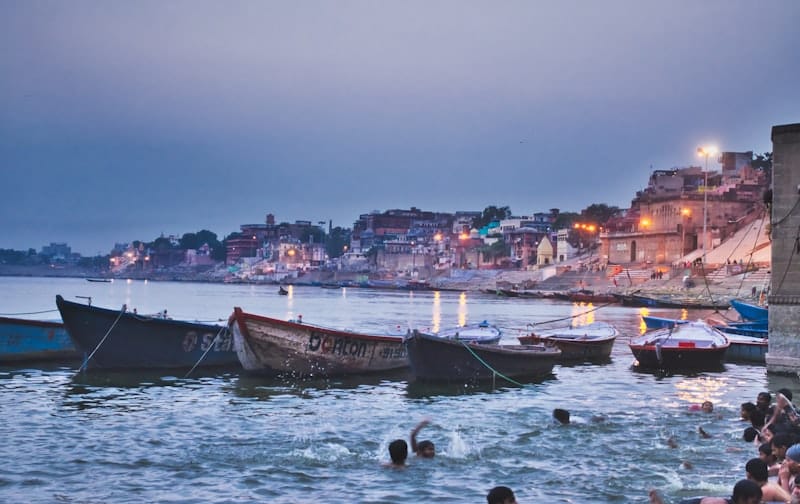
Delhi to Varanasi (DEL-VNS)
India's oldest living city is most atmospheric during monsoon -- the Ganga Aarti with rain-swollen river, the narrow gali streets with puddles reflecting temple lights, and the quieter ghats without tourist crowds
Delhi to Varanasi at Rs. 1,599 one-way with a 1 hour 20 minute flight is the heritage pick on this list, and monsoon transforms the city in ways that photographs cannot fully capture. The Ganges at Varanasi rises 10-15 feet during monsoon, submerging the lower ghats and bringing the water level up to the main steps of Dashashwamedh Ghat where the famous Ganga Aarti ceremony takes place every evening. The aarti with the river at full flow, rain clouds overhead, and flames reflecting off the water surface is a fundamentally different visual experience from the winter version. IndiGo operates 3-4 daily flights, and the Varanasi airport (Lal Bahadur Shastri International) is only 25 km from the old city ghats. Monsoon also brings the Shravan month (July-August), which is the holiest period for Varanasi's Shiva temples -- the Kashi Vishwanath Temple, Sankat Mochan, and hundreds of smaller shrines are decorated and active with devotees, adding a layer of living religious culture that the dry-season tourist experience does not include. Hotel rates near the ghats drop by 30-40% in July, and the narrow lanes (galis) are less congested because the winter tourist rush is absent.
IndiGo Monsoon Fare Comparison: All 10 Routes at a Glance
| # | Route | Monsoon Fare | Duration | Best For |
|---|---|---|---|---|
| 1 | Delhi to Goa | Rs. 1,499 | 2h 30m | Beach + budget leisure |
| 2 | Delhi to Srinagar | Rs. 2,199 | 1h 45m | Kashmir gardens + cool weather |
| 3 | Mumbai to Goa | Rs. 1,599 | 55m | Weekend beach trip |
| 4 | Bangalore to Kochi | Rs. 1,799 | 1h | Ayurveda + Kerala backwaters |
| 5 | Delhi to Leh | Rs. 3,499 | 1h 30m | Ladakh adventure + clear skies |
| 6 | Delhi to Udaipur | Rs. 1,899 | 1h 25m | Lake city + heritage hotels |
| 7 | Kolkata to Port Blair | Rs. 2,999 | 2h | Andaman beaches + snorkelling |
| 8 | Delhi to Dehradun | Rs. 1,699 | 55m | Rishikesh rafting + Mussoorie |
| 9 | Bangalore to Goa | Rs. 1,899 | 1h 10m | IT weekend getaway |
| 10 | Delhi to Varanasi | Rs. 1,599 | 1h 20m | Heritage + monsoon Ganga Aarti |
Monsoon Flight Booking Tips: How to Get the Cheapest IndiGo Fares
Book 15-25 days in advance: IndiGo's dynamic pricing algorithm offers the lowest base fares when flights are 15-25 days out and seat fill rates are below 60%. Booking earlier than 30 days does not necessarily save more -- the algorithm has not yet started discounting aggressively. Booking within 7 days almost always means paying 2-3x the advance fare, especially on leisure routes where last-minute business travellers are rare.
Fly Tuesday-Wednesday for lowest fares: Across all 10 routes, Tuesday and Wednesday departures consistently show the lowest fares. This is because corporate travel peaks Monday and Thursday-Friday, and weekend leisure demand inflates Saturday-Sunday pricing. A Tuesday departure with a Friday return is the optimal monsoon trip structure -- 3 nights at the destination, 2 cheap flying days, and only 2 leave days used from work.
Use IndiGo's fare calendar view: On the IndiGo website, click the "Fare Calendar" tab on the search results page to see a month-view of daily fares. This shows you the exact cheapest date for your route without searching date by date. Monsoon fares fluctuate by Rs. 500-1,500 between the cheapest and most expensive day in the same week.
Consider the Super 6E bundle for monsoon travel: The base fare includes only a 7 kg cabin bag. Monsoon travel typically requires more luggage (rain jacket, extra shoes, trekking gear, umbrella), and the Super 6E bundle adds 15 kg check-in, a meal, and a seat selection for Rs. 800-1,200 extra. Buying check-in baggage separately at the airport costs Rs. 1,200-2,500 per 15 kg, so the bundle saves money if you know you will need it.
IndiGo Luggage Allowance for Monsoon Travel: What You Need to Know
| Fare Type | Cabin Bag | Check-in Bag | Meal | Best For |
|---|---|---|---|---|
| Saver (Base) | 7 kg (1 bag) | Not included | Not included | Light packers, day trips |
| Super 6E | 7 kg (1 bag) | 15 kg (1 bag) | 1 meal included | Monsoon travellers with rain gear |
| Flexi Plus | 7 kg (1 bag) | 15 kg (1 bag) | 1 meal + drink | Flexible dates, free date change |
Monsoon packing note: Rain jackets, waterproof shoes, and quick-dry clothing are heavier than regular summer travel gear. Most monsoon travellers need 10-12 kg for a 3-4 day trip versus 6-8 kg for a summer trip. If you are on the Saver fare, you can add 15 kg check-in baggage separately for Rs. 1,200-1,800 at the time of booking (cheaper than airport rates of Rs. 2,000-2,500). The Super 6E bundle is the better deal if you plan to eat on the flight as well.