Best Generic Medicines for Monsoon Diseases on TrueMeds 2026

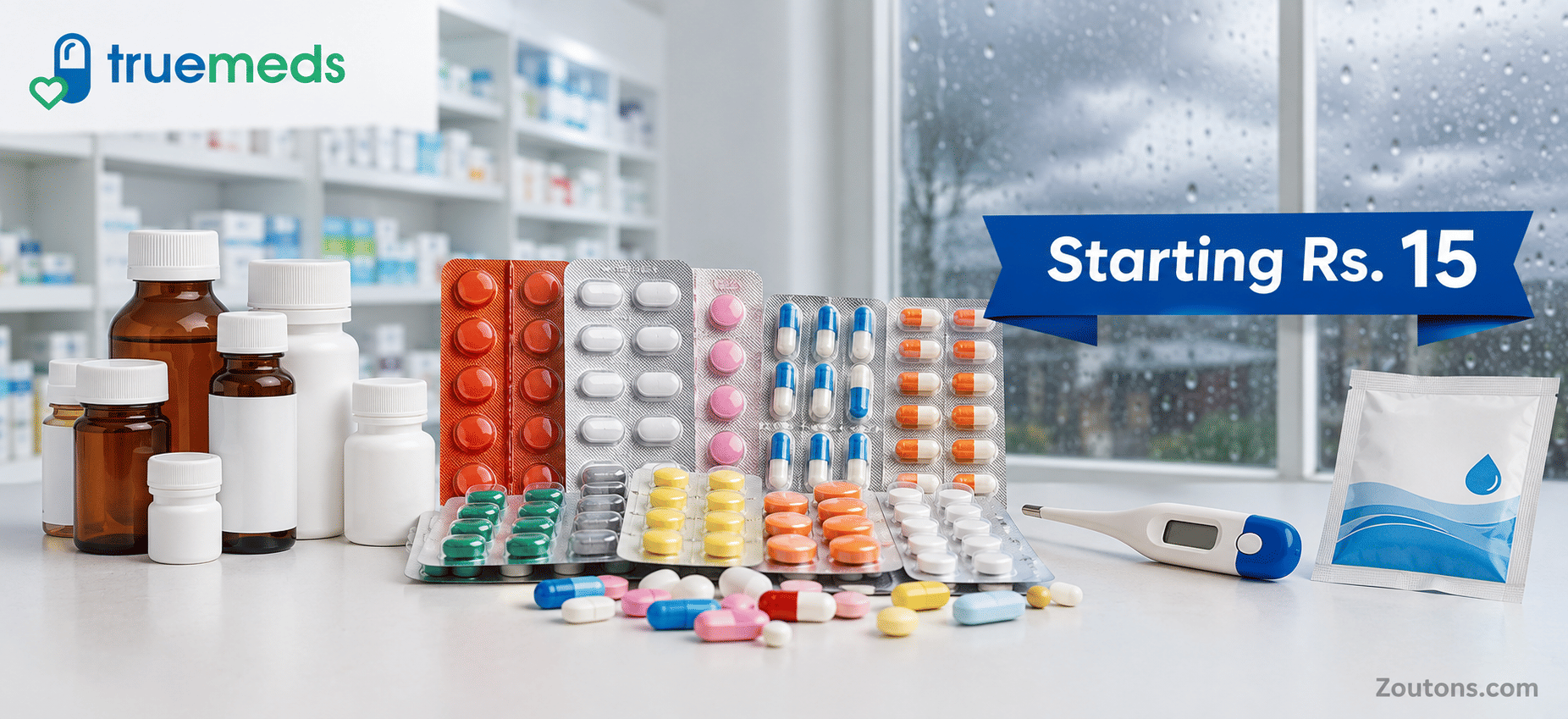
India records over 10 lakh dengue cases, 5 lakh malaria cases, and crores of cold, flu, and diarrhea episodes every monsoon season according to NCVBDC and ICMR data. The pattern is predictable -- waterlogging starts in late June, Aedes aegypti mosquito breeding peaks by July, and hospital OPDs overflow by August. What catches most families off guard is not the disease itself but the pharmacy bill that follows. A five-day course of branded Azithral 500mg costs Rs. 350-400, while the same Azithromycin 500mg in generic form costs Rs. 40-65. The active ingredient is identical. The manufacturing standards are identical. The difference is marketing spend, and that markup can make monsoon healthcare unnecessarily expensive for middle-class Indian households.
TrueMeds has built its business model around this exact gap. The platform stocks over 3,000 generic medicines that are BIS and WHO-GMP certified, priced 50-85% lower than their branded equivalents. For monsoon-specific medicines -- antipyretics, antimalarials, antibiotics, antihistamines, ORS, and anti-diarrhoeals -- the savings are particularly meaningful because these are medicines you may need repeatedly across a three-to-four month wet season. A family of four keeping a basic monsoon medicine kit can save Rs. 2,000-4,000 per season by switching to generics without any compromise in efficacy.
This guide covers 11 essential generic medicines for the most common monsoon diseases: dengue fever, malaria, typhoid, diarrhea, cold and flu, and general immunity support. Each entry includes the branded equivalent price, generic price on TrueMeds, dosage guidance, and when you should stop self-care and see a doctor. Stack your TrueMeds order with a Zoutons TrueMeds coupon for additional savings beyond the already-reduced generic pricing.
Why Monsoon Season Demands a Generic Medicine Kit
Dengue and Chikungunya: Transmitted by Aedes mosquitoes that breed in stagnant water. Symptoms include high fever (104-105 F), severe body and joint pain, headache behind the eyes, and platelet drop. There is no specific antiviral for dengue -- treatment is supportive: paracetamol for fever, ORS for hydration, and monitoring platelet counts. Ibuprofen and aspirin are contraindicated in dengue as they increase bleeding risk.
Malaria: Caused by Plasmodium parasites transmitted through Anopheles mosquitoes. Presents with cyclical fever (every 48-72 hours), chills, sweating, and fatigue. Chloroquine remains the first-line treatment for P. vivax malaria in India, while P. falciparum requires ACT (Artemisinin-based Combination Therapy). Doxycycline serves as prophylaxis for travellers to high-risk zones.
Typhoid and Bacterial Infections: Waterborne Salmonella typhi causes typhoid fever with sustained high fever, abdominal pain, and weakness. Azithromycin is a commonly prescribed first-line antibiotic. Never self-prescribe antibiotics -- always get a doctor's confirmation via blood culture or Widal test first.
Diarrhea and Dehydration: Contaminated water and food during monsoon cause acute gastroenteritis. ORS (Oral Rehydration Salts) is the single most important intervention -- it prevents dehydration-related deaths in children and elderly. Loperamide manages symptoms in adults but should never be given to children under 12 without medical supervision.
Cold, Flu, and Allergies: Temperature fluctuations and humidity spikes trigger upper respiratory infections and allergic rhinitis. Paracetamol for fever, Cetirizine for allergy and runny nose, and Vitamin C plus Zinc for immune support form the basic stack.
- Paracetamol 500mg Fever Essential
- Azithromycin 500mg Antibiotic
- Cetirizine 10mg Best Overall
- Doxycycline 100mg Malaria Prophylaxis
- ORS Sachet Budget Pick
- Loperamide 2mg Anti-Diarrheal
- Chloroquine 250mg Antimalarial
- Vitamin C 500mg Immunity
- Zinc Acetate 50mg Immunity
- Domperidone 10mg Anti-Nausea
- Ibuprofen 400mg Pain Relief
 01
Fever Essential
01
Fever Essential
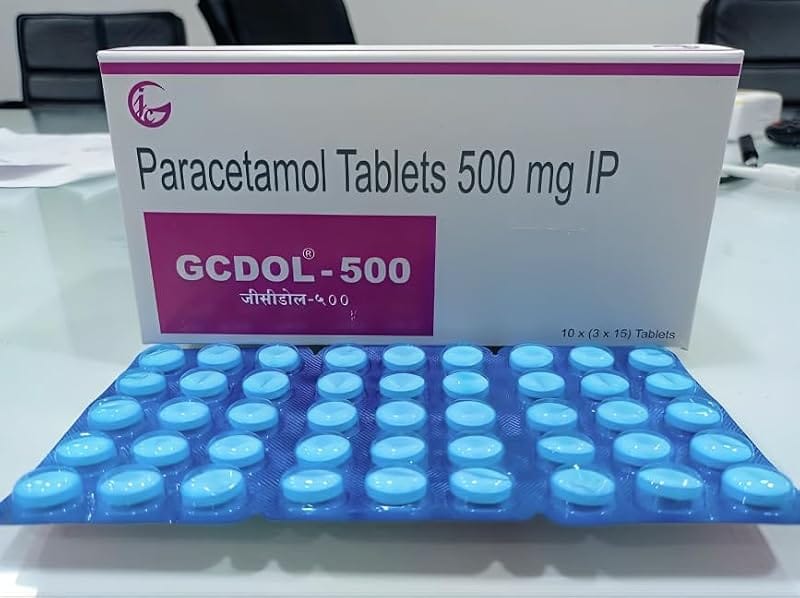
Paracetamol 500mg (Generic Crocin / Dolo Alternative)
The single most important medicine in any monsoon kit -- safe for dengue fever where ibuprofen and aspirin are contraindicated
Paracetamol is the first-line antipyretic recommended by WHO for dengue, malaria, typhoid, and viral fever management. Unlike ibuprofen and aspirin, it does not interfere with platelet function, making it the only safe over-the-counter fever reducer when dengue is suspected. The generic version contains the exact same 500mg paracetamol IP as branded Crocin or Dolo-650 (which is actually 650mg -- adjust dosing accordingly). A strip of 15 generic tablets costs Rs. 15-20 on TrueMeds versus Rs. 30-35 for Dolo-650. For a monsoon season where a family of four might need 3-4 strips each, the savings compound quickly. Adults can take one to two 500mg tablets every 4-6 hours, not exceeding 4g (eight tablets) in 24 hours. For children, use paracetamol syrup with weight-based dosing as advised by your paediatrician.
 02
Editor's Pick
02
Editor's Pick
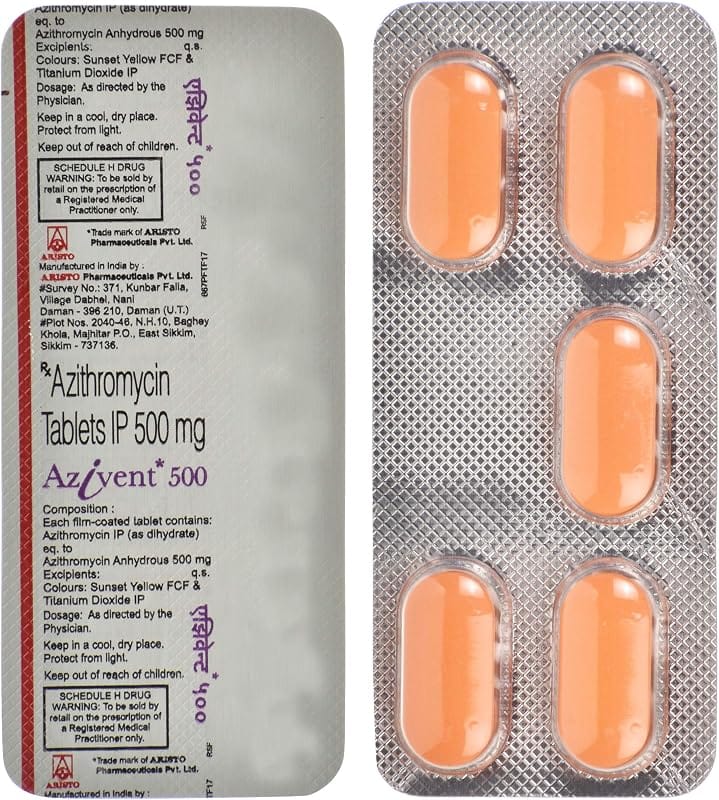
Azithromycin 500mg (Generic Azithral / Zithromax Alternative)
First-line antibiotic for typhoid and bacterial respiratory infections -- a 3-day course replaces the branded version at 80% lower cost
Azithromycin is a macrolide antibiotic widely prescribed for typhoid fever, bacterial bronchitis, sinusitis, and skin infections that spike during monsoon. Its key advantage over older antibiotics is the short 3-day course (one 500mg tablet daily for 3 days) that achieves therapeutic tissue concentrations lasting 5-7 days after the last dose. The generic version on TrueMeds costs Rs. 40-65 for a 3-tablet strip versus Rs. 200-400 for branded Azithral or Zithromax. The salt (Azithromycin dihydrate) and bioequivalence are identical -- Indian generic manufacturers like Cipla, Sun Pharma, and Mankind produce this at WHO-GMP certified facilities. Important: antibiotics should never be self-prescribed. Always get a confirmed diagnosis via blood culture (for typhoid) or clinical examination before starting Azithromycin. Incomplete courses contribute to antibiotic resistance, which is already a serious public health crisis in India.
 03
Best Overall
03
Best Overall
Cetirizine 10mg (Generic Zyrtec / Cetzine Alternative)
The go-to antihistamine for monsoon allergies, runny nose, and cold symptoms -- one tablet provides 24-hour relief at Rs. 1 per day
Monsoon humidity triggers allergic rhinitis in millions of Indians who otherwise have no allergy symptoms the rest of the year. Mould spores, dust mite proliferation in damp homes, and pollen shifts combine to create a perfect storm for sneezing, runny nose, itchy eyes, and congestion. Cetirizine is a second-generation antihistamine that blocks H1 receptors without causing the heavy drowsiness associated with older antihistamines like Chlorpheniramine. A strip of 10 generic Cetirizine tablets costs Rs. 10-15 on TrueMeds, compared to Rs. 50-70 for branded Zyrtec or Cetzine. At one tablet per day, that is Rs. 1-1.50 per day of 24-hour allergy relief -- among the most cost-effective OTC treatments available. It also helps manage the itchiness and skin rashes that accompany dengue recovery. Mild drowsiness is the most common side effect; take it at bedtime if this bothers you.
 04
Top Rated
04
Top Rated
Doxycycline 100mg (Generic Doxylab / Vibramycin Alternative)
Dual-purpose antibiotic and malaria prophylaxis -- essential for travellers to high-risk monsoon zones in Northeast India and Odisha
Doxycycline occupies a unique position in monsoon medicine because it serves two critical functions: it is a broad-spectrum tetracycline antibiotic for bacterial infections, and it is an effective malaria prophylaxis recommended by NVBDCP for travellers to Plasmodium falciparum-endemic areas. If you are travelling to Assam, Meghalaya, Mizoram, Odisha, Chhattisgarh, or Jharkhand during monsoon, your doctor will likely prescribe Doxycycline 100mg daily, starting 1-2 days before travel and continuing 4 weeks after return. The generic version costs Rs. 30-50 for a 10-capsule strip versus Rs. 120-180 for branded Doxylab or Vibramycin. That price difference becomes significant on a 6-week prophylaxis course. Doxycycline must be taken with a full glass of water and should not be taken lying down -- it can cause oesophageal irritation. Avoid dairy products within 2 hours of the dose as calcium reduces absorption.
 05
Budget Pick
05
Budget Pick
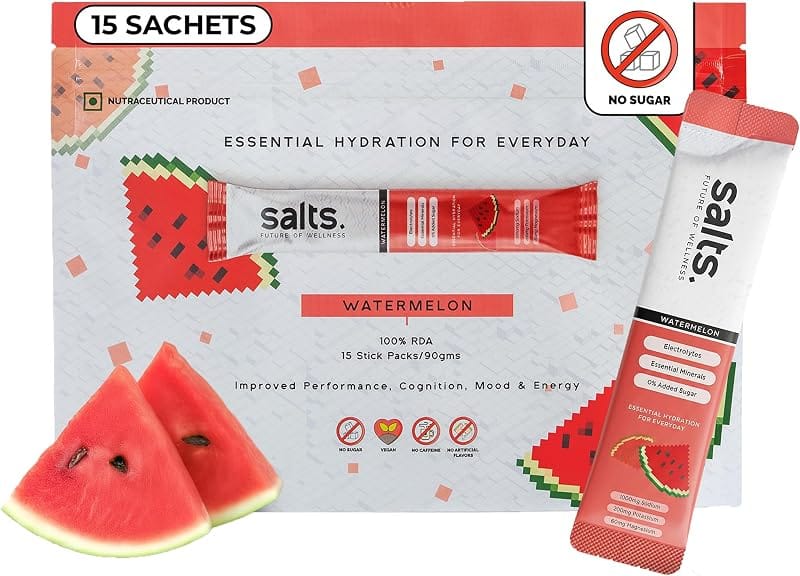
ORS Sachet -- Oral Rehydration Salts (Generic Electral Alternative)
WHO calls ORS the most important medical advance of the 20th century -- it prevents dehydration deaths in diarrhea for under Rs. 5 per sachet
ORS is not glamorous, but it is the single most life-saving item on this list. The WHO-UNICEF reduced osmolarity formula (sodium 75 mmol/L, glucose 75 mmol/L, potassium 20 mmol/L) prevents dehydration from diarrhea, vomiting, and excessive sweating during monsoon fevers. In India, acute diarrheal disease kills over 1 lakh children annually, and ORS is the primary intervention that prevents those deaths. Generic ORS sachets on TrueMeds cost Rs. 3-5 per sachet versus Rs. 20-25 for branded Electral. Each sachet dissolves in one litre of clean boiled water and should be consumed within 24 hours. During acute diarrhea, adults should drink 200-400ml of ORS solution after every loose stool. For dengue patients with high fever and poor oral intake, ORS maintains hydration that is critical for platelet recovery. Keep a minimum of 10 sachets in your monsoon medicine kit -- they are needed more often than you expect.
 06
Top Rated
06
Top Rated
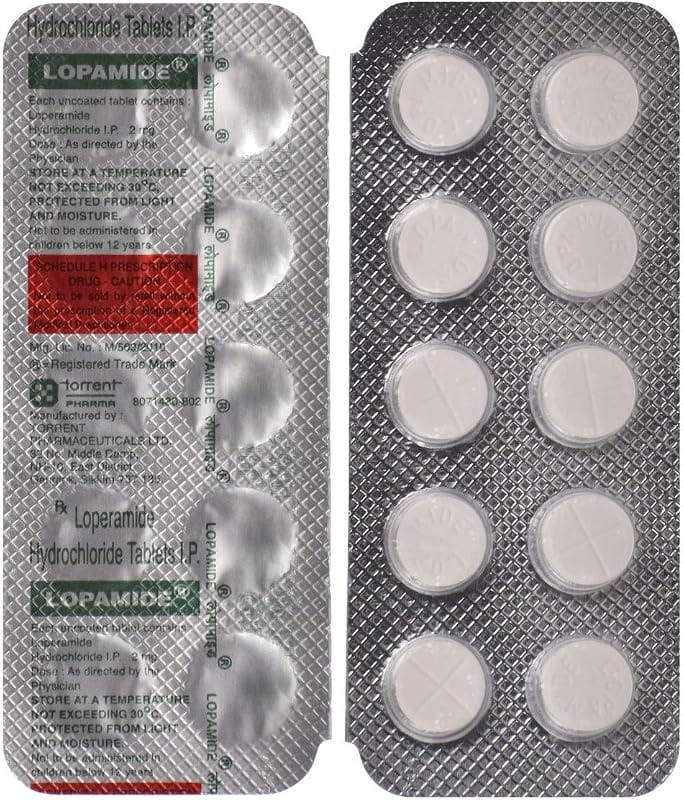
Loperamide 2mg (Generic Imodium / Lopamide Alternative)
Stops acute diarrhea within 1-2 hours -- critical for adults who cannot afford to miss work during monsoon stomach bugs
When monsoon diarrhea strikes and you have an office presentation in two hours, Loperamide is the rapid-acting solution. It works by slowing intestinal motility, allowing more water absorption from the stool and reducing the frequency of loose motions. The initial adult dose is 4mg (two tablets), followed by 2mg after each subsequent loose stool, not exceeding 16mg (eight tablets) in 24 hours. Generic Loperamide 2mg costs Rs. 15-25 for a strip of 10 on TrueMeds, versus Rs. 60-80 for branded Imodium. Important caveats: Loperamide treats the symptom (loose stools) but not the underlying cause. If diarrhea is caused by a bacterial infection like Salmonella or Shigella, you still need antibiotics. Never give Loperamide to children under 12 without a doctor's prescription. And if you see blood or mucus in your stool, stop Loperamide and see a doctor immediately -- it can worsen dysentery by trapping the pathogen inside.
 07
Editor's Pick
07
Editor's Pick
Chloroquine 250mg (Generic Lariago / Nivaquine Alternative)
India's first-line antimalarial for P. vivax malaria -- still effective in most Indian states and available at a fraction of branded cost
Chloroquine remains the NVBDCP-recommended first-line treatment for Plasmodium vivax malaria, which accounts for approximately 60% of malaria cases in India. The standard adult treatment course is 600mg base (4 tablets of 150mg base / 250mg salt) on Day 1, 600mg on Day 2, and 300mg on Day 3, followed by Primaquine for radical cure. Generic Chloroquine 250mg costs Rs. 20-35 for 10 tablets on TrueMeds versus Rs. 80-120 for branded Lariago or Nivaquine. This is strictly a prescription medicine -- malaria must be confirmed via rapid diagnostic test (RDT) or blood smear before starting treatment. Chloroquine is not effective against P. falciparum in many regions due to resistance, so your doctor will choose the appropriate antimalarial based on the species identified. Common side effects include nausea, headache, and visual disturbances. The drug has a narrow therapeutic window -- never exceed prescribed doses.
 08
Top Rated
08
Top Rated
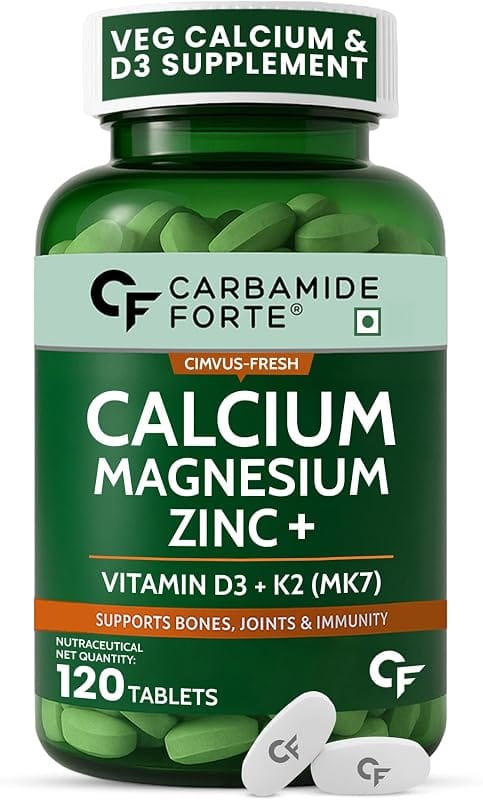
Vitamin C 500mg Chewable (Generic Limcee / Celin Alternative)
Daily immune support that reduces cold duration by 8-14% per Cochrane review -- the cheapest preventive measure in your monsoon kit
Vitamin C (ascorbic acid) is the most studied immune-support supplement in the world. A 2024 Cochrane meta-analysis of 29 trials confirmed that regular Vitamin C supplementation reduces the duration of common colds by 8% in adults and 14% in children, and reduces severity of symptoms. During monsoon, when your immune system faces constant challenges from temperature fluctuations, increased pathogen exposure, and reduced sunlight (which also lowers Vitamin D), daily Vitamin C supplementation provides a measurable protective edge. The generic chewable 500mg tablets on TrueMeds cost Rs. 30-50 for a bottle of 30 versus Rs. 120-180 for branded Limcee or Celin. The chewable format has better compliance than swallowed tablets, especially for children above 4 years. At 500mg per day, you are well within the safe upper limit of 2,000mg. Vitamin C also enhances iron absorption, which is relevant for anaemic patients recovering from monsoon infections.
 09
Budget Pick
09
Budget Pick
Zinc Acetate 50mg (Generic Zinconia / Zinc Supplement Alternative)
WHO-recommended alongside ORS for childhood diarrhea -- also reduces cold duration by 33% in adults when taken within 24 hours of onset
Zinc is the unsung hero of monsoon immunity. The WHO and UNICEF recommend Zinc supplementation alongside ORS as standard treatment for acute diarrhea in children -- it reduces diarrhea duration by 25% and stool volume by 30%. In adults, a 2023 meta-analysis in BMJ Open found that zinc lozenges started within 24 hours of cold symptom onset reduced cold duration by an average of 33%. Zinc works by supporting T-cell function and maintaining mucosal barrier integrity in the gut and respiratory tract -- both of which are under increased stress during monsoon. Generic Zinc Acetate 50mg on TrueMeds costs Rs. 25-40 for 30 tablets versus Rs. 100-160 for branded supplements like Zinconia or Zincolak. The acetate form has better bioavailability than zinc oxide. Take it with food to avoid the nausea that sometimes occurs on an empty stomach. For diarrhea treatment in children aged 6 months to 5 years, the WHO recommends 20mg daily for 10-14 days alongside ORS.
 10
Editor's Pick
10
Editor's Pick
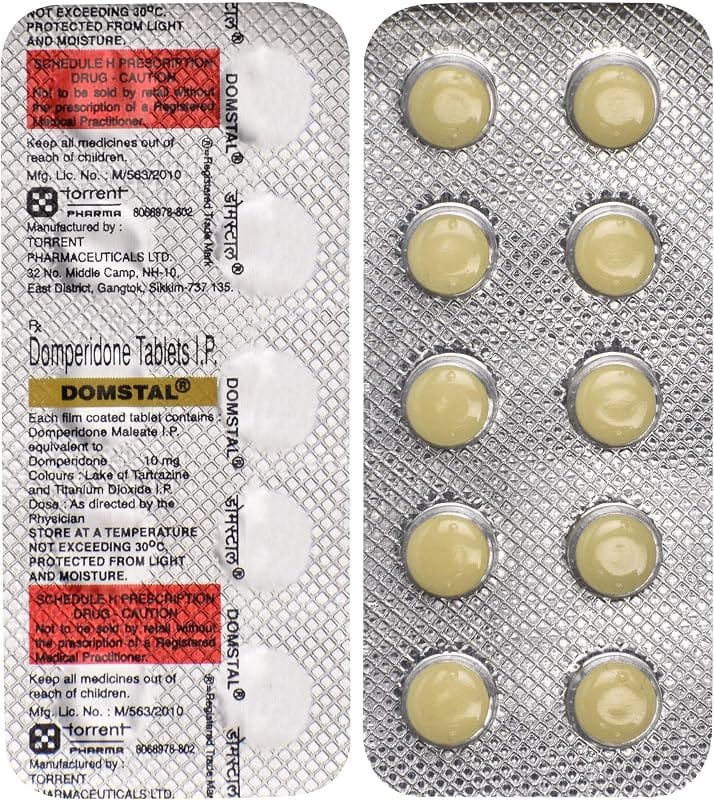
Domperidone 10mg (Generic Domstal / Motilium Alternative)
Controls nausea and vomiting from monsoon gastroenteritis, food poisoning, and antimalarial drug side effects -- works within 30 minutes
Nausea and vomiting are among the most debilitating symptoms of monsoon illnesses. Whether it is gastroenteritis from contaminated street food, the emetic side effects of Chloroquine or Azithromycin, or the general malaise of viral fever, Domperidone provides effective relief by blocking dopamine receptors in the chemoreceptor trigger zone. It works within 15-30 minutes of oral intake and does not cross the blood-brain barrier significantly, which means it causes far less drowsiness than older anti-emetics like Metoclopramide. Generic Domperidone 10mg costs Rs. 15-25 for a strip of 10 on TrueMeds versus Rs. 50-80 for branded Domstal or Motilium. The recommended adult dose is 10mg three times daily, taken 15-30 minutes before meals. It also has a mild prokinetic effect that helps with the bloating and fullness that often accompanies monsoon stomach infections. Avoid using it for more than 7 days without medical supervision, as prolonged use has been associated with cardiac rhythm concerns in elderly patients.
 11
Premium Pick
11
Premium Pick
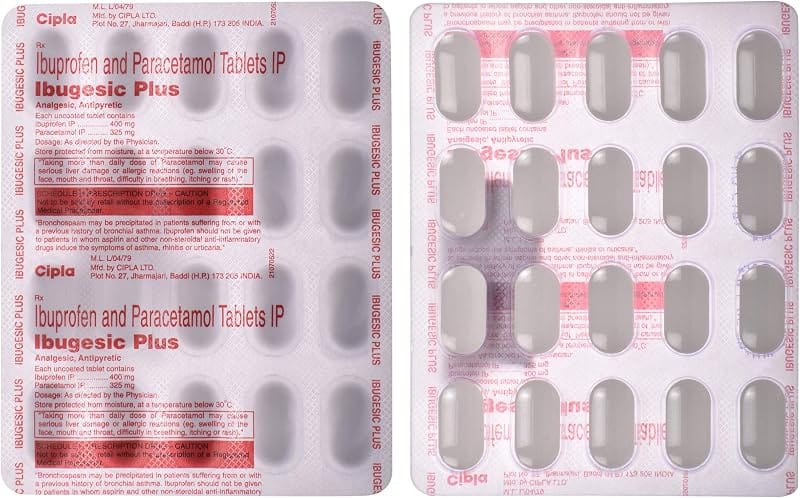
Ibuprofen 400mg (Generic Brufen / Combiflam Alternative)
Superior anti-inflammatory action for chikungunya joint pain and severe body aches -- but strictly contraindicated in suspected dengue
Ibuprofen is a non-steroidal anti-inflammatory drug (NSAID) that provides stronger pain relief than Paracetamol for conditions involving inflammation -- particularly chikungunya arthralgia, which can cause excruciating joint pain lasting weeks. It also works well for severe body aches during influenza and bacterial infections. Generic Ibuprofen 400mg on TrueMeds costs Rs. 15-25 for a strip of 10 versus Rs. 40-70 for branded Brufen or Combiflam. However, there is a critical safety warning: Ibuprofen must NEVER be taken when dengue is suspected. NSAIDs inhibit platelet aggregation and increase bleeding risk, which can turn dengue hemorrhagic fever from manageable to life-threatening. During monsoon, when both dengue and chikungunya circulate simultaneously, always get a confirmed diagnosis before switching from Paracetamol to Ibuprofen. If you are unsure whether your fever is dengue or chikungunya, stick with Paracetamol until blood tests clarify. Take Ibuprofen with food to reduce gastric irritation, and avoid combining it with aspirin or other NSAIDs.
Branded vs Generic: Complete Monsoon Medicine Cost Comparison
| # | Medicine | Generic Price | Branded Price | You Save | Best For |
|---|---|---|---|---|---|
| 1 | Paracetamol 500mg | Rs. 15 | Rs. 35 | 57% | Dengue / viral fever |
| 2 | Azithromycin 500mg | Rs. 45 | Rs. 350 | 87% | Typhoid / bacterial infections |
| 3 | Cetirizine 10mg | Rs. 12 | Rs. 65 | 82% | Allergies / runny nose |
| 4 | Doxycycline 100mg | Rs. 35 | Rs. 150 | 77% | Malaria prophylaxis |
| 5 | ORS Sachet | Rs. 4 | Rs. 22 | 82% | Diarrhea / dehydration |
| 6 | Loperamide 2mg | Rs. 18 | Rs. 70 | 74% | Acute diarrhea (adults) |
| 7 | Chloroquine 250mg | Rs. 25 | Rs. 100 | 75% | Malaria treatment |
| 8 | Vitamin C 500mg | Rs. 40 | Rs. 150 | 73% | Immunity / cold prevention |
| 9 | Zinc Acetate 50mg | Rs. 30 | Rs. 130 | 77% | Immunity / diarrhea adjunct |
| 10 | Domperidone 10mg | Rs. 18 | Rs. 65 | 72% | Nausea / vomiting |
| 11 | Ibuprofen 400mg | Rs. 20 | Rs. 55 | 64% | Chikungunya joint pain |
When to Stop Self-Medication and See a Doctor Immediately
Generic medicines are safe and effective for managing mild-to-moderate monsoon illnesses at home. However, certain red flags require immediate medical attention. Do not delay hospital visits in these situations:
Fever above 104 F (40 C) for more than 2 days: This may indicate dengue, malaria, or typhoid that requires blood tests and supervised treatment. Paracetamol alone is not sufficient.
Platelet count below 1 lakh: Dengue patients with dropping platelets need hospitalisation for monitoring. Do not wait for symptoms to worsen.
Blood in stool or vomit: This suggests dengue hemorrhagic fever, severe dysentery, or GI bleeding. Stop all NSAIDs and anti-diarrhoeals and go to an emergency room.
Persistent vomiting preventing oral medication: If you cannot keep medicines or ORS down, you need IV fluids. Dehydration can turn fatal in children and elderly within hours.
Severe joint swelling with inability to move: Post-chikungunya reactive arthritis may need corticosteroid intervention that cannot be self-managed.
Yellowing of eyes or dark urine: May indicate hepatitis A (waterborne during monsoon) or antimalarial drug toxicity. Requires liver function tests immediately.