Puma Nitro vs Adidas Boost: Which Running Shoe Wins India 2026?
You’ve spent the last two weeks with three browser tabs open — one on Puma Nitro reviews, one on Adidas Boost guides, and one on a Reddit thread where someone with 400 karma is confidently wrong about both. You need to spend ₹10,000 to ₹20,000 on a running shoe, and every “comparison” article just repeats brand marketing without telling you which foam actually holds up during a sweaty 21K in a Delhi July. That’s the problem we’re solving here.
This guide breaks down the actual science behind Puma Nitro foam and Adidas Boost, compares them across six measurable parameters, and gives you the specific models worth buying in India in June 2026 — with the best prices achievable using Zoutons Puma coupons.
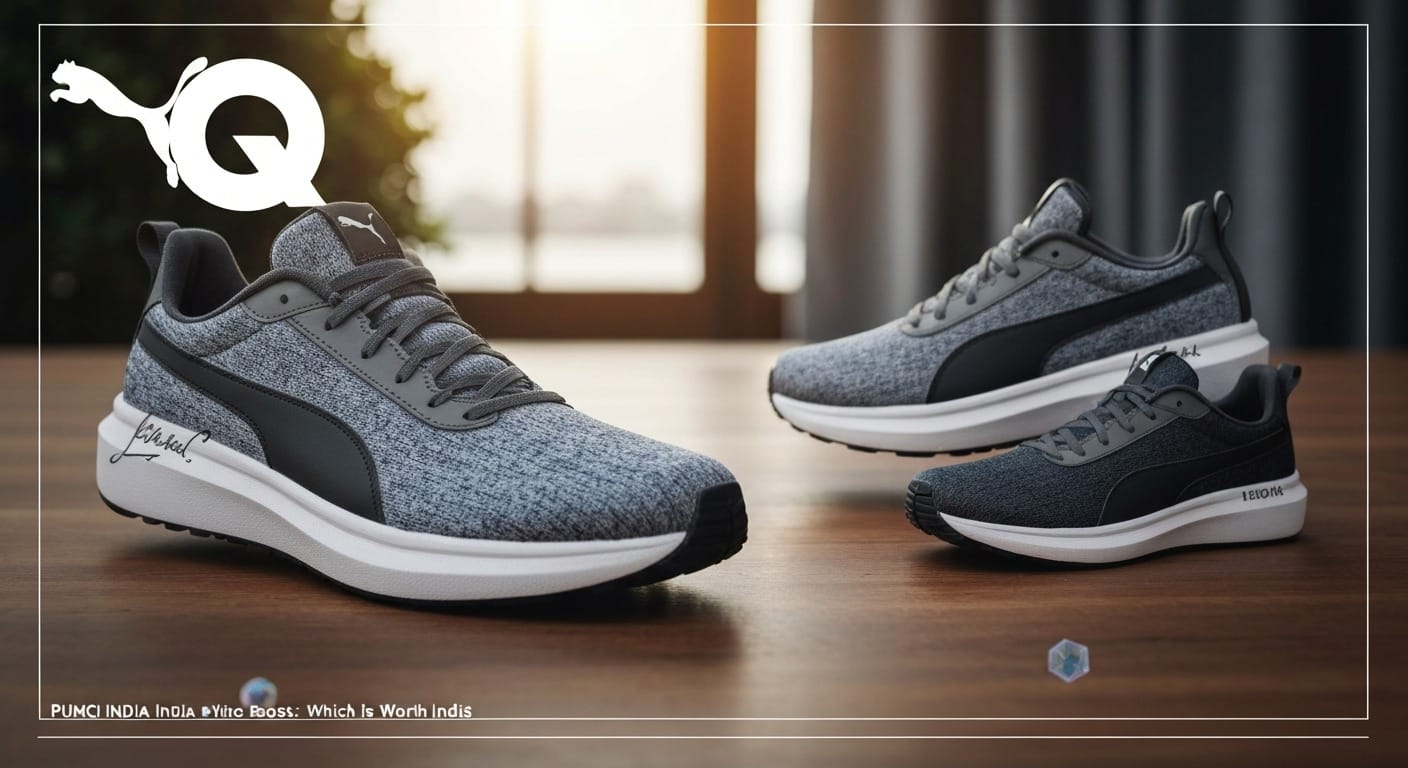
What Is Puma Nitro Foam? The Lightweight Science Behind It
Puma Nitro is an expanded thermoplastic polyurethane (eTPU) foam that uses nitrogen gas injection during manufacturing. The nitrogen creates millions of uniform micro-bubbles inside the foam’s cell structure. These gas pockets compress under the impact of each footstrike and then spring back rapidly — which is what Puma measures as energy return. Independent lab testing puts Nitro foam at 80–87% energy return depending on the specific model’s compound formulation.
The key engineering advantage of the nitrogen-infusion process is density without penalty weight. Traditional EVA foam achieves softness by becoming less dense — which also makes it degrade faster and compress permanently over time. Nitro achieves softness at higher material density, meaning the midsole stays cushioned after 500+ kilometres where EVA would start to pack down. This is why Puma Nitro shoes tend to last 20–30% longer than comparable EVA-midsole shoes.
Puma layers Nitro foam differently across models. The Deviate Nitro Elite 3 uses a dual-compound Nitro Elite midsole with a full-length carbon-fibre plate; the Eternity Nitro 2 is a single-density slab. This means the “feel” of Nitro varies significantly by model — from race-day stiff-and-springy to easy-day soft-and-forgiving. Understanding which model matches your use case matters more than the foam technology alone.
What Is Adidas Boost Technology? The Original eTPU Foam Explained
Adidas Boost, launched in 2013, was the first mainstream eTPU foam in running shoes and still one of the most recognised cushioning technologies in the industry. Like Nitro, it uses expanded thermoplastic polyurethane beads — but the manufacturing process is different. Boost beads are fused under heat and pressure rather than nitrogen-injected, producing a foam that is famously soft and pillowy with a distinctive plush feel underfoot.
Adidas claims around 80% energy return for classic Boost, though real-world testing shows 75–82% depending on conditions. The critical concern for Indian runners is heat performance. Boost’s fused-bead structure softens measurably at temperatures above 35°C — a condition that occurs on most Indian summer runs. When Boost softens in the heat, it feels more cushioned initially but loses responsiveness and takes longer to rebound. That translates to slower pace and more fatigue on long runs in warm conditions.
Adidas has since developed newer foams — Lightstrike and Lightstrike Pro — for performance running, while Boost has shifted toward lifestyle and comfort positioning. This is important context: the Adidas Ultraboost you’re considering is now primarily a comfort shoe that Adidas markets for running. The Adizero Boston 12 and Adizero SL are the brand’s actual performance running models, and those use Lightstrike, not classic Boost.
Puma Nitro vs Adidas Boost — 6 Key Performance Parameters Compared
Here’s how the two foam technologies compare on the parameters that actually affect running performance in India.
| Parameter | Puma Nitro | Adidas Boost |
|---|---|---|
| Energy Return | 80–87% WINS | 75–82% |
| Weight (Men’s UK 9) | 220–260g WINS | 280–320g |
| Cushioning Feel | Medium-firm, responsive | Soft, pillowy WINS |
| Durability | 500–700 km WINS | 400–600 km |
| Indian Summer Heat (35°C+) | Stable, consistent rebound WINS | Softens, slower rebound |
| Entry Price in India | ₹8,999 WINS | ₹9,499 |
The short version: Puma Nitro wins five of six categories. Adidas Boost wins on pure cushioning feel — that famously soft, cloud-like sensation underfoot that makes it a cult favourite. If your priority is performance, weight, and durability in Indian running conditions, Nitro wins clearly. If you want the softest possible shoe for casual running and daily wear comfort, classic Boost still has a case.
5 Best Puma Nitro Running Shoes in India — Priced ₹8,999 to ₹24,999
All Puma Nitro models ship directly from Puma India’s official website with free delivery and a 30-day return policy. Use a Zoutons Puma coupon at checkout for an additional 10–25% off.
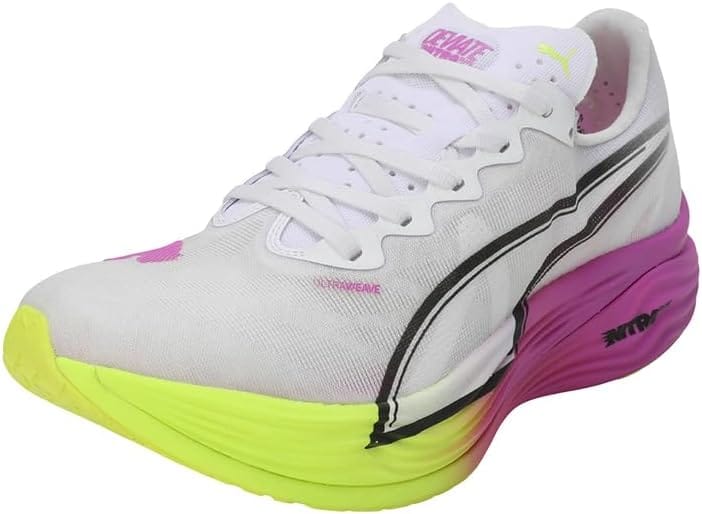
- Nitro Elite dual-compound foam + full-length carbon-fibre plate
- 250g — exceptionally light for a plated marathon racing shoe
- 87% energy return — highest in the entire Puma Nitro lineup
- Curved carbon plate geometry for aggressive propulsive toe-off
- Best for: marathon racing, sub-4-hour runners, 5K PB attempts
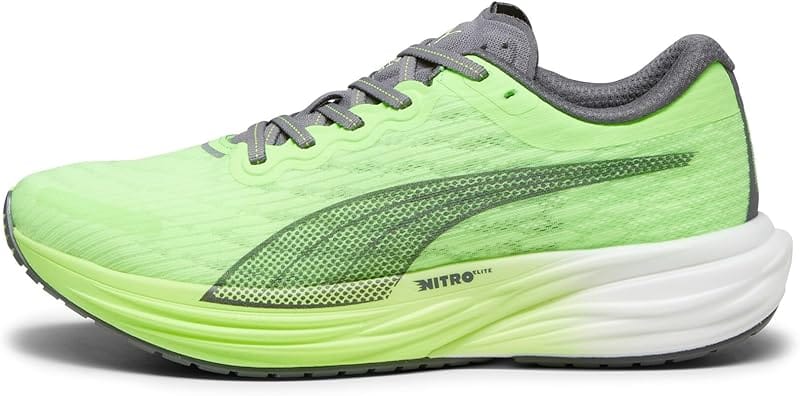
- Dual-density Nitro midsole for cushioning plus responsiveness
- Partial carbon-fibre rods (not a full plate) — more natural flex on easy days
- PWRTAPE overlays for a locked-down midfoot on fast runs
- Versatile: handles tempo sessions and easy long runs equally well
- Best for: half-marathon training, tempo runs, intermediate runners
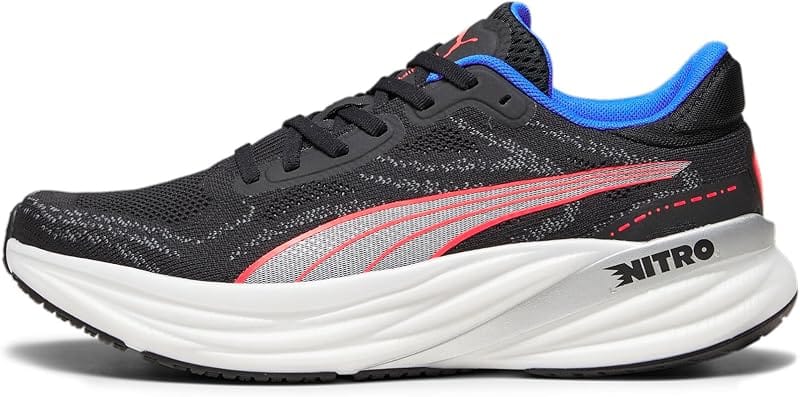
- Highest stack height in the Nitro daily-trainer lineup for maximum cushion
- Wide, stable base — good for mild overpronation and stability needs
- The closest Puma rival to Adidas Ultraboost in plush feel — but lighter
- Structured heel counter provides consistent support on long runs
- Best for: easy long runs, high-mileage weeks, 50+ km per week training
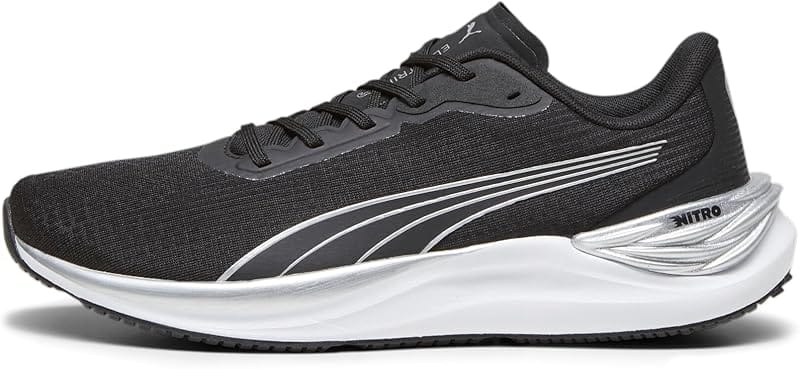
- 220g — the lightest Nitro daily trainer in the entire lineup
- Single-density Nitro midsole with a firmer, snappier feel underfoot
- Open-mesh upper for maximum breathability in Indian summer heat
- Ideal for speed sessions, track workouts, and 5K to 10K racing
- Best for: fast daily training, weight-conscious runners, speed work
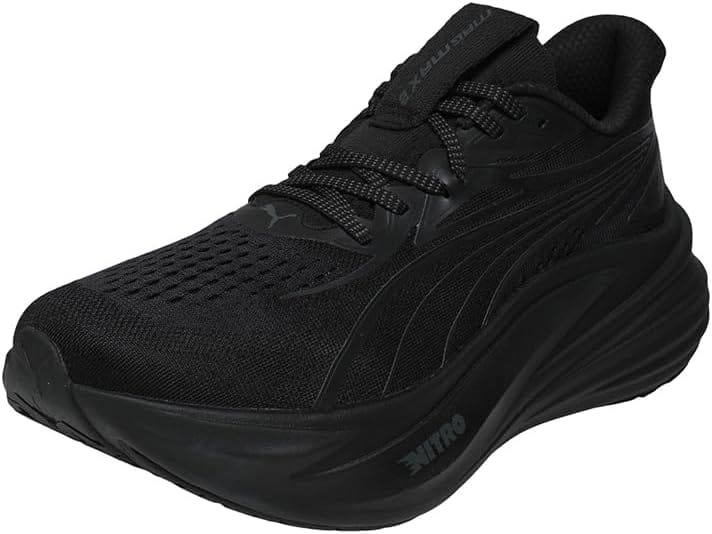
- The most affordable entry point into genuine Puma Nitro technology
- Single-density Nitro midsole with structured heel counter for support
- More plush underfoot than the Electrify Nitro 3 — softer, cushioned ride
- Beats Adidas Supernova Rise on energy return at a lower price point
- Best for: beginners, runners switching from EVA foam, casual 5K runners
Adidas Boost Running Shoes in India — What You’re Comparing Against
These are the Adidas Boost models most commonly shortlisted alongside Puma Nitro shoes in India. We’ve included full specs so you can compare directly. Note: Adidas Boost shoes are sold through Adidas India and major Indian e-commerce platforms — not on Puma India.
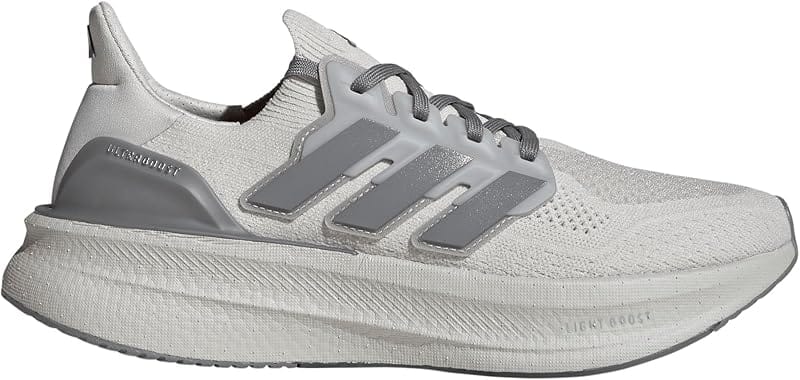
- Full-length Boost midsole with Lightstrike Pro top layer
- 290g — noticeably heavier than Puma Deviate Nitro 2 at the same price tier
- Primeknit+ upper — premium comfort for daily wear and casual running
- Continental rubber outsole with excellent wet-road grip
- Verdict: Great comfort shoe, significantly overpriced vs Nitro for actual running performance
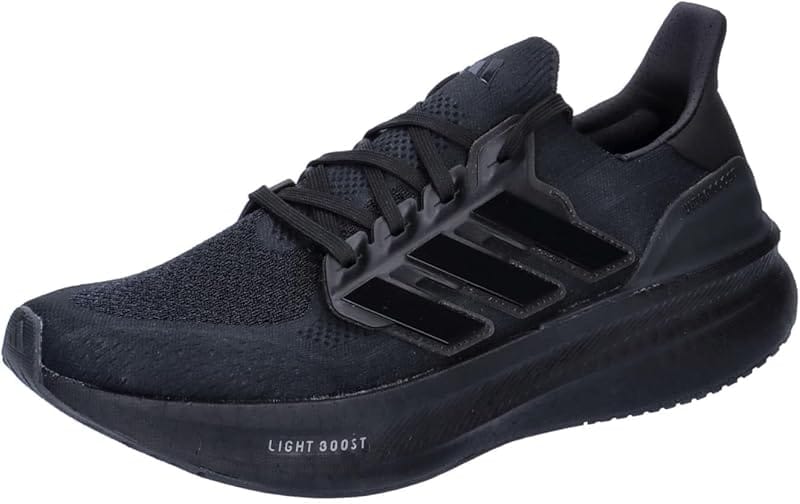
- Classic Boost midsole — the model that made Boost a household name in India
- 310g — the heaviest shoe in this entire comparison
- TORSION SYSTEM plate for midfoot support during the gait cycle
- Often available at 30–40% discounts on Indian e-commerce during sale events
- Verdict: Excellent lifestyle-running hybrid; not a serious performance shoe in 2026
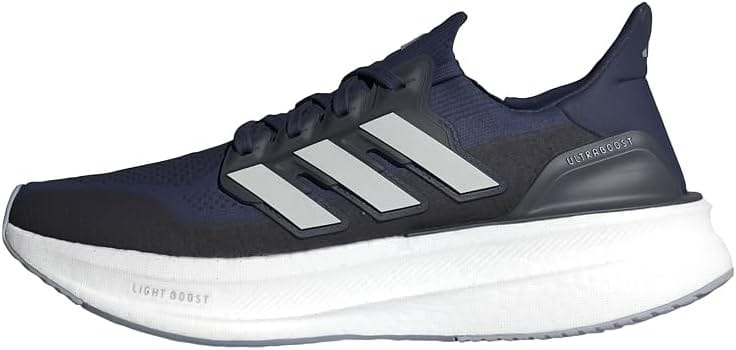
- Boost midsole with Solar Propulsion Rail for torsional guidance
- 285g — slightly lighter than Ultraboost but still significantly heavier than Nitro
- Better suited for neutral gait runners than Ultraboost models
- Direct competitor to Puma Magnify Nitro 2 at a similar price bracket
- Verdict: Decent trainer but Puma Magnify Nitro 2 is lighter, more durable, and more responsive
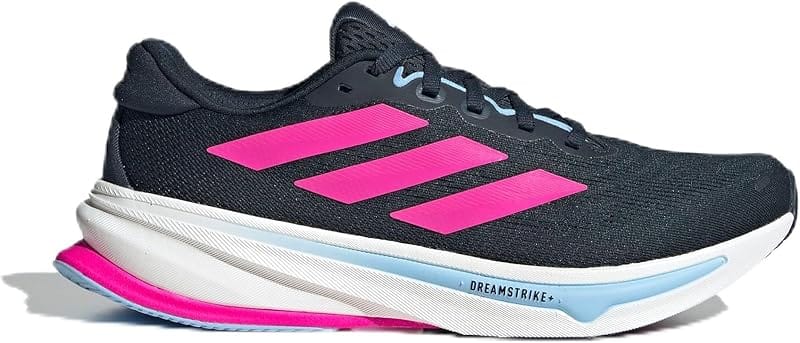
- Hybrid Dreamstrike+ foam plus Boost midsole for layered cushioning
- 260g — the lightest Boost-based running shoe readily available in India
- Best entry-level Boost option for actual running — honest and capable
- Direct competitor to Puma Eternity Nitro 2 at similar price points
- Verdict: Softer than Nitro but lower energy return; Nitro wins on performance, Supernova Rise on plush feel
- Lightstrike Pro + Boost dual-layer midsole for a firmer ride than pure Boost
- 275g — noticeably lighter than Ultraboost at the same price tier
- Carbon-infused Torsionrod for mild propulsion on faster runs
- The most legitimate Adidas performance daily trainer — genuine rival to Deviate Nitro 2
- Verdict: The closest Adidas gets to Nitro’s performance level — genuinely comparable competition
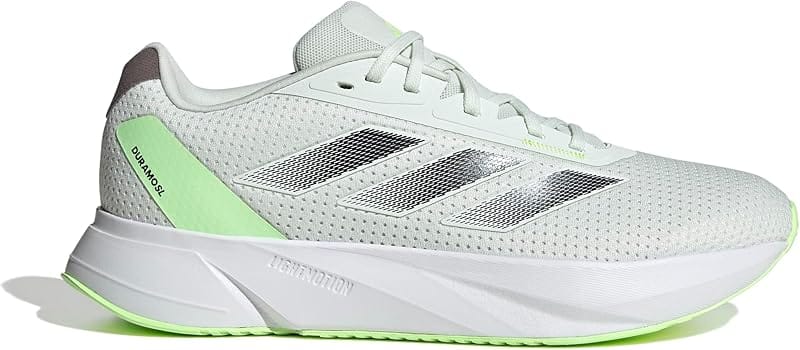
- Lightstrike 2.0 foam — NOT classic Boost; much lighter and firmer feel
- 230g — among the lightest running shoes at this price range in India
- More aggressive speed shoe than lifestyle shoe; rivals Electrify Nitro 3
- Important note: Lightstrike feels significantly different from classic Boost
- Verdict: More aggressive than Nitro at this price; Nitro is more cushioned and versatile overall
Verdict: When to Pick Puma Nitro, When Adidas Boost Makes Sense
Choose Puma Nitro if you are…
Running more than 30 km per week. Training for a 10K, half-marathon, or full marathon. Running through Indian summers above 30°C regularly. Prioritising energy return and pace improvement over pure softness. Or looking for the best value foam technology in India — Puma Nitro models are lighter, longer-lasting, and better-performing than Boost equivalents at every price point from ₹8,999 to ₹24,999.
Consider Adidas Boost if you are…
A casual runner doing fewer than 20 km per week who prioritises a super-soft, plush feel above all other metrics. Running mostly in the early morning when temperatures are below 28°C. Or specifically wanting the Adidas Ultraboost as a stylish daily-wear shoe that you also run in occasionally. In that case, the Supernova Rise is the most honest Boost running shoe for actual runners in 2026 — the Ultraboost is better positioned as a lifestyle shoe.
Our recommendation for most Indian runners: Start with the Puma Eternity Nitro 2 at ₹8,999 if you’re new to premium foam. Step up to the Puma Electrify Nitro 3 at ₹10,999 for speed work or the Magnify Nitro 2 at ₹12,999 for high-mileage weeks. If you’re racing seriously, the Deviate Nitro Elite 3 at ₹24,999 is the best value carbon-plated shoe available on Puma India right now.
Save More on Puma India Nitro Shoes with Zoutons Coupons — June 2026
Puma India runs regular website-exclusive discounts and sale events. Stacking a verified Zoutons coupon on top of an ongoing Puma sale can reduce the final price by 15–30%. On a ₹16,999 Deviate Nitro 2, that’s a saving of ₹2,500 to ₹5,000. On the Deviate Nitro Elite 3 at ₹24,999, the savings can cross ₹6,000.
How to get the best price on any Puma Nitro shoe in India:
- Visit Puma India’s official website and add your chosen Nitro model to the cart
- Open Zoutons Puma coupons page and copy the highest-value verified code
- Apply the code at Puma India checkout for an instant discount on the order total
- Check if any ongoing Puma sale applies — coupons can often stack with sale pricing for maximum savings
- Verify your size is in stock before applying — popular Nitro models in sizes 8–10 sell out fastest during sales

Trending
 Flipkart Big Billion Days 2026 Is Live: General Access Open October 9
  Nykaa Sale Calendar 2026: Diwali Dhamaka & Pink Friday Dates, Next Sale
  Amazon Upcoming Sale Calendar 2026: Next Sale Dates India, GIF & More
  Udemy Upcoming Sale 2026: Next Sale Dates, Black Friday & Coupons
  Myntra Sale Calendar 2026: Big Fashion Festival Live Now, Winter EORS Dates
  Amazon Great Indian Festival 2026: Reloaded Deals Live Oct 21, Dates Official
 More From Puma


 Booking com
  Hostinger
  Dell
Dell  Udemy
Udemy  Agoda
Agoda  Nykaa
Nykaa  Myntra
  Ajio
Ajio